Matox News

Truth Over Trends, always!

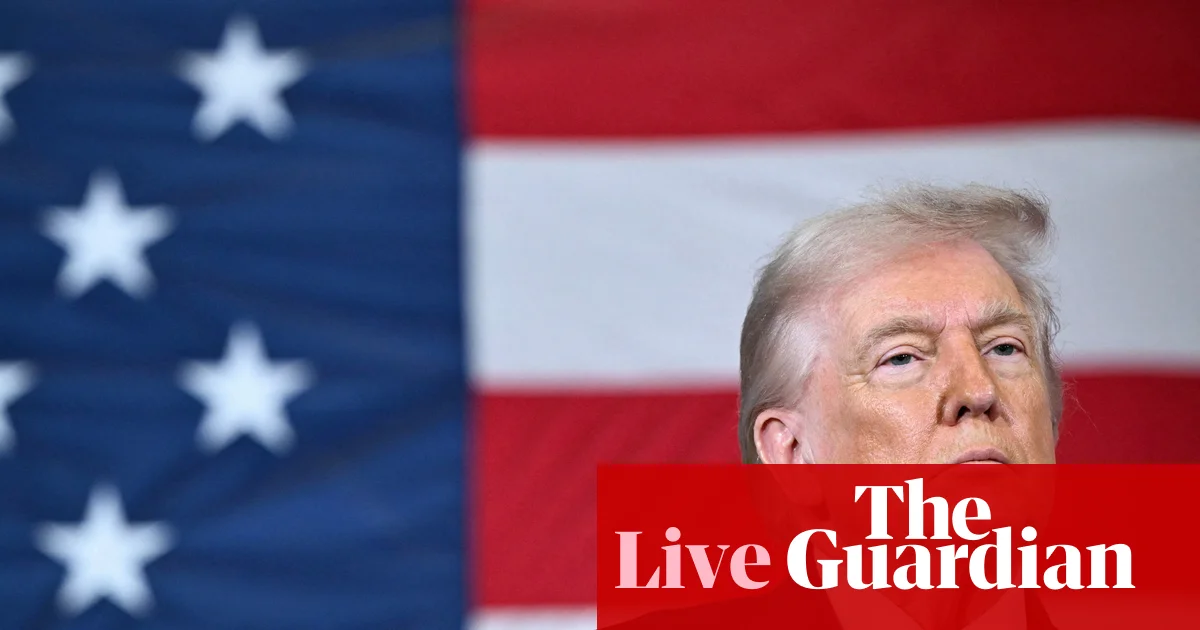
Only 32% of Americans believe Trump’s priorities are right — poll ahead of State of the Union

Global Power Plays Amid Political Turmoil and Military Posturing

As the United States prepares for yet another theatrics-filled State of the Union, the international landscape is brimming with a complex web of strategic moves, diplomatic tensions, and military maneuvers that underscore the ongoing power struggle on the world stage. Behind the scenes, the decisions made in Washington ripple outward, reconfiguring alliances, testing borders, and recalibrating the delicate balance of global influence. This is a critical moment in history where the choices of leaders will not only define domestic agendas but also have lasting consequences for geopolitical stability.

On the military front, the USS Gerald R. Ford, the world’s largest aircraft carrier, has reached the US naval base at Souda Bay, Crete, en route to join a burgeoning military buildup in the Middle East. The move signals heightened tensions, as Trump-era threats to Tehran repeatedly threaten to spark a new regional conflict. The President, who has openly threatened Iran with renewed military action over its nuclear program, now appears increasingly frustrated by diplomatic stalemates. According to sources, Trump’s advisers are weighing options for a strikingly forceful call to Iran, but caution persists due to the risk of escalating an already volatile situation. Analysts warn that any misstep could ignite a prolonged war in the Middle East, dragging global powers into a conflict that might shift regional power dynamics and destabilize international order.

Meanwhile, in the theatre of international diplomacy, the US State Department continues to issue advisories about Western Mexico amid ongoing cartel violence following the killing of a prominent drug lord. This situation reflects the broader implications of America’s border policies and counter-narcotics efforts that are often criticized for their impact on social stability and economic development in the region. The United States’ stance on border security, trade tariffs, and military intervention remains a key feature of its geopolitical posture, influencing policy decisions in neighboring countries and European allies alike. European nations, already rattled by the recent US Supreme Court ruling against Trump’s tariffs, now face the challenge of recalibrating their trade relations amid America’s impulsive economic tactics. The court’s decision has been lauded by conservatives but accused by liberals of sowing chaos and undermining executive authority, fueling ongoing battles over the proper scope of presidential power.

On the home front, the US political scene is equally tumultuous. Biden’s administration faces mounting pressure from both the left and right, as factions within Congress debate whether to attend or boycott the upcoming address. Several prominent Democrats, including the likes of Abigail Spanberger and Summer Lee, plan to deliver alternate rebuttals, signaling a rift that underscores the fragile unity of US political institutions. Meanwhile, Trump’s approval ratings continue their steep decline, with only a minority of Americans believing he holds the right priorities—highlighting the deepening divide and the turbulent state of American democracy. Observers like historians and political analysts warn that this systemic discord may herald a period of instability that could have profound ramifications for the future of the Western alliance. As the country braces for Trump’s lengthy and combative speech, other nations worldwide watch with bated breath, knowing that the domestic unrest and foreign conflicts are intertwined in a grander, treacherous geopolitical dance.

Chains of history are being forged in this tumultuous chapter, where decisions made today will echo across generations. In the vortex of military build-up, diplomatic upheavals, and political chaos, the weight of destiny hangs heavy. An uncertain future unfolds, where the boldest leaders’ choices may either forge a new era of strength and stability or plunge the world into chaos, leaving history to judge who truly understood the stakes. As the world stands at this crossroads, the unfolding narrative signals that the next few days may be pivotal—an epoch in the making that no observer can afford to ignore.
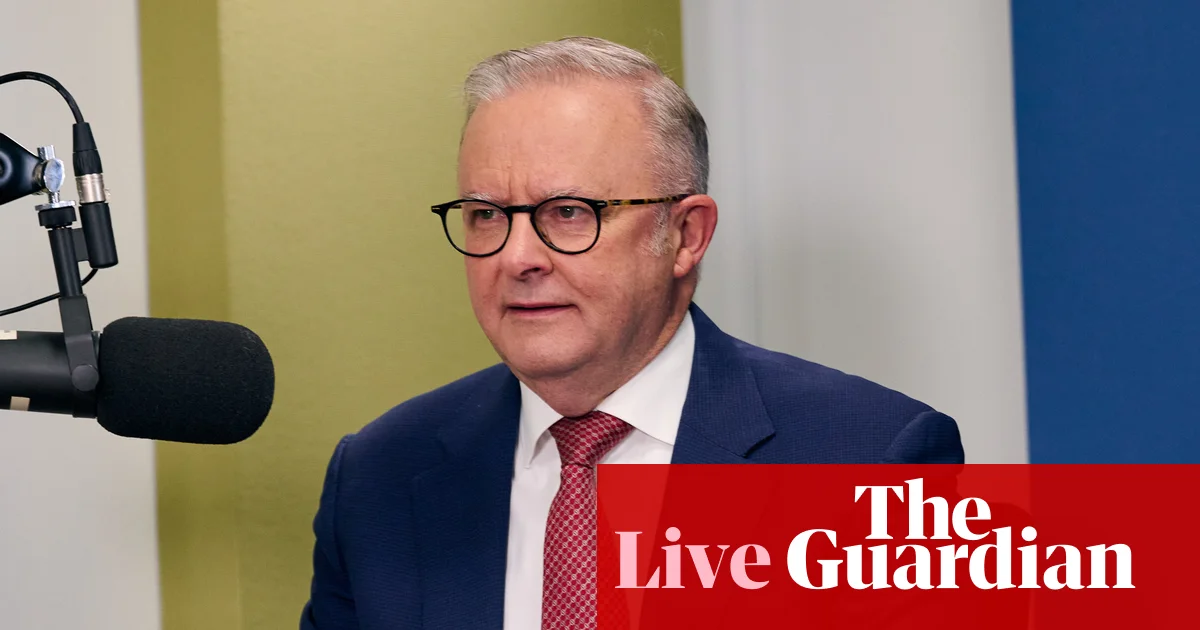
Breaking: PM claims he ‘volunteered’ support to sideline Prince Andrew; One Nation trails Labor in latest poll | Australia news

Global Power Dynamics in 2026: A Shifting World Order

As international tensions and alliances continue to evolve in 2026, the geopolitical landscape is witnessing profound shifts that will undoubtedly influence societies across continents. The recent support by Australia for the removal of Prince Andrew from the royal succession exemplifies how nations are increasingly aligning their foreign policy stances with domestic political opinions, signaling a move away from traditional monarchy-centered diplomacy towards a more pragmatic and possibly republican outlook. Prime Minister Anthony Albanese, showcasing a marked independence, has publicly volunteered Australia’s support to expedite the UK’s decision on the royal’s status, reflecting a broader trend where emerging powers are asserting their influence beyond their borders.

Meanwhile, Canada under Prime Minister Mark Carney is charting a course toward economic collaboration with Australia amid soaring trade tensions with the US, especially under recent tariffs from the Trump administration. Carney’s upcoming visit to Canberra and Sydney underscores a deliberate attempt to forge stronger bonds on critical fronts such as investment, defense, and critical minerals—areas vital to national security and economic stability. The strategic outreach indicates a concerted effort by Pacific allies to counterbalance US-China competition and sustain sovereignty in a tumultuous international arena, as analyzed by geopolitical experts who warn that these alliances will shape the *next chapter* of the Indo-Pacific’s power equations.

Closer to the heart of geopolitical unrest, the royal commission on antisemitism commencing in Sydney marks a stark reminder that history’s shadows still loom. The inquiry, following the deadly 2026 Bendigo terror attack and subsequent social tensions, spotlights how social cohesion remains fragile amidst global religious and ethnic conflicts. Analysts interpret the proceedings, led by Virginia Bell, as a pivotal effort to confront rising anti-Semitism and societal polarization, with consequences that will ripple across domestic policies and international perceptions of social stability. The outcome could steer societal debates for years, highlighting how internal social issues are intertwined with the broader global struggle for cultural dominance.

  • Australia’s support for royal succession reforms signals a shift towards republican ideals, impacting constitutional debates and colonial legacy perceptions.
  • Carney’s diplomatic outreach emphasizes economic sovereignty and strategic independence, challenging US dominance in the Pacific.
  • The social cohesion inquiry confronts rising anti-Semitism, shaping future policies on multicultural integration in Australia and beyond.

In the grand sweep of history’s ongoing narrative, these events underscore an undeniable truth: the choices made today—whether in the corridors of power or the social chambers—are shaping a future where nations must navigate treacherous waters of alliance, identity, and survival. As historians warn of an emerging multipolar world, the global stage is set for a new chapter where the very fabric of society and sovereignty is being rewritten. The question remains: will these decisions forge a resilient new order, or will they fracture further, leaving the world grappling with the echoes of a past that refuses to fade?

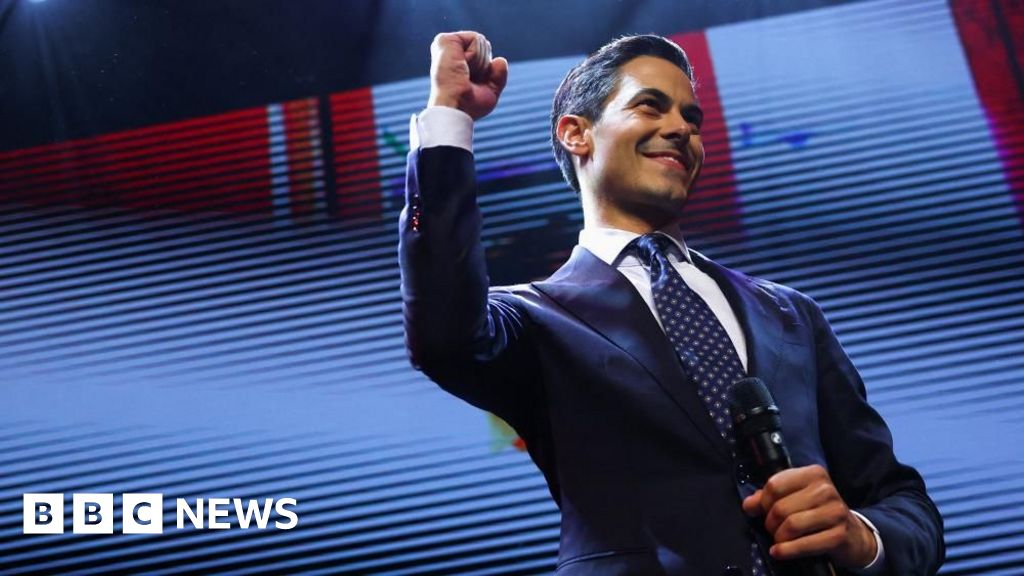
Dutch centrists under Jetten set for surprising election victory, poll indicates

The recent Dutch parliamentary elections have charted an intriguing course in European politics, illustrating a significant shift that could ripple across the geopolitical fabric of the continent. Rob Jetten’s centrist liberals, under the banner of Democrats 66 (D66), have unexpectedly overtaken traditional political heavyweights, including Geert Wilders’ PVV and established left-wing parties. This electoral upheaval, characterized by the projected victory of Jetten’s campaign, underscores a rising public desire for pragmatic leadership and national unity amid persistent crises—chiefly housing shortages, migration concerns, and economic stability.

Historically, Netherlands has been viewed as a cornerstone of stability within the European Union. Yet, recent trends reveal a society eager to embrace change, as evidenced by Jetten’s rapid political ascendancy. Once languishing in fifth place, his party is now poised to hold 27 seats, just ahead of Wilders’ populist faction, which conceded defeat. The significance extends beyond electoral numbers; the shift signals a broader discontent with the stagnation and negativity perceived in recent years’ politics. Experts from the European Policy Institute argue that this election presents a turning point, emphasizing how societal frustrations with migration policies, housing demand, and economic strife are steering voters away from populist rhetoric towards centrist, constructive alternatives.

Meanwhile, how these decisions affect nations and societies cannot be understated. The expansion of Jetten’s coalition plans, including commitments to build ten new cities to combat housing shortages, delineates a future where national policy leans toward active social restructuring. This has profound geopolitical impact, as the Netherlands’ leadership style and policies influence broader European stability and cooperation. The UK’s House of Commons and the German Bundestag watch keenly, recognizing that shifts in Dutch politics could inspire similar realignments in other EU nations, especially as issues of migration and economic resilience dominate the continent’s agenda. The European Council itself is weighing the implications of a more centrist, pragmatist Netherlands—potentially steering EU policies toward more effective, unified responses to shared challenges.

The election results reveal a society at a crossroads, with Wilders’ debate-shown influence waning, despite his proudly bullish stance: “You won’t be rid of me until I’m 80.” The enduring question remains whether this new political climate will translate into lasting change or serve as a fleeting reaction to the ongoing crises. Nonetheless, the message is clear: the Dutch electorate is signaling a desire for a decisive break from the polarization of the past, indicating a readiness to embrace a future defined by pragmatic progress rather than populist grievances. This pivot bears a significant message for international observers—the age of reactive politics may be waning, heralding instead a period where nations prioritize stability and strategic unity.

As history continues to unfold in the quiet yet consequential corridors of Amsterdam and The Hague, the coming months will reveal whether Jetten’s vision of a rejuvenated Netherlands can serve as a beacon for Europe’s future. In a world gripped by turmoil—be it economic instability, migration waves, or geopolitical tensions—the decisions taken on this small but influential stage could echo loudly through history’s unfolding narrative. The challenge remains: can a society ravaged by decades of stagnation forge a new path forward, or will the specter of discontent cast long shadows over the Dutch horizon? The answer may determine not just the fate of an island nation but the very direction of European stability in these uncertain times.

Social Media Auto Publish Powered By : XYZScripts.com



