
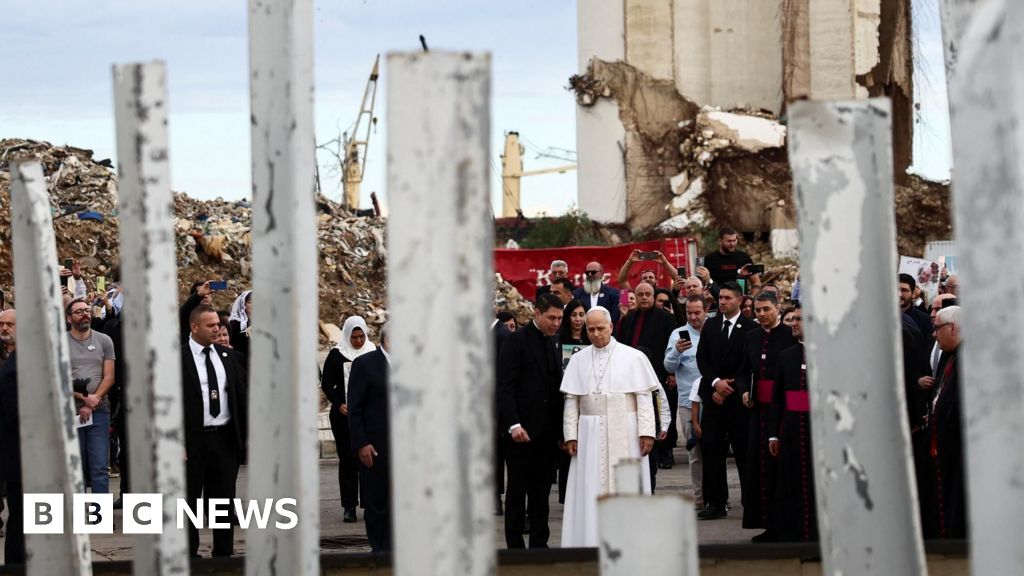

In a poignant act of remembrance and call for justice, Pope Leo XIV concluded his recent visit to Lebanon with a silent prayer at the site of the devastating Beirut port explosion. This tragedy, which struck in August 2020, claimed 218 lives and left an indelible scar on the city’s fabric. The Pope’s failure to condemn the gross negligence involved in storing nearly 2,750 tonnes of ammonium nitrate without proper safety measures highlights the worldwide concern over accountability and governance in fragile states. Derided by critics as symptomatic of endemic corruption, this disaster exemplifies how failed leadership can escalate into humanitarian crises that ripple across borders, affecting regional stability and international perceptions of Lebanon.
The ongoing struggle for justice reflects a broader crisis of governance that continues to undermine Lebanese sovereignty and social cohesion. Victims’ families, such as Cecile Roukoz and Tatiana Hasrouty, are voicing frustrations that their pleas have fallen on deaf ears, hindered by a political elite more intent on self-preservation than addressing structural failures. Analysts from the International Crisis Group warn that such impunity not only erodes public trust but also emboldens regional actors with vested interests in Lebanon’s instability—an issue impacting neighboring countries and international peace efforts. The failure to prosecute those responsible redefines the crisis as one of moral decline and lost opportunity for reform, which risks devolving into an enduring cycle of chaos and despair.
Meanwhile, Lebanon remains under the shadow of division and conflict. Since the last papal visit in 2012, the nation has been battered by compounded crises including an unprecedented economic depression that plunged millions into poverty, widespread protests, and the aftermath of a lengthy war involving Hezbollah and Israel. A fragile ceasefire now holds, but persistent Israeli strikes targeting alleged Hezbollah rearmament threaten to unravel these diplomatic gains. How the Lebanese political system navigates these unresolved issues will decisively shape their future, and perhaps, their very survival. The international community is calling for structural reforms and renewed efforts at reconciliation, but their requests are often dismissed or delayed, fueling skepticism about real change.
This turmoil is not isolated; it embodies a broader geopolitical contest, with Iran backing Hezbollah and Israel defending its borders, all within a region where external powers jockey for influence. As security analysts warn of a potential escalation, the stability of Lebanon becomes a litmus test for regional peace, with the global implications of unchecked conflict growing starkly evident. The echoes of history are loud, and the delicate balance of power teeters on the brink—each decision made by leaders has profound consequences for the daily lives of Lebanese citizens and the wider Middle Eastern landscape. Today, as Lebanese households grapple with economic hardship and uncertainty, the weight of geopolitics looms heavy, reminding the world that the pages of history continue to turn—sometimes silently, sometimes with the ominous roar of war.





