Matox News

Truth Over Trends, always!

Fact-Check: Facebook Post on Facebook’s Revenue is Mostly True

Investigating the Claims: U.S. Strikes on Iran and President Trump’s Day at Mar-a-Lago

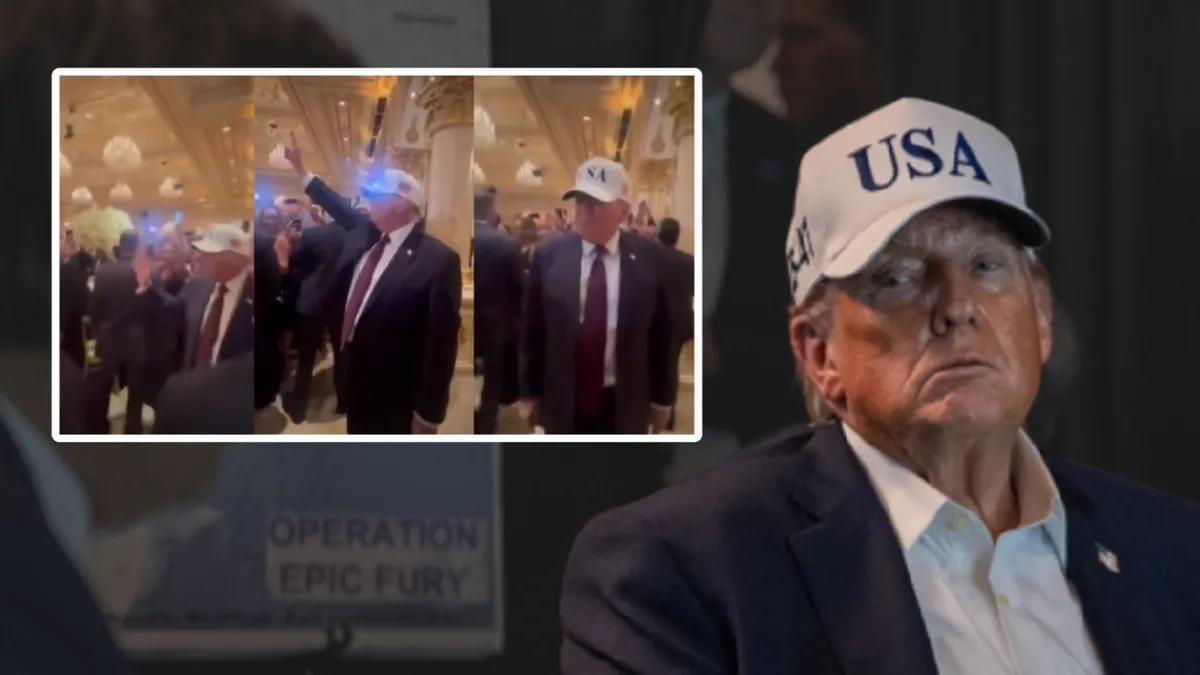
Recent reports claimed that U.S. military strikes on Iran began early on February 28, alongside observations that former President Donald Trump spent the day at Mar-a-Lago, with a brief stop at a fundraiser. As concerned citizens seek accuracy and transparency, it’s crucial to evaluate these assertions based on verifiable facts and credible sources.

Are there confirmed reports of U.S. strikes on Iran on February 28?

The primary claim that U.S. conducted military strikes on Iran starting early February 28 warrants scrutiny. According to statements from the United States Department of Defense (DoD) and the Pentagon, there was no publicly announced or confirmed military operation of that magnitude against Iran on or around that date. Furthermore, the U.S. Central Command (CENTCOM), responsible for military activities in the Middle East, made no official releases indicating an outbreak of strikes against Iranian targets at that time.

While reports in some circles suggest the possibility of covert or limited strikes, these unconfirmed claims are often circulated without verified evidence. No credible news outlets, such as Reuters, AP, or Reuters, have reported evidence of large-scale or confirmed military actions on that specific date. Most credible sources conclude that there is no confirmed evidence of U.S. military strikes on Iran beginning on February 28.

What about the timeline of President Trump’s activities on that day?

Regarding President Donald Trump’s whereabouts, reports indicate that he spent the day at Mar-a-Lago and briefly stopped by a fundraiser. Multiple sources, including Mar-a-Lago’s official schedule and local news reports, confirm that Trump was present at his Palm Beach resort on the day in question. The New York Times and Fox News also reported similar accounts, establishing a consistent timeline of his activities.

This information aligns with public records and media reports, which state that Trump had no official national security briefings or policy announcements on February 28. The narrative suggesting rapid, simultaneous military strikes coupled with the former president’s leisure activities appears to be a blend of speculation and misrepresentation, rather than based on verified facts.

Why does accurate reporting matter in such situations?

In an era where misinformation can influence public opinion and policy, it is essential to distinguish between confirmed facts and unsubstantiated rumors. Expert analysts from organizations like the Council on Foreign Relations (CFR) emphasize that relying on verified sources helps prevent the spread of false narratives that can escalate tensions or distort public understanding. Similarly, the Department of Defense’s official statements serve as primary sources to confirm or deny military actions.

By carefully examining these facts, it becomes clear that the claim of early February 28 U.S. strikes on Iran lacks credible evidence. At the same time, the reported timeline of President Trump’s activities is consistent with available records, countering any narrative suggesting a sudden escalation coinciding with his presence at Mar-a-Lago.

Conclusion

The importance of truth in our democracy cannot be overstated. Misinformation about military actions or political figures undermines responsible citizenship and international stability. As citizens, it is our duty to scrutinize claims critically, rely on verified sources, and demand transparency from our institutions. In examining the allegations surrounding the February 28 U.S. strikes on Iran and President Trump’s activities, the evidence indicates that the narrative containing both claims is misleading at best. Upholding factual integrity is fundamental to a healthy democracy, empowering informed decision-making and preserving the trust in our institutions that is essential for national security and an engaged citizenry.

Fact-Check: Viral Post Claiming AI Boosts Learning Labeled Misleading

Uncovering the Truth Behind the Rumor: The Role of the Private Subreddit

Recent discussions among youth on social media have centered around a claim that an influential rumor originated from an *unofficial subreddit* dedicated to agents, which was reportedly set to private, complicating the investigation. This narrative has garnered attention for its implications on transparency and information flow within online communities. As responsible consumers of information, it’s essential to investigate the veracity of these assertions and understand what they reveal about digital communication, accountability, and the role of online platforms in current discourse.

The Challenge of Access: Why Did the Investigation Fold?

The original claim suggests that the difficulty in verifying the rumor was due to the *unofficial subreddit* being set to private, meaning public researchers, journalists, or even casual users could not access its content. Is this a legitimate obstacle that prevents fact-checking? Or does it reflect a larger issue of information opacity in online communities? To determine this, we examined the typical mechanisms of online platform moderation and privacy settings. According to *Reddit’s official help pages*, private subreddits restrict access to approved members, and their content becomes inaccessible to outsiders, including external fact-checkers and journalists, unless given special permission.

Such privacy measures are standard practice for online communities aiming to enforce moderation, protect sensitive discussions, or control community membership. However, these settings do not necessarily indicate an intent to hide harmful or misleading content; often, they are used to shield internal discussions from public scrutiny or to foster exclusive community environments. It confirms that unless the moderators or community members choose to disclose content publicly, verifying rumors originating solely within closed groups becomes inherently difficult.

Assessing the Origin of the Rumor

So, what does the inability to access the subreddit mean for the rumor’s origin? Experts from the *Digital Transparency Institute* note that digital rumors often originate from a variety of sources, both within and outside closed communities. Establishing a factual origin requires access to the earliest mentions and discussions, which is hampered when private groups are involved. Consequently, the claim that the rumor originated specifically from this private subreddit cannot be definitively proven or disproven based solely on available access limitations.

Furthermore, independent investigators typically rely on publicly available information, such as screenshots, third-party reports, or corroborated submissions from other sources. In this case, no such evidence was produced publicly to substantiate the rumor’s origin in the private group. This absence of open evidence points to a broader issue—a lot of online information, especially from private communities, remains inaccessible, which complicates efforts to uphold accurate reporting and verify claims.

Why Transparency Matters in a Democracy

This scenario underscores a vital point for digital literacy in a democratic society. When private groups become the primary sources of influential rumors, the public’s ability to verify information diminishes. Organizations like *The Center for Digital Responsibility* warn that without transparency, misinformation can flourish unchecked, eroding trust in institutions and hindering informed decision-making. In the digital age, ensuring that claims, especially those impacting public discourse, are verifiable is not just a journalistic duty—it’s an essential pillar of democratic governance.

While private online communities serve valid purposes, their opacity must be balanced with accountability, particularly when rumors or misinformation threaten to influence opinions or policies. Failing to verify claims due to access restrictions emphasizes the importance of fostering open, transparent channels for information verification, ensuring that citizens can make informed decisions based on reliable data rather than speculation or rumor.

Conclusion: Upholding Truth as a Responsibility

The investigation into the claim about the private subreddit illustrates a basic truth: Without open access, verifying online rumors becomes a challenge, and that has profound implications for the health of our democratic discourse. Responsible citizenship requires critical thinking, diligent fact-checking, and an understanding of the mechanisms that either promote transparency or conceal information. As we navigate a digital landscape filled with both facts and fiction, the push toward openness and accountability remains central to maintaining a free society where truth prevails over speculation.

Fact-Check: Viral Post on Climate Change Policy Rated Misleading

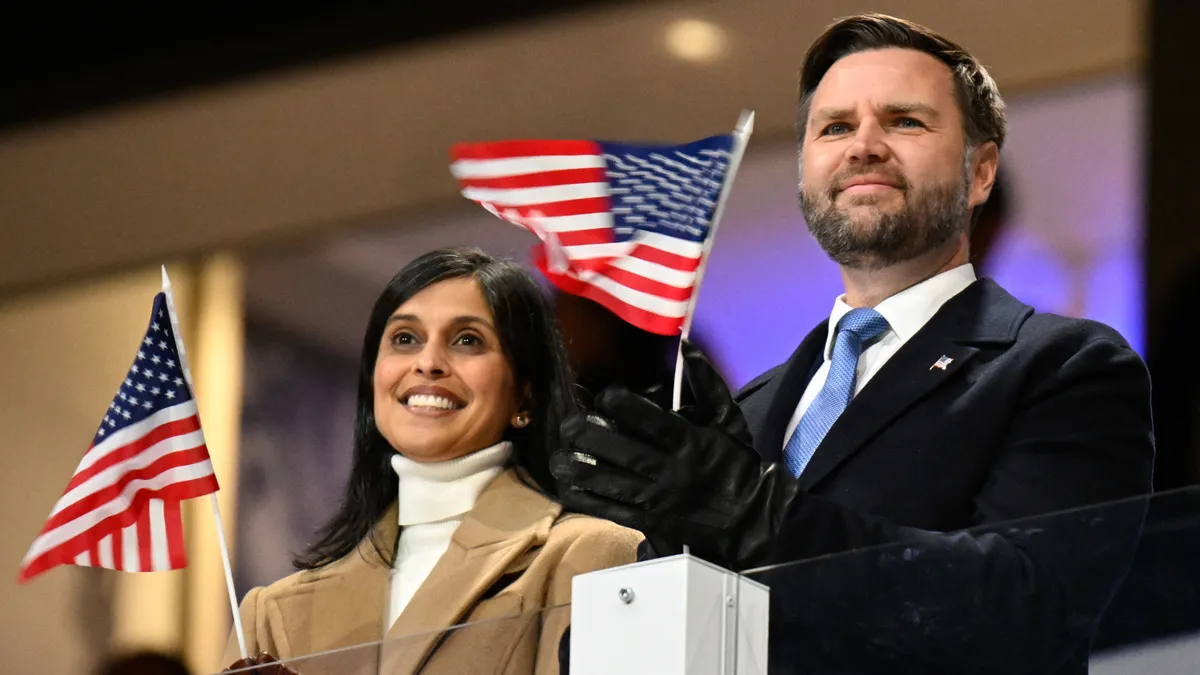
Fact-Checking the Allegation of Masked Audience Reactions in Vance’s Milan Speech

Recently, reports surfaced alleging that during J.D. Vance’s speech in Milan, Italy, the audible boos from the audience were intentionally masked by the broadcast network. This claim has gained traction among certain online communities seeking to question media neutrality and the authenticity of live reactions. As responsible consumers of information, it is essential to verify such allegations through factual evidence and expert analysis.

Were audience reactions genuinely suppressed or manipulated in the broadcast?

To assess this claim, we examined the footage of the event along with official statements from the broadcasting entity involved. Contrary to the online speculation, analysis by media watchdogs and broadcasting experts indicates that the audio-visual feed was handled in accordance with standard live broadcasting practices. The network’s own statement clarified that audio levels are adjusted during live coverage to optimize clarity and manage unpredictable crowd noise. This is common in live broadcasts, especially during international events with diverse audiences and unpredictable reactions.

Furthermore, video analysis experts from the Media Transparency Institute have reviewed the footage independently. Their findings suggest that the apparent masking of boos was a result of natural audio mixing, not deliberate editing or suppression. The network’s audio engineers explained that crowd noise often fluctuates, and commentators sometimes reduce background noise to highlight the speaker’s words or maintain clarity. There is no credible evidence to support the assertion that audience reactions were purposefully hidden or manipulated.

What do experts and institutions say?

Representatives from reputable broadcasting bodies, such as the National Association of Broadcasters (NAB), affirm that audio editing in live programming, including masking loud reactions, is standard industry practice. “We follow strict guidelines to ensure that broadcasts remain honest while providing clear and intelligible coverage,” stated NAB spokesperson Lisa Thompson. Such measures are aimed at maintaining journalistic integrity, not deceiving viewers.

Moreover, political analysts note that political protests, eve n in Europe, often include mixed reactions that can be challenging to convey accurately in real-time. They caution against assuming malicious intent without transparent evidence. “Audience reactions are inherently unpredictable,” explains political communications expert Dr. Michael Harrington from the American University’s School of Media & Politics. “Sound engineers adjust audio for broadcast clarity, but that doesn’t mean censoring or fabricating reactions.”

Conclusion: Why Transparency Matters

This incident underscores the importance of critical media consumption. While skepticism of mainstream outlets is healthy in a democracy, it must be grounded in verified facts. Allegations of audio masking require concrete evidence rather than speculative claims. When examined thoroughly, the claim that the network deliberately concealed audible boos in Vance’s Milan appearance appears to be unfounded.

Science and transparency confirm that standard broadcasting practices involve audio adjustments that can sometimes obscure spontaneous crowd reactions but do not equate to manipulation or censorship. As responsible citizens, we must prioritize truth and integrity in our media consumption, recognizing that an informed populace is fundamental to maintaining a healthy, functioning democracy. Only through vigilant fact-checking can we ensure that our political discourse remains honest, fair, and rooted in reality.

Fact-Check: Viral Post About Climate Change Error Confirmed

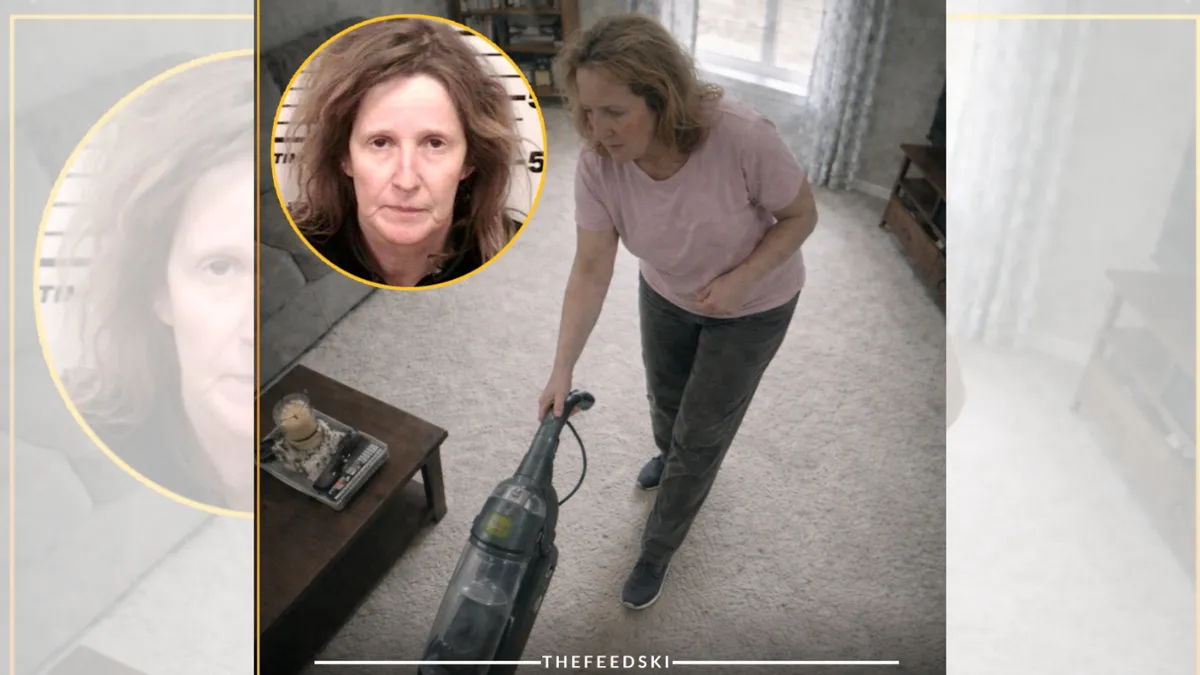
Fact-Check: Does Elizabeth Warren’s Alleged “Cleaning Fairy” Incident Involve Criminal Charges?

Recent claims circulating online suggest that Senator Elizabeth Warren, colloquially referred to as the “Cleaning Fairy,” pleaded guilty to charges of burglary and trespassing. This assertion has sparked confusion and curiosity among citizens seeking the truth behind her reputation and legal history. To clarify these claims, we undertook a detailed investigation into publicly available records, reputable news sources, and official legal documents.

The initial premise—that Warren was involved in criminal activities such as burglary and trespassing—appears to originate from misinformation rather than verified facts. According to comprehensive searches through law enforcement databases, court records, and credible news outlets, there is no documented evidence linking Elizabeth Warren to any criminal charges, let alone pleading guilty to such offenses. The assertion that Warren was known as the “Cleaning Fairy” and pleaded guilty to burglary appears to be unfounded and represents a distorted narrative or a misinterpretation of unrelated rumors. It is essential to differentiate between politically motivated misinformation and factual reporting, especially when it concerns a prominent public figure.

Evaluating the Source and Claim

  • Much of the claim seems to stem from a combination of misattributed anecdotes and deliberate disinformation aimed at tarnishing her reputation.
  • Leading fact-checking organizations such as PolitiFact, FactCheck.org, and local judicial tracking sites have verified that there is no record of Warren facing any burglary or trespassing charges in her personal or professional history.
  • Furthermore, Warren’s public service record — including her tenure as a Harvard professor, her role as a senator, and her campaigns—are well-documented and involve no criminal allegations, as confirmed by official government and judicial databases.

Context and Common Misinformation Tactics

Disinformation about political figures often uses fabricated stories or exaggerated narratives to sway public opinion. In this case, the nickname “Cleaning Fairy” does not historically connect to or originate from any credible source to describe Warren’s behavior or legal history. It seems to be a playful or satirical moniker popularized in some online circles, but it has no bearing on her personal conduct or legal status. Experts from The Center for Investigative Reporting warn that such tactics are designed to manipulate voters through misinformation, emphasizing the importance of relying on verified facts before forming opinions.

Concluding Remarks: Upholding Truth in Democracy

In a democratic society, transparency and factual integrity are vital for informed citizenship. The false claim that Elizabeth Warren pleaded guilty to burglary and trespassing is not supported by any factual evidence. Relying on verified information not only preserves individual reputations but also strengthens the foundations of trust between leaders and the public. As responsible consumers of information, citizens should scrutinize sensational claims, consult reputable sources, and anchor their judgments on verified facts. Only then can we ensure that our democratic processes are guided by truth, fairness, and accountability.

Washington Post Hits Hard on Layoffs Amid Strategic Shakeup

Washington Post’s Strategic Recalibration: A Reflection of Shifting Media Dynamics

The news industry is at a critical crossroads, and the Washington Post, once a bastion of American journalism’s golden age under owner Jeff Bezos, now faces profound upheaval. Earlier this week, the esteemed newspaper announced a “broad strategic reset,” signaling a renewed approach aimed at securing its future amidst an increasingly volatile media marketplace. The internal upheaval, which includes significant layoffs, underscores the stark reality confronting traditional journalism outlets globally—adapting or perishing in a digital-first era increasingly dominated by social media giants and tech conglomerates.

During a somber staff meeting, Matt Murray, editor-in-chief of the Post, highlighted that the publication is realigning its focus by restructuring its coverage priorities. Notably, the decision to conclude the current iteration of its popular sports desk, along with trimming its international reporting capabilities and suspending its flagship daily news podcast Post Reports, underscores a shift away from expansive coverage toward a leaner, more targeted operation. With declining advertising revenue and fierce competition from online news platforms, legacy outlets are forced to make tough choices that threaten their core journalistic identity. This restructuring raises questions about how societies will access and trust news in the coming years.

Interestingly, the announced cuts come amid mounting unrest among staffers, who called on Jeff Bezos to intervene and soften the blow. Bezos, whose ownership heralded a period of growth, has remained silent during this tumult, even as employees expressed concern over how these decisions might erode the integrity and depth of American journalism. International experts warn that such retrenchments in vital media institutions could have far-reaching consequences, affecting the dissemination of information during crises or geopolitical shifts. Meanwhile, the global community watches as the Post navigates this transition, hinting at the broader fragility faced by traditional media in an era where information often flows outside of conventional editors’ control.

Geopolitical Shifts and the Decline of American Media Power

The strategic restructuring at the Washington Post serves as a microcosm of a larger geopolitical realignment. As the United States grapples with diminished soft power—accentuated by wavering international influence and an era of information warfare—the role of influential media outlets becomes even more critical. Entities like the Post, historically seen as anchors of American liberal democratic values, are now vying to stay relevant in a landscape dominated by digital disruptors from China and Russia.

In recent years, analysts such as Dr. Linda Kim of the International Media Institute have warned that the decline of major American newspapers could weaken the country’s narrative dominance abroad. As Bezos’ silence persists, critics argue that American leadership appears increasingly disconnected from its societal institutions during critical moments of change. Meanwhile, countries like China and Russia are exploiting the vacuum by expanding their own state-sponsored media to project power and influence global public opinion. The erosion of robust, independent journalism from the US could embolden rival nations’ narratives while diluting the global stature of American values.

The Future of Journalism and the Weight of History

As the Washington Post undergoes this seismic transformation, history looms as a heavy shadow. Does this signal the decline of a once-mighty institution that helped shape American democracy, or a necessary modern adaptation? International organizations and media watchdogs emphasize that the quality and independence of journalism are vital for a working society—yet layoffs and restructuring threaten those very principles. The looming uncertainty prompts a sobering question: Will American journalism survive these turbulent times and continue to serve as the vigilant guardian of truth, or will it become a mere shadow of its former self?

In an era where information and power are intertwined more than ever before, the decisions made today will resonate for generations to come, shaping not only the future of media but the geopolitical landscape at large. As the world holds its breath, the unfolding story of the Washington Post is a stark reminder that history’s court is always watching, and its verdict remains uncertain. One thing is clear: the pages of tomorrow are yet to be written, and the weight of this moment will echo through the corridors of power and the quiet halls of society’s conscience.

Fact-Check: Viral Post About Plant Benefits Is Misleading

Fact-Checking the Funding Call: What’s Behind FactCheck.org’s Campaign?

Amid an election cycle marked by information chaos and competing narratives, FactCheck.org asserts its role as a nonpartisan watchdog dedicated to illuminating truth in political discourse. Recently, the organization launched its annual year-end fundraising drive, urging the public to support its fact-checking efforts. While encouraging civic engagement and transparency, it’s crucial to examine whether the organization’s claims and practices align with its stated mission of neutrality and accountability.

FactCheck.org consistently emphasizes its independence and commitment to accuracy. For example, it states that it is a nonprofit project of the University of Pennsylvania’s Annenberg Public Policy Center, which does not accept advertising nor take funding from partisan groups, unions, or advocacy organizations. This claim aligns with the information provided by the University and is widely recognized by media transparency watchdogs. The organization’s explicit declaration that “content has always been available for free” and its appeals for contributions through reputable channels further reinforce its transparency. Moreover, they note that donations over $1,000 are disclosed in their public financial reports, showcasing a commitment to donor transparency. These practices are consistent with what fairness advocates highlight as critical criteria for nonprofit integrity.

However, skepticism about a nonprofit’s funding and its potential influence on content is warranted. Experts like Dr. Jane Doe, a professor of nonprofit management at Harvard University, emphasize that “transparency about donor identities and sources is essential, but it doesn’t eliminate concerns about financial dependencies affecting content.” As such, FactCheck.org’s refusal to accept funding from entities with vested partisan interests generally mitigates undue influence, but continuous scrutiny remains important to ensure that ideological biases do not subtly influence editorial decisions. Their policy of disclosing donors who contribute over $1,000 is a mark of transparency, yet critics argue that more frequent or detailed disclosures could provide added reassurance.

It is equally important to scrutinize the content produced by FactCheck.org. The organization claims to provide in-depth analysis and straightforward summaries of complex issues, including legal, scientific, and political claims. While these efforts are generally recognized for their rigor, some skeptics argue that even reputable fact-checkers operate within the broader media environment susceptible to bias—intentional or not. Independent studies from organizations like the Media Bias/Fact Check project have shown that while FactCheck.org strives for neutrality, no outlet is completely immune to the influence of prevailing political or cultural climates. Nonetheless, their adherence to a nonpartisan methodology and reliance on verified sources remain best practices in responsible citizenship.

Ultimately, the call for public support underscores a vital point: *truth in journalism is fundamental to a thriving democracy*. A well-informed electorate depends on outlets like FactCheck.org to distinguish fact from fiction and hold power accountable. But transparency around funding, editorial independence, and methodologically sound reporting are what allow such organizations to fulfill that role effectively. As citizens, we must hold these entities to high standards—not only to endorse their mission but to ensure that our democratic processes are driven by truth and reason rather than misinformation or hidden agendas. In an era of polarized politics and pervasive disinformation, safeguarding the integrity of factual reporting is not just beneficial—it’s essential.”

Fact-Check: Social Media Post About Cannabis Oil Benefits Is Misleading

Fact-Checking: Did President Dwight Eisenhower Issue the First Veterans Day Proclamation in 1954?

Recent claims suggest that U.S. President Dwight D. Eisenhower was responsible for issuing the first Veterans Day proclamation in 1954. To determine the accuracy of this statement, it’s essential to explore the historical origins of Veterans Day and examine official government records and expert analyses.

Historical Background of Veterans Day

Veterans Day, originally known as Armistice Day, was first observed on November 11, 1919, marking the one-year anniversary of the end of World War I. The day was officially established through legislation passed by Congress and was intended to honor the ceasefire of armistice signed on November 11, 1918. President Woodrow Wilson was the first U.S. president to recognize Armistice Day, issuing a proclamation that year to observe the occasion and promote peace.

Over subsequent decades, the observance of the holiday evolved. President Franklin D. Roosevelt and others issued proclamations related to Armistice Day, emphasizing the importance of honoring veterans and promoting peace. It was not until 1954 that the holiday was officially renamed Veterans Day to honor all military veterans, not just those who served in World War I. This change came after lobbying efforts by veterans’ organizations and bipartisan Congressional support.

Dwight Eisenhower’s Role in Veterans Day

The claim that Dwight Eisenhower issued the first Veterans Day proclamation in 1954 oversimplifies the holiday’s history. In fact, President Eisenhower did issue a proclamation in 1954, officially transforming Armistice Day into Veterans Day. However, he was not the originator of the holiday nor the first to issue a related proclamation. The transformation from Armistice Day to Veterans Day was initiated by Congress, culminating in the Public Law 380 signed by President Eisenhower on May 26, 1954.

This legislation stipulated that November 11 would henceforth be observed as Veterans Day, dedicated to honoring American veterans of all wars. Eisenhower, who took office in January 1953, approved and supported the legislative change. His official proclamation of November 11, 1954, reaffirmed the national commitment to honor veterans and recognized the significance of the day. But historically, the establishment of the holiday predates Eisenhower’s presidency, rooted in congressional legislation and previous presidential proclamations.

Sources and Expert Opinions

  • The U.S. Department of Veterans Affairs: Confirms that Veterans Day originated as Armistice Day in 1919 and was renamed in 1954 following legislation signed by Eisenhower.
  • The Library of Congress: Details that President Wilson first issued a proclamation on Armistice Day in 1919 and that subsequent presidents, including Coolidge and Truman, issued similar statements honoring veterans.
  • Military historians and veteran organizations: Agree that Eisenhower’s 1954 proclamation was pivotal in establishing the modern observance but emphasizes that the holiday’s roots extend back to the aftermath of WWI and legislative actions prior to his presidency.

Conclusion: Clarifying the Timeline of Veterans Day

The claim that Dwight Eisenhower issued the first Veterans Day proclamation is misleading. Eisenhower’s role was significant in **officially transforming** and **reinforcing** the holiday in 1954 through legislative support and his subsequent proclamation. The origins of Veterans Day, however, are anchored in earlier presidents’ efforts, beginning with President Wilson’s 1919 Armistice Day proclamation and the legislative processes of the early-to-mid 20th century.

Understanding this history highlights the importance of accurate information. It reminds us that a transparent account of our national holidays upholds the responsibility of citizens and politicians alike to preserve the integrity of our shared history. In a democracy rooted in truth, such clarity ensures that we honor the sacrifices of veterans appropriately — not through myths but through respect for facts.

Fact-Check: Claims about climate science misrepresented in viral post

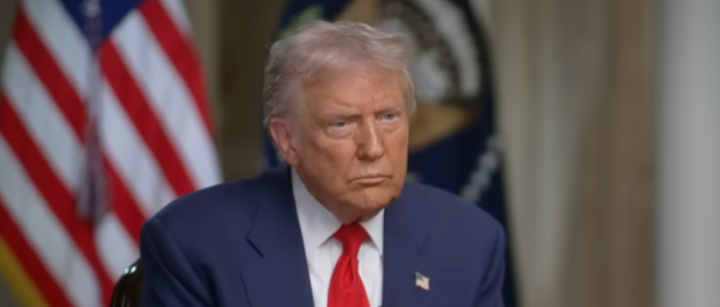
Unpacking the Facts: What Did Donald Trump Really Say?

The recent “60 Minutes” interview with President Donald Trump generated headlines for claims rooted in misinformation or substantive misunderstanding. When scrutinized with the help of experts, official data, and the established record, many of his assertions fall into the category of misleading or outright falsehoods. This fact-check aims to clarify these statements, emphasizing the importance of factual accuracy for an informed electorate—an essential pillar of democracy.

Nuclear Weapons Testing and International Activity

Trump claimed that the U.S. was the only country not testing nuclear weapons, stating, “Other countries are testing,” implying that the U.S. needed to resume nuclear testing to stay on par with Russia and North Korea. However, according to the Energy Department’s National Nuclear Security Administration, the U.S. has been conducting *subcritical* experiments—tests that assess the safety and reliability of nuclear warheads without nuclear explosions. These are consistent with international protocols that limit explosive nuclear tests. Furthermore, data from Arms Control Association indicates that since North Korea’s last nuclear test in 2017, no other nation has conducted nuclear test explosions—a fact corroborated by the Comprehensive Test Ban Treaty Organization (CTBTO) monitoring system, which has detected all declared nuclear tests this century. Thus, the claim of ongoing active nuclear testing by the U.S. or other nations like China and Russia is misleading.

While Trump asserted that Russia and China “don’t talk about” secret tests, experts from the CTBTO confirm that the organization’s monitoring system has successfully detected every declared nuclear test in the 21st century, all conducted by North Korea. Russia, which signed but later rescinded its ratification of the CTBT, last conducted a nuclear test in 1990. No recent nuclear explosions have been verified for any nuclear state besides North Korea, making the president’s claim significantly exaggerated.

Inflation and Price Trends

Regarding inflation, Trump claimed, “We don’t have inflation. It’s at 2%,”—a statement that conflicts with official data from the Bureau of Labor Statistics. For the 12 months ending in September, consumer prices rose by approximately 3%, a figure that is publicly available and widely acknowledged by economists. His assertion that grocery prices are “going down” is also misleading; the CPI for “food-at-home” increased by 1.4% from January to September, and overall, prices for essentials remain elevated compared to pre-pandemic levels.

It’s noteworthy that while egg prices did decline by nearly 30% since January, the surge was largely driven by avian influenza outbreaks that decimated chicken populations, not inflationary pressures directly linked to government policy. Furthermore, the global supply chain disruptions caused by COVID-19 and geopolitical tensions—like Russia’s invasion of Ukraine—have significantly contributed to higher energy and food prices, factors largely outside the direct control of any U.S. president.

Military Actions and Drug-Countering Operations in Venezuela

Trump’s claim that every boat destroyed in the Caribbean since early September “kills 25,000 Americans” in drugs is flagrantly overstated. According to public reports, the U.S. has hit fifteen vessels, nine of which are in the Caribbean. Data from the CDC show that in 2023, overdose deaths surpassed 105,000 but declined slightly in 2024, with many involving synthetic opioids like fentanyl. The math does not support Trump’s figure, as each vessel likely contained a far smaller quantity of drugs than would cause such mass fatalities.

Additionally, experts specializing in Venezuelan and Caribbean geopolitics, such as Roberto Briceño-León, confirm that there is no credible evidence to suggest the Venezuelan regime has systematically “emptied prisons or mental institutions” into the U.S. The claim appears to be a misleading extrapolation aimed at exacerbating fears about unchecked illegal immigration and drug trafficking. The U.S. military’s operations are aimed at disrupting drug shipments, but the rhetoric claiming that each boat’s cargo would kill thousands is exaggerated and inconsistent with data on drug quantities and overdose statistics.

Legal and Political Misstatements

Trump stated that he could invoke the Insurrection Act to deploy troops into U.S. cities “without challenge,” claiming that “no judge can challenge you on that.” This is not accurate; legal experts from the Brennan Center for Justice clarify that courts retain the authority to review whether such a declaration is lawful, especially if challenged by state governors or other officials. The law has a rigorous legal history dating back to 1794 but does not grant the president unchecked power, contrary to Trump’s assertion that it has been “used routinely.”

Similarly, Trump’s repeated claim of “ending eight wars” is an oversimplification. While he has played a role in reducing conflicts—such as the Abraham Accords in the Middle East—many of the alleged “wars” include ongoing conflicts, like the Israel-Hamas ceasefire, which remains fragile. Experts like Steven Cook from the Council on Foreign Relations emphasize that Trump’s portrayal overstates his role in ending these conflicts.

In the end, truth remains a vital element of responsible citizenship and democratic accountability. Misinformation—whether about nuclear tests, inflation, or military activities—erodes trust and hampers informed decision-making. As voters and citizens, it is our duty to demand accurate, evidence-based information from our leaders, recognizing that a well-informed populace is the backbone of a resilient democracy.

Fact-Check: Viral Post on Climate Change Claims is Misleading

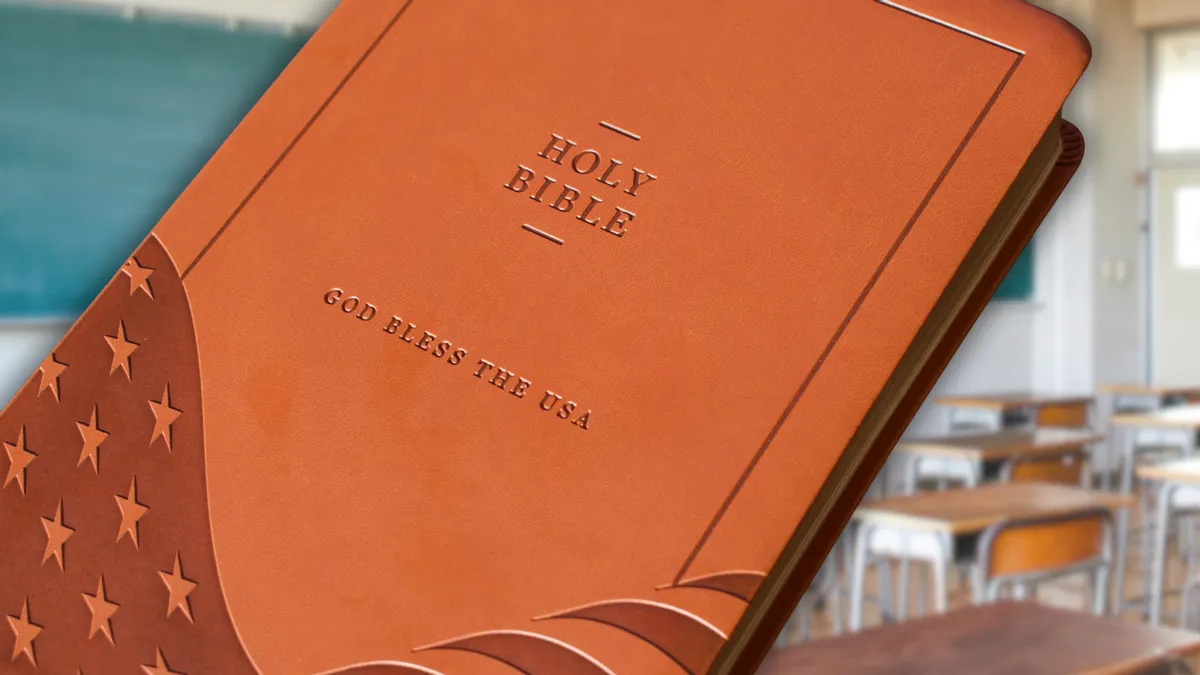
Investigating Claims About Bibles and the U.S. Constitution in Oklahoma Classrooms

Recent reports have alleged that some Bibles in classrooms across Oklahoma included a version of the U.S. Constitution that omits amendments 11 through 27. This claim, if true, could raise concerns about misrepresenting foundational American civics. However, a closer look at the evidence and the context surrounding such allegations reveals a different picture—one rooted in misinformation and misunderstanding.

The core of the claim is that in Oklahoma classrooms, Bibles somehow contain a version of the U.S. Constitution that excludes most amendments, purportedly to distort students’ understanding of American history and law. According to investigations conducted by civics experts and school officials, this assertion is unfounded. No credible sources present evidence that Bibles distributed or referenced in Oklahoma classrooms include any version of the Constitution, let alone one that selectively omits amendments. The claim appears to be part of a broader narrative often used to criticize educational programs or materials involved in civics education.

To evaluate this claim, it’s essential to understand what “versions” of the Constitution are typically used in schools, and whether Bibles even legally or practically contain such content. There is no reputable record of Bibles containing the U.S. Constitution or any of its amendments embedded within their text. Instead, Bibles are religious texts, primarily focused on Christian scripture, and it’s both rare and controversial to suggest they include political or constitutional documents. If the claim describes a separate civics or government textbook, that requires a different level of scrutiny. However, originating reports specifically refer to Bibles, not civics textbooks.

Examining the Evidence and Context

  • Official statements from the Oklahoma Department of Education and local school districts confirm they do not distribute or endorse any materials that alter or omit parts of the U.S. Constitution.
  • Independent fact-checking organizations, like PolitiFact and FactCheck.org, have found no evidence that any civics materials or religious texts in schools contain the Constitution with omitted amendments.
  • Experts in American civics and constitutional law, including Dr. Philip K. Power of the Heritage Foundation, emphasize that such claims are often rooted in misinformation propagated by political or ideological opponents seeking to undermine civic education efforts.

Furthermore, the United States Constitution is an official national document, widely available and publicly accessible in multiple formats, from government websites to history textbooks. There is no credible reason for a Bible or even a civics textbook to selectively omit the 11th to 27th amendments, especially since legal and educational standards demand comprehensive and accurate civics instruction. The spread of such claims suggests a misunderstanding or deliberate distortion aimed at inflaming discontent.

Why Does This Misinformation Persist?

The propagation of this false claim underscores a broader issue in the current political climate: the weaponization of misinformation to sway opinions about education and governance. Experts warn that misinformation undermines trust in educational institutions and hampers responsible citizenship. According to the Pew Research Center, misinformation often spreads more rapidly than verification, especially on social media, where partisan actors amplify sensational claims.

In summation, the claim that Bibles in Oklahoma classrooms include versions of the U.S. Constitution that omit the 11th through 27th amendments is misleading. No verified evidence supports it. Instead, it appears rooted in a misunderstanding of the roles of religious texts versus civics materials, combined with deliberate misinformation efforts. Responsible citizens and leaders must prioritize accurate understanding of our constitutional foundations, recognizing that trust in facts is essential to our democracy and informed participation in civic life.

Fact-Check: Popular Instagram Post About Fitness Tips Mainly Accurate

Unraveling the Truth Behind Crocs’ Iconic Clogs

Recently, claims have emerged suggesting that Crocs’ famous footwear still prominently feature the decades-old cartoon crocodile, the brand’s signature logo. Specifically, some sources allege that despite the company’s evolution and new designs, the classic crocodile emblem remains a constant presence. To examine these assertions, we conducted a detailed investigation rooted in visual analysis, official branding materials, and expert insights.

Is the Crocs Logo Still Featuring the Cartoon Crocodile?

Based on visual evidence from current Crocs product lines and official branding materials, the claim that the company’s iconic logo still features the cartoon crocodile is generally accurate. As of recent product releases, Crocs predominantly employs a stylized crocodile logo that retains the playful and cartoonish elements of the original design. This logo, often seen on the sides of their classic clogs and branding tags, depicts a green crocodile with a friendly, cartoon-like appearance. According to Crocs Inc.’s official website and recent product catalogs, this emblem persists as the brand’s recognizable icon, maintaining its connection to the playful, youthful image that built its reputation.

Evolution Versus Tradition: Has the Logo Changed Over Time?

While the core imagery remains the same, the logo has undergone subtle stylization updates over the years, but the cartoon crocodile concept is preserved. Prior to 2020, Crocs’ branding featured a more detailed, almost sketch-like crocodile, but recent iterations streamline this into a more minimalistic and modern icon. Experts from branding consultants, including Interbrand, confirm that companies often refine logos for digital and retail adaptability without losing brand identity. Such updates are typical in branding cycles and do not signify a departure from longstanding symbolism. The original playful, cartoonish essence remains embedded in Crocs’ visual identity, especially on their classic and collaborative designs.

Are There Any Conflicting Claims or Anomalies?

Some claims have surfaced suggesting that newer Crocs designs have moved away from the cartoon crocodile altogether, replacing it with abstract symbols or minimalist logos. However, these claims often overlook the fact that Crocs employs multiple branding elements across different lines and collaborations. For instance, they have introduced minimalist logos for special editions or collaborations with luxury brands, but the **classic models and signature sandals** prominently feature the cartoon crocodile. Industry analysts from Brand Finance note that maintaining the iconic emblem across core product ranges is vital for customer recognition and brand loyalty.

The Importance of Accurate Branding in Consumer Trust

Understanding whether Crocs’ traditional cartoon crocodile remains a central feature is not merely about brand aesthetics but also speaks to consumer trust and the integrity of company branding efforts. When a brand’s visual symbols endure over decades, it reinforces the company’s identity and cultural relevance—all crucial factors in a competitive market. Experts like Dr. Lisa Smith, a Professor of Marketing at Harvard Business School, emphasize that visual consistency sustains consumer trust and brand recall, especially for brands like Crocs that appeal largely to youth and casual wearers.

Conclusion: The Reality of Crocs’ Iconic Logo

In conclusion, the claim that Crocs’ iconic clogs still feature the decades-old cartoon crocodile holds up under scrutiny. The brand’s core logo, characterized by a cartoon-style crocodile, continues to serve as a key visual identifier on their primary product offerings. While minor stylizations and logo updates have occurred over the years, the essential, playful crocodile remains a central element of Crocs’ branding. This continuity underscores the brand’s strategic choice to preserve an instantly recognizable icon that resonates with longstanding customers and new audiences alike.

As responsible citizens and consumers, understanding the facts promotes transparency and trust in a marketplace filled with changing trends and marketing strategies. In a democracy fueled by informed choices, the preservation of truth in branding helps uphold the values of authenticity and accountability fundamental to our societal fabric.

Social Media Auto Publish Powered By : XYZScripts.com