Matox News

Truth Over Trends, always!

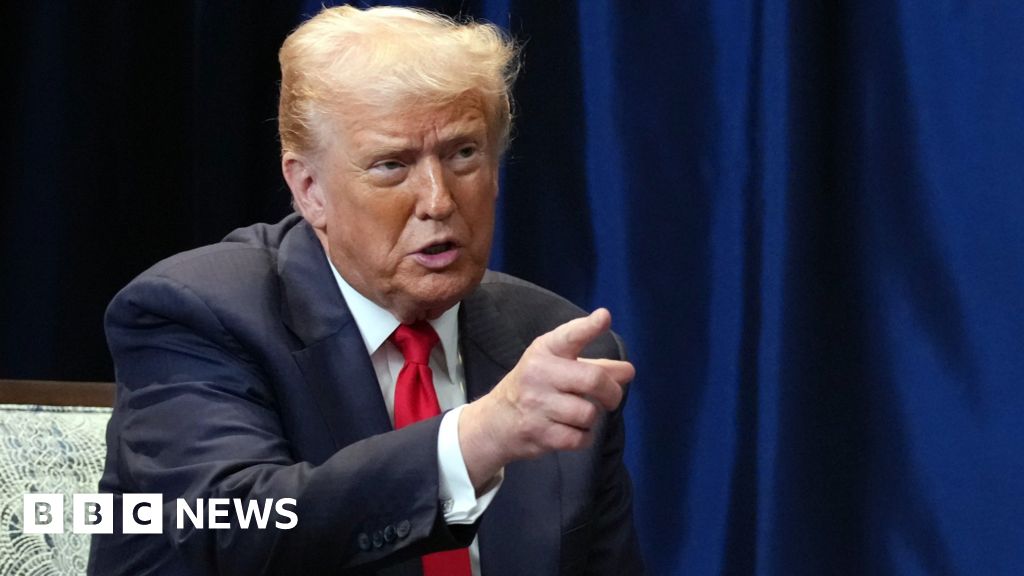
Trump Warns Iran: Accept Deal or Prepare for New U.S. Strikes in Escalating Tensions

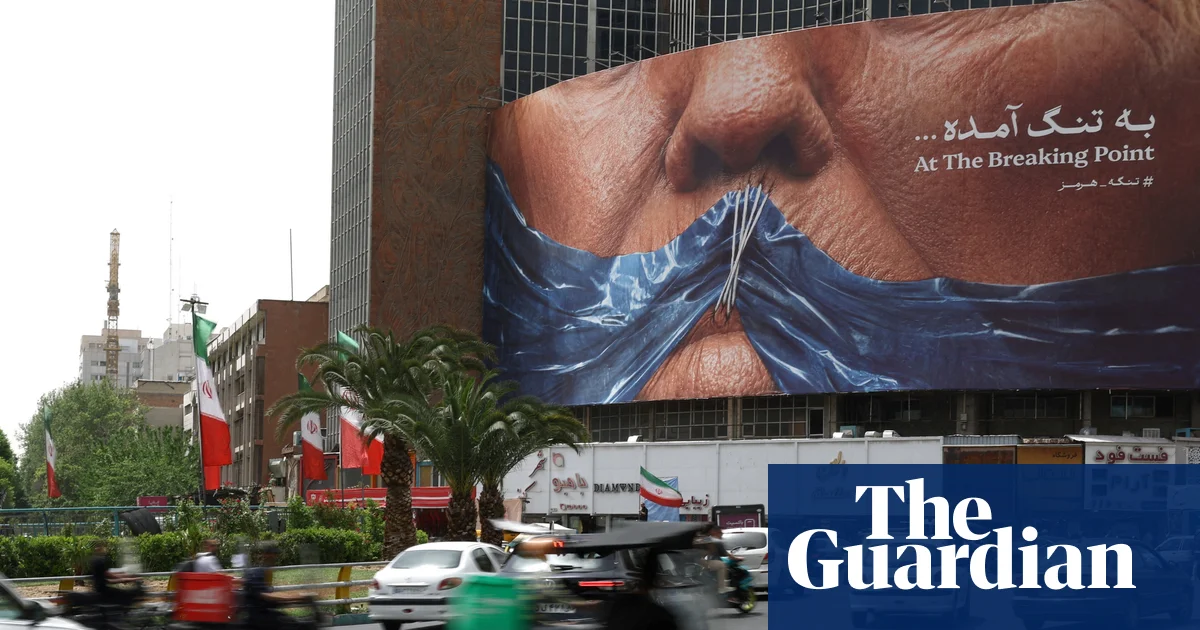
Amid mounting tensions and fragile negotiations in the Middle East, President Donald Trump has issued a stark ultimatum to Iran: accept a proposed peace deal or face a dramatic escalation in U.S. military action. In a recent social media statement, Trump warned that **if Tehran refuses** to comply with Washington’s conditions, the U.S. will initiate a wave of bombing “at a much higher level and intensity than it was before.” This rhetoric signals a volatile crossroads in the ongoing confrontation rooted in decades of geopolitical rivalry, with America asserting and reasserting its dominance, while Iran maintains its defiant stance against what it perceives as aggressive encirclement and economic strangulation.

Negotiations in the Crossfire of War and Diplomacy

Unconfirmed reports suggest that extensive negotiations between Tehran and Washington may be on the verge of a breakthrough, with some officials indicating a tentative agreement on a *one-page memorandum* aimed at ending the war. Yet, the prospects remain uncertain. Analysts and diplomats from the region highlight that trust deficits and external influences—especially China’s role—continue to complicate the diplomatic process.

  • Washington appears eager to claim victory ahead of key diplomatic visits, particularly Trump’s upcoming trip to Beijing.
  • Portrayed as an opportunity, the proposed framework could involve a temporary ceasefire, possibly lasting 60 days, to facilitate substantive dialogue on Qatar’s nuclear ambitions and regional stability.

However, the hardline rhetoric from Tehran’s senior negotiator, Mohammad Bagher Ghalibaf, accuses Washington of attempting to “destroy” Iran through economic blockade, naval threats, and media manipulation. Such language underscores the depth of mistrust and the complex web of interests that continue to threaten any fragile peace.

Strategic Dynamics and the Oil Waterway

Adding to the geopolitical firestorm, the *strut of the Strait of Hormuz* has become a pivotal flashpoint. Earlier in the week, Trump ordered a pause to the naval convoy, dubbed “Project Freedom,” which had been attempting to safeguard shipping lanes and ensure the flow of roughly 20,000 ships annually through what is arguably the world’s most vital maritime chokepoint. Despite this, Iran has threatened to deploy mines, drones, and missile strikes should Washington attempt another blockade, risking a major escalation in the region’s already volatile environment. The potential shutdown of the strait—a lifeline for global oil supplies—could ignite fuel prices worldwide and send markets into chaos, illustrating how intertwined regional conflicts are with global economies.

Among international observers, China emerges as a critical player with its historical ties to Tehran. While Beijing advocates for a *comprehensive ceasefire*, skepticism remains about its capacity to influence Iran’s radical regime—yet many analysts see China’s “role as a guarantor” as perhaps a key to lasting peace. Meanwhile, Pakistan and regional intermediaries are striving to broker a *temporary relaxation of hostilities*, emphasizing the importance of trust-building measures amid ongoing negotiations. As Turkey and other regional actors watch closely, the U.S. seeks to leverage these dynamics to pressure Iran into acceptance, while avoiding full-scale war that could destabilize the entire Middle Eastern balance of power.

The Stakes and the Future of History

With oil prices soaring earlier this week and the specter of renewed conflict looming large, domestic and international pressures converge on Trump. His diplomatic dance—balancing aggressive posturing with the hope of a negotiated settlement—reflects a broader strategy that seeks not just regional stability but also to cement his legacy ahead of the upcoming U.S. congressional elections. Yet, the core questions remain: Will Tehran capitulate to U.S. demands, or will this crisis spiral into an unpredictable chapter of open conflict? As the world holds its breath, history continues to write itself in the flames of diplomatic negotiations and military posturing, with each new move echoing far beyond the sands of the Middle East. The ultimate outcome—whether peace or chaos—stands as a stark testament to the fragile architecture of power in the 21st century, where the lines of diplomacy blur with the shadows of war, and the weight of history presses heavily on the unfolding future.
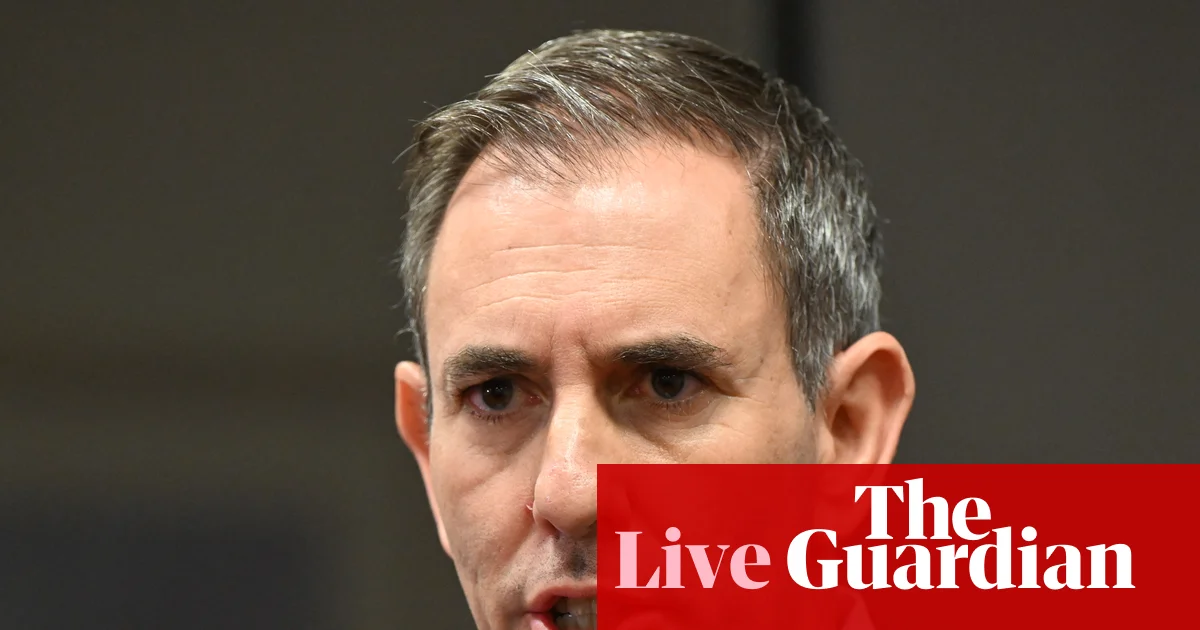
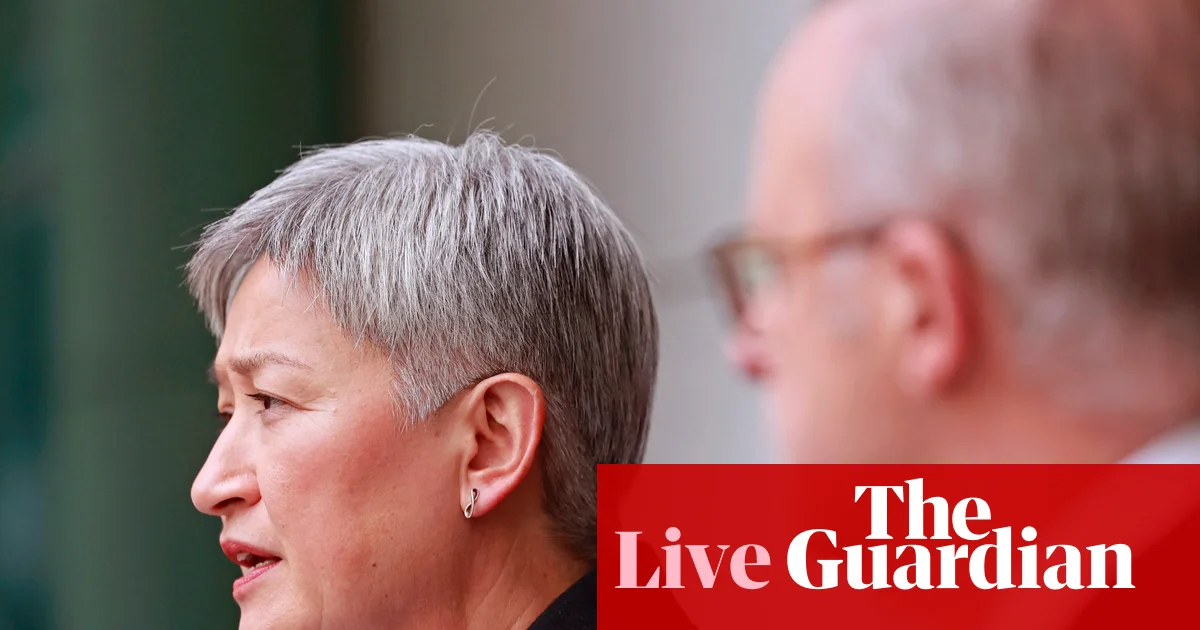
Australia News Live: Chalmers vows to cut debt; Bondi shooting families prepare to speak at royal commission

Global Geopolitical Shifts: Australia’s Budget and International Tensions

As the world witnesses a flurry of geopolitical developments, Australia finds itself navigating a complex landscape of international diplomacy, economic recalibration, and internal social challenges. The Australian government, under the stewardship of Prime Minister Anthony Albanese, is making headlines with its commitment to responsible fiscal management amid a turbulent global economy. Jim Chalmers, the Treasurer, asserts that the upcoming budget will be the most restrained in recent memory, emphasizing an approach that prioritizes debt reduction over expansive spending. This fiscal stance coincides with ongoing diplomatic efforts to maintain stability in critical regions, notably the Strait of Hormuz, a vital corridor for global energy supplies. Australia’s engagement with international partners underscores its strategic awareness of how decisions made today will ripple across future geopolitical landscapes.

In tandem with fiscal restraint, Australia is actively participating in diplomatic dialogues concerning regional security. Tensions surrounding the Strait of Hormuz, where US-led efforts to escort ships amidst escalating Iran conflicts unfold, have caught the attention of Prime Minister Anthony Albanese. According to Australia’s Foreign Minister Penny Wong, the nation is engaged with the United Kingdom, France, and the United States in negotiations aimed at ensuring the strait’s open passage—an essential element for global energy markets. This diplomatic tug-of-war highlights how decisions in one region can cascade into global economic repercussions — influencing oil prices, inflation, and even the cost of living for ordinary citizens worldwide. Historical analysts warn that such conflicts over strategic choke points could ignite broader confrontations, especially as major powers prioritize their geopolitical interests. The stakes are high, and the unfolding efforts to keep the waterways open reflect a broader international struggle for influence and stability.

Meanwhile, in domestic spheres, Australia is confronting social challenges that threaten to fracture societal cohesion. The royal commission into *antisemitism* has commenced public hearings, spotlighting the troubling rise of discrimination and the impact it has on Jewish Australians. Families of victims, such as the relatives of Reuven Morrison, have expressed outrage over the delayed condemnation of *terrorist* acts and the broader issue of Israel’s blockade on Gaza. These internal conflicts reveal how ideological and humanitarian disputes can influence international perceptions and diplomatic relations. Historians suggest that how Australia manages these domestic issues will significantly influence its standing on the world stage, affecting diplomatic leverage and its commitment to social justice.

Adding to the international web of tensions, Sanae Takaichi, Japan’s newly elected Prime Minister, arrived in Canberra on a historic visit to bolster energy and defense partnerships. As the first Japanese leader to visit Australia since 2022, her trip commemorates the 50th anniversary of the *Nara Treaty*—a key agreement that formalized diplomatic relations amid the 1973 oil crisis. Her visit occurs against the backdrop of ongoing Middle East conflicts, specifically the US-led war on Iran, which has exacerbated energy supply concerns across the Indo-Pacific. Analysts argue that this renewed diplomatic engagement between Australia and Japan is a strategic maneuver to counterbalance rising regional threats, especially from China and North Korea. How these alliances evolve will shape an Indo-Pacific order increasingly dominated by great-power competition, where every move could tip the regional balance of power.

As history continues to unfold with each diplomatic handshake, economic policy, and societal debate, the global order hangs in a fragile equilibrium. Decisions made within the corridors of Canberra, Washington, and Tokyo will set precedents, influence alliances, and define the enduring contest for influence in the 21st century. The world watches closely, for in these pivotal moments, the course of history is being written—one summit, one budget, and one conflict at a time. The question remains: in the fog of power and ideology, which nations will forge a sustainable future, and which will be swept away by the tides of change?

Australia’s ABC journalists prepare to strike over pay and AI concerns

In a significant development on the global media landscape, staff at the Australian Broadcasting Corporation (ABC) have announced their intention to strike for the first time in two decades. This unprecedented move underscores mounting tensions between media workers and government authorities amid a broader context of economic pressures, political influences, and shifts in public trust toward state-funded institutions. The strike, scheduled to commence in the coming weeks, is expected to resonate far beyond Australia’s borders, highlighting growing conflicts over media independence and the role of public broadcasting in the 21st century.

The decision to strike marks a pivotal moment in the ongoing debate between journalists, media personnel, and the Australian government over issues including funding, editorial independence, and working conditions. According to union representatives, the strike is driven by frustrations over recent government austerity measures that threaten to undermine the integrity and sustainability of the ABC. These measures, critics argue, erode the very principles of transparency and accountability that public broadcasters traditionally uphold. International observers and media analysts note that as public broadcasters worldwide face pressures from political and economic forces, such strikes become symbolic battles for the preservation of independent journalism—an essential pillar of democratic societies.

Global institutions such as the International Federation of Journalists and Reporters Without Borders have voiced support for Australia’s ABC employees, warning that compromising editorial independence weakens democratic accountability and fosters misinformation. Historians specializing in media studies point to this strike as a potential turning point, emblematic of growing global discontent over government interference in media. Australia’s political climate, marked by debates over national identity and sovereignty, is seen by analysts as reflecting wider geo-strategic concerns, especially as China and the United States intensify their influence in the Asia-Pacific region. Decisions made now could alter the balance of information dissemination, impacting how societies engage with truth and authority.

The broader geopolitical impact extends to how nations prioritize public service media in the face of rising misinformation and propaganda. Governments worldwide are reevaluating their roles amid digital disinformation campaigns; some are seeking tighter control, while others, like Australia, are contending with internal demands for independence. Experts warn that if such internal conflicts escalate to prolonged disruptions, they could weaken the capacity of countries to maintain a balanced and truthful public discourse. The ABC strike, therefore, is not merely a domestic labor dispute but a reflection of the global struggle for media sovereignty, truth, and the sovereignty of information systems that shape societal narratives.

As the strike looms, history may judge this moment as a critical juncture—where the fight to safeguard media independence in Australia echoes on a global scale. It leaves society confronting an urgent question: in an age of growing geopolitics and digital battles, which side will emerge victorious—the forces seeking to control the narrative or the defenders of free and independent journalism? The outcome remains uncertain, but one truth is undeniable: the decisions made today will determine the course of history, shaping the very fabric of societies and the flow of information for generations to come.

Australia’s Security Chiefs Prepare as US and Israel Target Iran

Global Tensions Erupt as United States and Israel Launch Strikes on Iran: A New Phase in Middle East Conflict

The international landscape has undergone a dramatic shift overnight as U.S. and Israel forces initiated what many are calling a “new illegal bombing campaign” against Iran. This escalation marks a pivotal moment in the ongoing saga of Middle East instability, with global implications reverberating across geopolitical fabric. The decision, condemned sharply by world analysts, underscores a renewed commitment by the western alliance to counter Iran’s ballistic missile and nuclear programs—an effort that many critics argue risks spiraling into a full-scale regional conflagration.

This surge in hostilities follows mounting concern over Iran’s “destabilising force,” as Australian Prime Minister Anthony Albanese recently characterized the regime, citing concerns about its support for armed proxies, acts of internal repression, and foreign aggression. Australia, echoing the sentiments of several allies, declared its support for U.S. and Israeli actions aimed at curbing Iran’s nuclear ambitions. The move is rooted in a broader international effort spearheaded by organizations like the United Nations to maintain global peace, but it also raises serious questions about the potential consequences of escalation.

Historically, analysts such as Middle East political experts warn that interventions resembling the overnight strikes have demonstrated a troubling tendency to escalate existing conflicts. “This is not just a tactical military move, but a turning point that could reshape the entire region,” comments Dr. Samuel Levine, a geopolitical analyst at the London Institute for Strategic Studies. The attack, which reportedly resulted in the death of at least sixty children due to strikes on Southern Iran, serves as a stark reminder of the human cost inherent in such conflicts. Iran’s regime responded with defiance, claiming the strikes threaten international stability while risking severe repercussions for their own population.

How International Decisions Shape Societies and Power Dynamics

The geopolitical impact of these recent actions extends far beyond the immediate violence. Countries aligned with the West are now navigating a treacherous path of diplomatic and military posture, with some European nations voicing concern about civilian casualties and potential regional collapse. The United States and Israel portray these strikes as necessary for global security, but critics argue that such unilateral military actions betray the principles of international law and risk unleashing chaos. The UN Security Council faces mounting pressure to respond, though its effectiveness remains uncertain amidst vetoes and geopolitical rivalries.

In Australia, the government’s principled stance aligns with historic allies’ push for a tough approach; yet, it also underscores the increasingly complex reality of a multipolar world where regional and global powers clash. Many international observers, including seasoned diplomats and analysts, warn that these decisions could ultimately empower more aggressive factions within Iran or ignite wider regional conflicts, dragging in other powers and increasing the threat of nuclear proliferation. The specter of civilian suffering, especially among innocent children, looms large, prompting urgent calls from human rights organizations for restraint instead of escalation.

Concluding Reflections: A Turning Point or a Pandora’s Box?

As the dust settles on this night of military action, the future remains uncertain. Will this marked escalation lead to a decisive turning point in bringing stability or merely open a Pandora’s box of violence and chaos? Historians like Prof. Michael Carter warn that peace is often sacrificed at the altar of intervention, with unintended consequences lurking behind every strategic move. The world stands at a crossroads — with each decision echoing through history’s vast corridor, shaping the narratives of future generations. The unfolding chapter in the Iran conflict leaves humanity vulnerable and vigilant, a stark reminder that the question of peace is often a battle fought as much in the minds and hearts of nations as on the battlefield.

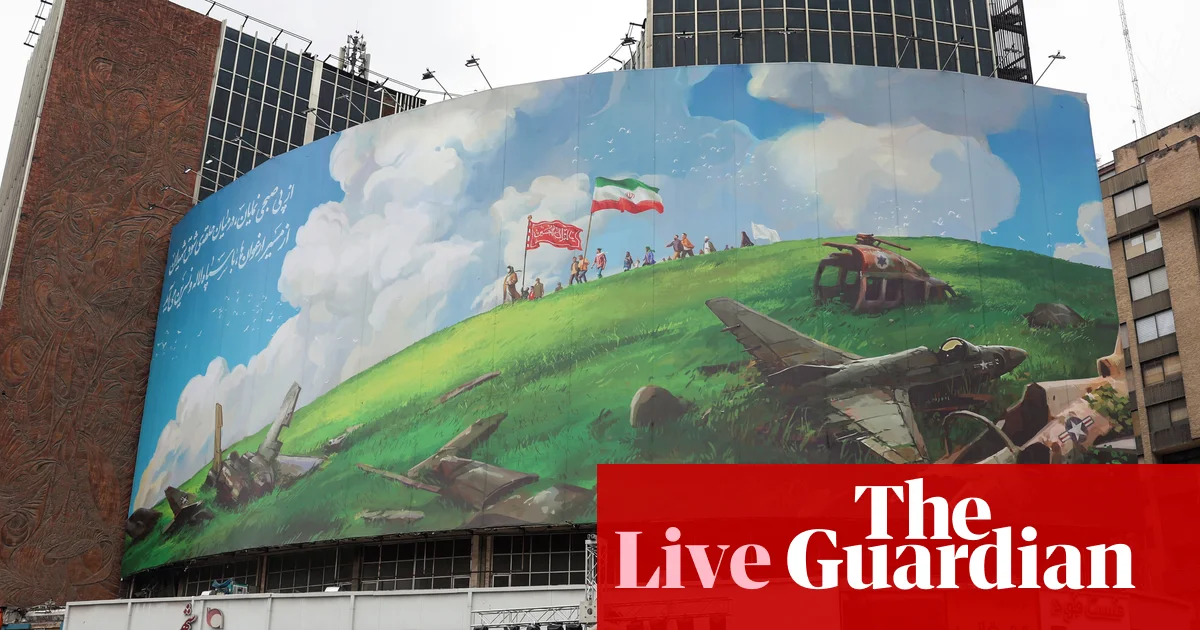
US and Iran Prepare for Nuclear Talks in Oman as Trump Warns of Military Action — Live Updates | Iran

Geopolitical Tensions Escalate as Iran and United States Face Off Ahead of Critical Negotiations in Oman

Amidst a backdrop of simmering regional conflict and shifting alliances, the upcoming U.S.-Iran nuclear negotiations in Oman are poised to be a decisive moment in the ongoing struggle for influence and security in the Middle East. High-stakes diplomacy is unfolding against a tense landscape marked by military posturing and deep mistrust. As Iran enters the talks with a firm stance, US military movements in the region continue to underscore the volatility of this diplomatic push for stability. The international community, including analysts from institutions such as The International Institute for Strategic Studies, is watching with bated breath, recognizing that the outcomes could shape the global picture for years to come.

Recent days have seen a noteworthy escalation of military activity, with the deployment of a formidable US naval task force including an aircraft carrier strike group near Iran. This build-up is widely interpreted as a warning of possible military intervention, a reality that Tehran appears to be well-aware of. The Iranian foreign minister Abbas Araghchi, speaking from Istanbul, reaffirmed Iran’s determination, stating, “We engage in good faith and stand firm on our rights.” He emphasized that durable agreements rely on respect and mutual commitments—principles that Tehran perceives as being frequently violated by inconsistent US policies. The juxtaposition of Iran’s diplomatic rhetoric with its unwavering maximalist position underscores the geopolitical game at play—where each side is testing the other’s resolve in a high-stakes negotiation that could either steer the region toward stability or plunge it into further chaos.

Adding to the uncertainty and volatility, recent incidents in international waters have only intensified tensions. The US military claimed to have shot down an Iranian drone approaching the USS Abraham Lincoln in the Arabian Sea, claiming it was an act of self-defense. Iran disputed this, asserting the drone was conducting surveillance in international waters. Meanwhile, US President Donald Trump has kept the rhetoric incendiary, asserting that the US “armada” in the region is larger than what was deployed to topple Venezuela. Trump’s comments reflect a calculated bluff—or perhaps a test of Iran’s willingness to escalate. As experts like Dr. Laura Jayes warn, such displays of military strength make it clear that the region remains on the brink, with a single misstep potentially igniting wider conflict.

Of particular concern is Iran’s unwavering position on limiting negotiations solely to nuclear issues, dismissing US demands to address its ballistic missile program and regional sponsorship of terrorist organizations. The US, led by Secretary of State Marco Rubio, insists on an all-encompassing approach, intensifying the risk of deadlock. Iran’s Foreign Minister Abbas Araghchi’s announcement that negotiations will proceed underscores an expectation that compromises are unlikely in the short term. As international diplomats deliberate, many analysts warn that the failure of these talks could result in a return to open hostility. Yet, with each side holding maximalist positions, the outcome remains shrouded in uncertainty, poised to define the geopolitical balance in the Middle East and beyond. It is a reminder that history often hinges on pivotal moments like this—a fragile, fleeting window in which peace could either be preserved or shattered, leaving a scar on the pages of history for generations to come.

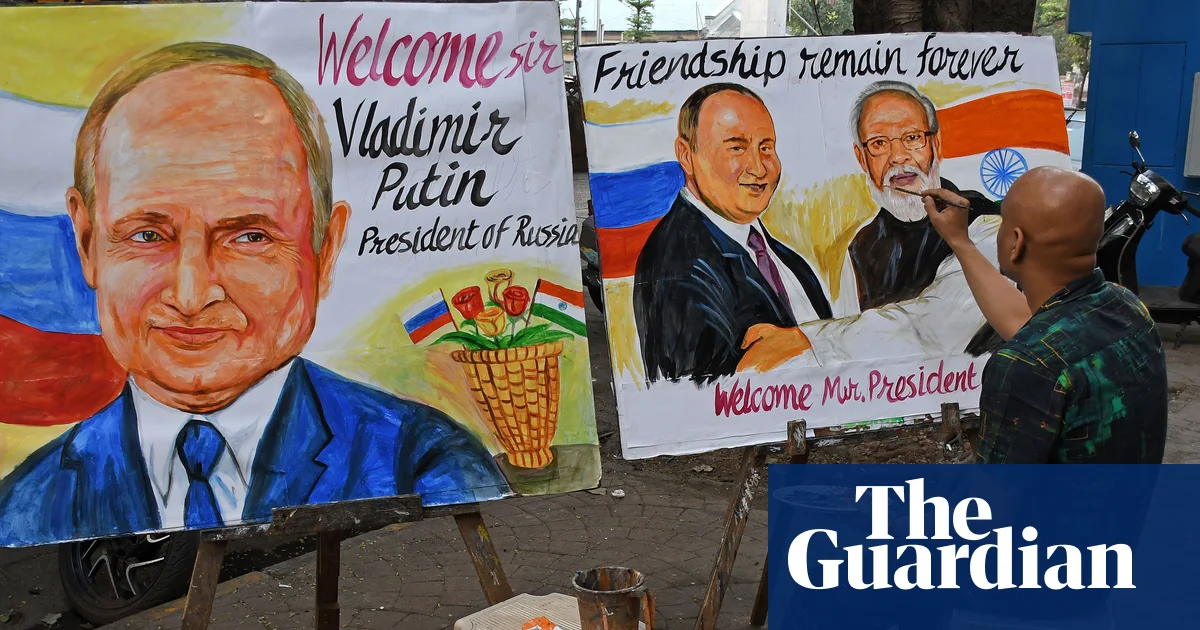
Putin and Modi Prepare to Meet Amid Rising Challenges for Russia and India

In a display of resilience and strategic recalibration, Vladimir Putin recently traveled to India, marking a significant moment in the ongoing reshaping of international alliances. This visit, occurring against the backdrop of an increasingly tense global scene, underscores the enduring importance of India’s relationship with Russia amidst escalating pressures from the United States and its allies. Just four years ago, Putin’s previous visit to India reflected a world still in relative balance, where Moscow maintained a perceived closeness to Delhi. However, subsequent years have seen dramatic shifts—culminating in Russia’s invasion of Ukraine, which transformed Putin into a pariah on the world stage and resulted in widespread sanctions, travel bans, and diplomatic isolation.

The importance of Putin’s current trip neither merely symbolic nor superficial: it is an emphatic message that Russia is carving out a path toward international normalization despite Western efforts to isolate it. According to analysts like Petr Topychkanov of the Stockholm International Peace Research Institute, the very fact that Putin is on the diplomatic trail signals a tangible shift—“Russia is no longer anxious about political isolation.”

For India, the stakes are different but equally vital. Navigating a complex geopolitical landscape marked by a semi-isolationist America, a weakened Russia, and an increasingly assertive China presents a delicate balancing act. As Aparna Pande of the Hudson Institute notes, New Delhi’s policy has shifted towards “hedging,” signaling to the world that, despite deeper ties with Moscow, India retains multiple options should the geopolitical winds shift. India’s strategic dependence on Russia for military hardware remains significant, yet it has also sought to diversify, reducing reliance from approximately 70% to below 40% in recent years—an effort to safeguard itself from external pressures, especially from China.

The geopolitical significance of the India–Russia relationship extends beyond mere trade, primarily rooted in security concerns. India’s historic reliance on Moscow’s defense industry, especially for advanced weaponry like the S-400 missile systems and Sukhoi jets, is balanced with a nuanced diplomatic approach that aims to avoid complete dependency. While upcoming talks between Putin and Modi are likely to focus on military supplies, they also illustrate a relationship defined by a core realism rooted in geographic necessity. As Pande remarks, the alliance is “based on pure realpolitik,” with India actively maneuvering to ensure that its strategic interests remain intact, even as Moscow deepens ties with Beijing.

The question of oil

Amid these strategic moves, the energy sector remains a crucial battleground. India has historically purchased large quantities of Russian oil—around 70% of its defense procurement from Moscow—yet recent Western sanctions seek to curtail those exchanges. As a response, India has begun importing more from the United States and the Middle East, aiming to reduce reliance on Russian energy supplies. Nevertheless, Putin’s spokesperson Dmitry Peskov has emphasized that despite obstacles, economic and energy cooperation will continue, asserting Moscow’s technological resilience in bypassing Western sanctions.

Within this shifting landscape, India’s diplomatic dance remains precarious. While it seeks to maintain its longstanding ties with Russia, it also recognizes the growing threat posed by China, making balancing relationships an existential priority. The very fabric of international relations is being rewritten, with each decision echoing through the corridors of power, impacting societies and the global order. As the world collectively wrestles with the consequences of war, sanctions, and diplomatic brinkmanship, history continues to unfold—its narrative uncertain, yet undeniably profound. In this complex chess game, the path forward remains clouded, and the true impact of Putin’s visit to India will be felt in the days—and perhaps decades—to come, as nations try to navigate the chaos of a redefining world.

Australia News Live: Aurora Lights Up Sky After Solar Storm, Liberals Prepare New Energy Plan

International Turmoil and Ecological Crises Reshape Global Power Landscape

In an era marked by aggressive geopolitical shifts, nations are increasingly using environmental policies — or the lack thereof — as a battleground for influence and control. Australia, often regarded as a microcosm of broader international struggles, has become a prime example. Recent reports reveal that over 130 organizations, including influential groups such as 350.org and Friends of the Earth Australia, are demanding their government reject proposed reforms to the nation’s nature laws. Critics argue these changes threaten to regress decades of environmental protection, effectively putting profits ahead of planetary health. The stakes are high: how each nation’s internal decisions over conservation, energy, and climate action can resonate globally, shaping alliances and hostilities in the ongoing geopolitical theater.

  • More than 100 grassroots groups signed an open letter urging the federal parliament to oppose the Albanese government’s legislation, alleging it would diminish community rights and environmental safeguards.
  • The legislation, championed under the guise of streamlining approvals and empowering state authorities, simultaneously weakens public participation. Critics warn this serves corporate interests and jeopardizes Australia’s biodiversity, which in turn impacts regional stability and international reputation.
  • Meanwhile, the Liberal Party is contemplating abandoning its net-zero emissions target, a move that signals a potential shift away from climate leadership. The party’s internal debate, with Dan Tehan and Sussan Ley at the forefront, underscores a broader global trend: major powers wavering on commitments made during the Paris Agreement era, risking international credibility.

From the perspective of historians and analysts like Professor Peter W. Singer, such internal political battles reflect a deeper struggle: the battle for global narrative dominance. Countries that fail to act decisively on climate may suffer diplomatic isolation and economic repercussions, especially as international organizations like the United Nations emphasize sustainable development goals (SDGs). This shifting landscape has the potential to redraw alliances, with resource-rich nations prioritizing raw materials for energy independence, even at the cost of planetary health. The decisions that commence within national legislative chambers now ripple outward, influencing societal stability and the geopolitical balance of power in ways often unseen but profoundly felt.

Meanwhile, on the environmental front, celestial phenomena such as the recent display of the aurora australis and the geomagnetic storms caused by solar activity serve as stark reminders of Earth’s fragile connection to cosmic forces. The spectacular light shows in Victoria and the Blue Mountains, visible due to a severe solar storm, underscore nature’s unpredictability—paradoxically highlighting the urgency for human responsibility. As space weather experts warn of increasing solar activity, the mounting evidence compels nations to prepare for environmental crises that transcend borders. Whether it be climate-induced disasters or space-borne threats, the narrative of humanity’s future is intertwined with understanding Earth’s place in an active universe—an awareness that must drive a responsible and united approach to planetary stewardship.

The Oncoming Era of Change

As the Australian internal debates spill into global consciousness, the broader question emerges: which nations will seize the opportunity to lead the charge in sustainable development, and which will retreat into outdated paradigms of exploitation? Historians warn that indecisiveness or capitulation to corporate interests today may result in the erosion of environmental rights, leaving future generations to face the consequences of short-term gains. Whether the global order leans towards an era of cooperation or descends into conflict over dwindling resources remains to be seen. Yet, the unfolding chapters of this story, written in leadership decisions and societal responses, suggest that humankind stands at a crossroads—where every policy, greater or smaller, could sway the course of history for decades to come.

In the shadow of celestial displays and nuclear debates, the weight of history persists—an unyielding reminder that Earth’s future depends on the actions we choose today. Humanity’s story remains unwritten, an ongoing odyssey dictated by the bravery or cowardice of those who hold the pen.

Trump urges military to prepare for 'action' over Nigeria Christian crisis claims
Trump urges military to prepare for ‘action’ over Nigeria Christian crisis claims

The recent escalation of tensions between Nigeria and the United States signals a new chapter in the ongoing struggle for religious and geopolitical dominance in West Africa. President Donald Trump has issued a provocative directive, instructing the US military to prepare for potential intervention amidst claims of religious persecution—specifically targeting Nigeria’s Christian population. Citing alleged atrocities, Trump labeled Nigeria as a “Country of Particular Concern”—a designation with significant sanctions implications—arguing that thousands have been killed in what he describes as a genocide against Christians. While these claims have been met with skepticism by many analysts, the move underscores a broader strategy to leverage religious conflicts as a tool for geopolitical influence, and highlights the US’s repositioning amid a shifting global landscape.

Much of the international community remains divided over the narrative of widespread persecution. Human rights organizations and regional experts assert that evidence does not support claims that Christians are targeted more than Muslims in Nigeria, which is approximately evenly divided between the two faiths. Groups monitoring violence report that both Muslim and Christian communities have suffered atrocities, often driven by complex local conflicts—including the long-standing insurgency of Boko Haram and the Islamic State West Africa Province (ISWAP). These militant groups have wrought havoc in northeastern Nigeria for over a decade, causing unparalleled human suffering. Yet, the global media and narrative promoted by Trump’s administration portray Nigeria’s crisis as primarily religious—a framing that risks oversimplifying a multifaceted conflict rooted in economic, ethnic, and political issues A

  • Trump’s executive actions have included labelling Nigeria as a security threat, intensifying international diplomatic tensions
  • US threats to cut aid if Nigeria does not protect Christians have alarmed regional leaders
  • Analysts warn that such interventionist rhetoric risks escalating violence rather than resolving internal strife

Meanwhile, Nigeria’s President Bola Tinubu has vigorously rejected the US’s characterization of Nigeria as a religiously intolerant nation, emphasizing instead that his government promotes religious tolerance. Speaking amid mounting international pressure, Tinubu’s administration insists that violent incidents are driven by regional conflicts affecting communities of all faiths. Historians and regional experts argue that the US’s focus on religious persecution offers a skewed perspective, neglecting the broader socio-economic factors fueling violence. International organizations like the United Nations and African Union have called for measured diplomacy, but the United States’s aggressive stance signifies a potential shift toward more interventionist policies—a move that could reconfigure alliances and power balances across the continent. As debate rages, the unfolding international response will likely influence Nigeria’s trajectory for years to come, with repercussions extending well beyond its borders.

In the shadows of this rising geopolitical tension, history looms—the intricate web of faith, power, and influence that has defined Nigeria’s recent past is now on the brink of transformation. As America’s rhetoric casts a long dark shadow over the continent’s future, the weight of history presses heavily on all nations involved. Will this be the moment when outside forces redraw Nigeria’s destiny, or will local resilience and diplomacy prevail? The pages of history continue to turn, with each chapter more critical than the last, leaving the international community to ponder whether true peace is within reach or forever beyond grasp amid the tumult of prophecy and power.

Upcoming Showdown: Local High School Teams Prepare for Intense Rivalry Game This Friday!

Mariners’ AL West Title Impacting Seahawks Schedule

The Seattle Mariners have officially clinched their first American League West title in over two decades, a momentous achievement that is not only a cause for celebration among fans but also a potential scheduling dilemma for their fellow Seattle sports team, the Seattle Seahawks. With the MLB postseason looming, the Mariners’ success could alter the kickoff times for at least one, and possibly two, Seahawks home games this season.

As the Mariners prepare for October baseball, their triumphant run has caught the attention of NFL fans and analysts alike. The team’s head coach, Scott Servais, expressed confidence in the squad’s performance, stating, “We’ve worked relentlessly for this moment, and we are ready for what lies ahead.” However, this excitement also brings logistical challenges, particularly concerning the events surrounding the upcoming Seahawks games.

  • The Mariners secured their AL West title in a dramatic style, further igniting the city’s sports fervor.
  • Potential scheduling conflicts with the Seahawks’ home games could occur if both teams reach advanced stages in their respective competitions.
  • Officials are actively exploring solutions that would accommodate both fan bases without compromising the integrity of either event.

Analysts are already predicting that changes might be necessary for the Seahawks’ home games against first-round playoff competitors, possibly requiring adjustments to kickoff times. Commentators are optimistic that this will only enrich the local atmosphere, suggesting that the convergence of two major sporting events could lead to a unified series of celebrations in Seattle.

In the end, while scheduling conflicts can be frustrating, the burgeoning rivalry of the Mariners and Seahawks demonstrates how sport transcends individual competitions. This season, as fan excitement builds and the stakes rise, it is clear that the spirit of victory extends far beyond the scoreboard – uniting a city as they rally behind their teams. In a time where sports often seem to divide rather than unite, Seattle’s dual success becomes a rallying cry, reminding everyone that camaraderie and joy can emerge from the most unexpected places.

Source link

Social Media Auto Publish Powered By : XYZScripts.com