Matox News

Truth Over Trends, always!

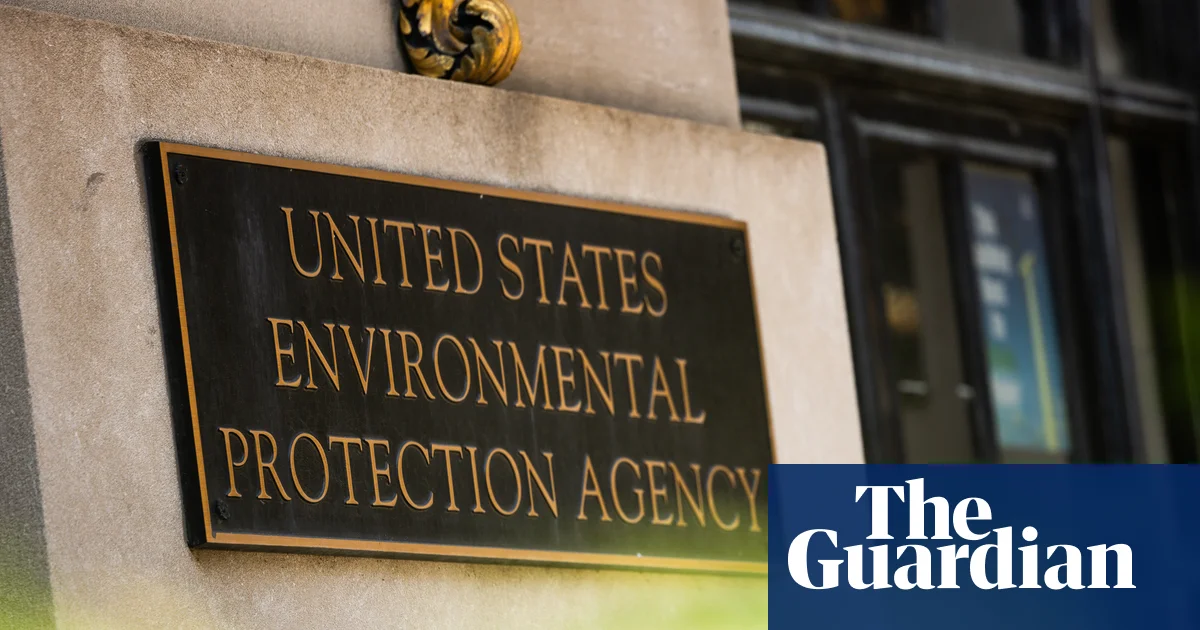
US Senate prepares to confirm industry insider to head EPA’s chemical safety efforts

In a move that signals America’s continued tilt towards industry dominance, the U.S. Senate is poised to approve the nomination of Douglas Troutman, a seasoned industry lobbyist, to lead the Environmental Protection Agency’s office of chemical safety. This appointment marks a critical juncture in American environmental policy, with potential repercussions reaching beyond national borders, as it consolidates industry influence within regulatory agencies. Troutman’s previous role as chief lobbyist for the American Cleaning Institute underscores the revolving door of industry interests shaping legislation at the expense of public health and environmental safety.

This appointment comes amid increasing concerns among health advocates and independent analysts who warn that the erosion of regulatory safeguards could undo years of progress in controlling toxic chemicals. Critics like Scott Faber from the Environmental Working Group paint a grim picture: “The lunatics are running the asylum, and industry is firmly in charge of chemical safety.” Faber and other experts argue that this shift favors deregulation at a perilous time, especially considering the legacy of loopholes exploited by industry giants after legislative rewrites of the Toxic Substances Control Act in 2016. Notably, the appointment signals a turning point where economic interests often overshadow the health and safety of consumers, workers, and vulnerable populations, potentially accelerating environmental degradation and public health crises.

Internationally, the geopolitical impact of this move extends beyond U.S. borders. The appointment indicates a broader shift towards trade and industry interests influencing not only domestic policy but also shaping America’s stance in global environmental negotiations. Several experts warn that the weakening of regulations on chemicals like PFAS, often called “forever chemicals,” could contribute to contaminating water supplies worldwide, especially as the U.S. remains a key player in international markets. The actions of agencies like the EPA serve as a bellwether for other nations, potentially emboldening regimes to relax their own chemical safety rules and undermining international treaties aimed at controlling hazardous substances.

Historian and policy analysts warn that history often repeats itself in these situations, cautioning that dismissing scientific expertise in favor of industry interests results in environmental disasters and societal harm. As global institutions like the United Nations and European Union grapple with regulating toxic chemicals, the U.S. appears poised to retreat from leadership in environmental stewardship. With public health and climate resilience hanging in the balance, the decisions made today will reverberate through generations. The weight of history presses down on policymakers and citizens alike—while the curtain rises on the next act of this unfolding drama, the world watches with bated breath, aware that the outcome could shape the course of civilization itself. The question remains: will the legacy be one of foresight and responsibility, or one of shortsighted greed that consigns future generations to a poisoned earth?

Virgin’s Bold New Flight: Boeing 747 Prepares to Launch Rockets into Space

In recent years, space exploration has shifted from the realm of government-initiated missions to becoming an accessible frontier for innovative private companies. The United Kingdom, historically not a major player in space endeavors, is now making notable strides with the development of its first orbital spaceport at Newquay. This evolving landscape signals a day when space launches are not solely conducted from remote, government-controlled sites but can happen closer to home, transforming our perspective on leisure, economic growth, and personal impact.

Central to this movement is Virgin Orbit, a company founded by Sir Richard Branson, which has pioneered the use of modified aircraft—most notably its aircraft Cosmic Girl—to launch small satellites into orbit. Reimagining the traditional ground-based launch system, Virgin Orbit employs a unique horizontal launch method, where the 747 aircraft carries the rocket to high altitude before release. This approach broadens the potential orbits and access points, offering a more flexible and cost-effective path into space. For young people inspired by the stars and technology, this sequence represents a monumental shift: space is now within reach, not just for scientists and astronauts but for entrepreneurs and everyday explorers alike.

Witnessing this revolution firsthand, locals near Newquay have had the chance to watch the spectacle of Cosmic Girl take off and return, marking a milestone for European space endeavors. As Virgin Orbit prepares to launch its first UK mission next month, the event stands as the first international launch from Europe in decades. The mission involves launching seven satellites, compact payloads that will orbit Earth, facilitating everything from weather monitoring to global communications. This development elevates the UK’s position in the future of global connectivity and _technology-driven innovation_, inspiring a new generation of engineers, scientists, and entrepreneurs to think beyond terrestrial limits.

Moreover, the infrastructural and technological groundwork laid at Spaceport Cornwall demonstrates that the future of space exploration is shaping right here on Earth, in vibrant communities eager to participate in the @newspace. Virgin Orbit’s recent rehearsal flights and ground operations showcase how public-private partnerships are revolutionizing access to space, making it more than just science fiction. Looking ahead, Virgin Orbit has plans to extend this horizontal launch model to countries such as Australia, Japan, Brazil, Poland, and the Republic of Korea. For the ambitious youth of today, this signals an expanding horizon—where borders become less relevant and innovative spirits define the new age of exploration and discovery.

As the journey into space accelerates, it’s vital to reflect on how these advancements impact personal health, leisure, and vision. Space technology fuels communications, weather forecasting, and even environmental monitoring—areas that directly influence our daily lives. For young explorers fueled by curiosity, the emerging space industry is not only about reaching new frontiers but also about learning how to shape a sustainable, connected future. The story of Cosmic Girl taking flight from Cornwall encapsulates this spirit—a testament to human ingenuity, resilience, and the unwavering desire to reach upward.

In the grand narrative of progress, the ongoing development of UK-based space launch capabilities invites each of us to embrace the possibilities. The narrative is no longer confined to distant stars or government agencies; it is happening here, in communities and workplaces, sparking a sense of pride and purpose. Like the seasoned pilot Matthew Stannard remarked, “It feels amazing to bring Cosmic Girl home to the UK”—a sentiment echoing across the industry. As we look to the sky, this evolving story reminds us that exploration is a personal journey—an adventure in innovation and hope, urging every young mind to dream beyond the horizon and realize that the future is waiting to be shaped by those brave enough to pursue it.

Social Media Auto Publish Powered By : XYZScripts.com



