Matox News

Truth Over Trends, always!

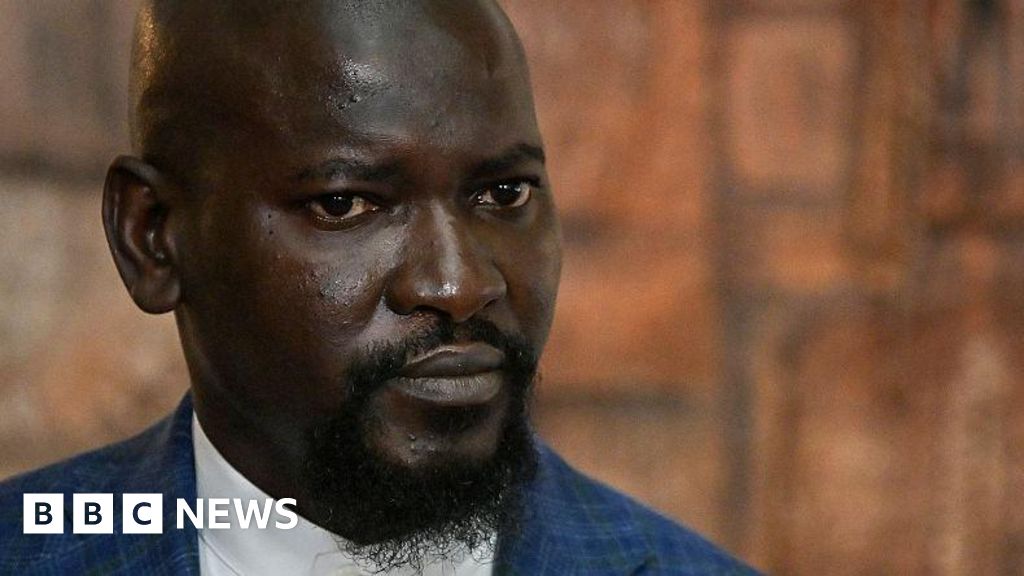
Coup chief Mamady Doumbouya officially Launches Bid for Guinea’s Presidency

In Guinea, a nation still reeling from recent upheavals, a pivotal moment is unfolding that could redefine the country’s future trajectory. The military commander Col Mamadi Doumbouya, who seized power in a coup four years ago, has shattered his earlier promise to facilitate a transition to civilian rule by announcing his candidacy for president. His submission at the Supreme Court, flanked by soldiers and cloaked in anonymity with sunglasses, raises profound questions about the political integrity of upcoming elections. This move not only signals a consolidation of military influence but also challenges longstanding international expectations for Guinea’s democratic processes.

Despite initial pledges to hand over power, Doumbouya’s decision to compete in December’s electoral contest underscores a pattern witnessed across parts of Africa where military regimes manipulate political systems amidst promising rhetoric. The exclusion of major opposition parties—such as RPG Arc en Ciel and UFDG—by electoral authorities further diminishes the legitimacy of these elections, fueling concerns from international watchdogs like the Economic Community of West African States (ECOWAS) and analysts who warn that these developments threaten regional stability. The situation exemplifies the rise of authoritarian tendencies under the guise of democratic transition, with critics emphasizing that Guinea’s political space is narrowing under the weight of authoritarian governance disguised as constitutional reform.

The electoral process itself has become a battleground for credibility, highlighted by a controversial deposit requirement of 875 million Guinean francs ($100,000), which many consider a barrier designed to limit political participation. While the previous deposit was nearly comparable, the increased financial threshold has sparked outrage among ordinary Guineans, who see it as an obstacle to genuine democratic contestation. Historically, African nations have wrestled with such manipulations—where economic hurdles serve as tools for entrenched elites to maintain power—yet the international community remains cautious in its response, wary of fueling instability. As historians and analysts observe, this election reflects a broader geopolitical trend: authoritarian strongmen cloaked in transactional democracy to insulate themselves from accountability and opposition.

Under Col Doumbouya‘s rule, Guinea has seen a crackdown on dissent—media outlets have been suspended, internet access restricted, and street protests violently suppressed. Such tactics evoke memories of how military regimes across Africa have often justified repression by citing the need to stabilize the nation and eradicate corruption, despite evidence to the contrary. Yet, the very justification used by Doumbouya—accusations of rampant corruption and human rights abuses under his predecessor—appears to be increasingly exploited as a pretext for consolidating power rather than as a genuine crusade for reform. The geopolitics of the region are sensitive, with neighboring powers and international organizations watching closely, wary of a possible slip into prolonged autocracy that could undermine regional security and economic stability.

As Guinea’s political theater prepares for this decisive chapter, history hangs in the balance, leaving the wider world to ponder: Will this election herald the dawn of renewed civilian governance, or will it serve as yet another chapter in Africa’s ongoing struggle with military entrenchment? The influence of veterans’ testimonies and regional diplomatic efforts emphasizes the necessity of vigilance, for in the shadows of this unfolding contest, the future of Guinea—and perhaps West Africa—may be decided not just by ballots, but by the enduring power of agreement, influence, and the weight of history-bearing decisions still to come.
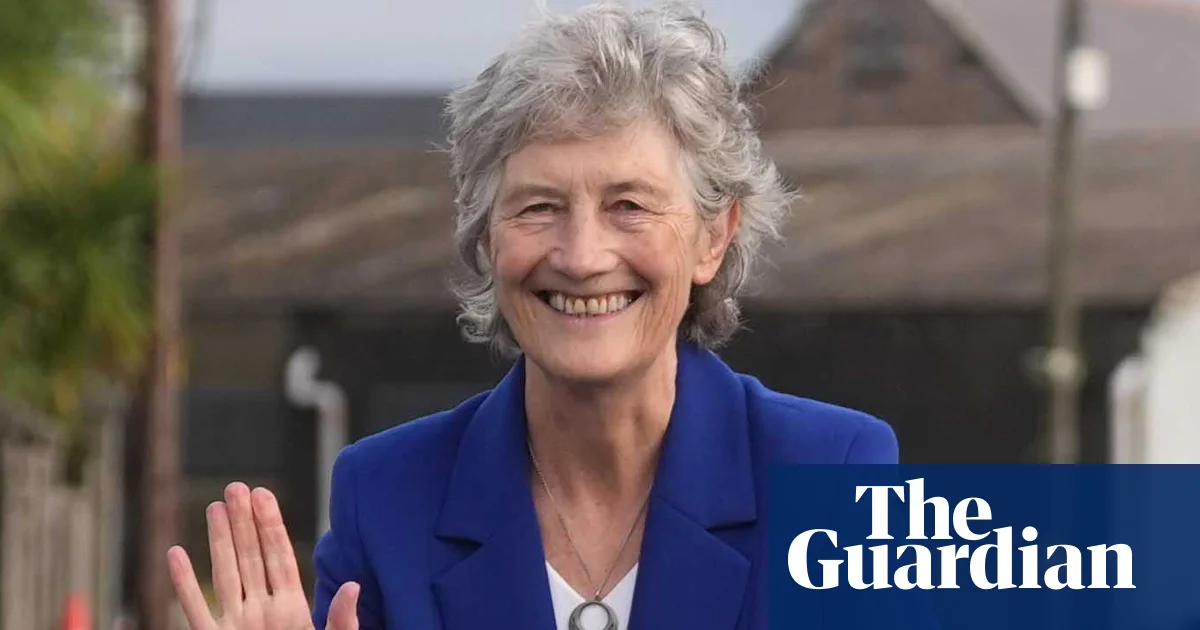
Young voters deliver big win as Catherine Connolly secures Ireland presidency

Ireland’s Political Landscape Shifts as Independent Candidate Catherine Connolly Wins Landslide Presidential Victory

In a landmark election that signifies a profound shift in Ireland’s political and social fabric, Catherine Connolly, an independent leftwing candidate and former barrister, has secured an outright majority in a landslide victory, winning over 63% of the first-preference votes. Her victory, declared at Dublin Castle amidst subdued voter turnout of 46%, encapsulates growing disenchantment with the traditional center-right parties—Fine Gael and Fianna Fáil—and underscores a population yearning for genuine change. Her campaign, bolstered by a rare united front of leftwing parties and resonant social media activism, challenges the long-standing status quo, urging Ireland to reassess its values and international stance. With her election, Ireland’s presidency enters a new era—one that, despite the largely ceremonial role, symbolizes a significant indicator of societal momentum towards progressive reform.

While the office of the president in Ireland remains largely symbolic, Connolly’s victory carries critical geopolitical implications. She promises to uphold Irish neutrality, distancing herself from what she labels as western “militarism,” and has openly criticized the involvement of the UK and US in contentious issues such as the Gaza conflict. Her stance aligns with a broader desire among many Irish citizens to forge an independent foreign policy—one less entangled with US-led military interventions and more focused on promoting peace and humanitarian values. International analysts and historians note that her assertion of sovereignty, combined with her vocal criticism of Western militarism, could influence Ireland’s diplomatic relationships, particularly with the United States and European Union members, fostering a more nuanced stance that prioritizes peace over military alliances.

The geopolitical impact extends beyond Ireland’s borders into regional stability, as Connolly’s positioning may inspire similar shifts among other smaller nations seeking to recalibrate their international engagements. Her advocacy for climate action and social justice resonates with a generation distrustful of entrenched politics and globalist agendas. As she embarks on her seven-year term, her potential to become a vocal moral voice on the international stage could reshape Ireland’s role within global institutions, emphasizing diplomacy and humanitarianism over alignment with hegemonic powers. Yet, some caution that her outspoken views, especially regarding the United States and European solidarity, could provoke friction, risking diplomatic isolation in an interconnected world already rife with tensions.

Driven by a wave of public frustration over the nation’s housing crisis and rising living costs, Connolly’s ascent is also a reflection of youth and urban discontent. Her campaign capitalized on social media platforms and cultural endorsements from artists such as Kneecap and the Mary Wallopers, capturing a narrative of hope and change that had previously been dismissed as marginal. Critics warn that her radical rhetoric and outspoken stance against established alliances might complicate Ireland’s diplomatic priorities, particularly in navigating its traditionally close relationship with the U.S. and European partners. Nevertheless, her victory signals a pivotal moment—where societal voices seeking justice, sovereignty, and peace take center stage, setting a course that history will continue to record and ponder. As the world watches Ireland’s evolving political story, it remains to be seen whether her presidency will mark the dawn of a new international chapter or become a cautionary tale of polarization’s toll on diplomacy. The pages of history, after all, are still being written, and Ireland’s next chapter is only beginning to unfold.

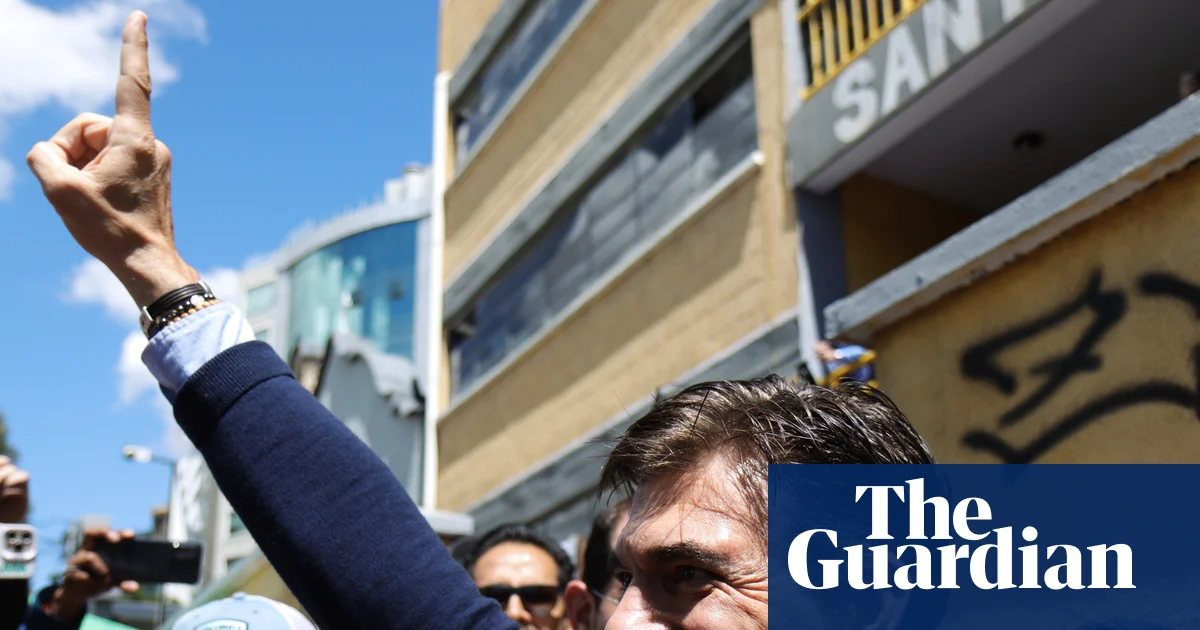
Rodrigo Paz Pereira’s Victory Signals Bold Rightward Shift in Bolivia’s Presidency

Bolivia’s Political Shift Signals Geopolitical Repercussions

In a historic turn of events, Bolivia has elected Rodrigo Paz Pereira, a centre-right senator, as its new president, signaling a significant departure from nearly two decades of socialist dominance under the Movimiento al Socialismo (MAS). With approximately 97% of ballots counted, Paz Pereira secured 54.6% of the vote, defeating Jorge “Tuto” Quiroga by a notable margin. This electoral outcome not only embodies a national desire for economic stabilization but also shifts the country’s geopolitical orientation, resonating across regional alliances. The victory underscores a widespread disillusionment with MAS’s socialist policies, which critics blame for Bolivia’s deepening economic crisis marked by inflation, fuel shortages, and retreating social cohesion.

Analysts emphasize that Paz Pereira’s election is more than just a change in leadership; it marks a redefinition of Bolivia’s geopolitical stance. Historically aligned with Evo Morales’ socialist movement, the country now appears poised for closer ties with conservative Western nations, potentially recalibrating regional power dynamics. International organizations like the Organization of American States (OAS) and European observers noted the election day passed without incident, affirming the process’s legitimacy. Still, global powers keenly watch how Paz Pereira’s government will navigate Bolivia’s deep-seated economic woes and the legacy of MAS, especially with the ongoing legal complications involving Morales, who is currently facing arrest warrants. The new administration faces the formidable challenge of stabilizing Bolivia—an economically fractured nation—and resetting its external partnerships on a more conservative trajectory.

With Paz Pereira’s victory, the landscape of Bolivia’s internal politics is fundamentally altered. The collapse of the MAS party—the once-dominant force holding two-thirds of Congress—highlights the profound shift in political loyalties. His campaign, which centered on “popular capitalism” and economic reforms aimed at small entrepreneurs, resonates with a populace desperate for stability amid systemic turmoil. This signals to regional neighbors and global allies that Bolivia’s political future may steer away from socialist ideals, embracing a more market-oriented approach. Historians and political analysts project that this transition could expedite Bolivia’s reintegration into international economic networks, favoring trade, investment, and infrastructure development—crucial for a country grappling with unemployment and informal employment that touches 80% of its workforce.

However, the road ahead remains treacherous. La Paz’s new government must grapple with a fractured Congress, limited legislative capacity, and the lingering shadow of Mazist influence. Paz Pereira’s alliance with his popular running mate, former police officer Edman Lara Montaño, symbolizes a pivot toward law and order, promising to stabilize prices, combat corruption, and promote legal reforms. Yet, this transition also intensifies the geopolitical significance of Bolivia’s internal conflicts, as international actors observe whether this new regime will honor commitments of free, fair governance or become another chapter in the region’s tumultuous history. The echoes of Morales’ tenure—marked by social upheaval, economic decline, and legal quagmires—will remain embedded in Bolivia’s national psyche. As leaders and citizens brace for what lies ahead, the weight of history presses down, revealing a nation at a crossroads—its future yet unwritten in the grand narrative of regional geopolitics. The unfolding story of Bolivia’s resurgence will invariably influence the delicate balance of power across South America, foreshadowing challenges and opportunities that could reverberate well beyond its borders.

Social Media Auto Publish Powered By : XYZScripts.com



