Matox News

Truth Over Trends, always!

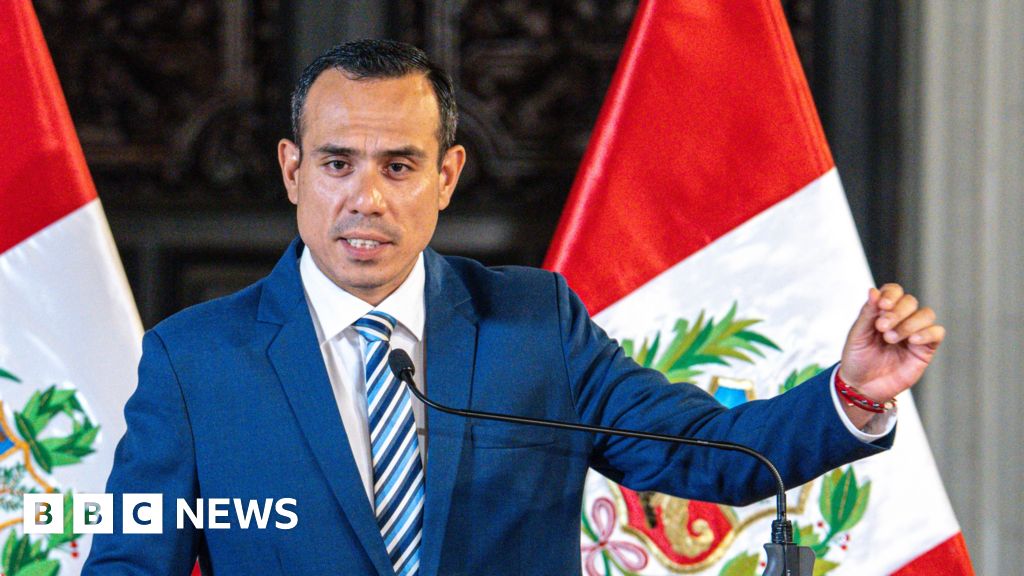
Peru's President Ousted After Just Four Months in Power
Peru’s President Ousted After Just Four Months in Power

In an unprecedented turn of events, Peru finds itself embroiled in a cycle of political upheaval that questions the stability of democratic institutions across Latin America. The recent ousting of José Jerí marks the third president to be removed from power in a span of just a few years, solidifying a disturbing trend that has seen the country’s leadership oscillate between legitimacy and crisis. Since 2016, seven presidents have been dismissed or resigned amid mounting protests, corruption allegations, and institutional crises. This alarming pattern reflects deeper issues within regional governance structures that threaten to destabilize entire nations, impacting millions who seek stability and economic progress.

That Jerí’s ousting is no isolated incident but part of a broader regional story is clear. As analysts note, the rapid succession of presidents—each facing mounting pressure from protests, judicial investigations, or political opposition—embodies a fragile democratic fabric. Experts warn that such persistent upheavals can erode public trust, weaken international relations, and foster conditions ripe for authoritarian backlashes. By studying these cycles, historians like Dr. Maria Lopez emphasize that Latin America remains vulnerable to the risks of political volatility, which often leads to increased social unrest and economic instability. Recognizing this, regional organizations such as the Organization of American States have called for adherence to democratic norms, yet the underlying systemic issues persist.

The geopolitical impact of such unrest extends beyond national borders, stirring regional and global concerns. Countries in the region may experience diminished foreign investment, increased migration, and strained diplomatic relations. The instability also provides fertile ground for external actors seeking to leverage chaos for strategic gains. For example, analysts point out that China and Russia are actively expanding influence in Latin America, capitalizing on moments of institutional weakness to bolster their presence. Meanwhile, the United States, traditionally a regional power, faces criticism for its inconsistent approach, often perceived as either supportive of authoritarian regimes or ineffectual in defending democratic norms.

Regional leaders and international bodies continue to grapple with the consequences of this ongoing crisis. Some advocate structural reforms, stronger rule-of-law measures, and greater civic engagement as a way forward. Yet, the persistent cycle of political upheaval suggests that more fundamental changes are required—not merely superficial fixes or shifts in leadership. As history unfolds, the question remains: will Latin America break free from this destructive cycle, or will it become a cautionary tale for nations worldwide? The stakes are high, as each new turn in the region’s tumultuous political landscape shapes the future of democracy and freedom in this vital part of the world, leaving a legacy that will echo for generations to come.
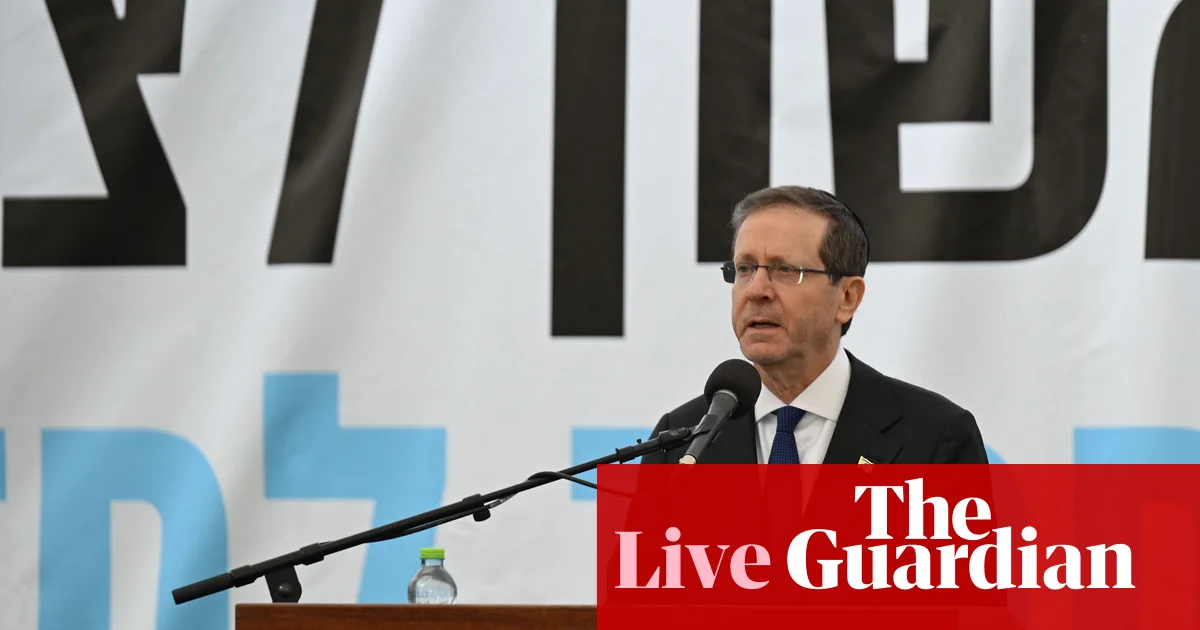
Australian Politics: Israeli President Visits Sydney; Ley Boosts Support Amid Coalition Reboot

In a climate marked by mounting international conflicts and shifting alliances, recent events highlight the profound geopolitical impact that decisions on the global stage are exerting on nations and societies worldwide. Israeli President Isaac Herzog‘s arrival in Sydney underscores both diplomatic outreach and the contentious atmosphere surrounding Israel’s latest regional and international engagements. His visit aims to address survivors of the Bondi terror attack but has ignited a wave of protests and legal challenges, exemplifying the deep divisions that recent international lines of conflict have fostered.

  • Herzog’s four-day tour includes meetings with Australian officials and gatherings with local communities, emphasizing Israel’s intent to bolster its international relations amid ongoing tensions.
  • Controversy has erupted globally—demonstrations and legal disputes threaten to overshadow diplomatic efforts, reflecting how decisions made by leaders influence societal perceptions and domestic harmony.
  • Within Australia, the political landscape is also turbulent, with the ruling Labor government navigating its own internal and external challenges—highlighted by recent defense pacts with Indonesia and consequential shifts in foreign policy focus.

Analysts like Dr. Miriam Cohen from the International Institute of Geopolitical Studies suggest that Herzog’s Australian visit is more than ceremonial; it is a strategic move amidst broader regional destabilization. Meanwhile, domestic politics are shadowed by electoral despair, with the Coalition facing dire polling results—an 18% primary vote—embodying a broader decline in conservative influence. This collapse indicates not just a political crisis but a societal one, where citizens’ disillusionment is fueled by perceived internal disunity and policymaking.

Back home, Australia’s political arena mirrors global chaos. The Liberal-National coalition’s recent reunification comes amidst a wave of internal splitting and leadership speculation. Sussan Ley and David Littleproud are under pressure to craft a resonant message that can reverse dwindling fortunes, but polling indicates they remain in an increasingly untenable position. As former officials like Jane Hume articulate, a need for a comprehensive reset looms—a phrase that echoes across many nations facing political drift. Historians warn that such internal instability can have *long-term ramifications* on the societal fabric.

Simultaneously, the ongoing debate over Herzog’s visit exemplifies the complex intersection of international diplomacy and domestic activism. The anticipated protests and court challenges highlight how policy decisions echo within communities, often igniting fierce debates about morality, sovereignty, and national identity. These protests aren’t mere disruptions; they are visceral symbols of society’s struggle to reconcile international realities with domestic values, marking a moment in history where global conflict isn’t just a matter of policy but an intensely personal battleground.

As the world stands at this multipolar crossroads, the weight of history presses down—each diplomatic gesture, each political maneuver, shaping the future amidst uncertainty. Will nations find common ground in this storm, or will internal discord turn to open conflict? The answers remain unwritten, but the unfolding story of international alliances, domestic upheaval, and international conflicts continues to cast its shadow. The stage is set for a tense chapter of history—one where the choices of today could determine the destiny of nations and the very fabric of global society.

Congressional Leaders Strike Deal on Funding — President Confirms

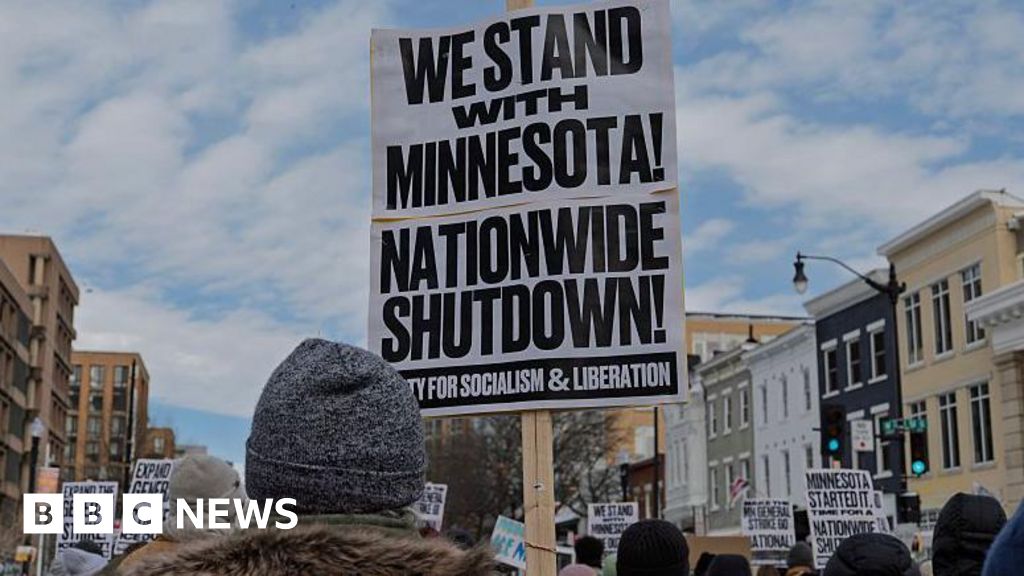
Recent incidents involving U.S. Immigration and Customs Enforcement (ICE) and Border Patrol officers have ignited a surge of protests across the nation, spotlighting the ongoing debate surrounding immigration enforcement and border security. On 7 January in Minneapolis, a tragic event unfolded when an ICE agent fatally shot Renee Good, a 37-year-old individual amid a tense encounter. Just weeks later, on 24 January, a Border Patrol officer shot and killed Alex Pretti, also aged 37, further escalating tensions in the country. These incidents have not only shaken communities but also intensified calls for accountability and reform within federal immigration agencies.

These events have underscored the deep divisions within American society regarding immigration policy, with protests erupting nationwide in support of migrant rights and against what many perceive as excessive use of force. Historically, such controversial law enforcement actions have a profound impact on public trust and social cohesion. Critics, including numerous human rights organizations and international observers, argue that the use of deadly force without clear accountability exacerbates the already polarized national landscape regarding immigration enforcement. The incidents have prompted some members of Congress—spanning the political spectrum—to voice concern.

  • Democratic leaders and a faction of Republicans are now pushing to withhold funding from the Department of Homeland Security (DHS) amid fears over unchecked violence and civil rights violations.

The geopolitical impact of these domestic upheavals extends beyond U.S. borders, as American immigration policies often influence global migration trends and diplomatic relations. International institutions, such as the United Nations, have repeatedly called for humane treatment of migrants and adherence to international human rights standards. However, critics argue that the U.S. approaches these issues from a law-and-order perspective that often disregards the broader social ramifications and human costs. Analysts like Dr. Jane Maxwell, a senior researcher at the *International Institute for Migration Studies*, contend that such incidents threaten to undermine America’s global reputation as a defender of human rights, especially at a time when geopolitical rivalries with China and Russia are intensifying.

As the debate intensifies over DHS funding and immigration enforcement tactics, the weight of history presses heavily upon the nation. These incidents are a stark reminder that decisions made today will resonate through generations—shaping societal norms, policies, and the delicate balance of power and morality. For many, the question remains whether the United States can reconcile its role as a beacon of freedom and justice with the harsh realities of border security and law enforcement. An uncertain future looms as citizens and leaders grapple with the moral and geopolitical implications of an evolving immigration landscape—where the lines between safety, justice, and human dignity are increasingly blurred.

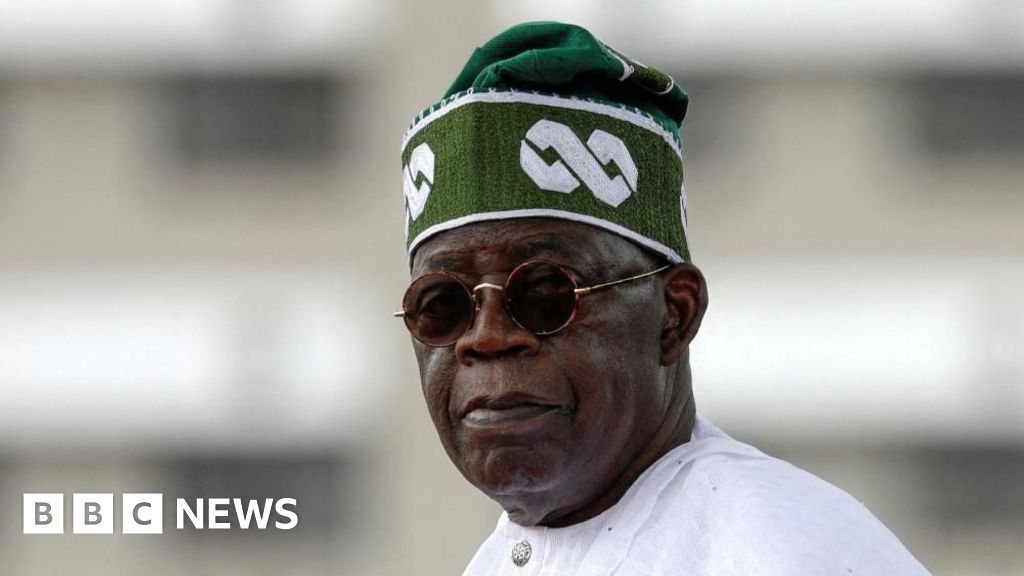
Nigerian Officers Set for Trial Over Alleged Coup Plot Against President Bola Tinubu

Nigeria, Africa’s most populous nation and a key regional power, is once again facing the specter of military discontent. Recent reports confirm that a group of military officers are scheduled to face trial on charges of plotting to overthrow President Bola Tinubu last year. This development underscores the fragile stability that persists within Nigeria’s armed forces, which have historically oscillated between authoritarian rule and fragile civilian governance. Although the Nigerian military initially dismissed rumors of an attempted coup, an internal investigation has revealed enough evidence for some officers to stand before a military judicial panel, signaling a potential shift in the internal dynamics of Nigeria’s security apparatus.

Historically, Nigeria has endured a turbulent political landscape marked by multiple coups spanning from 1966 to 1993, leaving scars on its national psyche and institutional stability. Today, analysts warn that allegations of coup‑plotting are especially sensitive given the country’s history. The military’s official stance emphasizes that such plots are “inconsistent with the ethics, values, and professional standards” expected of its soldiers, but the underlying tensions run deep. As violent insurgencies, political unrest, and economic frustrations continue to simmer, the armed forces find themselves under increasing operational pressure—fighting jihadist groups in the northeast, combating communal violence, and addressing widespread insecurity. These multifaceted challenges threaten to weaken discipline and cohesion within the military ranks, which many experts attribute to the rising possibility of dissident factions seeking to challenge civilian authority.

This internal crisis within Nigeria’s military must be viewed within the broader context of the current regional upheaval in West Africa. Countries such as Mali, Burkina Faso, Niger, and Guinea have experienced recent coups, prompting fears among regional policymakers and international observers. While countries like Mali and Burkina Faso continue to grapple with military takeovers, Guinea has seen a recent return to democratic rule after military-led interventions. These shifts are generating a sense of urgency and vigilance among the Ecowas regional bloc, which has historically positioned itself as a guarantor of stability in West Africa. For Nigeria, a nation often seen as the regional stabilizer, the question arises: how will its internal military unrest impact regional cohesion and security?

International analysts, including those from think tanks and organizations like the UN and Africa Union, warn that the delicate balance of power in West Africa is at risk. With Nigeria’s military asserting its loyalty to civilian rule publicly yet facing credible challenges from within, the possibility of a broader destabilization looms. The ongoing tensions reflect deeper issues—resource constraints, militant insurgencies, and internal factionalism—that threaten to unravel the progress made since Nigeria’s return to civilian rule in 1999. As these developments unfold, the shadow of history’s darker chapters looms large, reminding the world that the struggle for democracy is an ongoing battle fought not only on the streets but within the military’s own ranks.

In the unfolding narrative of Nigeria and West Africa, the current tensions serve as a stark warning—history’s lessons are not easily forgotten. The continuing saga of military influence, regional instability, and the fight to secure democratic institutions may yet rewrite the future of this pivotal region. The world watches with bated breath, understanding that the decisions made now could shape the course of history for generations to come, as the section of history still being written demands resilience and resolve in the face of jeopardy.

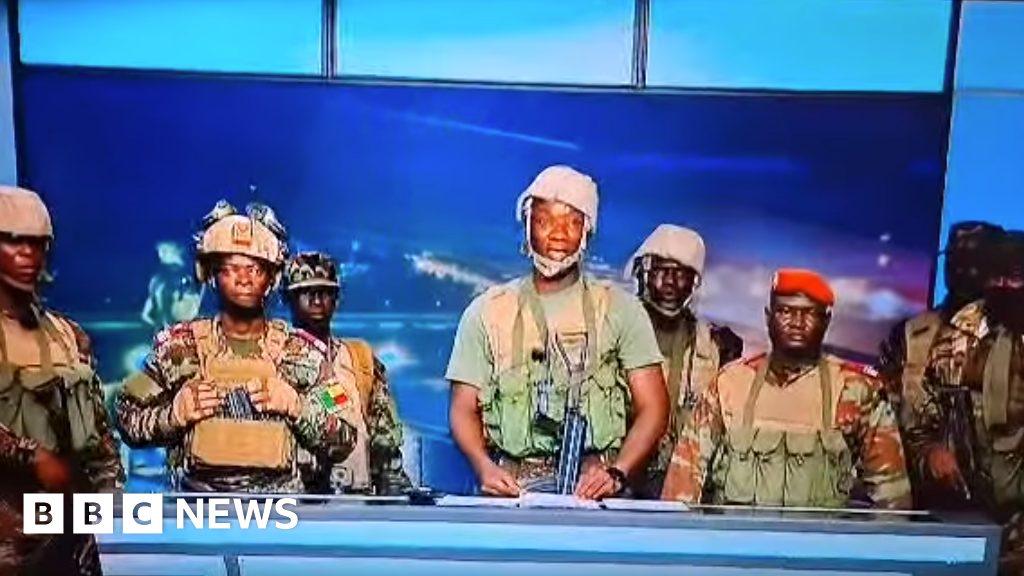
Benin coup attempt against President Talon stopped by loyal troops, says minister

Emerging Turmoil in Benin: A Mayhem for Stability in West Africa

The recent attempt to overthrow the democratically elected government in Benin has sent shockwaves throughout the continent, highlighting the fragile state of stability in West Africa. In a series of alarming events early Sunday, members of the Beninese armed forces broadcasted on national television that they had ousted President Patrice Talon, a leader who has long been regarded as a pragmatist with deep ties to the West. Eyewitnesses reported gunfire and confirmed that state broadcasters had been taken hostage, stirring fears of a wider regional destabilization amid ongoing upheavals across the Sahel region — a hotbed of jihadist insurgency and political volatility. Despite the swift response from loyalist forces, with the military reportedly arresting 14 individuals involved in the coup attempt and deploying helicopters across Cotonou, the incident underscores how the security fabric in West Africa remains dangerously thin.

Historically a bastion of relative stability, Benin has enjoyed a reputation as one of Africa’s more democratic nations—although recent political developments have cast a shadow over this status. President Talon, a wealthy businessman dubbed the “king of cotton,” has prioritized economic reforms and infrastructure development since his assumption of power in 2016. Nevertheless, critics accuse him of suppression of dissent, and his government’s handling of opposition has prompted internal unrest. A constitutional amendment passed last month, which extended parliamentary terms from five to seven years without altering presidential term limits, has further eroded faith in the democratic process. Analysts warn that these moves, coupled with allegations of electoral suppression, are fueling discontent and destabilizing democratic institutions from within.

Amid this turmoil, the regional context cannot be ignored. In recent years, West Africa has witnessed a surge of coups in countries such as Mali, Niger, Guinea, and Burkina Faso. Driven by insurgencies linked to Islamic State and al-Qaeda affiliates, these destabilizations have strained security forces and compounded political crises. Russia’s growing influence across the Sahel adds another complex layer, with Burkina Faso, Mali, and Niger forming the Alliance of Sahel States — a regional bloc that challenges Western-led stability efforts. These developments have been met with condemnation from organizations like Ecowas and the African Union, both emphasizing their ‘zero tolerance’ stance on unconstitutional changes. Yet, some observers suggest that regional powers and external actors may be inadvertently fueling unrest, as rival geopolitical interests clash on African soil.

The geopolitical impact of these events extends well beyond borders. As countries grapple with internal divisions and external influences, the future of democracy, security, and economic growth in West Africa hangs in the balance. The crisis in Benin serves as a stark reminder that the region’s stability is fragile and that every decision made today could shape the course of history for decades to come. With international actors watching anxiously, the unfolding stories of courage, conflict, and resilience will determine whether this moment marks a breakthrough toward regional stability or a tragic descent into chaos, leaving behind a legacy defined by uncertainty and upheaval.

As history’s pages continue to turn, the question remains: will the forces of destabilization or those of democracy prevail in the heart of Africa? The answer, like the region itself, is still being written—and the world holds its breath.

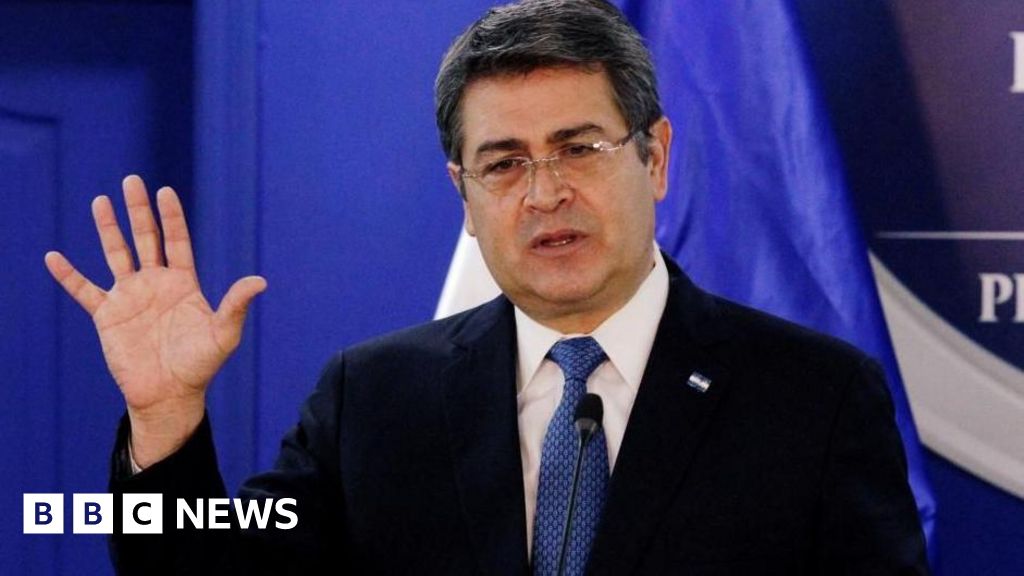
Honduras President Under Fire—Why Did Trump Grant Him a Pardon?

Honduras’ Political Turmoil and the Global Ripple Effect of a Controversial Pardon

In a decision that has sent shockwaves through international geopolitics, former Honduran President Juan Orlando Hernández has been unexpectedly pardoned by President Donald Trump amidst mounting allegations of drug trafficking and corruption. Hernández, once considered a key figure in the stabilization of Central America and a close U.S. ally, was convicted in 2024 of orchestrating a sprawling drug trafficking scheme that trafficked over 400 tonnes of cocaine into the United States over 18 years. Despite his conviction, Trump’s move to pardon Hernández—characterized by many experts as a ‘Biden setup’—has ignited fierce debates about the intersection of justice, international diplomacy, and U.S. domestic politics.

During his presidency, Hernández maintained a cordial relationship with Washington, receiving acclaim from former President Barack Obama and the current U.S. administration for his cooperation on migration issues. Yet, beneath this veneer of partnership, serious allegations had long simmered. U.S. federal prosecutors accused Hernández of accepting a $1 million bribe from the notorious drug lord Joaquín “El Chapo” Guzmán, in exchange for shielding narcotics routes through Honduras. The scandal deepened with the arrest of his brother, Juan Antonio “Tony” Hernández, in Miami on drug-smuggling charges resulting in a life sentence. Hernández’s own extradition to the U.S. in 2022 marked a turning point, as he faced federal trials that laid bare extensive evidence of his involvement in drug trafficking, abuse of power, and complicity with armed criminal groups.

Geopolitical Impact: A Shift in U.S.-Latin America Relations

The decision to pardon Hernández not only compromises the rule of law but also underscores a profound shift in U.S.-Latin America relations. Critics argue that the move signals an unsettling willingness by the U.S. to overlook high-profile criminal allegations for political gains, especially as the current Honduran presidential election hangs in balance. International organizations like the Organization of American States (OAS) have issued cautious statements warning about the erosion of judicial independence and democratic norms across the region. Meanwhile, analysts like Michael Shifter from Georgetown University highlight a troubling contradiction: how can the U.S. simultaneously crackdown on drug traffickers and pardon a figure implicated in fueling the very drug epidemic it seeks to combat?

The pardon’s timing—just days before a pivotal presidential runoff—appears carefully calibrated. Trump’s endorsement of Tito Asfura, Hernández’s political ally and candidate for Honduras’ National Party, suggests an intertwined narrative designed to bolster right-leaning influence in Central America. Jason Marczak of the Atlantic Council warns that this complicates efforts to promote genuine anti-corruption agendas and might embolden criminal networks that count on political protection. The implications extend far beyond Honduras; they threaten to destabilize regional efforts aimed at curbing narco-terrorism and promoting democratic integrity.

Decisions That Will Shape the Future of the Hemisphere

The repercussions of this development extend into international security and U.S. domestic policy. President Biden’s administration, which had vowed to clamp down on drug cartels and restore rule of law, faces accusations from the Trump camp of politically motivated overreach. Press Secretary Karoline Leavitt’s assertion that charges against Hernández were tainted by “over-prosecution” underscores a broader political divide that threatens to hinder collaborative efforts against transnational crime. Moreover, revelations that Hernández penned a letter praising Trump—pleading for clemency and citing political persecution—highlight how intertwined personal and geopolitical interests have become in this saga.

As history continues to unfold, the story of Hernández’s rise and fall will serve as a stark reminder of the delicate balance between sovereignty, justice, and geopolitics. The recent turn of events leaves the global community—and especially the peoples of Honduras—pondering whether the scales of justice will ever find equilibrium amid the murky waters of power and influence. With the weight of history heavily pressing upon this fragile chapter, the question remains: will the echoes of this decision herald a new era of accountability or deepen the shadows cast by a complex web of crime and politics?

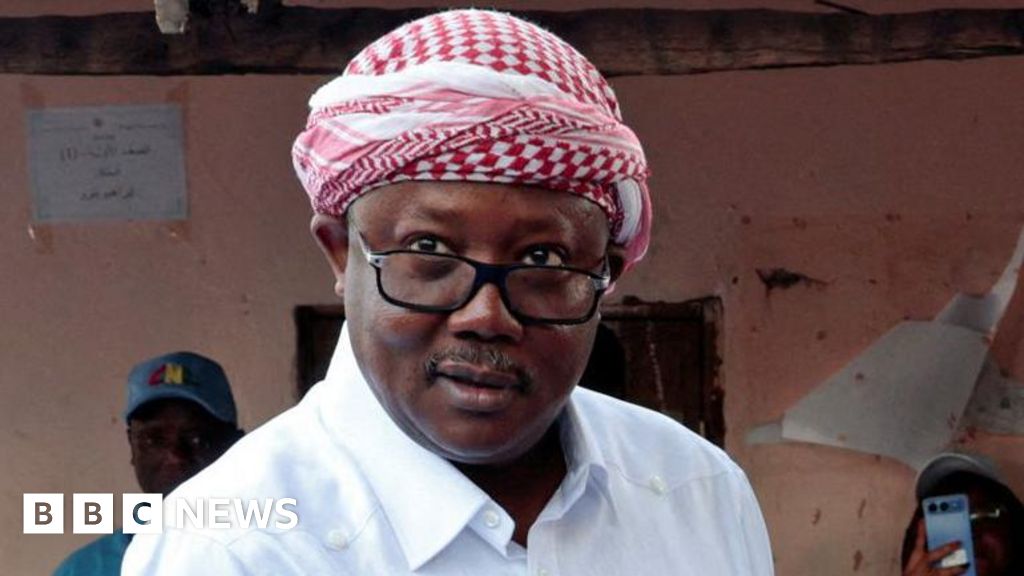
Guinea-Bissau’s President Umaro Sissoco Embaló Sought Refuge in Senegal Following Coup

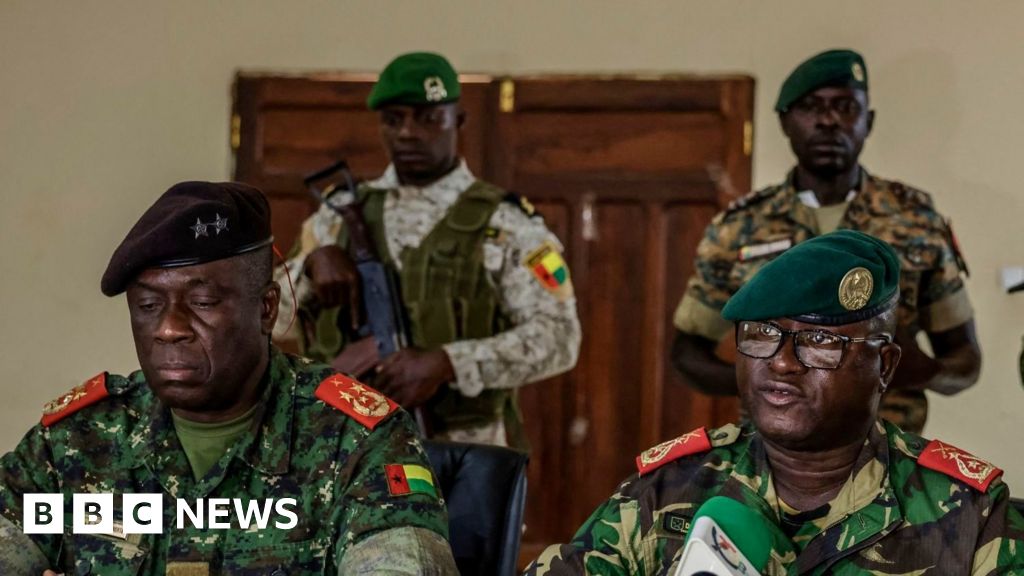
The recent turmoil in Guinea-Bissau underscores the fragility of democratic institutions in West Africa, a region increasingly influenced by military interventions and external pressures. This week, the nation witnessed yet another military coup, a recurring theme in its post-independence history, which has seen at least nine coups or attempted upheavals over the last fifty years. The abrupt removal of President Umaro Sissoco Embaló and the installation of an interim military leader exemplifies the deep-rooted challenges facing the country’s political landscape. As regional powers and international organizations express concern, the question of whether Guinea-Bissau’s political instability will spiral into a broader crisis remains.

  • The military detained Embaló and other key political figures, suspending the electoral process just before official results could be announced.
  • The coup was justified by the military as a move to thwart a purported plot involving unnamed politicians and a “well-known drug baron”—highlighting Guinea-Bissau’s longstanding role as a major hub in international drug trafficking.
  • Regional Ecowas swift response saw the organization suspend Guinea-Bissau from decision-making bodies, demanding the military return to the barracks, condemning their actions as a “grave violation of constitutional order”.

Internationally, the situation has elicited sharp condemnation from the African Union and the United Nations. UN Secretary-General Antonio Guterres expressed “deep concern” and called for an “immediate and unconditional restoration of constitutional order,” emphasizing the importance of stabilizing the nation before further deterioration. These reactions reflect the wider recognition that Guinea-Bissau’s instability does not exist in isolation but feeds into the broader geopolitics of the region. For decades, Western powers and neighboring states have watched carefully, wary of the country’s vulnerability to drug trafficking, military meddling, and political backslide.

Moreover, the crisis in Guinea-Bissau exemplifies how internal political machinations—ranging from allegations of rigged elections to claims of self-staged “simulated coups”—are often entwined with geopolitical interests and local power dynamics. Analysts like Beverly Ochieng from Control Risks suggest that embattled President Embaló’s recent actions, including dissolving parliament after a coup attempt, might have inadvertently created space for military intervention, possibly orchestrated or at least exploited by factions seeking stability through strength. How the military’s assertion of control will reshape Guinea-Bissau’s future remains uncertain, but regional leaders, notably Sierra Leone’s President Julius Maada Bio, have taken steps to secure Embaló’s safety, illustrating how geopolitical concerns extend beyond national borders.

As history looms heavily over Guinea-Bissau’s current predicament, the nation’s struggles become a stark reminder to the world: weak institutions, unresolved political conflicts, and external criminal influences can turn fragile democracies into battlegrounds of chaos and control. The decisions made now—whether to impose sanctions, support diplomatic resolutions, or leave military factions unchecked—will leave an indelible mark on the country’s trajectory. The wheels of history are turning, and in a region where the stakes include not only national sovereignty but international safety, Guinea-Bissau’s story is far from over. As the international community watches in measured silence, the ongoing battle for stability, sovereignty, and soul of Guinea-Bissau begins a new chapter—one that will define the future of this troubled yet strategically vital country, a tiny nation sitting precariously on the edge of chaos and renewal.

Guinea-Bissau Army General Declared President After Sudden Coup

Guinea-Bissau: Military Coup Sparks Unrest and Challenges Regional Stability

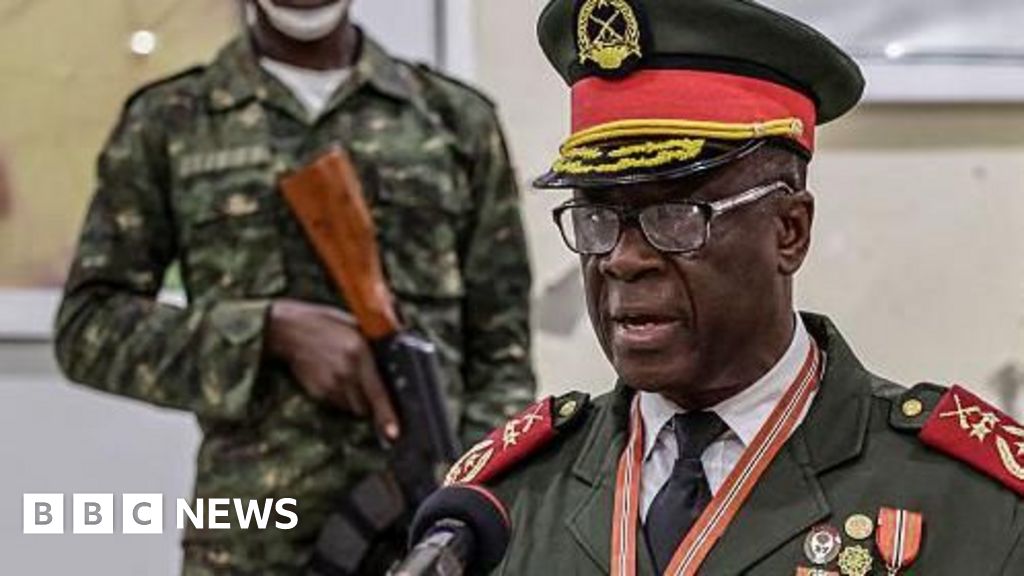
The recent upheaval in Guinea-Bissau, a nation long plagued by political instability, has taken a dramatic turn as the military announced a coup d’état, seizing control amidst claims of thwarted electoral processes. The country’s interim leader, Gen Horta N’Tam, who was sworn in as the transitional president just a day prior, now faces the daunting task of navigating the crisis. The coup came after persistent allegations that outgoing President Umaro Sissoco Embaló may have orchestrated a “simulated coup”—a supposed ploy to block the release of electoral results—fueling suspicions of manipulation and widespread dissent. This event underscores the fragility of Guinea-Bissau’s democracy, where previous coups and attempted putschs total at least nine since independence in 1974.

International organizations, notably the African Union and the Economic Community of West African States (ECOWAS), have responded swiftly, condemning the military’s action and calling for the immediate reinstatement of constitutional order. Leaders from the AU, emphasizing the importance of respecting democratic processes, demanded the “immediate and unconditional release of President Embaló and all detained officials.” The crisis reflects the region’s ongoing struggle with stability amidst a broader context of illegal drug trafficking, militant influence, and political corruption—a dark legacy that has made Guinea-Bissau a notorious narco-state. Its strategic coastline, dotted with uninhabited islands, has long been exploited by drug traffickers moving cocaine from Latin America toward Europe, which international analysts say exacerbates the country’s descent into chaos.

The geopolitical impact of this upheaval extends well beyond Guinea-Bissau’s borders. Neighboring nations—especially Senegal and Guinea—face increased instability, as uncertainty in Bissau threatens regional security and the fight against transnational crime. Historically, Guinea-Bissau’s military influence has oscillated between fragile governance and outright coups, often manipulated by external criminal networks and internal power struggles. The current crisis threatens to deepen regional fragmentation, complicate efforts by Western nations to monitor drug routes, and could possibly embolden other military factions in West Africa, stirring fears of a domino effect that could destabilize an already volatile zone.

Historians and security analysts warn that Guinea-Bissau’s political crisis is more than a local issue—it is a critical indicator of the wider geopolitical challenges facing the West African region. Dr. Emmanuel Osei, a renowned regional political analyst, states: “What we’re witnessing isn’t just a coup; it’s a symptom of external interests intertwined with internal fragility. The integrity of democratic institutions is under siege, and the repercussions will be felt far beyond the shores of Guinea-Bissau.” The regional body, ECOWAS, has urged restraint and a return to dialogue, but as gunfire erupted in Bissau’s streets, fears mount that the nation’s future could be decided by guns rather than ballots. As the international community closely monitors the unfolding drama, all eyes turn toward a nation whose story remains unwritten, yet whose decisions could sway the course of regional stability for years to come. The weight of history presses heavily, leaving the world to ponder: will Guinea-Bissau find its way back to peace, or will it slip further into the shadows of instability—a dark chapter in the ongoing saga of West Africa’s fragile sovereignty?

Zambia's 'Fix-It' President Confronts Youth Rage and Stone-Throwing
Zambia’s ‘Fix-It’ President Confronts Youth Rage and Stone-Throwing

Unfolding Crisis in Zambia: Leadership in the Crosshairs

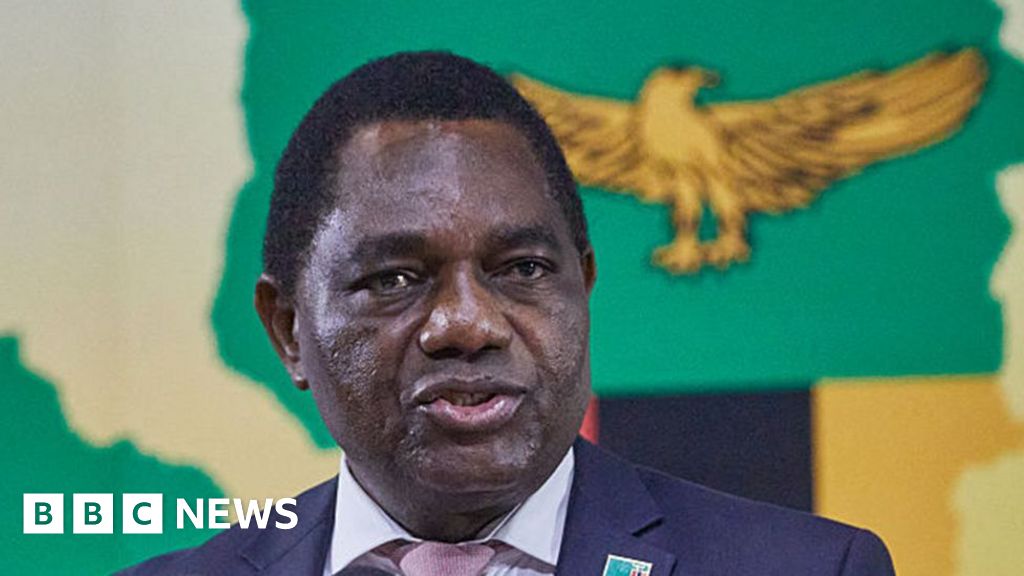
In a nation teetering on the edge of political tumult, Zambia‘s President Hakainde Hichilema is confronting burgeoning internal unrest and a fraught diplomatic landscape. Since his victory in the 2021 elections, Hichilema has sought to steer his country toward economic stabilization, capitalizing on reforms to renegotiate debt and attract international investment. Yet, the persistent struggles of power shortages, inflation, and widespread dissatisfaction reveal that his efforts have yet to fully resonate with the average Zambian, especially as the August 2026 elections draw near. Notably, a recent incident where Hichilema was violently attacked during a rally underscored the fragility of his presidency and the deep-rooted discontent simmering within the nation.

The internal unrest has provoked concerns beyond its borders, with regional analysts warning that Zambia’s instability could ignite a broader uprising of societal discontent that spills across neighboring nations. The president’s speech defense, where he emphasized ongoing national achievements, contrasts sharply with the hardships faced by ordinary citizens, many of whom are suffering under the weight of power outages and high living costs. The power crisis deepened recently when droughts decimated hydroelectric capacity, exposing Zambia’s vulnerability to climate variability and underscoring its reliance on unstable energy sources. Experts warn that this energy crisis could hamper the country’s economic recovery, further disgruntling voters and fueling opposition sentiments.

International Reactions and the Geopolitical Ramifications

Global institutions and international analysts have started to voice concern that Zambia might devolve into political chaos if unrest escalates, potentially destabilizing the southern African region. The African Union, along with the World Bank and other diplomatic bodies, emphasize the importance of safeguarding democracy and stability in Zambia. Yet, critics argue that Hichilema’s government is increasingly becoming encumbered by accusations of using oppressive laws against opposition figures, a trend that analysts say echoes authoritarian tendencies. Historically, Zambia has been viewed as a beacon of peaceful transition in a volatile continent; however, recent violence and suppression efforts threaten that reputation, raising alarms among international watchdogs.

Meanwhile, Hichilema maintains that his government upholds the rule of law and that measures taken against critics are necessary to renew order and promote reform. His stance aligns with his broader strategy of balancing reform and control amidst mounting pressure from both political opponents and civil society. This delicate dance has drawn sharp criticism from academia and local opposition, questioning whether the regime’s focus remains solely on consolidating power rather than fostering genuine societal growth. If Zambia continues down this path, many fear the nation’s hard-won democracy could be compromised, potentially setting a dangerous precedent for the region’s future.

Legacy in the Making: The Future of Zambia’s Political Journey

As Hichilema pushes forward with controversial constitutional reforms, including plans to expand parliamentary representation, opposition voices claim he is betraying the democratic ideals he once championed. The tipping point may come when economic hardships and political repression collide, forcing citizens to choose between stability and upheaval. Zambia’s saga is emblematic of the broader struggles faced by aspiring developing nations caught in the storm of internal reform and external pressure. Will the nation’s resilience withstand the rising tide of discontent, or will its people’s aspirations be drowned in the sound of stones thrown in anger?

History continues to write itself in Zambia’s streets and council chambers, a reminder that one nation’s internal conflicts can quickly reverberate across borders and redefine regional geopolitics. The weight of this unfolding chapter remains uncertain, yet it is clear: Zambia stands at a critical crossroads — with leaders and citizens alike holding the pen that will inscribe its future into the annals of history.

Guinea-Bissau Soldiers Claim Power Amid President Embaló's Arrest Reports
Guinea-Bissau Soldiers Claim Power Amid President Embaló’s Arrest Reports

Guinea-Bissau in Crisis: Military Coup and Political Unrest Shake West Africa

In an alarming development for the West African region, Guinea-Bissau has plunged into chaos following reports that a faction of military officers has **seized control of the government**. The country’s capital, Bissau, was rocked by gunfire around 13:00 GMT as witnesses reported hearing multiple shots. According to government sources, President Umaro Sissoco Embaló has been **detained**, marking a significant escalation in the nation’s ongoing political instability. This sudden military intervention comes just days after a contentious presidential election, in which the main opposition candidate was disqualified, raising fears of legitimacy concerns and deepening the political crisis that has persisted in Guinea-Bissau for decades.

Analysts warn that the unfolding situation could destabilize all of West Africa. Historically plagued by political upheavals—nine coups or attempted coups since 1980—the fragile maritime nation remains one of the poorest in the world, plagued by corruption, weak institutions, and a history of military meddling. The recent coup reflects long-standing frustrations with governance, compounded by the disputed election results and a lack of perceived legitimacy. In fact, both Embaló and his main rival, Fernando Dias, claimed victory, casting doubt over the announced results and fuelling tensions that quickly erupted into violence. International observers, including the African Union and the United Nations, have expressed concern over the escalation and called for restraint, but the military’s unilateral actions reveal a deep mistrust of civilian institutions.

The geopolitical impact of such instability extends beyond Guinea-Bissau’s borders. As a key player in West Africa’s maritime economy, the nation’s security is vital for regional stability, especially given its strategic position along Atlantic trade routes. Analysts from the International Crisis Group emphasize that continued military interference threatens to undermine efforts to stabilize the region’s fragile democracies. Additionally, the interruption of political processes may hinder international efforts to combat drug trafficking and illegal fishing, which are major economic and security concerns in the broader West African context. The coup also risks inspiring similar actions in neighboring countries with fragile political systems, threatening to reverse the gains made through diplomatic engagement and regional security initiatives.

Historians and political commentators highlight that Guinea-Bissau’s history of coups reflects a larger pattern of military influence on civilian governments, often justified by claims of corruption and inefficiency. As noted African political analyst Luís Monteiro observes, “This current upheaval is less about the immediate players and more about a broader trend of military-led governance emerging in many parts of Africa where democratic institutions remain fragile.” The international community’s response, therefore, could prove decisive in shaping whether Guinea-Bissau finds a path back to democratic stability or sinks further into chaos. For now, the echoes of gunfire and political uncertainty continue to reverberate across Bissau, leaving a nation at a crossroads that could determine its future for generations.

As history begins to write its next chapter in Guinea-Bissau, the world must watch closely—what happens here will ripple across borders, shaping the geopolitical landscape of West Africa for years to come. The question remains: will this be the moment when a nation collapses into prolonged chaos or the beginning of a resilient recovery? Only time will tell, but the weight of history—unfolding in real-time—reminds us that every decision has consequences beyond the horizon of today’s headlines.

Social Media Auto Publish Powered By : XYZScripts.com