Matox News

Truth Over Trends, always!

Madagascar Military Takes Control as President Moves to "Safe Place"
Madagascar Military Takes Control as President Moves to “Safe Place”

Madagascar’s Turmoil: A Country on the Brink of Uncharted History

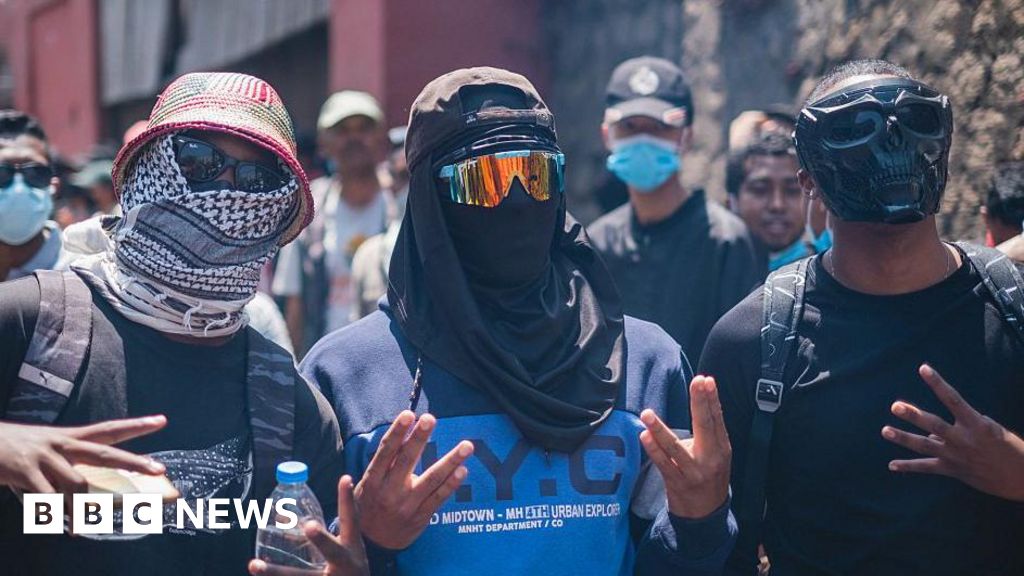
The Indian Ocean island of Madagascar has entered a perilous new chapter in its political saga, as a powerful military unit claims to have seized control from President Andry Rajoelina. This abrupt shift in power follows weeks of youth-led protests that erupted over chronic shortages of water and electricity, but quickly morphed into a wider expression of dissatisfaction with government corruption, unemployment, and economic hardship. Such upheavals are a stark reflection of the fragility that often characterizes nations on the periphery of global power, where internal strife is ripe for exploitation and upheaval.

The Military Coup and International Reactions

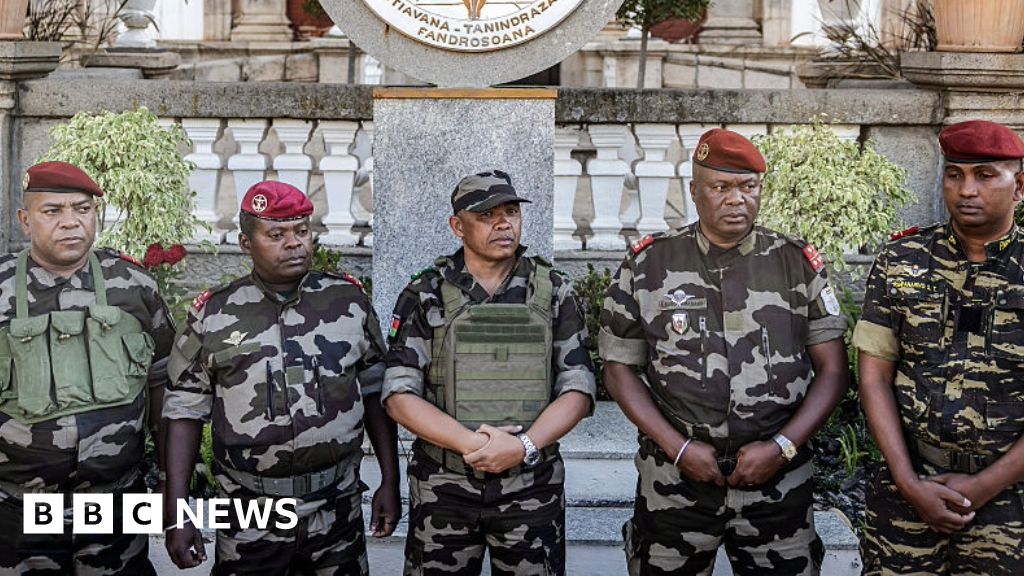
The Personnel Administration and Technical and Administrative Services Corps (CAPSAT), often regarded as the most formidable military faction in Madagascar, announced that it had “seized power.” Interestingly, this elite unit, which once supported Rajoelina when he ascended to power in 2009, has now aligned itself with the protesters. In a dramatic turn, the country’s constitutional court appointed Col Randrianirina as the interim leader, even as Rajoelina’s official office claimed that he remained in charge and dismissed the coup as an “attempted overthrow.”

Global reactions have been swift and cautious, with international organizations voicing concern. The African Union (AU) explicitly warned against military meddling, condemning any “unconstitutional changes of government,” while the French government described the situation as “greatly worrying.” The United States, through its State Department, urged all parties to pursue a peaceful resolution within the framework of Madagascar’s constitutional order. Historically, such foreign engagements highlight how isolated or embattled regimes risk alienation and intervention, which often escalate the crisis rather than resolve it.

The Roots of Unrest and the Power Struggle

Madagascar’s recent unrest stems from widespread economic despair, magnified by the youth-led protests against economic mismanagement and systemic corruption. Despite President Rajoelina’s youthful image and initial promise to symbolize a new beginning, allegations of cronyism and embezzlement tarnished his reputation, leading to mounting opposition. The protests turned violent, with clashes resulting in the UN reporting at least 22 fatalities and over 100 injuries; though the Malagasy government dismissed these figures as “rumors.”

Worse still, Rajoelina’s position was rendered increasingly vulnerable as lawmakers impeached him by a significant majority—*130 votes to none*, with even members of his own party voting against him. Rajoelina responded by attempting to dismiss the national assembly, an effort that failed and further underscored the deepening political crisis. Despite his attempts to influence events from exile, the narrative is clear: Madagascar is teetering on the edge of a political abyss.

How Decisions Shape Societies and the Geopolitical Impact

The unfolding chaos in Madagascar underscores how internal political decisions resonate far beyond its borders. The AU’s warning against military intervention illustrates a broader concern about regional stability and the potential domino effect of coups in Africa. Furthermore, reliance on foreign powers like France and the United States exposes the fragile balance between national sovereignty and geopolitical interests. Historians like Walter Russell Mead warn that such unstable regimes can serve as breeding grounds for extremism and undermine regional efforts for economic development.

Madagascar’s dire poverty—75% of its 30 million population living below the poverty line—exemplifies the societal costs of prolonged instability. The country’s leadership disputes accusations of corruption, yet the populace’s frustration boiled over into violent protests, revealing how economic hardships can catalyze political upheaval. This crisis, therefore, becomes not just a local matter but a stark reminder of how fragile democracies are in the face of authoritarian temptations and external influence. History warns that neglect of governance and economic justice often culminate in chaos, with the people paying the highest price.

As the future of Madagascar hangs in the balance, the unfolding events serve as a stark tableau of a nation on the brink—a fragile expression of the enduring human struggle for stability, justice, and sovereignty. History’s pen is still writing, and the next chapters of Madagascar’s story remain unwritten in the shadows of coups, repression, and hope.
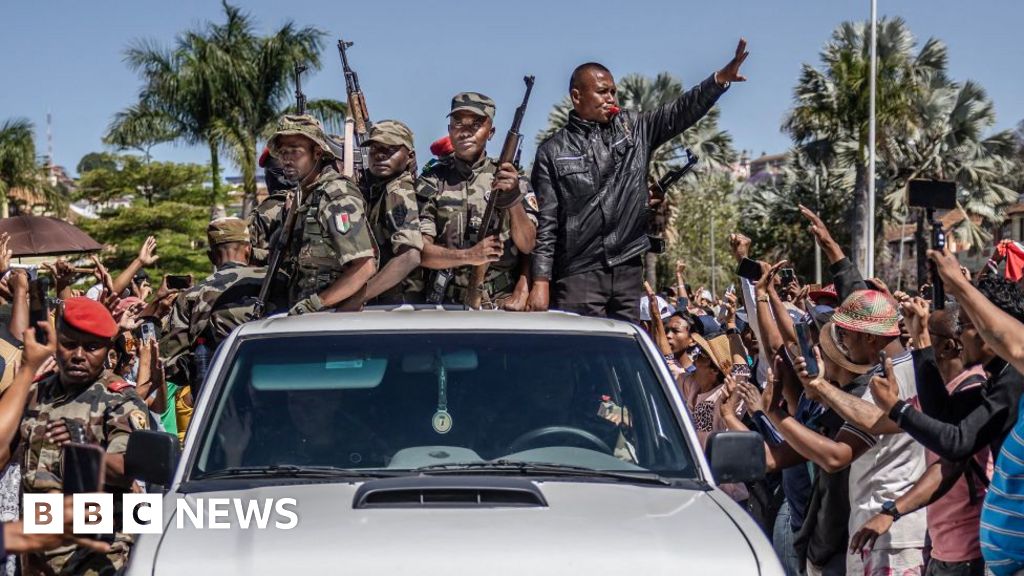
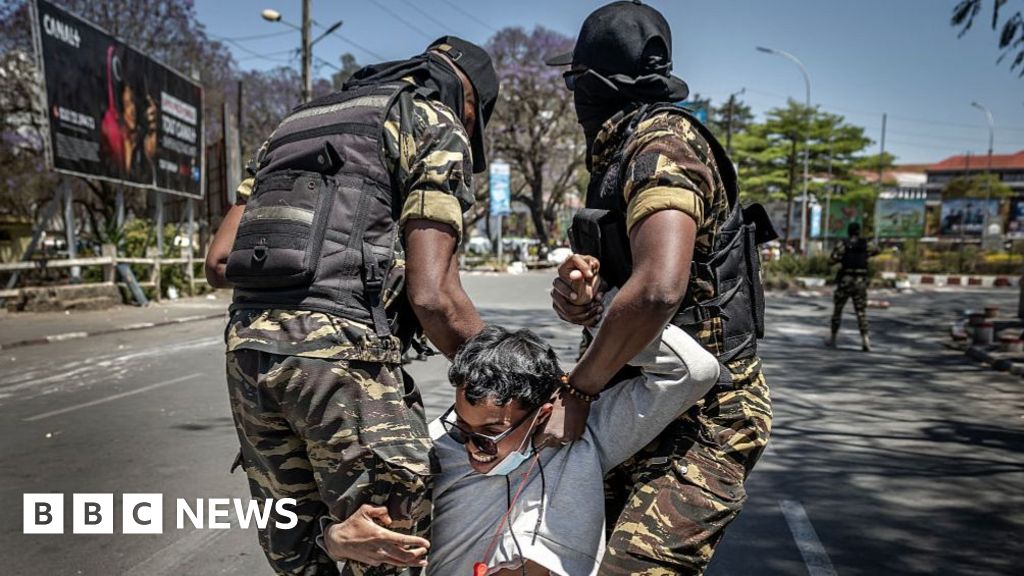
Madagascar’s President warns of ongoing power grab by rogue actors

In an unfolding crisis reminiscent of Madagascar’s tumultuous political history, the nation has once again been thrust into chaos. Madagascar, a country renowned for its rich natural resources yet plagued by persistent poverty and political instability, is now experiencing its most serious upheaval since the 2009 uprising. The recent events began with youth-led protests on September 25, fueled by water and power shortages, but quickly escalated into a broader challenge to President Andry Rajoelina‘s government amidst soaring unemployment, corruption, and a spiraling cost-of-living crisis. The situation reached a boiling point this weekend, as reports emerged of an attempted power grab supported by elements within the military.

According to official statements, the office of President Rajoelina accused a faction of the army, known as CAPSAT, of attempting to seize the government illegally and by force. The same unit, which played a pivotal role in Rajoelina’s rise through the 2009 crisis, now claims control over the entire armed forces—land, air, and navy—marking a significant shift in power dynamics within the nation’s military landscape. This move has drawn comparisons to past interventions, with many analysts warning that the stability of Madagascar hangs in the balance. Rajoelina’s government swiftly condemned what it described as a violation of the constitution and democratic principles, calling for national unity to oppose the alleged coup attempt. Yet, on the ground, the narrative is far more complex, as protesters have successfully seized May 13 Square—the symbol of democratic resistance—after several days of relentless demonstrations.

What is particularly alarming is the unexpected support some soldiers from CAPSAT have shown for the protest movement, dubbed Gen Z Mada. Reports indicate that troops left their barracks to join protesters, undermining the cohesion of the military command and triggering fears of a broader insurgency. Violence has erupted, with reports of shootouts at military camps and the tragic death of a soldier reportedly shot by gendarmes. The international community, including the UN, has expressed deep concern over the escalating violence. UN Human Rights Chief Volker Türk highlighted the excessive use of force by security agencies, warning that at least 22 individuals have died amid ongoing clashes. Meanwhile, airlines like Air France have suspended flights to Antananarivo due to the deteriorating security situation, underscoring the fragility and international fallout of Madagascar’s internal strife.

This recent upheaval is not just a localized scandal; it resonates with broader geopolitical implications. Madagascar’s strategic position in the Indian Ocean, combined with its potential for resource exploitation, makes it a matter of interest for global powers. Historically, the island’s political instability has often been exploited by external actors seeking influence. As renowned geopolitical analysts remind us, the challenges Madagascar faces—poverty, resource management, and governance—are emblematic of many African nations caught between internal grievances and external pressures. Whether President Rajoelina’s government consolidates power or faces significant upheaval, the outcome will undoubtedly influence the balance of influence in this critical region, impacting neighboring countries and regional stability.

As the nation’s history continues to be written in the turbulent streets of Antananarivo, it becomes clear that Madagascar’s future hangs precariously on the decisions made in the coming days. Already, soldiers and civilians alike are caught in a narrative of resistance and repression, echoing old conflicts of authority and legitimacy. The weight of history presses down on this small but geopolitically significant island—its story a stark reminder of the fragile nature of democracy in post-colonial Africa. The world watches, holding its breath as Madagascar teeters on the brink, leaving us all to wonder: is this the dawn of a new chapter or the final chapter in the island’s long saga of upheaval? Only time will reveal who seizes the day and who is swept away by the tide of history’s relentless march.

Protests Reject President Rajoelina’s Deal, Police Respond with Rubber Bullets

In a striking display of unrest shaping the Indian Ocean region, Madagascar faces a pivotal crisis as youth-led protests continue to challenge the authority of President Andry Rajoelina. Over the past two weeks, the island nation’s streets have become a battleground where thousands of young Malagasy citizens, under the banner of Gen Z Mada, have demanded fundamental change. Their relentless push for respect for human rights and an end to chronic corruption and mismanagement underscores a broader pattern of youth activism proliferating across Africa, reflecting frustrations that threaten to destabilize one of the world’s most geopolitically strategic regions.

The escalation of violence and repression highlights how internal discontent can ripple outward and jeopardize regional stability. Security forces, using rubber bullets and tear gas, have violently dispersed protesters in Antananarivo, with reports of numerous arrests and casualties, including at least 22 fatalities, according to international observers. This brutal crackdown, amid a backdrop of persistent power outages and economic hardship—fueled by high unemployment and soaring living costs—has revealed a government increasingly disconnected from its people’s aspirations. As analysts warn, such suppression often fuels further unrest, risking broader upheaval that could destabilize Madagascar’s fragile political landscape and draw in regional powers and international actors seeking stability and influence in the Indian Ocean.

Within this volatile context, Rajoelina’s attempts at dialogue—characterized by town halls, promises of power reform, and a vague pledge to resign if outages aren’t resolved—have failed to quell the movement. Notably, his decision to dismiss his entire government and appoint an army general as prime minister last week has only intensified opposition. The youth demographic, which commands significant influence and symbolizes a wider disenfranchisement, remains resolute. Their declaration that “the Malagasy people do not submit” signals a potential turning point in national politics, reminiscent of previous waves of youth-driven activism on the continent that have challenged entrenched regimes.

International organizations and regional analysts observe that the ongoing turmoil in Madagascar encapsulates a broader struggle—governance deficit meets the urgent demand for reform. As African Union member states grapple with similar upheavals, Madagascar’s crisis accentuates the importance of addressing youth grievances before they expand into uncontrollable conflicts. The growing gap between government actions and public expectations poses serious questions about the future trajectory of democracy and stability in the region, especially as foreign actors watch keenly for opportunities to extend influence or promote stability at any cost.

Now, as the Malagasy youth continue their fight amid a tense standoff, the question remains whether the country’s leadership will heed the warning signs. The unfolding scenario underscores the weight of history—how a nation’s choice to suppress or listen to its young can determine its future. With each passing day, Madagascar’s story reshapes the geopolitical chessboard in the Indian Ocean, leaving the world to ponder whether this is just a chapter in larger regional upheaval or the beginning of a new era where youth voice becomes an unstoppable force.

Gen Z protests push president to clean house—new leadership on the horizon

Madagascar Faces Unrest Amid Economic and Political Turmoil

In an unfolding chapter of geopolitical instability, Madagascar is witnessing its most significant wave of protests in over 15 years, signaling a deepening crisis that could reshape the island nation’s future. This eruption of public dissent was largely sparked by endemic issues such as chronic shortages of basic utilities—power and water—coupled with widespread corruption and deteriorating living conditions. Many Malagasy citizens, particularly young people, are now demanding political accountability, with protests escalating rapidly across multiple cities and threatening the stability of President Andry Rajoelina’s government.

For years, Madagascar’s political landscape has been marred by instability and contentious elections. Rajoelina, who first seized power in 2009 during mass protests that ousted then-President Ravalomanana, was re-elected in 2018 amid accusations of electoral irregularities. His latest reelection in 2023, boycotted by opposition groups, only further intensified political divisions. Now, after the recent crackdown on opposition figures and the dismissal of his government, the nation’s fragile political fabric is under severe strain. Analysts and international observers, including the United Nations, warn that reliance on force to quell dissent could deepen the crisis, risking fragmentation and civil unrest. As historian Jean-Michel Roux notes, Madagascar’s history is punctuated by repeated uprisings, showing a pattern where governance struggles often spiral into broader chaos.

Factors Fueling the Uprising

The immediate trigger of the current unrest was the detention of two prominent political figures in Antananarivo, which civil society activists and youth leaders, especially the grassroots-based Gen Z Mada, blame on the government’s attempts to suppress legitimate grievances. The protests initially centered around persistent service outages—hours-long electricity blackouts and water shortages—that have become symbols of government neglect. Many protesters see these failures as symptomatic of entrenched corruption within state utilities like Jirama, which analysts say have been siphoned off for personal gain by political elites. The widespread frustration over deteriorating living standards—among the 75% of the population living below the poverty line—has turned into a call for fundamental political change. This movement, fueled by social media campaigns and united by a common desire for justice and accountability, has expanded beyond the capital, signaling that the unrest is not just about utilities but a broader rejection of President Rajoelina’s policies.

The unrest’s escalation has prompted heavy security responses. Armed forces have been deployed in urban centers, with reports of violent crackdowns, including tear gas, water cannons, and curfews. The government’s framing of these protests as threats to public order has led to accusations of suppression and human rights violations. Opponents, including opposition leaders and civil society organizations, warn that such tactics risk pushing Madagascar towards political instability or outright civil conflict. Meanwhile, international organizations, including the World Bank, have signaled willingness to fund development projects aimed at restoring basic services, but these measures are seen as insufficient amid escalating unrest.

How international and societal reactions shape Madagascar’s future

The international community watches closely as Madagascar’s crisis unfolds. Political analyst Dr. Claire Martin suggests that Madagascar’s trajectory hinges on whether the government pursues dialogue or opts for repression. The opposition, civil society, and even some former leaders advocate for inclusive talks to prevent the descent into chaos. However, recent actions such as dismissing UN casualty figures and imposing curfews suggest a government wary of outside interference and resistant to accountability. The possibility of military neutrality remains a critical flashpoint; as history has shown, Madagascar’s military has occasionally intervened in politics, and its stance could determine whether the island descends into prolonged unrest or begins a difficult path toward reconciliation.

As the world observes, the question remains whether Madagascar will embrace democratic reform or plunge into deeper turmoil. With each demonstration, each act of repression, and each political decision, the island’s future is being forged—one way or another. The weight of history presses heavily upon this young nation, as its people continue to march for justice and dignity, rewriting the story of a nation caught between the failures of the past and the hopes of a new dawn.

Colombia’s president slams U.S. crackdown on drug boats as a tyrannical move

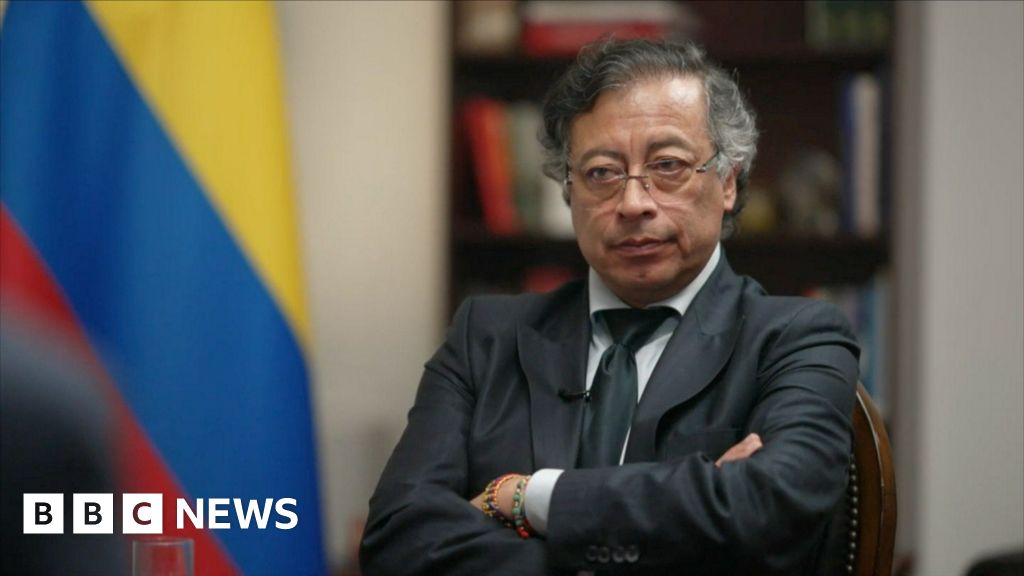
The recent US military strikes in the Caribbean Sea have ignited a fierce international debate over sovereignty, legality, and the future of U.S.-Latin American relations. The Biden administration, continuing a contentious policy from the previous Trump era, launched airstrikes targeting alleged drug-trafficking vessels in what they frame as a necessary crackdown on narcotics entering the United States. However, Colombia’s President Gustavo Petro has denounced these strikes as an “act of tyranny,” warning that such unilateral military actions threaten regional stability and violate international laws. His outspoken opposition underscores a broader sense of Latin American mistrust toward U.S. interventions, especially when international norms appear to be sidestepped in pursuit of drug interdiction goals.

This confrontation is not merely about drug traffickers but reflects a deeper battle over sovereignty and the rule of law across the hemisphere. The Biden administration’s secrecy around the operation—failing to disclose targets, identities of those killed, or legal justifications—has prompted outrage among international legal experts and lawmakers. Many question whether such targeted killings in international waters contravene international human rights laws or if they constitute extrajudicial executions, as flagged by UN authorities. The lack of transparency fuels accusations that the U.S. is prioritizing aggressive tactics over diplomatic efforts, risking to alienate critical regional allies.

Analysts from various international organizations warn that these actions could set a dangerous precedent, transforming the Caribbean Sea into a theatre of shadow warfare where sovereignty is disregarded in the name of combating narcotics. Historians point out that the United States’ history of military interventions in Latin America has often led to long-term instability, interference that has historically favored strategic interests over regional welfare. The question remains: How will such policies reshape the geopolitical landscape? Already, Venezuela and other neighboring nations voice increasing apprehension, seeing the strikes as provocative attempts to destabilize their governments and economic systems.

Meanwhile, President Petro has clearly framed this conflict as an assault on national sovereignty. His call for criminal investigations into U.S. officials involved in these strikes underscores a broader warning—interventionism breeds resentment and undermines mutual trust. As tensions intensify, the implications extend beyond immediate security concerns: they threaten to fracture regional alliances, fueling anti-American sentiment and strengthening nationalist narratives. The international community, including dissenting voices within the UN, is watching closely, with some experts warning that this escalation could unravel decades of diplomatic progress and usher in a new phase of proxy conflicts and rivalries.

As the world grapples with this unfolding crisis, the echoes of history remind us that such decisive moments often _determine the fate_ of nations for generations to come. With the weight of sovereignty, legality, and societal stability hanging in the balance, the geopolitical impact of these decisions will ripple across continents. Public sentiment in Latin America, influenced by a legacy of intervention and resistance, hints at a rising tide of nationalistic resilience—an obstacle that the United States now faces as it navigates an increasingly complex and divided world stage. The pages of history are being written at this very moment—with each strike, each diplomatic rebuff, shaping a future where control is contested not just in the halls of government, but in the minds of nations and peoples threatening to forge their own destinies amid the chaos of international power struggles.

Social Media Auto Publish Powered By : XYZScripts.com