Matox News

Truth Over Trends, always!

Private schools lose fight against VAT hikes, fueling debate on society's priorities
Private schools lose fight against VAT hikes, fueling debate on society’s priorities

Private Schools’ Challenge to VAT Removal Sparks Broader Social Debate

In recent developments, a coalition of low-fee private schools has actively contested the government’s decision to eliminate the VAT exemption previously granted to them. This move not only affects the financial sustainability of these institutions but also underscores the larger societal debates surrounding access to quality education and the widening economic divide within communities. As education remains a fundamental pillar of societal progress, the repercussions of policy decisions resonate beyond school walls, impacting families and shaping communities’ futures.

The removal of VAT exemption has ignited protests and legal challenges from private school advocates who argue that it threatens the affordability of education for many families. These schools, often providing an alternative to overstretched public education systems, serve a significant demographic that relies on manageable tuition fees. By imposing VAT, critics contend that the government risks exacerbating inequalities within society, especially for lower-income families who see private schooling as a crucial pathway for social mobility. Sociologist Dr. Laura Higgins emphasizes that such policies directly influence families’ access to education, ultimately affecting children’s prospects and social integration.

Historically, education has been viewed as a cornerstone of social cohesion, yet policy decisions like these *can threaten the fabric of community life if they favor those with more economic privilege*. From a social perspective, the challenge lies in balancing fiscal responsibility with ethical imperatives to foster equity and opportunity. The debate also raises questions about how societal values are reflected in policy. According to social critic Matthew Crowley, an increase in the cost of private education risks creating a divided society where the social mobility of lower-income families is compromised, with long-term ramifications for community stability and cohesion.

As the controversy unfolds, policymakers face the difficult task of considering the broader social consequences of their decisions. Advocates for inclusive education argue that public resources should be directed towards strengthening state institutions, yet they acknowledge that a diverse educational landscape can promote healthy competition and innovation. This dilemma touches on fundamental social issues—how societies value education, how they address inequality, and how they uphold the human dignity of all children. If the current trajectory continues, families may find themselves caught in a cycle of escalating costs and limited opportunities—undermining the very ideals of a fair and just society.

In reflecting on these social tensions, one is reminded of the words of societal reformer George Bernard Shaw, who once said, “Progress is impossible without change, and those who cannot change their minds cannot change anything.” As communities grapple with the challenge of ensuring equitable access to education, there is a vital hope that society can adapt—creating policies rooted in human rights, moral responsibility, and community solidarity. The path forward demands dialogue, compassion, and a relentless commitment to the transformative power of education—not just for individual success, but for the moral fabric of our society. Only then can society truly stand resilient against the forces that threaten to divide us, guiding future generations toward a shared destiny of opportunity and hope.
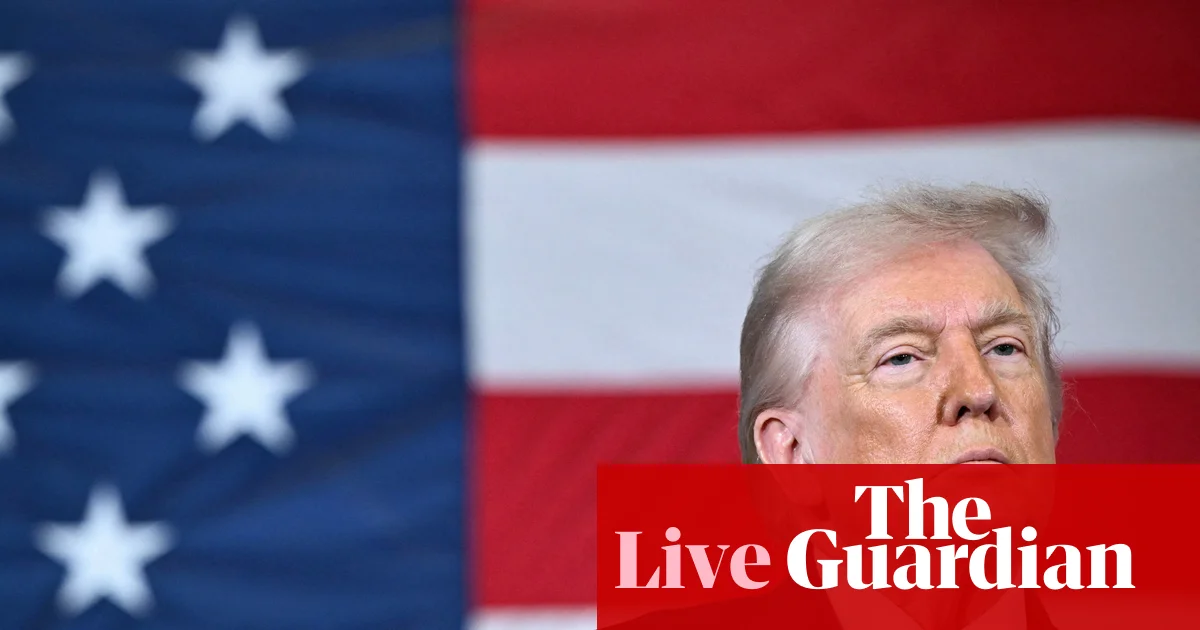
Only 32% of Americans believe Trump’s priorities are right — poll ahead of State of the Union

Global Power Plays Amid Political Turmoil and Military Posturing

As the United States prepares for yet another theatrics-filled State of the Union, the international landscape is brimming with a complex web of strategic moves, diplomatic tensions, and military maneuvers that underscore the ongoing power struggle on the world stage. Behind the scenes, the decisions made in Washington ripple outward, reconfiguring alliances, testing borders, and recalibrating the delicate balance of global influence. This is a critical moment in history where the choices of leaders will not only define domestic agendas but also have lasting consequences for geopolitical stability.

On the military front, the USS Gerald R. Ford, the world’s largest aircraft carrier, has reached the US naval base at Souda Bay, Crete, en route to join a burgeoning military buildup in the Middle East. The move signals heightened tensions, as Trump-era threats to Tehran repeatedly threaten to spark a new regional conflict. The President, who has openly threatened Iran with renewed military action over its nuclear program, now appears increasingly frustrated by diplomatic stalemates. According to sources, Trump’s advisers are weighing options for a strikingly forceful call to Iran, but caution persists due to the risk of escalating an already volatile situation. Analysts warn that any misstep could ignite a prolonged war in the Middle East, dragging global powers into a conflict that might shift regional power dynamics and destabilize international order.

Meanwhile, in the theatre of international diplomacy, the US State Department continues to issue advisories about Western Mexico amid ongoing cartel violence following the killing of a prominent drug lord. This situation reflects the broader implications of America’s border policies and counter-narcotics efforts that are often criticized for their impact on social stability and economic development in the region. The United States’ stance on border security, trade tariffs, and military intervention remains a key feature of its geopolitical posture, influencing policy decisions in neighboring countries and European allies alike. European nations, already rattled by the recent US Supreme Court ruling against Trump’s tariffs, now face the challenge of recalibrating their trade relations amid America’s impulsive economic tactics. The court’s decision has been lauded by conservatives but accused by liberals of sowing chaos and undermining executive authority, fueling ongoing battles over the proper scope of presidential power.

On the home front, the US political scene is equally tumultuous. Biden’s administration faces mounting pressure from both the left and right, as factions within Congress debate whether to attend or boycott the upcoming address. Several prominent Democrats, including the likes of Abigail Spanberger and Summer Lee, plan to deliver alternate rebuttals, signaling a rift that underscores the fragile unity of US political institutions. Meanwhile, Trump’s approval ratings continue their steep decline, with only a minority of Americans believing he holds the right priorities—highlighting the deepening divide and the turbulent state of American democracy. Observers like historians and political analysts warn that this systemic discord may herald a period of instability that could have profound ramifications for the future of the Western alliance. As the country braces for Trump’s lengthy and combative speech, other nations worldwide watch with bated breath, knowing that the domestic unrest and foreign conflicts are intertwined in a grander, treacherous geopolitical dance.

Chains of history are being forged in this tumultuous chapter, where decisions made today will echo across generations. In the vortex of military build-up, diplomatic upheavals, and political chaos, the weight of destiny hangs heavy. An uncertain future unfolds, where the boldest leaders’ choices may either forge a new era of strength and stability or plunge the world into chaos, leaving history to judge who truly understood the stakes. As the world stands at this crossroads, the unfolding narrative signals that the next few days may be pivotal—an epoch in the making that no observer can afford to ignore.

Senate Approves Funding Deal to Break Historic Government Shutdown—A Win for Conservative Priorities

The United States has just emerged from its longest government shutdown in history, a turbulent chapter that exposed the deep fissures within American politics and cast a long shadow over its geopolitical standing. The compromise legislation approved by the Senate on Monday signals a temporary pause in the chaos, extending government funding until January 2026, but its implications go far beyond domestic policy. As President Donald Trump voiced support from the Oval Office, this resolution underscores a broader narrative—one marked by internal division and strategic calculations that will reverberate through the corridors of power worldwide.

The legislation, which passed with a 60-40 vote, saw an unusual coalition of Democrats breaking ranks to join Republicans. Seven Democrats and a single independent defied party lines, motivated by the urgent necessity to reopen an incapacitated government and provide back pay to furloughed workers. Yet, the underlying issues remain unresolved; notably, the bill sidesteps the ***expiring healthcare tax credits*** central to the stalemate. As Senator John Thune promised a future Senate vote on these subsidies, analysts warn that this temporary fix merely papers over deeper fissures that threaten to destabilize the federal apparatus once again—conditions that an increasingly polarized U.S. can ill afford in an era of geopolitical upheaval.

International observers and seasoned analysts have pointed to how these internal disagreements influence the United States’ global image and strategic posture. The *transitory nature of U.S.* political consensus during such episodes signals vulnerability at a time when China and Russia are asserting themselves more aggressively on the world stage. The delays and internal conflicts in Washington diminish America’s ability to project strength and stability—an essential attribute for maintaining alliances and deterring adversaries. Organizations like the World Economic Forum and geopoliticians worldwide cite this dysfunction as a weakening factor in America’s leadership and its capacity to shape policies on climate, security, and trade that are critical for global stability.

Within the domestic realm, the repercussions are tangible and severe. Hundreds of thousands of federal workers missed paychecks, vital services faced disruption, and the transportation sector warned of heightened strain due to staffing shortages. The voices of analysts and historians have been clear: such crises are not merely political theatrics; they are turning points that redefine national resilience. The debate over healthcare subsidies and government funding reveals ideological contestation over the very future of American governance—an age-old struggle between intervention and limited government, now exposed sharply against the backdrop of contemporary geopolitics. As the smoke clears, the question remains: how will these internal battles shape the policies of tomorrow and the international reputation of a nation that perceives itself as a beacon of democracy?

For now, the country has a fleeting respite, but the shadows of unresolved conflicts loom large. The decisions made in Washington will echo in history’s chambers, shaping the course of nations and the order of the world. As the dust settles on this chapter, the true test begins—not only with resurrected government agencies but with the resolve to forge a united front that can withstand the external pressures of a world no longer waiting for American leadership. The pages of history are turning, and the story of this bitter, divided nation remains unwritten—its next chapters destined to be written in the crucible of ongoing conflict and resilience.

Nationals ditch net zero goal after party room vote—getting back to real priorities

Australia’s Internal Political Shift Threatens Global Climate Commitments

The recent decision by the National party to dismantle its net zero emissions commitments marks a significant and controversial pivot in Australia’s domestic policy landscape. Following a unanimous vote in their party room, the Nationals declared their intention to abandon the 2050 climate target that had previously aligned Australia with international efforts to combat climate change. This move not only signals a fracture within Australian politics but also echoes a broader geopolitical impact—potentially weakening global climate initiatives and emboldening fossil fuel interests amid worldwide efforts to reduce emissions.

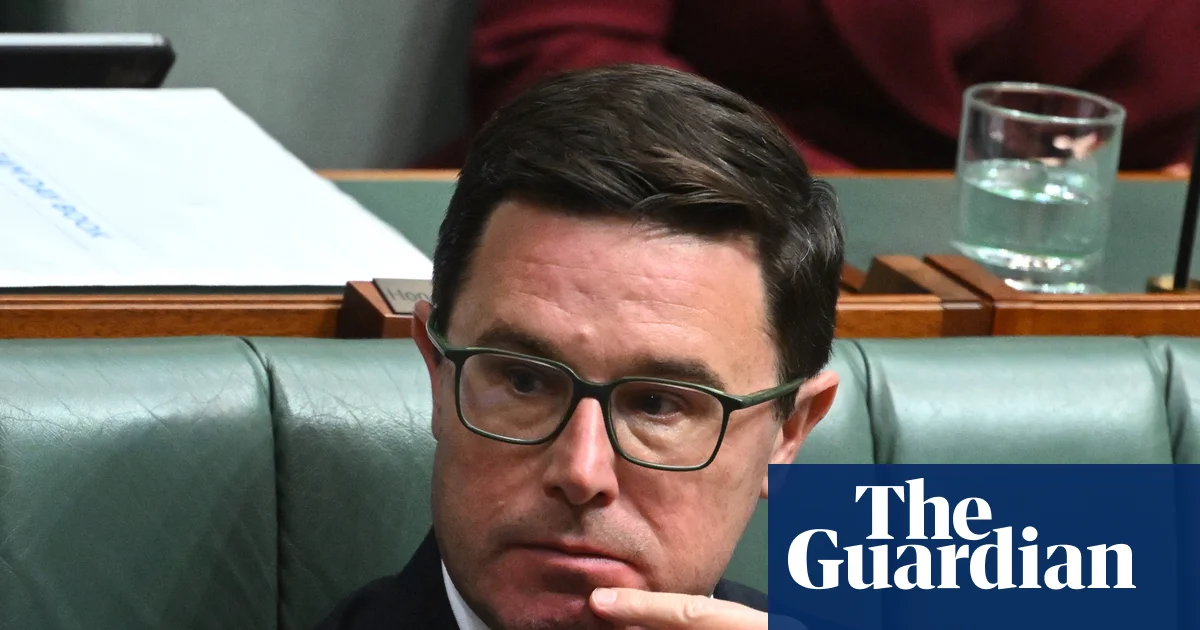
Led by David Littleproud, the Nationals now favor a trajectory that emphasizes “aspirations” over firm targets, aiming to synchronize Australia’s emissions reduction strategy with those of other OECD nations. This approach is rooted in reasserting regional economic priorities, claiming that regional Australia is suffering due to strict energy policies. Critics, including international analysts and climate advocates, warn that this shift effectively signals a retreat—one that could erode the UN’s global climate agenda and lessen Australia’s influence in regional environmental diplomacy. By rejecting the legally binding Climate Change Act and teetering on leaving the Paris Agreement, Australia risks isolating itself just as the world presses for collective action—an act viewed by many as a betrayal of its international responsibilities.

Internal Coalition Discontent and Its Broader Geopolitical Ramifications

The internal tensions within Australia’s traditional Coalition underscore a larger debate about economic sovereignty and environmental responsibility. While the Liberal Party continues its debates under the leadership of Dan Tehan and aims to resolve policy splits by Christmas, the Greens and independent analysts have characterized the Nationals’ stance as reckless. Some experts argue that Australia’s diplomatic standing in the Indo-Pacific region, especially with Pacific islands increasingly vulnerable to climate change, is at stake. As analysts from southern think tanks warn, the move is a stark demonstration of how short-term political gains can undermine long-term international relationships and regional stability.

  • In 2021, the coalition supported a net zero by 2050 target, legislated by the Albanese government in 2022—highlighting the depth of recent policy shifts.
  • The senator Sarah Hanson-Young, representing the Greens, denounced the decision, claiming it abandons future generations and Australian regional influence.
  • International organizations and climate experts fear that if Australia fully retreats from its climate commitments, the country could become a pariah, undermining not just environmental diplomacy but also regional economic stability.

The Larger Context: A Nation at a Crossroads

This development resonates beyond Australia’s borders, illustrating a global trend of energy sovereignty debates and the rising influence of fossil-fuel interests. As historians observe, such internal political shifts often serve as turning points—shaping the trajectory of national and international climate policies for decades to come. The Australian case exemplifies how internal partisanship, when rooted in economic nationalism, can threaten the fabric of global efforts to address climate change, which many say is *the* defining crisis of the 21st century.

With the strategic corridors of Asia-Pacific geopolitics hanging in the balance, the world watches as Australia’s leaders grapple with decisions that will influence energy policies, regional alliances, and the global reputation of a nation that once positioned itself as a responsible player on the international stage. Like a chapter in a grand saga, the unfolding story of Australia’s climate policy reflects the ongoing struggle between economic sovereignty and global responsibility—a struggle that history will record, shaped by the choices made in meeting the challenge of climate change. As the pages turn, the weight of these decisions will echo through time, signaling whether this pivotal moment will be remembered as a retreat from leadership or a step toward resilience in an uncertain world.

Social Media Auto Publish Powered By : XYZScripts.com