
In an era where geopolitical stability is increasingly intertwined with domestic policy shifts, the United States faces a pivotal crossroads. Recent upheavals within the U.S. Forest Service highlight the deeper fissures in the American political landscape—fissures that echo far beyond the borders of Montana. The abrupt termination of a quarter of Montana’s Forest Service employees, many with decades of service and personal hardship, exemplifies a trend of fiscal austerity measures and ideological assaults on public land stewardship. Such actions raise questions about how the priorities of government influence societal cohesion and the international reputation of a nation that claims to champion environmental conservation and social justice.
The story transcends local employment issues; it illustrates the concerted efforts by political elites, notably former Interior Secretary Ryan Zinke, to leverage public lands for corporate gain. Zinke’s record—characterized by his return to Congress and his tight alignment with industry interests—underscores a broader national and global debate. Critics argue that policies favoring extractive industries, under the guise of defending public lands, threaten not only environmental integrity but also social equity. International watchdogs, like the United Nations Environment Programme, warn of the long-term geopolitical consequences of unchecked resource exploitation—potentially fueling regional conflicts, displacing indigenous communities, and undermining international conservation treaties.
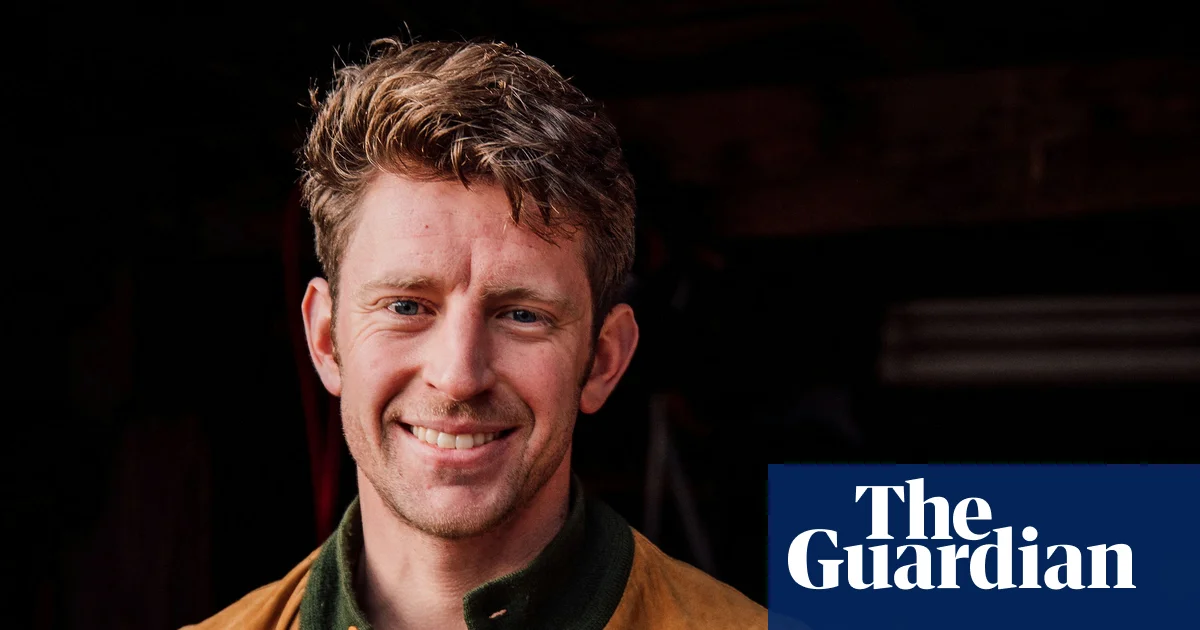
Within this turbulent domestic landscape, independent voices like Sam Forstag are emerging as defenders of the working class. Forstag’s candidacy for Congress disrupts the traditional politicization of public lands and workers’ rights—a battle that resonates globally. His campaign reflects a larger movement rallying around tangible policy solutions, including
- expanding affordable housing
- universal childcare
- reforming healthcare
. Such policies, analysts argue, are essential not only for restoring domestic stability but also for asserting national sovereignty amidst powerful global forces seeking to suppress those who stand for their communities. The debate is about more than elections; it is about the future direction of a nation that once championed individual enterprise and community resilience, now threatened by a tide of corporate imperialism.
As the 2026 midterms approach, the world’s gaze turns to Montana—yet what unfolds there will ripple across seas and continents. The fate of leaders like Zinke and insurgent voices like Forstag is intertwined with the international ecosystem of geopolitics and environmental stewardship. The narrative of American policymaking underpins the shifting alliances and power dynamics that shape global stability. With each contested vote and policy battle, history is being written—one that may determine whether nations capitalize on newfound unity or succumb to division and exploitation. The weight of history, once unfathomable, now presses firmly on this pivotal chapter: will the choices made today solidify a future of resilience and national sovereignty, or carve a path toward perpetual chaos? The answers remain unwritten, but the story is far from over.