Matox News

Truth Over Trends, always!

Over 1,500 Venezuelan Political Prisoners Seek Amnesty—A Bold Step Forward

The recent announcement by the head of Venezuela’s National Assembly marks a pivotal moment in the ongoing political upheaval within the nation. This statement, issued amidst intense pressure from the United States, follows the controversial capture of ex-President Nicolás Maduro, heightening tensions across the unpredictable landscape of Latin American geopolitics. The move underscores a complex interplay of domestic resistance and international intervention, with broad implications for regional stability.

Historical analysts and international observers underscore that the situation in Venezuela is at a critical turning point. The international community, led by the US, perceives the current crisis as an opportunity to reshape Venezuela’s leadership, driven by strategic interests ranging from oil security to regional dominance. The US-backed push to challenge Maduro’s authority echoes a persistent policy aimed at displacing what Washington considers a destabilizing regime, fostering a climate of uncertainty that resonates far beyond Latin America’s borders. Experts warn that such actions risk destabilizing not only Venezuela but also the broader geopolitical balance in the Western Hemisphere, where historically fragile alliances are tested.

Amid this turbulent backdrop, global institutions such as the United Nations and regional bodies like the Organization of American States face mounting pressure to take sides. While some advocate for diplomatic resolution and respect for Venezuela’s sovereignty, others call for decisive intervention, seeing the current chaos as a vulnerability that could be exploited by external actors. Such decisions are fraught with risk, as they could either usher in a new era of stability or plunge the nation—and possibly the continent—into further unrest. Meanwhile, Venezuelan society, polarized and strained, watches closely, vulnerable to the ripple effects of international machinations. The country, heavily dependent on oil exports, finds its economic and social fabric fraying further as the global powers contend for influence over its future.

Historically, upheavals of this magnitude have served as warnings about the high costs of external intervention and internal neglect. International organizations and independent analysts emphasize the importance of sovereignty and sustainable political solutions over short-term power plays. Nevertheless, the momentum from US pressures and the ongoing detention of Maduro cast a long shadow over Venezuela’s stability, turning the nation into a symbol of broader geopolitical struggle. As the world watches, history appears poised to record whether this crisis becomes a turning point toward renewed democracy or a descent into chaos—a warning tale in the making, where decisions made in distant boardrooms and capitals will inevitably determine the fate of millions. And as the echoes of this moment reverberate across time, one thing remains clear: the unfolding chapters of Venezuela’s future will be watched with bated breath, for history itself is at a crossroads, waiting to be written.

Rising Calls to Free Venezuelan Political Prisoners Highlight Urgent Need for Justice

Venezuela’s Prisoner Release: A Sign of Shifting Political Tides or Strategic Gesture?

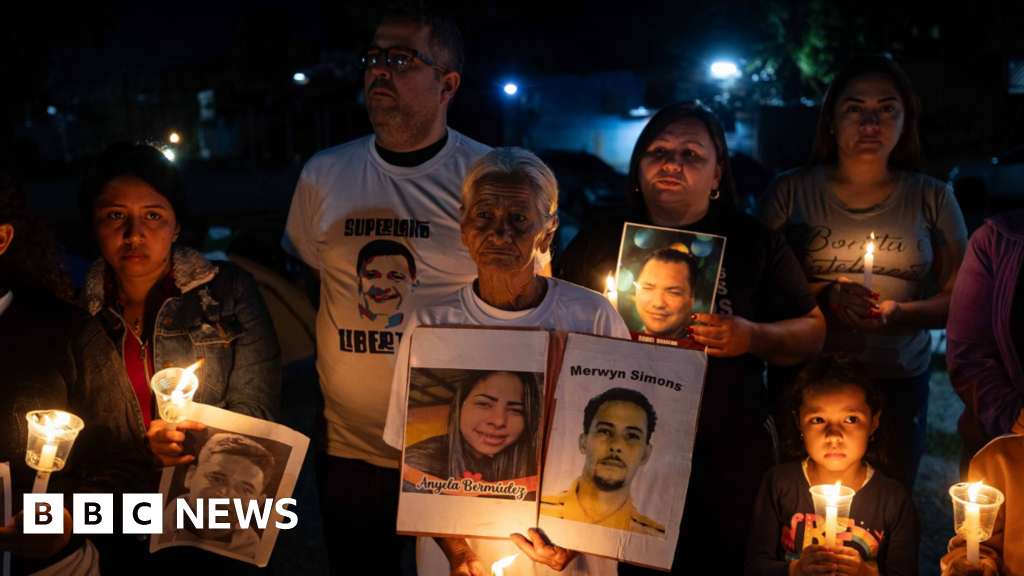
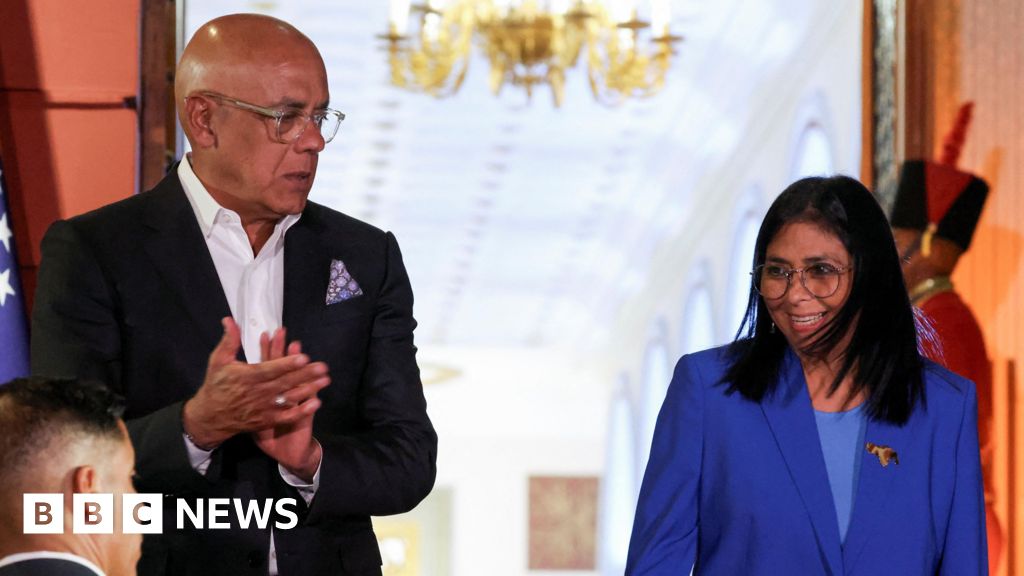
Since 8 January, a dedicated vigil has been underway outside a Venezuelan police detention facility, marking a significant development in the ongoing political saga that continues to shape the fate of this turbulent nation. The initiative was announced by Jorge Rodríguez, the head of the Venezuelan National Assembly, who declared that “a significant number” of prisoners would be freed as a *”goodwill gesture”* aimed at demonstrating the *”interim government’s*” desire for *”peace”*. This move, hailed by some as a step toward reconciliation, has resonated within the broader context of Venezuela’s ongoing political crisis, highlighting how decisions on prisoners and political concessions carry far-reaching geopolitical implications.

From an international perspective, this gesture comes amid escalating tensions involving various national and global actors who are keenly observing whether Venezuela’s internal disputes will give way to genuine reform or simply serve as a temporary façade. Russia and China, long-standing allies of President Nicolás Maduro, have supported the status quo, emphasizing stability and sovereignty. Conversely, Western nations, led by the United States, continue to press for democratic reforms and human rights improvements, often framing such prisoner releases as *”initial steps”* within a broader strategy. Analysts, referencing reports from organizations like the United Nations, warn that “such gestures must be accompanied by comprehensive political dialogue” to avoid superficial demonstrations that fail to address deeper systemic issues.

Within Venezuela, the move reflects a complex interplay of domestic and international pressures. Supporters see it as a *”glimmer of hope”* amid persistent economic hardship and political repression, while critics argue that these releases are merely tactical, aimed at softening international criticism while maintaining control. For historians and political analysts, this event underscores a crucial *”turning point”* — a test of the interim government’s sincerity and the resilience of opposition forces. As globally renowned analyst Michael C. Doyle points out, \u201Cthe decision to free prisoners is a calculated step, but it’s also a reflection of a power struggle where concessions are often less about principle than strategic positioning.\u201d This reflects a broader trend seen in complex sovereign crises: concessions are carefully negotiated to preserve core interests while projecting an image of reform.

For the international community, the significance of such decisions cannot be understated. How Venezuela’s internal machinations play out directly impacts regional stability in Latin America, influences global energy strategies, and tests the mettle of multilateral institutions tasked with promoting peace and democracy. As nations watch with cautious optimism and guarded skepticism, the unfolding narrative remains a stark reminder: the sands of history are shifting, but the outcome remains uncertain. Will this gesture of goodwill herald a genuine shift toward peace or become another chapter in a long-standing game of geopolitical chess? The world waits, apprehensively aware that the outcome of events in Venezuela could ignite or quench hopes for a more stable and just hemisphere.

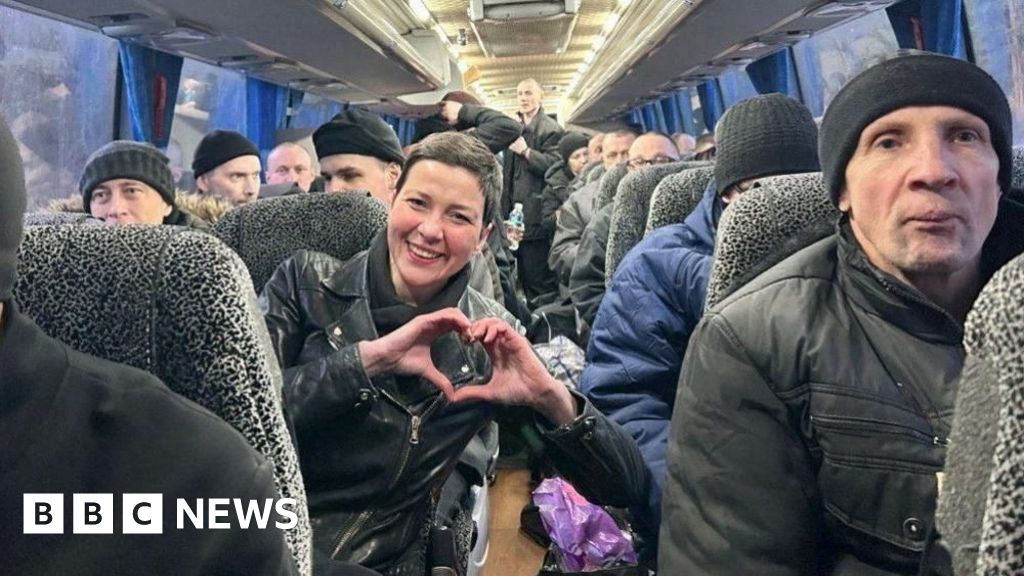
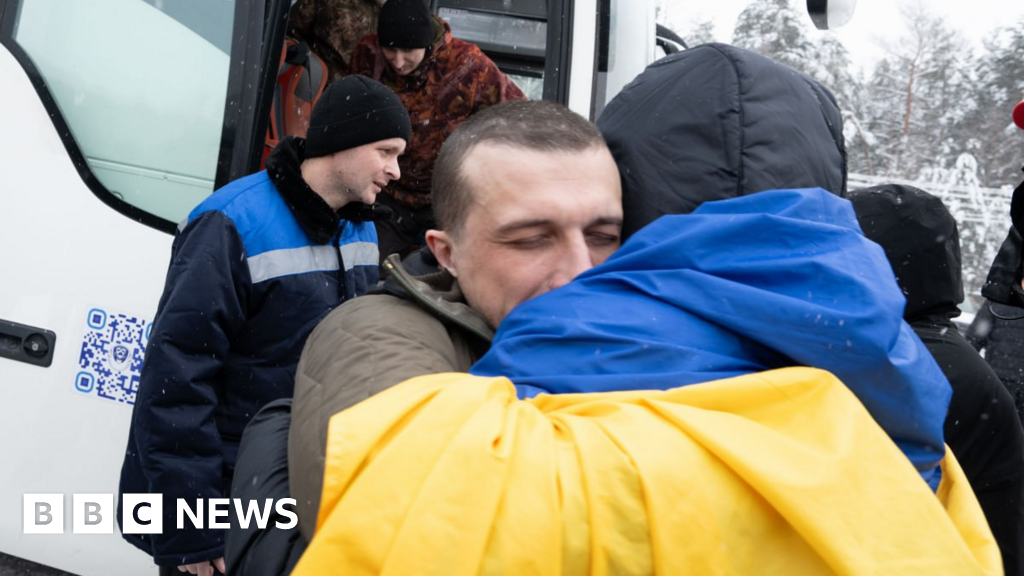
Russia and Ukraine Swap Prisoners as Peace Talks Stall

Diplomatic Efforts in the UAE Signal High Stakes in the Ukraine Conflict

In a pivotal move that underscores the escalating urgency of the ongoing Ukraine conflict, Russian, Ukrainian, and US delegations convened in the capital of the United Arab Emirates to negotiate, aiming to find a path toward peace. While details remain tightly guarded, sources indicate that the core issues revolve around territorial concessions Ukraine faces pressure to relinquish and security guarantees vital for Ukraine’s sovereignty and safety. These talks mark a significant shift in diplomatic efforts, illustrating an international community deeply concerned about the conflict’s destabilizing effect on regional and global stability.

Upholding the narrative of the West’s strategic interests, analysts suggest that the negotiations highlight a complex web of geopolitical calculations. The central question remains: can Ukraine surrender some territory without losing its sovereignty? or will the negotiations merely serve as a temporary respite before further escalation? The United States, alongside European allies, continues to weigh a delicate balance—supporting Ukraine’s fight for independence while simultaneously exploring avenues to contain the conflict. “This is about preventing a broader Eurasian conflict,” observes Dr. Jane Henshaw, a prominent historian in international relations, warning that missed opportunities could further entrench divisions and prolong the war.

Strategic Implications for Global Power Dynamics

The potential outcomes of this diplomatic dialogue have far-reaching consequences, extending well beyond the immediate East European theater. Russia’s strategic objectives appear aimed at securing territorial gains while asserting influence over Ukraine, positioning itself as a formidable regional power. Conversely, Ukraine and its western allies insist on maintaining sovereignty and territorial integrity, emphasizing the importance of security guarantees to deter future Russian aggression. The negotiations also hold significance for other global actors, who observe intently, aware that the decisions made will set precedents for international conflict resolution.

International organizations, including the United Nations and the European Union, are closely monitoring developments. While some analysts warn of the risk of a drawn-out stalemate, others contend that diplomatic engagement signals a possible pivot toward peace or at least a fragile ceasefire. Such shifts could alter the trajectory of this four-year war and reshape the geopolitical landscape for years to come. The implications for NATO and its eastern flank are profound—an unresolved conflict could test the alliance’s unity and redefine the boundaries of security cooperation in the 21st century.

History’s Unfolding and the Weight of the Present

As history records this critical juncture, the world stands on the precipice of a future that remains uncertain. Some scholars warn that the outcome of these negotiations could either forge a new era of peace or cement a period of enduring unrest and division. The weight of decisions made today will echo through generations, shaping international norms and expectations for conflict resolution. The shadow of history looms large, reminding all that diplomacy is often a delicate dance—one misstep can lead to chaos, yet prudent diplomacy offers the hope of a more stable future.

This chapter in global history remains unfinished, with each sideline and handshake carrying the potential to alter the course of nations. As the world watches with bated breath, the stakes could not be higher: the possibility of peace hangs in the balance, while the echoes of war continue to reverberate across borders, continents, and the collective consciousness of humanity. The unfolding story may yet reveal the resilience of diplomacy or the devastating cost of missed opportunities, but the next moves made today could define the future of international order for generations.

Venezuela Releases Dozens of Political Prisoners, Human Rights Group Reports

Venezuela’s Political Prisoner Releases: A Tactical Move Amid Growing International Tensions

In a striking development that underscores the ongoing geopolitical struggle between the United States and Venezuela, reports indicate that at least 80 political prisoners have been released from captivity. According to a leading Venezuelan human rights organization, these releases are largely attributed to pressure exerted by Washington, which recently seized Venezuelan President Nicolás Maduro in a covert operation in New York and took him to stand trial on drug trafficking charges. This move by the US signals a significant escalation in its approach to Bolívarian politics, aiming to destabilize the Maduro regime and shift regional power dynamics.

Since the drug-trafficking raid, Caracas has been under mounting international scrutiny. Venezuelan interim President Delcy Rodriguez claimed that more than 600 prisoners had been freed—an assertion swiftly contested by Foro Penal, a reputable human rights group, which stated that the figure has likely been inflated. Meanwhile, the group has confirmed the release of 156 political detainees since early January—many of whom remain in limbo without formal charges dropped, effectively barred from speaking publicly. Such measures highlight the Venezuelan government’s ongoing efforts to diffuse internal dissent while managing international image.

Legal limbo and suppression continue to haunt many of those released. Gonzalo Himiob, a lawyer representing Foro Penal, emphasized on social media that the number of freed prisoners might increase as verification continues. This cautious optimism comes amid accusations from human rights activists who contend that the regime’s motivation is less about justice and more about manipulating international perception. The impending phone call between Rodriguez and the United Nations High Commissioner for Human Rights reflects a fraught attempt to legitimize the releases while navigating accusations of political repression. Critics argue that the Venezuelan government has long exploited arrests to silence critics and suppress opposition—especially following the disputed 2024 presidential election, which Maduro claimed victory amid widespread allegations of fraud.

This scenario reveals a delicate geopolitical balancing act. While the US aims to weaken Maduro’s influence, its intervention risks further destabilizing Venezuela—potentially opening the door to greater chaos and regional insecurity. Analysts warn that international pressure could push Caracas to double down on authoritarian measures, using the guise of political openness as a façade for continued repression. Historically, such tactics have created a volatile environment, fostering lawlessness and deepening societal divisions. The situation remains volatile, with the weight of history pressing down; the steps taken today might echo through generations, defining whether Venezuela’s future will be marked by renewed hope or irreversible decline.

Belarusian prisoners celebrate freedom as US sanctions are lifted

The recent release of 123 political prisoners from Belarus marks a significant, albeit complex, turning point in Eastern European geopolitics. After years of brutal repression under Alexander Lukashenko, the dictator whose grip on power has strained Belarusian society and alarmed Western democracies, this move signals a delicate shift in diplomatic engagement. Driven largely by intense negotiations led by the United States and facilitated through high-profile visits by envoys like John Coale, the prisoner releases seem to hint at a broader strategy—one aimed at softening Belarusian authoritarianism and re-establishing US influence in the region.

The Geopolitical Impact of the Prisoners’ Release

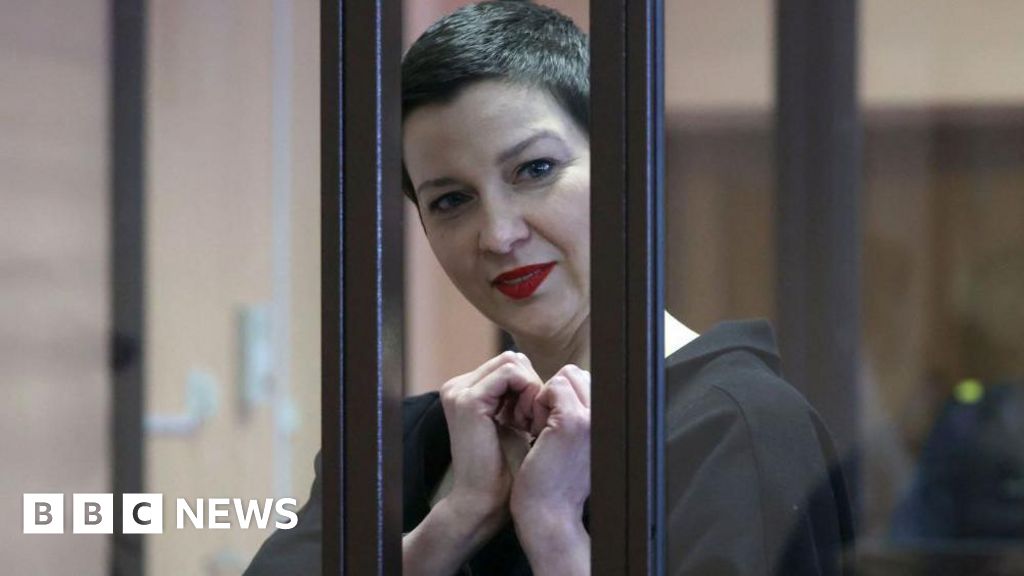
  • First, this development alters the geopolitical landscape of Eastern Europe, where Belarus sits as a critical buffer zone between Russia and NATO member states. The release of opposition figures such as Maria Kolesnikova and Ales Bialiatski, who have long represented the resilient spirit of the Belarusian democracy movement, underscores a potential opening for reform—or at least a strategic diplomatic maneuver. Analysts emphasize that Lukashenko’s decision might be motivated less by genuine liberalization and more by diplomatic necessity, as he seeks to regain favor with the West and break free from international sanctions.
  • Secondly, the softening stance affects how societies in Belarus and neighboring countries perceive resistance and authoritarian control. The emotional scenes of prisoners reuniting with families in Vilnius and Kiev serve as symbolic victories for activists, demonstrating that even in the shadow of repression, hope persists. However, critics warn that these releases could be carefully calibrated to contain dissent rather than dismantle Lukashenko’s autocratic machinery.
  • Finally, this move is intricately tied to the ongoing conflicts surrounding Ukraine and Russia’s military ambitions. With Belarus as an active military partner of Moscow, any diplomatic thaw within Belarus could influence the wider security dynamics of the region. Significantly, the US’s engagement may be viewed by Moscow as a provocation or a sign of shifting loyalties, possibly prompting Russia to strengthen its military presence or diplomatic pressure.

How Decisions Shape Nations and Societies

The decision to release these prisoners is a nuanced calculation that goes beyond human rights advocacy; it exemplifies how international diplomacy directly influences national trajectories. As historians like Anne Applebaum suggest, every such move contributes to the evolving narrative of sovereignty and resistance in post-Soviet politics. The hope for many in Belarus is that this moment signals a genuine push toward reform, but the warnings from analysts remain clear—authoritarian regimes often use strategic gestures to mask deeper power consolidations.

Meanwhile, the societal ripple effects are profound. For the Belarusian opposition and its supporters worldwide, these releases bolster a spirit of activism and resilience. Yet, lingering fears remain among critics—whether these prisoners will be replaced, and whether true democratization is truly within reach. The international community now watches keenly, knowing that such moments are fleeting, and history’s pen is poised to continue writing the fate of Belarus amidst the shadows of great power rivalries.

As the dust settles and the diplomatic chessboard shifts, the weight of history reminds us—what begins as a moment of liberation can quickly become a new chapter in the ongoing contest for influence, freedom, and sovereignty in a region that has never known true peace. The world peers into Belarus’s future, unsure whether this recomposition of alliances offers hope or merely a temporary pause before the next act of a complex geopolitical drama.

BBC reports Belarus releasing political prisoners amid celebrations

In a striking development that signals a potential recalibration of Belarusian politics and international relations, the authoritarian regime in Belarus has released 123 prisoners following an abrupt change in U.S. foreign policy. Central to this move are figures like Maria Kolesnikova, a recognized opposition activist, and Ales Bialiatski, the Nobel Peace Prize laureate whose imprisonment had drawn widespread international condemnation. This decision marks a significant turning point in the ongoing conflict between the West and Lukashenko’s government, emphasizing how economic sanctions and diplomatic pressure influence political trajectories.

The U.S. government’s decision to lift sanctions appears to be a strategic maneuver designed to foster dialogue and stability within the region, yet it also signals a shift in Washington’s approach toward Belarus. Analysts from the International Crisis Group suggest this move could open the door for greater engagement, but it also raises suspicions about whether Minsk’s leadership might exploit this gesture to consolidate power. From the perspective of Russia, which continues to wield indirect influence over Minsk, this development could serve as a means to tighten its own grip in Eastern Europe, especially as geopolitical tensions remain heightened over Ukraine and NATO’s eastern flank.

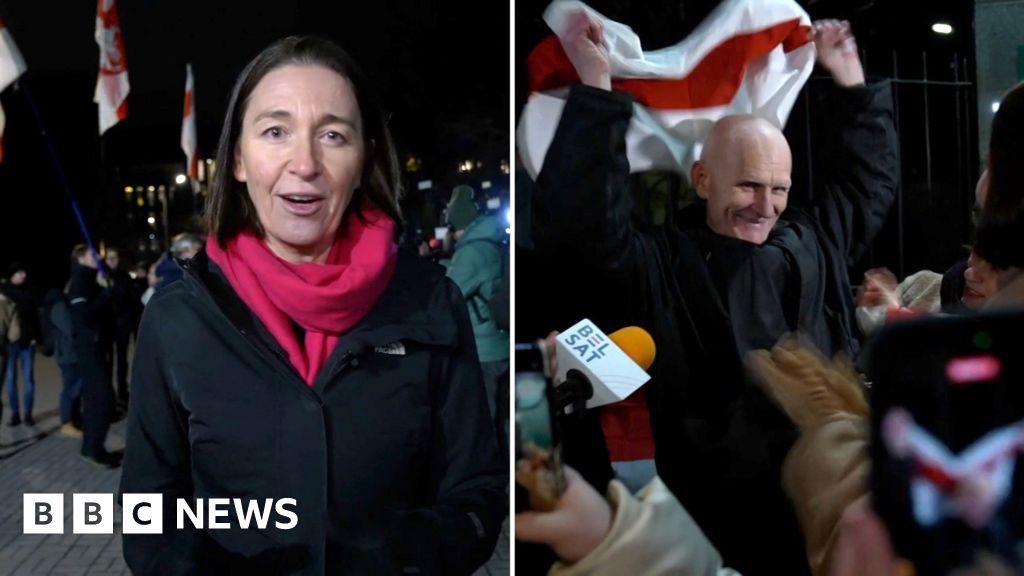
Correspondents such as Sarah Rainsford from the BBC report from Lithuania, where some of the released prisoners have been taken, indicating the broader regional implications. Lithuania, along with the Baltic states, has long viewed Belarus as a security concern, particularly due to Lukashenko’s cozy ties with Moscow. The prisoner releases underscore the fragile negotiations taking shape, but they also threaten to destabilize the existing equilibrium, prompting concerns that the international community’s efforts to promote democracy and human rights in Belarus could be compromised by diplomatic realpolitik.

Historically, Belarus has been a key piece in the geopolitical chess game between Russia and the West. As noted by geopolitical analysts, previous attempts to influence Minsk were often met with skepticism, given the regime’s resilience and strategic alliances. While the recent prisoner release might seem like a reciprocal gesture, it remains to be seen whether this is a fleeting diplomatic gesture or a genuine step toward reform. Many international experts warn that without substantive reforms, the underlying issues of authoritarianism and regional instability will remain unresolved, leaving history poised at a dangerous crossroads.

As Belarus treads this delicate path toward potential détente, the weighing of its decisions extends far beyond its borders. The decisions made today—whether they lead to genuine change or temporary appeasement—will ripple across the Eastern European landscape. The unfolding story remains a testament to how history’s pendulum swings, driven by the relentless forces of geopolitics and the enduring quest for power, sovereignty, and stability. In the shadow of the U.S.-Belarus deal, each step forward carries the weight of a continent watching, waiting—an epoch’s destiny hanging in the balance, as the future of collective freedom and authoritarian endurance continues to be written in the margins of history.

Belarus Releases 123 Prisoners Following US Sanctions Rollback

In a significant development that signals a potential shift in geopolitical dynamics, Belarus has released 123 prisoners, including prominent opposition figures such as Maria Kolesnikova and Nobel Peace Prize laureate Ales Bialiatski. This move follows an agreement with the United States to lift key economic sanctions, notably those targeting Belarus’s vital potash exports, which are crucial to the country’s economy and global fertilizer markets. The diplomatic negotiations, held in Minsk with US special envoy John Coale, mark an unusual departure from the longstanding Western policy of isolation and sanctions towards Minsk, and suggest a recalibration of international relations amid evolving regional priorities.

Historically, Belarus, under Alexander Lukashenko, has faced persistent international criticism, especially from the European Union, which does not recognize his presidency following contested elections in 2020 that sparked mass protests. Yet, the recent prisoner releases and the easing of sanctions reveal a strategic pivot by Lukashenko to re-establish economic ties and secure external support, despite internal repression and ongoing political repression. Analysts suggest that these moves serve to bolster the regime’s legitimacy and prepare Belarus for a more negotiated future, while Lukashenko’s government attempts to reframe itself as a pragmatic player in regional security, particularly amidst Russia’s expanding influence.

The geopolitical impact of this shift extends well beyond Minsk, especially in the context of the ongoing conflict in Ukraine. The US and its allies have long sought to isolate Minsk due to its close ties with Russia; however, recent developments involving Minsk’s negotiations with Washington and the potential offering of assistance in Ukrainian peace talks signal a more complex dynamic. The US has indicated that further sanctions relief could follow, a move that is likely to generate tension with European partners committed to maintaining pressure on Minsk for its role in Moscow’s regional ambitions. Notably, the cooperation with Lukashenko also comes at a time when Western powers are recalibrating their strategies, balancing sanctions with diplomatic engagement in pursuit of broader stability and peace.

The historical scrutiny from international bodies and geopolitical strategists underscores the significance of these recent developments. Historian and international analysts have debated whether this signals a genuine change in Belarus’s foreign policy or a tactical maneuver by Lukashenko to withstand pressure from domestic opposition and regional threats. Meanwhile, the United Nations and European Union are watching closely, aware that decisions made now will shape the trajectory of Eastern Europe’s stability for years to come. As the international community grapples with these shifts, one thing remains clear: the future of Belarus, Russia, and Ukraine’s borders is a chapter still being written, with each move adding new layers to a complex geopolitical puzzle. The unfolding story reminds us that history’s pen is never truly still, and that tomorrow’s outcome rests on today’s pivotal decisions—decisions that will echo across continents for generations.

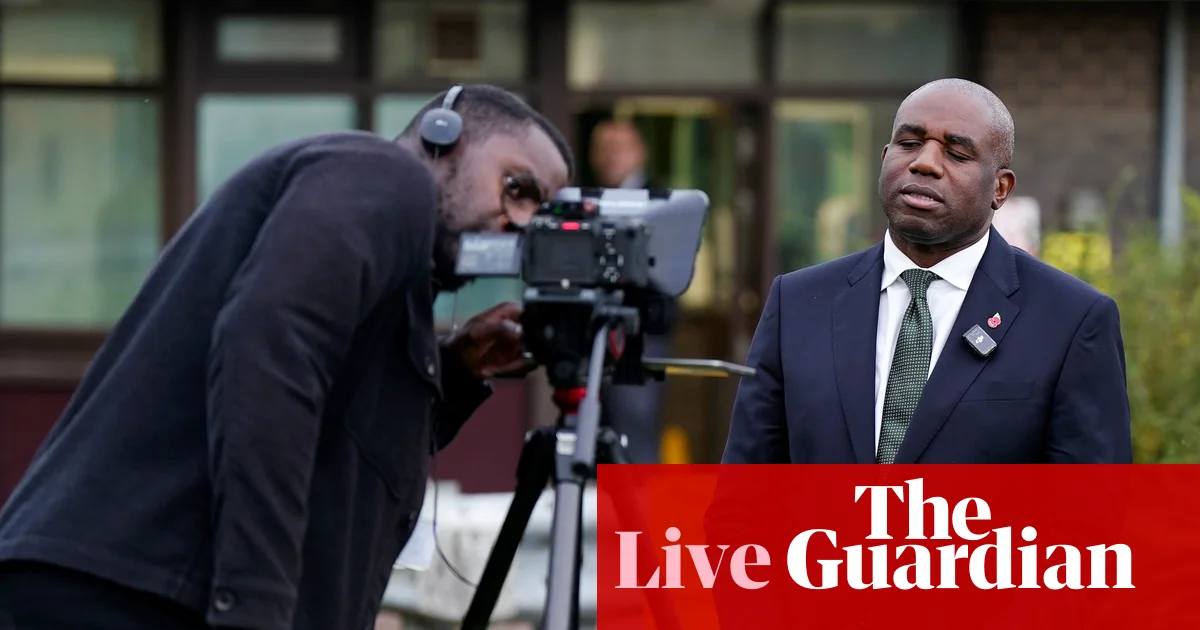
Minister blames ‘broken system’ for releasing prisoners, defends David Lammy — UK politics update

UK Prison System Crisis: A Reflection of Broken Governance

The recent controversy surrounding the mistaken release of prisoners in the United Kingdom exposes more than just a scandal—it reveals a systemic failure that holds profound geopolitical implications. At the core, this crisis underscores a Government grappling with inadequate institutional capacity, especially in criminal justice, which in turn affects national stability and international credibility. As international organizations and domestic analysts scrutinize these failures, the message is clear: the world is watching how Britain manages its most vulnerable institutions—because societal stability today reflects a nation’s strength tomorrow.

The government, led by Prime Minister Rishi Sunak and heavily influenced by Home Secretary Suella Braverman, has faced mounting criticism over the recent prisoner release debacle. Critics highlight that this is not just an isolated mistake but rather symptomatic of broader issues—namely, the broken and underfunded system for managing prisoner data and release procedures. David Lammy’s role as the Justice Secretary has come under intensive scrutiny, as reports now suggest that mistakes in prisoner releases—potentially numbering into the hundreds—are linked to an archaic, manual processing system vulnerable to errors. This directly compromises public safety and raises questions about the UK’s ability to project stability and order—elements that are vital in a geopolitically turbulent world where confidence in security institutions influences diplomatic standing.

International Repercussions and Sovereignty Challenges

Internationally, the crisis threatens to deepen the skeptics’ view that the UK is increasingly fragmented in its governance, with historians and analysts warning that such internal instability could embolden adversaries or weaken alliances. The European Union, along with other allies, may question the UK’s capacity for reliable cooperation on law enforcement and counter-terrorism—areas that are essential for collective security. United Nations reports emphasize that the perceived decline in institutional integrity can undermine global efforts to foster peace, especially when a major nation like the UK appears unable to manage its internal safety net effectively.

Furthermore, the domestic turmoil has generated a ripple effect, challenging the rule of law and affecting societal cohesion. As analysts point out, a broken prison system does not merely propagate dangerous offenders; it fosters mistrust among the populace, which in increasingly polarized societies can threaten social stability and national resilience. The situation has prompted leaders like Keir Starmer to defend the government publicly, claiming accountability must be enhanced through increased digitization and improved oversight —a solution that some critics argue echoes the need for a fundamental overhaul rather than band-aid fixes.

Turning Point in Governance

Indeed, this crisis is a pivotal moment—an inflection point that demands leaders and society alike confront the rotten core of a broken system. The decision to digitize and overhaul prison release procedures represents a necessary, albeit long-overdue, forensic cleansing of the judiciary’s administrative machinery. Historians remind us that systemic failures like these often serve as a catalyst for either reform or collapse. Therefore, the weight of history is upon policymakers to heed the warning signs before chaos becomes entrenched. How Britain responds will determine whether it emerges stronger or succumbs to the consequences of political neglect—a lesson echoed by countries that have faced similar crises in the past.

As the world watches in tense anticipation, the question remains: will the decisions taken now forge a resilient future or deepen the cracks in Britain’s societal fabric? The answers will be etched into the annals of history, a stark reminder that in governance, as in life, failure to address systemic flaws inevitably bears its price—a legacy that can either be one of renewal or ruin.

Social Media Auto Publish Powered By : XYZScripts.com