Matox News

Truth Over Trends, always!

MoD drops millions on private schools to sideline Welsh language, sparking outrage among youth and society

Society at a Crossroads: The Impact of Language and Military Support on Welsh Communities

In contemporary Wales, social tensions surrounding language preservation and support for military families reveal deeper challenges faced by communities striving to balance cultural identity with societal needs. At the core of this debate is the funding allocated by the Ministry of Defence (MoD) to support service personnel and their children. According to recent figures obtained through the Freedom of Information Act, nearly £1 million is spent annually to send children to private schools in north Wales, primarily because* state schools teach lessons partly or entirely in Welsh. This expenditure highlights how cultural shifts and linguistic priorities influence social and educational decisions, often creating friction between community values and government policy.

Critics argue that this funding, which covers tuition, trips, and transport, merely perpetuates division within diverse communities. Plaid Cymru has labeled it a “complete waste of money” and an “insult to our language,” emphasizing that Welsh should be promoted within public education rather than supplemented through private funding. Conversely, proponents, including the Conservative Party, contend that parents have the right to choose their preferred language of instruction, especially for children of military families who often face frequent relocations. *Such arguments expose the deep social tensions rooted in demographic shifts and differing visions for Welsh identity, where the rights and options for families are often caught between external political influences and local cultural priorities.

The interplay of language and education becomes even more complex when considering the **service personnel who serve across different regions**. The MoD’s Day School Allowance specifically supports families in areas where bilingual or non-English education dominates, offering up to £22,755 annually for tuition in private schools. This policy is rooted in a desire to minimize educational disruption for children who move frequently due to military duties. Yet, it raises questions about the broader societal implications of funding special privileges based on linguistic and regional considerations. Critics argue this approach may inadvertently deepen regional divides, while supporters see it as a humane response to the realities faced by military families.

In contemporary social discourse, leaders like Natasha Asghar and Cefin Campbell MS highlight the importance of respecting the two official languages of Wales. Asghar emphasizes that “parents should always have the option” to choose the language of instruction, advocating for a solution that respects individual rights in a multilingual society. Meanwhile, Campbell decries spending on “preventing young people” from learning Welsh, framing it as an act of cultural insensitivity and a missed opportunity for societal enrichment. These debates illustrate how social issues surrounding language education are fundamentally about the preservation of cultural identity versus the need for inclusive, accessible public services.

Ultimately, the societal challenges in Wales reflect a broader narrative of balancing tradition with modernity, unity with diversity. As the nation navigates these complex issues, one must wonder: will society succeed in fostering a community where cultural pride and individual choice coexist harmoniously, or will these tensions deepen into irreparable divides? Society’s resilience lies not just in policy and funding but in a collective commitment to fostering understanding among its diverse voices—an enduring hope that, despite the noise of controversy, society might yet forge a future where all families find belonging and opportunity amidst the cracks of our social fabric.
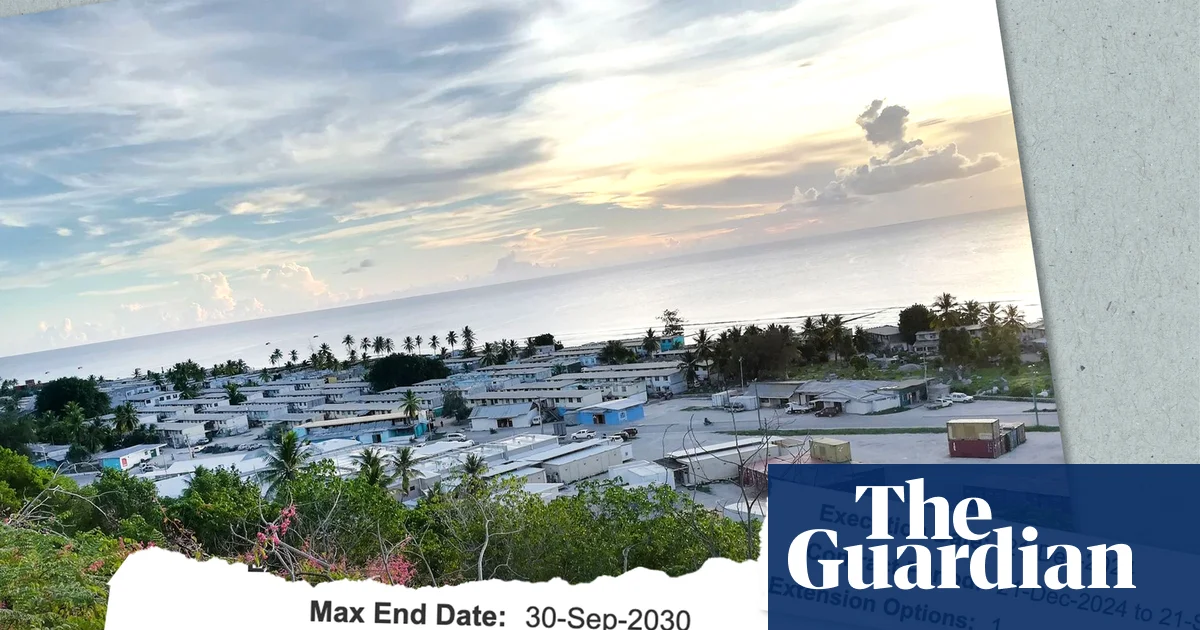
US Private Prison Firm Snags $790M Deal to Detain 100 on Nauru in Secret Expansion

Australia’s Offshore Detention: A Costly and Controversial Engagement with U.S. Private Prison Operators

The recent extension of Australia’s offshore processing regime on Nauru exemplifies a troubling trend of escalating expenditure and opaque decision-making that has significant geopolitical impact on the nation’s reputation and international standing. A US private prisons operator, Management and Training Corporation (MTC), now stands to receive over $157 million annually to manage the small offshore detention facility, currently holding just over 100 asylum seekers. This contract, quietly expanded by more than $350 million—a move critics argue was undertaken absent public scrutiny—reflects a broader pattern of governmental disregard for transparency and accountability. Such decisions, occurring in a climate of ongoing controversy, threaten to diminish Australia’s moral authority on human rights issues and signal an entrenched reliance on controversial private security interests intertwined with foreign policy ambitions.

Historian and international analysts trace this approach to a disturbing cycle of cost overruns, mismanagement, and allegations of systemic corruption. The contract’s multiple amendments, including a recent extension that inflates its value to nearly three-quarters of a billion dollars, exemplify inefficiencies reminiscent of past government procurement failures. Critics such as Geoffrey Watson SC have decried the costs as “absurd,” illustrating how economic interests are increasingly dictating policies initially justified on humanitarian grounds. The use of for-profit corporations with troubled histories—notably MTC, which has faced civil suits in the US for security failures and alleged bribery—underlines concerns that Australia’s offshore detention policies serve economic motives over legal and ethical considerations. This approach risks alienating global allies who champion human rights and threatens to cast Australia as a pariah state entrenched in a corrupt and opaque system.

Amplifying this concern is the international dimension of the offshore processing program. The recent $2.5 billion, 30-year deal with Nauru for accepting forcibly removed non-citizens underscores how Australia’s pursuit of border control solutions extends beyond national borders, entangling it in geopolitical negotiations rife with corruption. The historically high-risk environment—described in the 2023 Richardson review—pictures Nauru as a hotbed of cronyism, bribery, and illicit influence. Former officials and watchdogs warn that the entire regime is sustained by a web of financial entrapment and questionable practices, effectively turning the island into a pawn in broader regional power plays. As countries like Papua New Guinea and Cambodia observe such developments, concerns mount over how these policies impact regional stability, potentially encouraging other nations to emulate Australia’s costly and ethically dubious approach.

At the heart of these controversies lie questions about how nations manage their moral authority amidst economic and political pressures. The revelations of historical misconduct, from civil suits alleging gross negligence to allegations of conspiracy and corruption, have cast long shadows over Australia’s reputation. International organizations and advocacy groups warn that the continuation of these policies not only undermines human rights but also destabilizes diplomatic trust. The weight of history suggests that without decisive reform, Australia risks embedding these practices into its national identity—turning what was once a beacon of Western democracy into a cautionary tale of greed, neglect, and the relentless pursuit of border control at any cost. As the offshore detention saga unfolds, the world watches with wary eyes, aware that the choices made today will resonate for generations, shaping the narrative of a nation still determined to grapple with its conscience amidst the shadows of war, greed, and ultimately, history’s judgment.

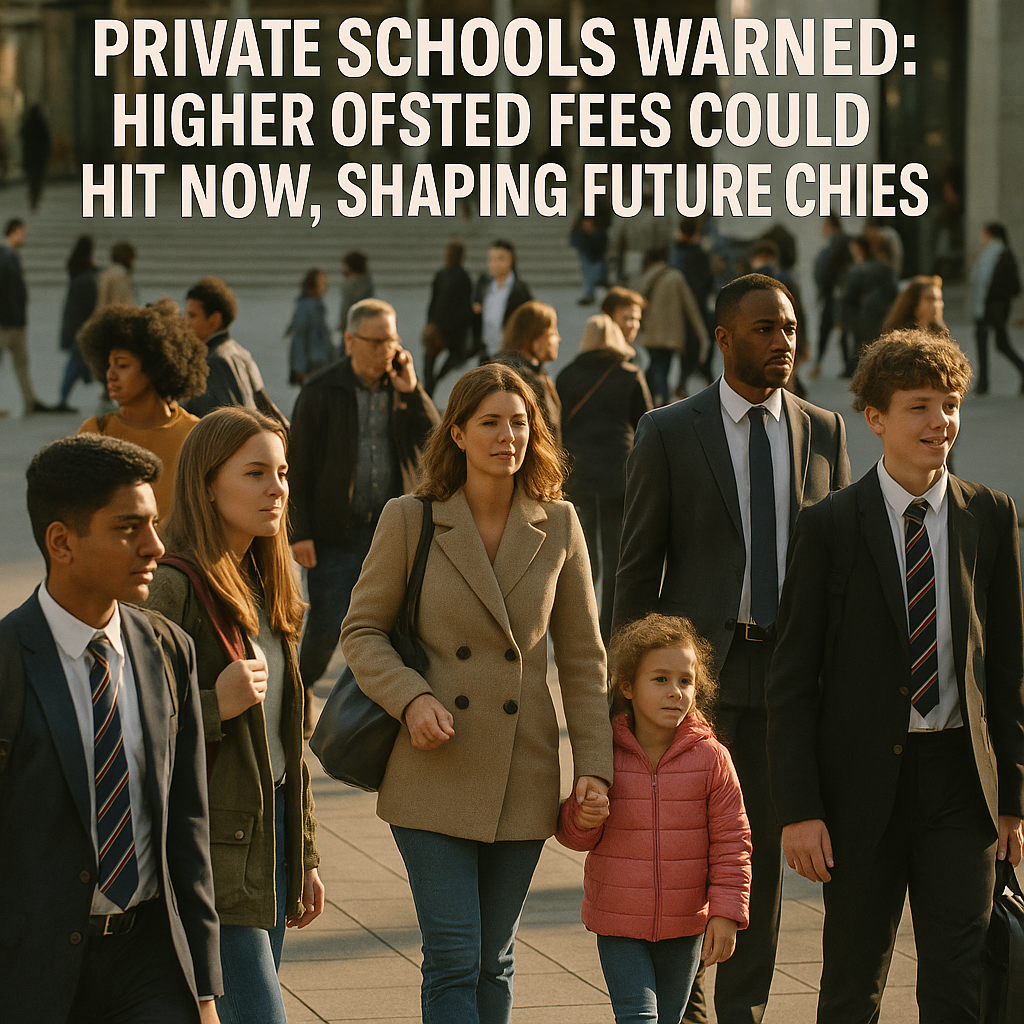
Private Schools Warned: Higher Ofsted Fees Could Hit Now, Shaping Future Choices

Societal Divide Deepens: The Impact of Private School Policies on Families and Communities

In recent months, the fractures within the fabric of British society have become more evident, as government and educational authorities grapple with the future of private education. The Department for Education (DfE) has proposed increased fees for Ofsted inspections of private schools, a move seen by many as a step toward economic fairness but criticized by others as a threat to exclusive community benefits. Currently, the regulator’s inspection costs are partially subsidized by taxpayers; however, the DfE suggests that private institutions should shoulder more of this burden, claiming that the taxpayer shouldn’t be subsidizing private businesses in this way. This policy shift raises questions about the social cohesion of communities and the role of private institutions within the broader society, especially given their historic role in perpetuating class distinctions and access to elite education.

Private schools inspected by Ofsted—those classified as “non-association”—comprise a significant portion of England’s independent educational landscape, with nearly half the 1,150 inspected institutions being specialized schools catering to pupils with disabilities and special educational needs. These smaller institutions serve as vital anchors for families seeking tailored education for their children—but looming financial pressures threaten their sustainability. The DfE’s proposal to increase fees over the next five years, climbing for schools with 150–399 pupils from £2,500 to £3,300, is part of a broader initiative to channel additional funds into **state school excellence**. Education Secretary Bridget Phillipson insists this approach is aimed at “driving up standards for children in state schools,” but critics argue it risks widening the social divide—thereby impacting family choices, community stability, and the very fabric of local life.

  • The financial burden on private schools could escalate, potentially making it more difficult for families already under economic strain to access these institutions.
  • Such shifts may incentivize educational consolidation, reducing the diversity of school options within communities.
  • The ongoing VAT on school fees and legal disputes over discrimination allegations compound the economic pressures faced by families and institutions alike.

This evolving landscape underscores how social and economic policies directly influence families and community dynamics. The higher fees could deepen existing inequalities, positioning private institutions as increasingly exclusive enclaves while challenging the principles of equal opportunity. Experiencing socioeconomic and cultural transformations, society faces the challenge of balancing meritocracy with accessibility. Sociologists like Charles Murray have long argued that education serves as a cornerstone of societal mobility; yet, policies that threaten to make private education more inaccessible risk entrenching disparities that threaten to undermine social cohesion. As families navigate these shifting currents, their choices and opportunities are being reshaped, impacting generations to come.

Reflecting on these societal shifts demands more than policy adjustments; it calls for a collective moral reconceptualization of what it means to foster an equitable society. The true test lies not merely in economic recalibrations but in nurturing a social fabric where opportunity and dignity for every family remain attainable. However, as history reminds us, societal transformations are seldom smooth, and the resilience of community bonds will be challenged amid economic austerity and cultural shifts. Yet, with deliberate effort and moral clarity, society can forge pathways that bridge divides, ensuring that future generations inherit not a fragmented landscape but a resilient, inclusive, and hopeful society.

Social Media Auto Publish Powered By : XYZScripts.com