Matox News

Truth Over Trends, always!

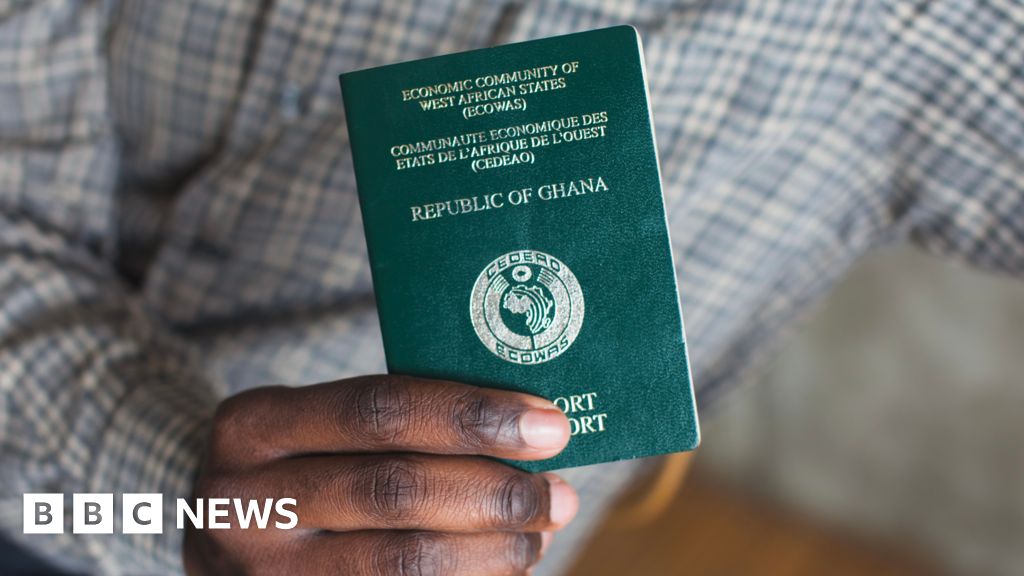
Ghana pauses citizenship process for Africans, raising concerns among youth activists

The recent difficulties faced by prospective migrants seeking to relocate to Ghana, as highlighted by Dr. Erieka Bennet, ambassador for the Diaspora African Forum, underscore a broader challenge at the intersection of migration, sovereignty, and international governance. The Forum’s role in facilitating the return of the African diaspora has been celebrated as a pivotal step towards fostering continental unity and economic revival. However, the bureaucratic hurdles—particularly the rigid DNA verification process—have cast a shadow over Ghana’s ambitious vision for a united African identity. Many applicants have expressed concerns that the deadline imposed within just a week is virtually impossible, stirring debates not only about logistical feasibility but also about the reliability and ethical considerations surrounding DNA testing in a geopolitical context.

Ghana’s recent policies are a reflection of a larger geopolitical shift, driven by the government’s desire to verify claims of descent and prevent fraudulent claims that could hamper resource allocation and investment initiatives. International analysts note that this move coincides with Ghana’s efforts to assert greater sovereignty amidst a transformative period marked by economic rebuilding and regional diplomacy. Yet, critics—including human rights advocates and diaspora community leaders—warn that such policies might exacerbate digital divides and social inequalities. The reliability of DNA testing, often contested, raises questions about the how international institutions and health authorities collaborate on standardizing such sensitive procedures. The debate echoes back to controversies seen in other migration initiatives, where race, ethnicity, and genetic data intersect with political ambitions.

The geopolitical impact of these policies extends beyond mere bureaucracy. As international organizations like the United Nations and regional African blocs observe Ghana’s approach, they grapple with defining the balance between national sovereignty and international oversight. Prominent analysts warn that mishandling this delicate balance could undermine regional stability and sow distrust among African nations striving for economic integration and collaborative development. Historically, migration has been both a catalyst of growth and conflict; thus, the manner in which Ghana implements these directives will serve as a test case for other nations contemplating similar measures. The risk lies in fostering exclusion or misjudging the social fabric, potentially fueling grievances that threaten regional cohesion.

As history continues to unfold, the question lingers: will Ghana’s effort to solidify its national identity and manage diaspora contributions bolster regional unity, or will it ignite divisions rooted in mistrust and incompatible policies? The decisions made today carry the weight of history, as they shape not only the fate of individual migrants but also the geopolitical landscape of Africa. With international stakeholders watching closely, the outcome of Ghana’s reform efforts may well serve as a blueprint—either a blueprint for sovereign assertion or a cautionary tale of bureaucratic overreach—etched into the chronicles of a continent riding the delicate edge of change. The future remains uncertain, its course written by choices made in the corridors of power amid the loud echoes of history’s relentless march.

Polls open as Trump allies’ threats cast shadow over voting process

Honduras on the Brink: Election Turmoil Amid U.S. Interventions

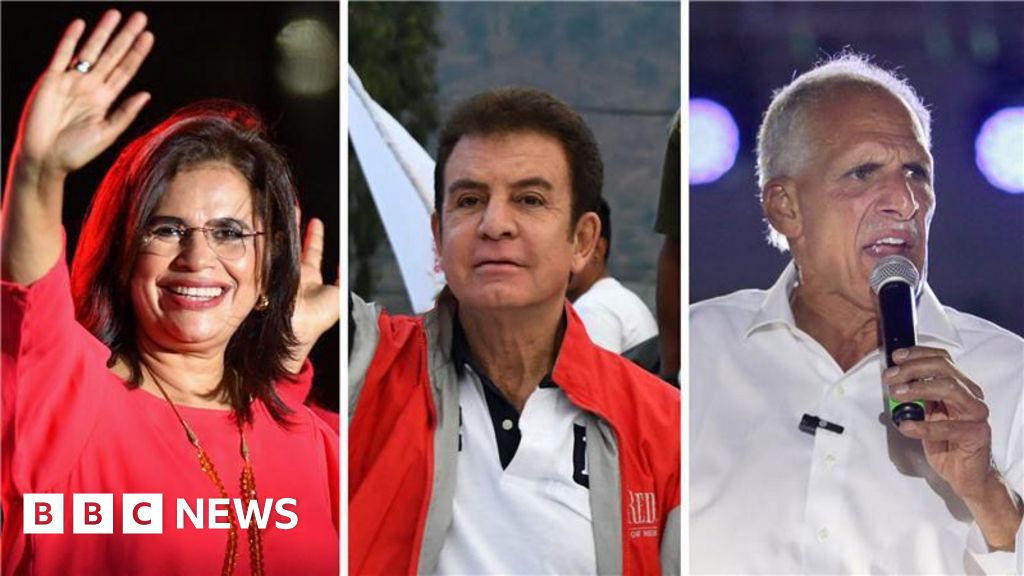
As Honduras approaches its highly contentious general election, the stakes extend far beyond national borders, reflecting the delicate and often volatile nature of regional geopolitics. The contest pits five candidates, with polls currently favoring Salvador Nasralla—a veteran candidate alleging electoral fraud in 2017—yet the atmosphere is overshadowed by external influences, particularly from United States President Donald Trump. Trump’s explicit support for right-wing candidate Nasry “Tito” Asfura, the former mayor of Tegucigalpa, signals a disturbing level of foreign meddling in what is supposed to be a sovereign democratic process. His warning that aid might be withheld depending on the election’s outcome underscores how external actors leverage financial influence to sway the political future of Central America.

The deeply intertwined geopolitical ramifications are evident in the U.S.’s strategy for the region. Despite halving its aid, the U.S. continues to funnel hundreds of millions into Honduras, a stark reminder of how economic resources are weaponized in the broader contest to shape Latin America’s political landscape. Such interventions threaten to undermine the sovereignty and democratic stability of Honduras, with analysts warning that the perceived backing of a candidate can exacerbate existing divisions and fuel unrest. Meanwhile, the Honduran electorate remains disillusioned, with 34% undecided—the poll’s paradoxical statistic illustrates how external pressures and internal fears create a landscape ripe for instability. Historically, such foreign-influenced elections in fragile democracies have often been a prelude to greater turmoil, with scholars like John M. Ackerman warning about the risks of foreign interference disrupting the fragile balance of Latin American politics.

Front-Runners in a Fractured Nation

The political contest is complicated by the recent history of corruption and political scandals. Xiomara Castro, the outgoing president and Honduras’s first female leader, is constitutionally barred from seeking a second term but remains influential through her endorsement of Moncada. Her claims of Trump’s interventionist tactics echo a broader narrative of U.S. meddling, which critics argue aims to install a government more amenable to Western interests. Meanwhile, Asfura, initially distancing himself from disgraced ex-President Juan Orlando Hernández, seeks to mainstream himself amidst allegations of corruption—an issue that recent indictments and convictions have thrown into stark relief. The US’s move to potentially override Hernández’s 45-year sentence for drug trafficking casts long shadows over Asfura’s campaign, raising questions about ongoing American influence and double standards in Latin American justice.

At the same time, the current *front-runner*, Salvador Nasralla, emerges as a symbol of opposition to external interference and entrenched corruption. His campaign platform promises to open the economy, create jobs, and pivot away from the influence of foreign players like China and Venezuela—both of which are embroiled in their own regional conflicts. The recent escalation of tensions between Venezuela and the U.S. has added another layer of complexity, with Washington increasing military exercises and carrying out targeted strikes against alleged drug traffickers, actions vehemently denounced by Maduro as attempts at regime change. Trump’s declaration that Venezuela’s airspace is “closed”—despite lacking legal authority—further underscores the high-stakes nature of the confrontation between U.S. imperial ambitions and Latin American sovereignty.

Uncertain Futures and the Weight of History

With elections underway amid widespread accusations of pre-emptive fraud and political intimidation, Honduras stands at a crossroads. The national electoral council’s calls for calm reflect a fragile attempt to maintain order, but underlying tensions threaten to explode into violence. The geopolitical chessboard, with its array of regional and global actors, underscores the peril in dismissing the importance of this election: it is not merely a vote but a test of resilience for Honduran democracy amidst foreign manipulation and internal decay. As history watches, the unfolding drama in Honduras becomes a mirror for the broader struggle between sovereignty and external influence—a struggle that could shape the entire region for decades to come. The outcome remains uncertain, yet the weight of recent events leaves no doubt: in this volatile crucible of modern geopolitics, the future remains unwritten, and the echoes of today’s decisions will resonate through history’s corridors for generations to come.

Social Media Auto Publish Powered By : XYZScripts.com


