Matox News

Truth Over Trends, always!

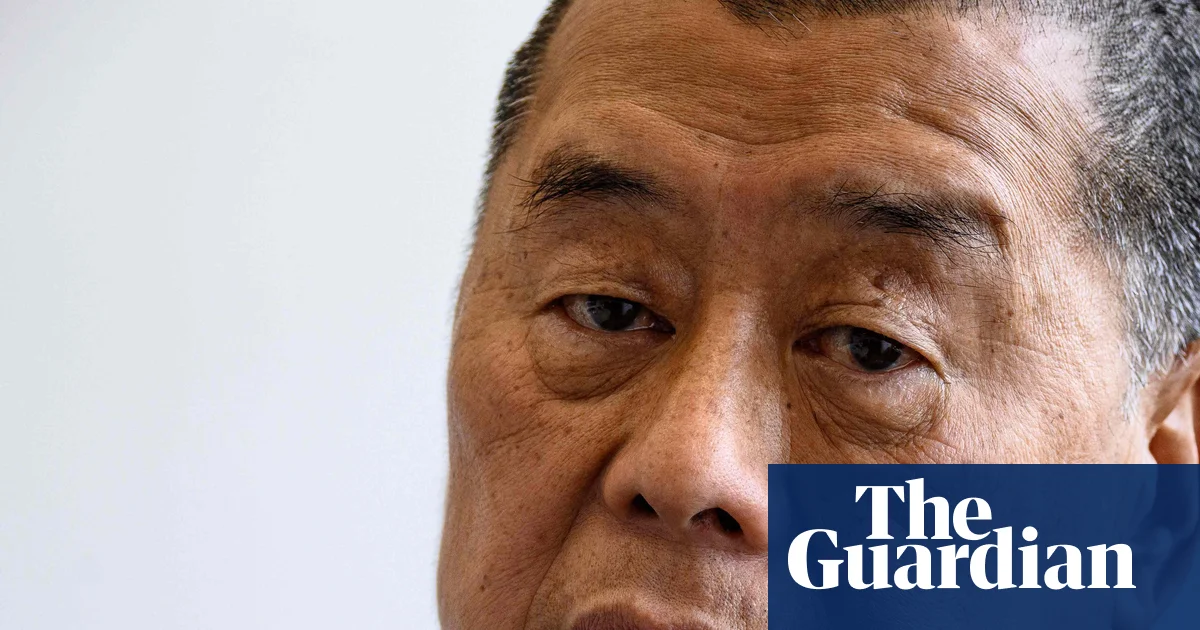
Trump calls on Xi to free pro-democracy media boss Jimmy Lai in Hong Kong

The arrest and conviction of Jimmy Lai, a prominent pro-democracy media mogul in Hong Kong, have once again spotlighted the evolving geopolitical struggle over China’s tightening grip on the former British colony. Lai’s case, marked by charges related to national security, symbolizes the broader suppression of dissent in a city once celebrated for its relative freedoms. As Lai faces potentially life-threatening imprisonment, international leaders and institutions have voiced vehement condemnation, emphasizing the erosion of legally protected rights and freedom of speech—foundations regarded as vital to democratic societies.

Recent statements from Donald Trump exemplify how this issue has transcended regional conflict to influence global geopolitical dynamics. Trump has publicly urged Chinese President Xi Jinping to consider Lai’s release, highlighting personal appeals based on Lai’s health and age. This entreaty illuminates a broader narrative: How nations leverage diplomatic channels amid human rights controversies and what the repercussions entail for the U.S.-China relationship. At the same time, Secretary of State Marco Rubio framed Lai’s conviction as a stark manifestation of China’s commitment to silence dissent, violating points agreed upon at the handover of Hong Kong from Britain in 1997—an agreement promising “one country, two systems” that now appears increasingly hollow.

The international response underscores a clear shift in global norms concerning sovereignty and human rights. Numerous governments and rights groups, including the United States and United Kingdom, have condemned Lai’s trial, citing the deterioration of his health and the *surrounding political climate*. Lai’s daughter, Claire Lai, humanizes this crisis by emphasizing her father’s desire to dedicate himself to faith and family—principles starkly contrasted against the government’s repression. The case has galvanized a coalition of democracy advocates and Christian activists, who view Lai’s incarceration as emblematic of a widening authoritarian trend that threatens not only Hong Kong but urges the global community to reassess its stance on China’s rising influence.

Historically, the case of Jimmy Lai underscores a pivotal juncture—an era where China’s authoritarianism is challenging the very foundations of Western liberal values. Scholars and analysts warn of the consequences of appeasing an emboldened Beijing, which continues to undermine the fragile democracy of Hong Kong through a calculated mix of legal harassment and political intimidation. Human rights experts caution that Lai’s trial could set a disturbing precedent, emboldening other authoritarian regimes to suppress dissent under the guise of national security. This ongoing struggle embodies the larger conflict over sovereignty, civil liberties, and the global liberal order, with the weight of history pressing heavily on the scale as democratic nations seek to defend the principles they hold sacred amidst an increasingly complex geopolitical chessboard.

As the world watches, the fate of Jimmy Lai remains a stark symbol of the clash between freedom and repression. With each political move—be it the plea from Trump or the condemnations from rights organizations—the story continues to unfold, shaping the contours of an era defined by struggling sovereignties and the unyielding pursuit of liberty. History’s pen carries on, and future generations will judge not only the actions taken today but the resilience of human rights in the face of rising authoritarian tides. In this moment, the battle for Hong Kong’s soul is a battleground for the future of global freedom—an enduring testament that, in the shadow of history’s looming questions, the fight for liberty remains the most formidable and consequential challenge of our age.
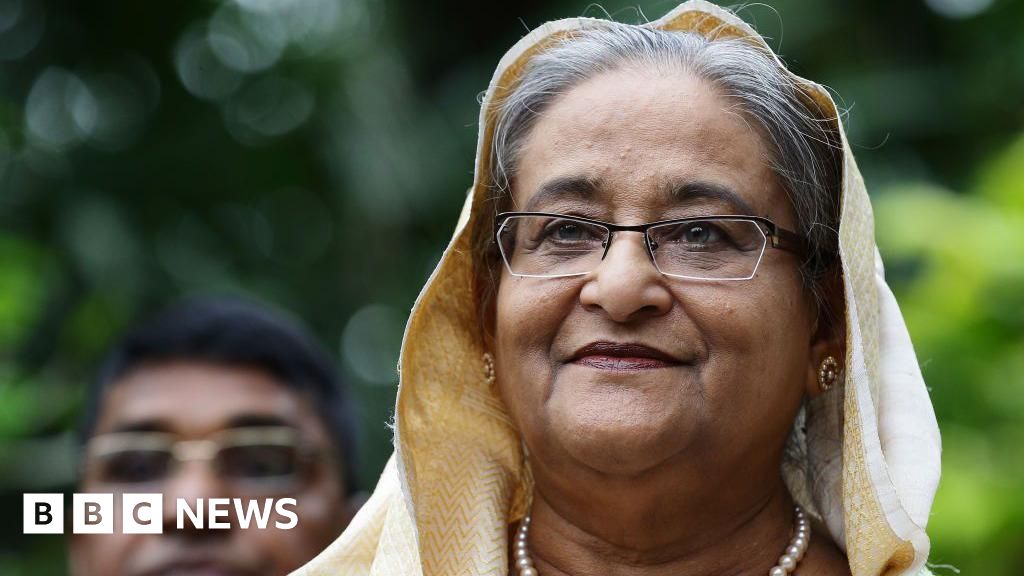

Bangladesh’s former hero turns into a ruler, betraying the pro-democracy cause

In a dramatic turn of events that has sent shockwaves across South Asia and beyond, Bangladesh witnesses a historic upheaval as its longstanding leader, Sheikh Hasina Wazed, faces a court ruling that could mark a new era for the nation. After more than two decades of dominance, Hasina, initially celebrated for her patriotic fervor and economic reforms, now stands convicted by a special tribunal in Dhaka of crimes against humanity, culminating in a death sentence. Her trial, linked to the violent suppression of mass protests earlier this year, underscores a critical turning point in the country’s political history, with profound geopolitical repercussions.

The charges stem from her alleged orders to security forces during the tumultuous months of July and August 2024—a period marked by widespread unrest, civil disobedience, and violent crackdowns that resulted in hundreds of deaths, including the tragic loss of at least 52 lives in a single day. UN human rights investigators documented up to 1,400 deaths, largely caused by gunfire from security forces, revealing systemic, deadly efforts by the government to quash dissent. This intense period of violence not only ended Hasina’s two-decade rule but also exposed the darker underbelly of her regime, which critics say pivoted from democratic aspirations to authoritarian control. Such accusations echo the warnings of analysts who have long warned that the consolidation of power through repression could undermine Bangladesh’s fragile democracy and destabilize its position within the geopolitical landscape of South Asia.

International organizations, including Human Rights Watch and the United Nations, have condemned the violence and escalation of authoritarian tactics. The tribunal’s verdict has resulted in a fierce political divide, with supporters decrying the proceedings as politically motivated, while opponents herald it as justice for victims of state violence. Meanwhile, India and China watch carefully, aware that the outcome may recalibrate regional alliances. The shift in Bangladesh’s political landscape could embolden anti-establishment voices and threaten the stability of the South Asian subcontinent, which has been increasingly characterized by diplomatic rivalries and shifting alliances.

Historian Dr. Rahul Sengupta notes that these tumultuous developments aren’t isolated but resonant of global patterns where the consolidation of ‘power at any cost’ risks undermining democratic institutions. As Bangladesh grapples with the aftermath of Hasina’s ousting, the question remains: will this upheaval serve as a cautionary tale for emerging democracies or as a justification for authoritarian measures under the guise of stability? The world holds its breath as the nation confronts its complicated legacy—one built on progress shadowed by repression—and faces the uncertain reality of how its future decisions will influence regional security and international relations in the years to come.

As history continues to unfold, the story of Bangladesh reminds us that the forces shaping nations are often as turbulent and unpredictable as the waves that crash upon its shore—serving as a stark reminder that the true weight of history is often borne on the shoulders of those caught in its relentless tide.

Singapore blocks exiled HK pro-democracy activist from entry

The recent incident involving Nathan Law, a prominent pro-democracy activist from Hong Kong, underscores the escalating geopolitical struggles defining the modern international order. Law, a former legislator and exile, arrived in Singapore with a visa—only to be detained and swiftly deported after the city-state’s authorities invoked concerns over “national interests.” This move resonates profoundly within the intricate web of global power dynamics, highlighting how national security and sovereignty have increasingly taken precedence over international openness and democratic advocacy.

Singapore’s decision to deny Law entry, despite prior visa approval, reflects the thin line that international diplomacy, sovereignty, and security policy now tread. The government’s official statement underscored that Law’s presence “would not be in Singapore’s national interests,” a phrase emblematic of a broader trend among nations prioritizing their sovereignty amid mounting external pressures. This event comes within a context where China asserts greater influence over its territories and regional actors, prompting consequential questions about the reach and limits of western influence and human rights activism. Analysts warn that such policies serve as a warning: the global battleground for ideological and political supremacy is intensifying, and ideological dissenters like Law are increasingly caught in the crossfire of international realpolitik.

Historically, Singapore has maintained a delicate balance, promoting economic openness while ramping up security measures against what it describes as “foreign political influence.” Past actions, such as fining activists for online forums involving Joshua Wong in 2019, suggest the city-state’s cautious approach to activism tied to Hong Kong. Critics argue that these steps align with a broader pattern of suppression against pro-democracy voices, especially as Beijing actively consolidates influence in the region. The references from the Chinese Foreign Ministry—describing Law as “anti-China” and a “troublemaker”—underline how international conflicts are increasingly characterized by narratives of sovereignty versus external interference. The decision raises compelling questions about the future of international support for democracy movements and the role of regional hubs like Singapore in shaping these contentious dynamics.

The broader geopolitical impact is undeniable. This incident exemplifies how a democratic advocate’s fate can hinge upon geopolitical alignments, security concerns, and the strategic interests of powerful states. As China continues its assertive expansion, Western nations and allies face a dilemma: support democratic activism at the risk of diplomatic fallout or capitulate to authoritative pressures to maintain economic and political stability. The critics argue that by denying Law entry, Singapore bowels to Chinese influence, perhaps prioritizing economic ties and regional stability over the principles of free speech and political dissent. This shifting landscape is a stark reminder that, in today’s world order, every border closed, activist detained, or speech censored signals a deeper transformation—one where the fight for democracy is increasingly contested on multinational stages.

As history unfolds, the narrative of Nathan Law and similar activists serves as a warning—an ongoing battle for the soul of democratic values amid rising authoritarian resilience. The decisions made by regional powers such as Singapore will echo through generations, shaping the destiny of free societies and the reach of authoritarian influence. The clock is ticking, and the weight of history presses down as the world teeters on the cusp of a new, uncertain chapter, where the lines between sovereignty, security, and liberty are being redrawn—often in the shadow of the next geopolitical crisis.

Social Media Auto Publish Powered By : XYZScripts.com



