Matox News

Truth Over Trends, always!

Global fossil fuel projects endanger health of 2 billion youth—new report exposes the risk

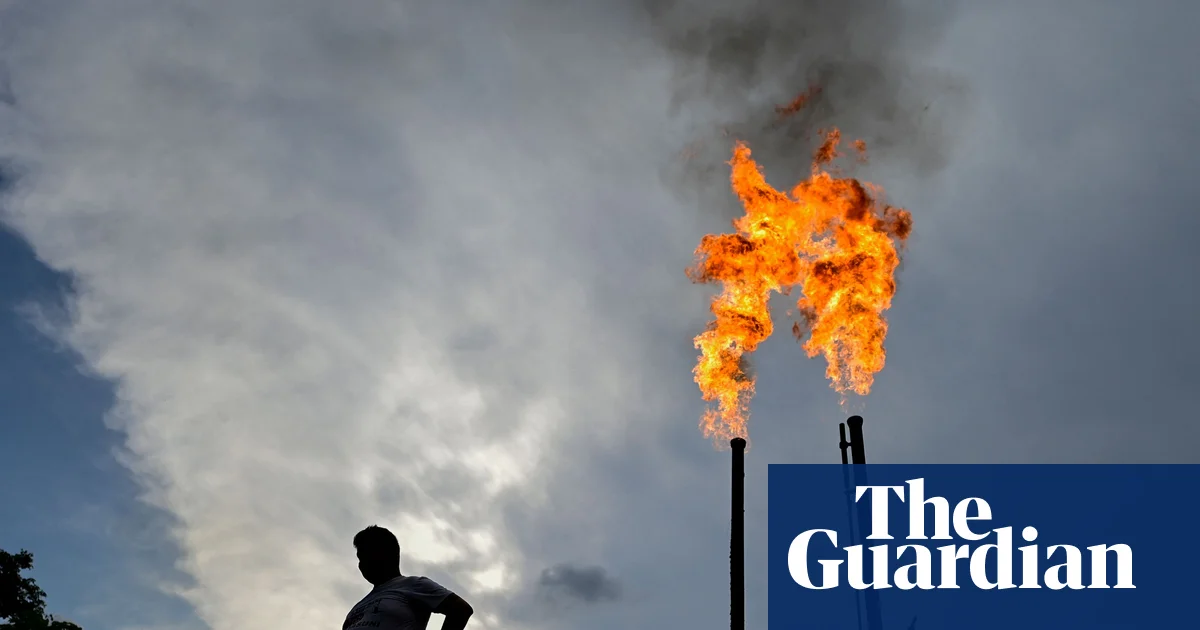
Recent research reveals a sobering reality: a quarter of the world’s population lives within just three miles of active fossil fuel projects. This proximity isn’t just an inconvenient statistic—it’s a looming threat to public health, especially for communities residing near drilling wells, pipelines, and processing plants. According to studies from organizations like Amnesty International, those living closest to these industrial sites face increased risks of cancer, respiratory and heart conditions, premature births, and even death. Yet, what makes this environment even more troubling is the unequal burden carried by marginalized groups, particularly Indigenous communities and low-income families, who often find themselves living in “sacrifice zones”—areas heavily contaminated, with little regard for their safety or rights. This environmental injustice, rooted in systemic inequality, underscores how economic interests often override human dignity and community welfare.

In fact, near half a billion people, including over 124 million children, live within one kilometer of fossil fuel infrastructure. As plans circulate for thousands of new sites, this number could swell, exposing even more to dangerous fumes, oil spills, and ecological devastation. These advancements tend to exacerbate tensions within societies, especially when indigenous land defenders and local fishermen voice their opposition. For instance, Tsakë ze’ Sleydo (Molly Wickham), a Wet’suwet’en land defender in Canada, speaks to a broader story of intergenerational fatigue and resistance. She emphasizes that these communities, which have long been deprived of their rights, are often criminalized when they stand up to protect their territories from destructive infrastructure. Such struggles highlight how social and environmental issues are deeply intertwined, affecting families’ health, cultural heritage, and livelihood.

The global political landscape remains fractured in the face of this crisis. At the 30th annual climate negotiations in Belém, Brazil, world leaders, except for the United States, grapple with the urgent need to end reliance on fossil fuels. Meanwhile, lobbyists for the fossil fuel industry have unprecedented access to global policymaking forums, working tirelessly to block climate action and sustain profits at the expense of the planet. As researchers from the University of Colorado Boulder point out, over a third of oil, coal, and gas sites intersect with critical ecosystems—biodiverse wetlands, forests, and river systems—placing entire natural habitats at risk of collapse. This confluence of corporate greed and systemic neglect underscores a key challenge: how to protect the Earth’s natural inheritance while safeguarding human rights. The humanitarian toll is undeniable; children and vulnerable populations suffer disproportionately, with environmental toxins becoming a national security issue that demands our collective moral responsibility.

As history reminds us, the issues surrounding fossil fuel dependence are embedded in narratives of progress, greed, and systemic injustice. Sociologists like Naomi Klein and environmental historians have long documented how environmental degradation is often a social mirror of inequality. Yet, hope persists in the form of resilience—indigenous leaders, local activists, and youth movements are increasingly demanding the end of an era that has prioritized profits over people. The challenge ahead lies in transforming these social and environmental crises into catalysts for meaningful change—reclaiming land, restoring ecosystems, and asserting rights that have been trampled. Society stands at a crossroads: will we continue to ignore the invisible toll of pollution, or will we, as a community, choose to forge a future rooted in respect, justice, and sustainability? Amidst the shadows of destruction, a quiet promise whispers—that society’s capacity for renewal remains, waiting for the moment we rise to meet the challenge, offering hope that one day, the land and all who live upon it might breathe freely again.

Minister to Keep Final Say on Controversial Projects as Labor’s Nature Laws Stay Put

Australia’s Environmental Legal Reforms: A Reflection of Global Power Dynamics

The announcement surrounding Australia’s new federal environmental laws underscores a pivotal moment in the nation’s journey to balance economic growth with ecological stewardship. Under the leadership of Environment Minister Murray Watt, the revised Environment Protection and Biodiversity Conservation (EPBC) Act aims to redefine project approval processes, yet it retains crucial ministerial decision-making authority. This approach, favored by Labor, the Coalition, and industry stakeholders, has sparked fierce debate among environmental advocates. Critics argue that this model could inherently allow vested interests—particularly big business and mining conglomerates—to exert undue influence on environmental outcomes, raising concerns about the integrity of Australia’s ecological safeguards.

The decision to keep the environment minister as the ultimate arbiter in project approvals marks a nuanced resolution that reflects Australia’s strategic geopolitical stance—favoring pragmatic leadership that appeals to economic pragmatism and industry interests. By maintaining ministerial discretion rather than establishing a fully independent oversight body, the government signals a desire to avoid judicial paralysis and facilitate quicker project approvals, especially for resource-intensive developments. Historian and political analyst Dr. Jonathan Mead notes that such decisions often trade environmental transparency for national economic interests, aligning with a broader pattern observed in resource-rich democracies grappling with their global image. However, international organizations warn that such self-regulation could undermine Australia’s commitments to climate change mitigation, especially as global pressure mounts for transparent environmental governance.

The recent legal amendments also introduce a new entity, the National Environment Protection Agency (NEPA), designed to monitor compliance and enforce laws independently from direct ministerial influence. While advocates like Environment Minister Watt emphasize NEPA’s enhanced enforcement powers, critics—including the Australian Conservation Foundation—remain skeptical. They argue that without full independence, NEPA risks becoming an administrative extension of government rather than an impartial watchdog. The Greens’ environment spokesperson, Sarah Hanson-Young, warns that the proposed model could devolve into “another branch of government bureaucracy,” lacking the teeth needed to effectively challenge powerful industrial actors. This debate underscores a critical connection to how decisions at the national level ripple across society—potentially marginalizing indigenous communities, rural populations, and environmental concerns in favor of economic expediency.

Globally, Australia’s moves resonate with similar shifts in resource policies observed among major powers—including the United States and China. While the Green New Deal in the U.S. advocates for robust independent agencies to guard environmental integrity, bipartisan gridlock often hampers progress. Conversely, China employs top-down state control to rapidly develop its resource sectors, often at environmental and social costs. As international analysts observe, the Australia case exemplifies a broader struggle: nations contending with the dual pressures of economic development and environmental sustainability, all within a geopolitical landscape marked by competition and cooperation.

As history continues to unfold, Australia’s legislative choices serve as a potent reminder of how national policies embody the geopolitical ambitions of controlling actors—balancing the allure of resource wealth against the weight of environmental responsibility. While the world watches and critics warn of the perils of compromised integrity, Australia stands at a crossroads—its future ecological legacy intertwined with questions of sovereignty, influence, and the true cost of progress. The pages of history remain unwritten, but the echoes of these decisions will reverberate through generations to come—a testament to the enduring struggle to forge a sustainable path amid global uncertainty.

Social Media Auto Publish Powered By : XYZScripts.com



