Matox News

Truth Over Trends, always!

Watchdog Finds No Proof of Major Fuel Price-Gouging

The latest data from the UK’s Competition and Markets Authority (CMA) indicates that profit margins across key sectors remained “broadly unchanged” between February and March. This stability, despite ongoing economic uncertainties, highlights a complex interplay within the nation’s economic framework—where persistent challenges are met with resilience and adaptation. The steadfast profit margins are noteworthy in a period marked by inflationary pressures, geopolitical tensions, and evolving consumer behaviors, emphasizing how businesses are navigating a landscape of economic shifts and policy adjustments.

Economists and market analysts interpret this plateau as both a reflection of current market resilience and a potential sign of underlying pressures mounting beneath the surface. The Office for Budget Responsibility (OBR) has warned of continued inflation risks and contractionary fiscal policies that could clamp down on future profit growth. Yet, amid these challenges, large corporations are employing strategies such as cost-cutting, supply chain optimization, and pricing power to maintain margins. For investors, this stability translates into a cautious optimism—pointing to a scenario where the UK’s economic machinery maintains momentum despite external headwinds.

From a policy perspective, the CMA’s findings raise critical questions about market competitiveness and the effectiveness of recent government interventions. The UK government, concerned with market dominance and potential anti-competition practices, faces pressure to implement reforms that foster innovation and support medium-sized enterprises. Key policymakers are weighing the implications of uniform profit margins on market dynamism and investment incentives. Such decisions will inevitably impact the future trajectory of the UK economy, especially as it aims to balance regulatory oversight with free-market growth.

Looking ahead, economic thinkers like the Institute of Economic Affairs suggest that this moment serves as a pivotal juncture for the UK to harness its entrepreneurial spirit. As the world’s economic stage evolves, the resilience shown in profit margins could serve as a foundation for future technological innovation, trade expansion, and productivity gains. Yet, the risks of stagnation or policy overreach remain palpable, especially if inflationary trends persist or external shocks intensify. For now, the UK economy stands at the core of a dynamic global puzzle, where the pulse of markets signifies not just survival, but the potential for a renewed ascendancy in the shifting power corridors of future geopolitics and commerce.
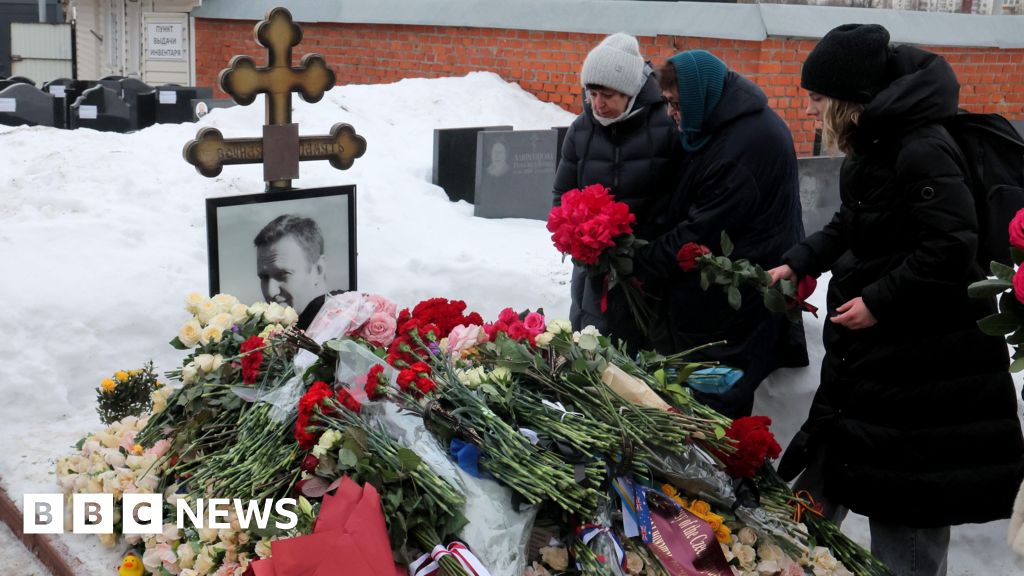
Navalny’s mother calls poison evidence proof he was targeted and murdered

As the world marks the second anniversary of the death of Alexei Navalny, his mother, Lyudmila Navalnaya, delivers a poignant reminder that challenges to political sovereignty in Russia extend far beyond individual human tragedies. She asserts that her son’s death was not merely a tragic consequence of incarceration but an event reflective of a broader geopolitical struggle, one that tests the resilience of international norms and the sovereignty of nations.

Unveiling a Deadly System and Its Impact on Global Stability

Navalny’s death in prison, widely seen as a breach of human rights, resonates as a stark warning to Western democracies and autocratic regimes alike. Analysts from the International Institute for Strategic Studies highlight that this event underscores the peril of unchecked authoritarianism, which threatens to destabilize regional equilibrium. Despite global diplomatic efforts, Russia remains resolute in suppressing political dissent, thereby challenging the principles of sovereignty and self-determination. Such actions have prompted rising concern among nations who view navalny’s fate as a bellwether for the trajectory of Russia’s internal governance and its international commitments.

Global Reactions and the Struggle for Accountability

The international community, especially the European Union and the United States, faces mounting pressure to balance strategic interests with the imperative of human rights enforcement. The United Nations has repeatedly called for transparency and accountability but remains hamstrung by political divisions. According to prominent historians like Anne Applebaum, the modern world enters a new phase where the fight for democratic values is contested through geopolitical power plays. As Russia dismisses Western criticisms, the risk increases that the global order will fragment into competing spheres of influence. This dynamic directly affects societies worldwide by threatening to erode the international legal frameworks that once underpinned diplomatic stability.

How Decisions on the International Stage Shape Societies

Every diplomatic move concerning Russia reverberates across national borders, influencing regional security, economic stability, and public perceptions of justice and governance. The decision by Western nations to impose sanctions or engage in dialogue directly impacts the stability of Eastern Europe and beyond. Such choices are scrutinized by global analysts, who warn that persistent inaction or misguided policies could embolden other regimes to adopt similarly ruthless tactics. As history demonstrates, the suppression of political dissent in Russia does not occur in isolation; it threatens to empower autocratic tendencies across the world, destabilizing the international system itself.

Historical Echoes and the Unfolding Reality

Throughout history, instances of political repression have often marked turning points—either sparking upheaval or cementing authoritarian rule. Today’s situation, with Navalny’s death serving as a somber reminder, echoes the warnings of pre-World War II upheavals when unchecked tyranny went unchallenged. Analysts like Timothy Snyder suggest that this era may well define the global landscape for decades to come. The weight of this unfolding narrative underscores the importance of steadfast resistance to oppressive regimes, lest the lessons of history be lost and humanity march toward an uncertain future where the triumph of individual rights and sovereignty remains under threat.

As nations grapple with the repercussions of the Navalny tragedy, the historical significance becomes painfully clear: the decisions made today will determine whether democracy endures or succumbs beneath the weight of authoritarian ambition. The story is far from over; indeed, the arc of history continues to be written by those willing to confront tyranny and stand firm for the principles that safeguard human dignity. In this moment of peril and hope, the world remains a battleground of ideas—where the future of freedom itself hangs in the balance, and the echoes of history threaten to shape the destiny of generations yet unborn.

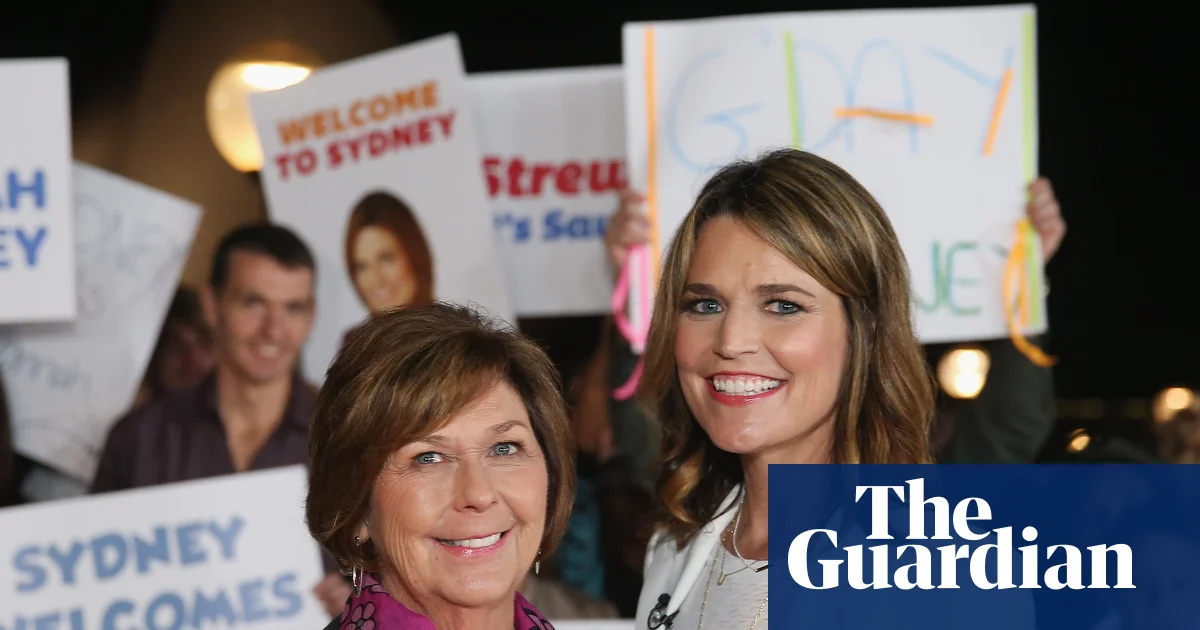
Savannah Guthrie urges proof of her missing mother's survival in Arizona—Join the push for truth.
Savannah Guthrie urges proof of her missing mother’s survival in Arizona—Join the push for truth.

In recent days, a deeply personal crisis involving U.S. television host Savannah Guthrie has captured international attention, highlighting the profound intersections between societal values, national security, and the power of media influence. Guthrie’s public appeal for the safe return of her 84-year-old mother, Nancy Guthrie, who disappeared near Tucson, Arizona, underscores a broader narrative about community vigilance, law enforcement mobilization, and the potential threats lurking in domestic borders. As authorities scramble to determine whether foul play is involved, the incident serves as a stark reminder of the vulnerabilities that face societies on multiple levels, and the international implications tied to the preservation of safety within sovereign nations.

The unfolding case reveals a complex web of local law enforcement inquiries, national political reactions, and global concern over border security. The Pima County sheriff, Chris Nanos, has confirmed the presence of a crime scene, emphasizing suspicions of foul play and intelligence suggesting that Nancy Guthrie’s disappearance might not be incidental. This incident has elicited responses from prominent figures, including former President Donald Trump, who has pledged to deploy “all resources” through major federal agencies to ensure her safe return. Such expressions of concern are not just personal—they resonate across the international stage, raising questions about how nations address missing persons cases amidst rising tensions and domestic instability.

Analysts note that this case underscores the geopolitical weight of security and law enforcement in the United States. The coordinated efforts involving volunteers, border patrol, and the FBI exemplify the integration of multiple agencies responding to threats that could have broader consequences. This situation also occurs against a backdrop ofincreased border mobility, regional drug trafficking issues, and internal socio-political unrest. The case’s progression could influence future policies on immigration, surveillance, and law enforcement authority—not only within America but across allied nations that monitor how their borders and citizens are protected in an era of unpredictable threats.

International organizations and regional analysts are watching closely, noting that the stability of a nation’s interior security impacts the geopolitical landscape at large. As the spectacle unfolds, historians warn that moments like these serve as poles of societal reflection, exposing **the delicate balance between civil liberties and security measures**. Governments across the globe face a choice: prioritize individual rights or embrace more authoritarian strategies to safeguard their populations. This episode in Arizona echoes a broader theme, illustrating how domestic incidents can ripple outward, affecting diplomatic relations, regional stability, and the collective sense of safety that underpins modern civilization.

As the story continues to develop—whether Nancy Guthrie is found safe or deeper, more troubling truths surface—the weight of history remains profound. The decisions made in this moment could define how societies confront internal crises, balance security with liberty, and determine the resilience of their social fabric in an era where threats evolve faster than institutions can adapt. Behind the headlines and social media pleas lies a stark reminder: history’s next chapter is being written, and the outcome will reverberate well beyond the quiet streets of Tucson. It is a testament to the ongoing struggle between chaos and order, reminding every nation that their future depends on the choices of today.

Social Media Auto Publish Powered By : XYZScripts.com