
Matox News

Truth Over Trends, always!

US judge temporarily halts end of deportation protections for Haitian migrants

U.S. Moves to Dismantle TPS Program: A Turning Point in Immigration Policy

The Trump administration has commenced a bold, controversial push to dismantle most Temporary Protected Status (TPS) programs, a move that threatens the futures of hundreds of thousands of migrants from countries including Afghanistan, Ethiopia, Honduras, Myanmar, Nepal, South Sudan, Syria, and Venezuela. This initiative underscores a shift towards stringent immigration enforcement, and its geopolitical ramifications are profound, reverberating across the fabric of international relations and regional stability.

Established decades ago, TPS programs have provided temporary relief to foreign nationals fleeing conflict, natural disasters, or political upheaval. By contemplating their termination, the U.S. government risks unleashing a humanitarian crisis, with potential deportations looming over individuals who have built lives, communities, and economic contributions within American society. Analysts warn that this move could undermine decades of U.S. policy aimed at offering refuge, thereby fueling international criticism and damaging its reputation as a beacon of asylum and global leadership.

International organizations and foreign governments have expressed alarm over the U.S. decision. The United Nations has issued statements cautioning that the measure may exacerbate regional instability, especially for nations already grappling with socio-economic upheavals and ongoing conflicts. Historians argue that such shifts reflect a broader conservative wave emphasizing sovereignty and border security but warn about the long-term costs to international cooperation and global stability. Critics contend that rescinding TPS protections not only endangers vulnerable populations but also destabilizes relations with countries whose nationals reside within U.S. borders, fostering resentment and diplomatic strains.

From a geopolitics perspective, the decision to revamp immigration policies signals an era of rising nationalism in the United States—an approach that increasingly prioritizes sovereignty at the expense of international commitments. The move aligns with a pattern observed in other major powers, emphasizing control over open borders, and reflects a shifting global landscape where nation-states seek greater dominance over their internal affairs. In the wake of this policy change, nations like Mexico and Canada, along with international entities, watch closely, understanding that such unilateral actions can reshape migration flows, economic cooperation, and diplomatic dynamics.

As this policy unfolds, the long shadow of history looms large. Whether future historians will view the dismantling of TPS as a necessary assertion of sovereignty or a tragic retreat from humanitarian commitments remains to be seen. What is certain is that this decision marks a pivotal chapter in America’s ongoing debate over its identity—how it balances security with compassion, nationalism with responsibility. With the echoes of past conflicts and alliances reverberating, the world watches as the United States approaches a crossroads, with the weight of history determined by the choices made today—a future constructed by policies that could alter the course of nations for generations to come.
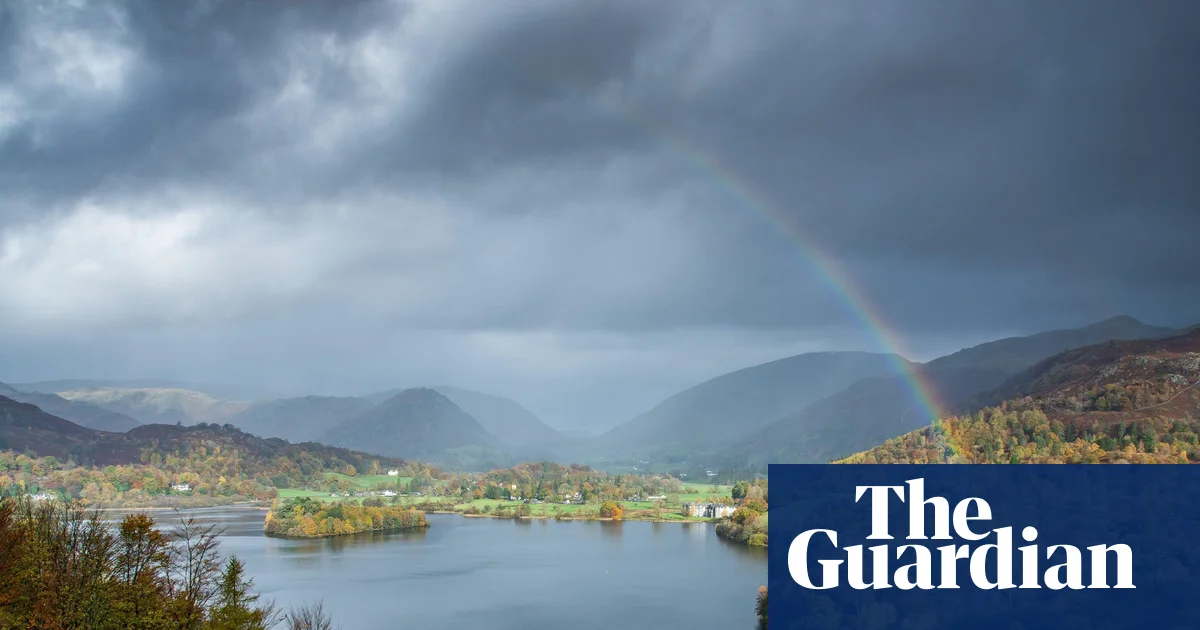

Green groups slam move to weaken protections for English national parks

In a move that has ignited fierce debate across the United Kingdom and raised concerns among environmentalists worldwide, the government is considering revisions to planning laws that could significantly weaken protections for iconic national parks such as Dartmoor and the Lake District. This proposed shift, driven by the Treasury and championed by Chancellor Rachel Reeves, aims to facilitate the construction of 1.5 million new homes and major infrastructure projects, purportedly to plug a £30 billion fiscal gap. However, critics warn that this decision is a “kneejerk bid for growth” that threatens the very essence of the natural heritage cherished by millions and has far-reaching geopolitical impact beyond Britain’s borders.

Originally established by the postwar Labour government under Clement Attlee in 1949, national parks in the UK were designed to conserve natural beauty, wildlife, and cultural heritage while promoting access and recreation. Yet, recent governmental discussions threaten to upend this legacy. A key change being proposed would remove a duty that mandates public authorities to “seek to further” environmental and cultural aims within these protected areas. Critics, including prominent environmental organizations like the RSPB and the Wildlife Trusts, argue that the move is not evidence-based and will accelerate environmental degradation, undermining decades of conservation efforts.

The controversy underscores a broader, global concern: how economic pressure often trumps environmental stewardship. Historians and analysts have long noted that the deliberate creation of national parks was a conscious effort to balance economic development with the preservation of natural landscapes. Now, as international organizations like the United Nations reflect on climate and biodiversity crises, the UK’s potential rollback serves as a warning to other nations contemplating similar relaxations in environmental protections. The decision threatens to diminish Britain’s standing as a global leader in conservation, impacting international reputations and policies aimed at the biodiversity crisis.

  • The UK ranks poorly in European comparisons regarding green space sacrifice to development, with thousands of sites at risk under the new proposals.
  • Over 170 organizations, including major NGOs and conservation groups, have publicly condemned the plans, emphasizing the economic and social value of preserved landscapes, which attract millions of visitors and generate billions in revenue annually.
  • Analysts warn that sacrificing green spaces for short-term economic gains could lead to irreversible damage, affecting public health, climate resilience, and cultural heritage.

As the debate rages in Westminster, international voices caution against complacency. Renowned environmental historian Dr. Emily Howard warns that “history teaches us that once natural landscapes are sacrificed, they rarely recover.” The proposed legal amendments could serve as a precedent, emboldening other nations to prioritize economic growth over environmental integrity, further destabilizing fragile ecosystems on a global scale. The unfolding political drama emphasizes that decision-makers must grapple with a fundamental question: whether the pursuit of immediate economic benefits can justify the erosion of the very natural resources that sustain societies across generations.

The weight of history presses heavily on today’s legislators. The UK’s national parks, born from postwar recovery and a vision of national renewal, now stand at a crossroads. Will future generations inherit a legacy of preservation or a landscape scarred by shortsighted development? As the legislative clock ticks toward a critical vote, the world watches with bated breath. The outcome will not only determine the fate of these treasured lands but will also send a powerful message about the values that shape nations and societies in our tumultuous era. In this moment, history is writing itself, with each decision echoing across borders and time — a testament to the enduring struggle between progress and preservation.

Social Media Auto Publish Powered By : XYZScripts.com


