Matox News

Truth Over Trends, always!

Chris Minns backs police in tough spot amid viral video of officers’ clash with protesters

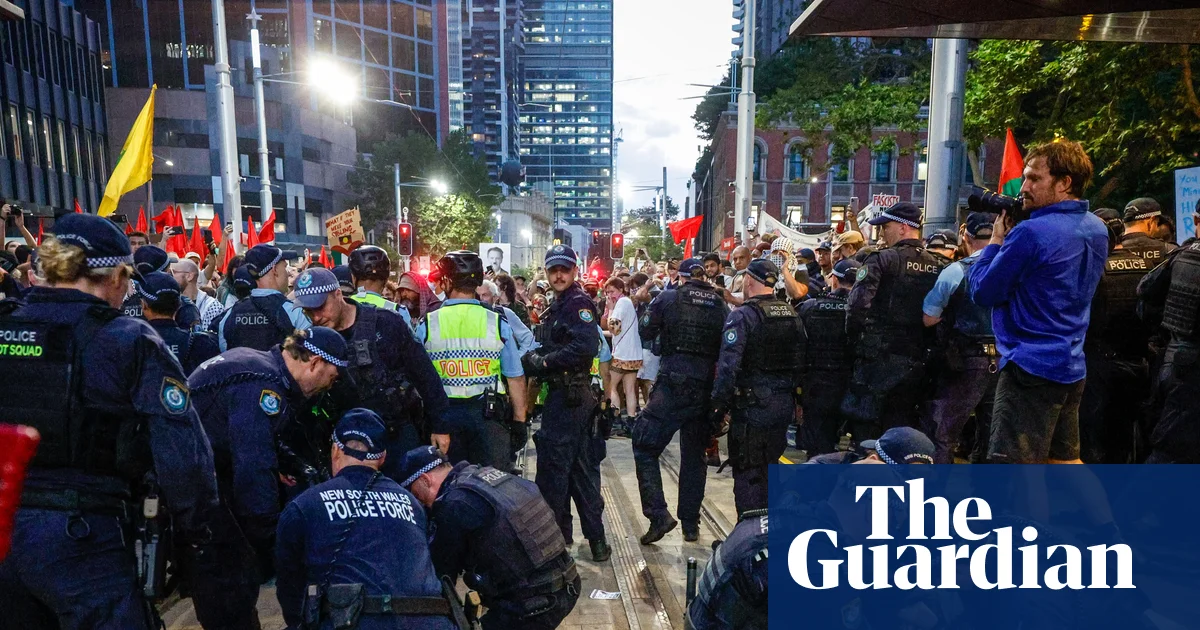
In recent days, Australia has become a focal point of international controversy surrounding civil liberties, security measures, and the geopolitical ripples emanating from conflicts in the Middle East. The protests in Sydney against the visit of Israel’s president, Isaac Herzog have sparked fierce debates about police conduct, the limits of public assembly, and the influence of domestic political decisions on international diplomacy. The police’s aggressive response, including pepper spray and physical assaults on protesters, has drawn condemnation from local figures and raised questions about the blurring line between maintaining order and infringing on rights.

At the core of the unrest are broader security measures enacted in response to the Bondi terror attack, which left 15 victims. NSW Premier Chris Minns justified the police’s actions, asserting they were operating under a “difficult situation” created by restrictions on protests — themselves a reaction to the threat of terrorism. This highlights how **counter-terrorism strategies** can justify heightened police powers, often at the expense of civil liberties. Such measures reflect a growing trend where governments, citing security concerns, impose restrictions that can escalate tensions and infringe upon the rights of dissenting citizens. As analysts warn, this approach risks eroding democratic norms and setting dangerous precedents for the use of force in peaceful protests.

International observers, including human rights groups and political analysts, recognize the geopolitical impact of these events. The confrontation in Australia echoes similar patterns seen elsewhere — where domestic security concerns are leveraged to justify aggressive law enforcement, often with the tacit approval or complicity of political leaders. Green MPs in NSW and independent voices have accused Minns of deliberately creating a “pressure cooker” environment, exacerbating tensions rather than diffusing them. This domestically charged climate not only affects how societies respond to dissent, but also influences international perceptions of Australia’s stance on human rights and civil liberties. As international organizations like Amnesty International increasingly scrutinize such police actions, the risk remains that domestic crackdowns could serve as a blueprint, emboldening similar tactics in other nations facing internal dissent or protests rooted in geopolitical conflicts.

Furthermore, the handling of pro-Palestine protests during Herzog’s visit signals a troubling intersection between local policies and broader geopolitical conflicts. The police’s forceful tactics, documented in multiple videos, have intensified international concerns about the escalation of police-state dynamics in nations ostensibly committed to democratic principles. Historians warn that such episodes, if repeated across different regions, can accelerate a global shift towards authoritarianism disguised as security. Meanwhile, global institutions and allied nations are watching closely, questioning whether Australia’s approach signifies a rare reaction or a dangerous trend that could ripple across other democracies. This unfolding clash exemplifies the ongoing tension between security and liberty — a debate that will define the global order for decades to come, as the narratives of resistance and repression become increasingly intertwined.

As history continues to unfold, the events in Sydney underscore the fragile balance between safeguarding a nation’s security and preserving its democratic fabric. The actions of law enforcement on the streets have reverberations far beyond their immediate borders, touching on fundamental questions of human rights, sovereignty, and the very essence of free societies. The world waits, holding its breath, as these stories—etched into the annals of history—serve as a stark reminder that the fight for liberty is ongoing, and the outcome remains uncertain. How nations choose to respond today will determine whether we move closer to an era of authoritarian control or a renewed commitment to the enduring values of freedom amidst the turbulent currents of history.
Italian cops crack down on protesters in Milan ahead of Olympics

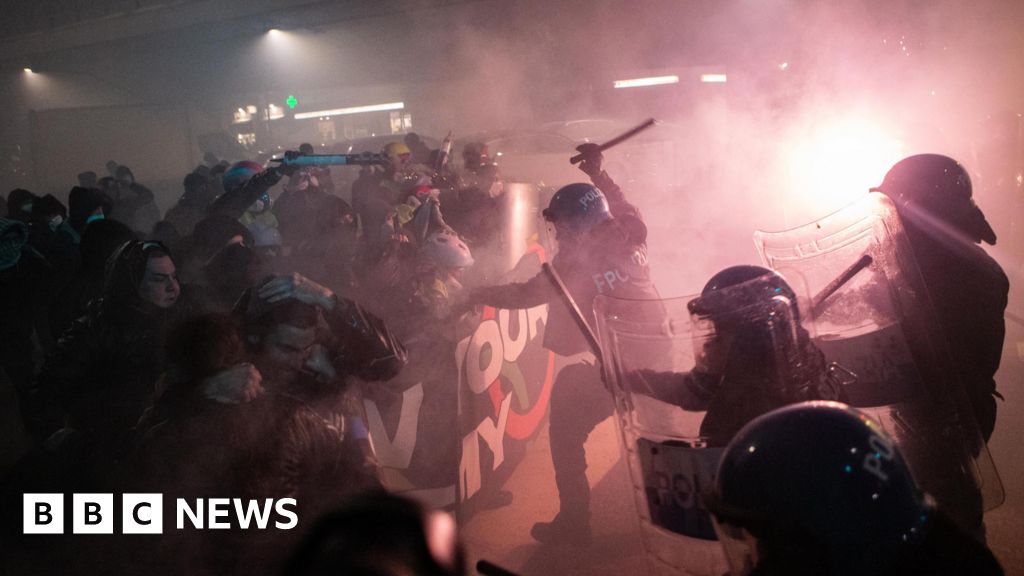
In an unfolding development that underscores the persistent volatility of civil unrest across Europe, authorities in Italy have reported the detention of at least six individuals following a recent demonstration in Turin. This protest, initially intended as a rally for economic reform and social justice, swiftly escalated into violence, raising alarm across both national and international spheres. Such incidents highlight the fragile state of social cohesion in parts of the continent and draw renewed scrutiny on the government’s approach to civil dissent.

The violence erupted unexpectedly amidst a context of mounting economic pressures and political discontent, which have been vastly magnified by global uncertainties. The Ufficials confirmed that the unrest in Turin was not an isolated event but part of a broader wave of demonstrations sweeping through parts of Europe, fueled by frustration over rising inflation, unemployment, and perceived government indifference. Analysts from international think tanks are warning that these tensions may escalate if the underlying issues are not addressed, potentially destabilizing long-standing social contracts within European nations.

International organizations, such as the European Union and the United Nations, have issued cautious statements underscoring the importance of dialogue and restraint. However, the recent arrests in Italy serve as a stark reminder of how fragile the situation remains. Despite the government’s efforts to quell unrest, critics argue that heavy-handed security measures risk alienating the very populations they aim to pacify, potentially fueling further unrest. How this delicate balance will unfold could reshape the social fabric of the region for years to come.

Historians and geopolitical analysts increasingly warn that incidents like the Turin demonstrations are more than isolated clashes—they are emblematic of deeper, systemic shifts within the European order. As nations grapple with rapid economic and demographic changes, the decisions made today will determine the future of governance and social stability. Governments are under mounting pressure to find effective, just solutions that respect civil liberties while maintaining law and order.

As the world watches, the *story of Turin* continues to unfold, a powerful reminder that history is always in motion—each protest, each arrest, shaping the narrative of a continent at a crossroads. The tension in Italy echoes across borders, a stark warning that if policymakers do not heed the underlying issues, the consequences could ripple outward, threatening the very foundations of democracy and social harmony. The weight of history presses heavily, and the future remains uncertain, written in the choices made in these critical moments.

Climate protesters score major victory against Victoria police over pepper spray use

Australia’s Climate Protest Victory Highlights Diverging Approaches to Civil Disobedience

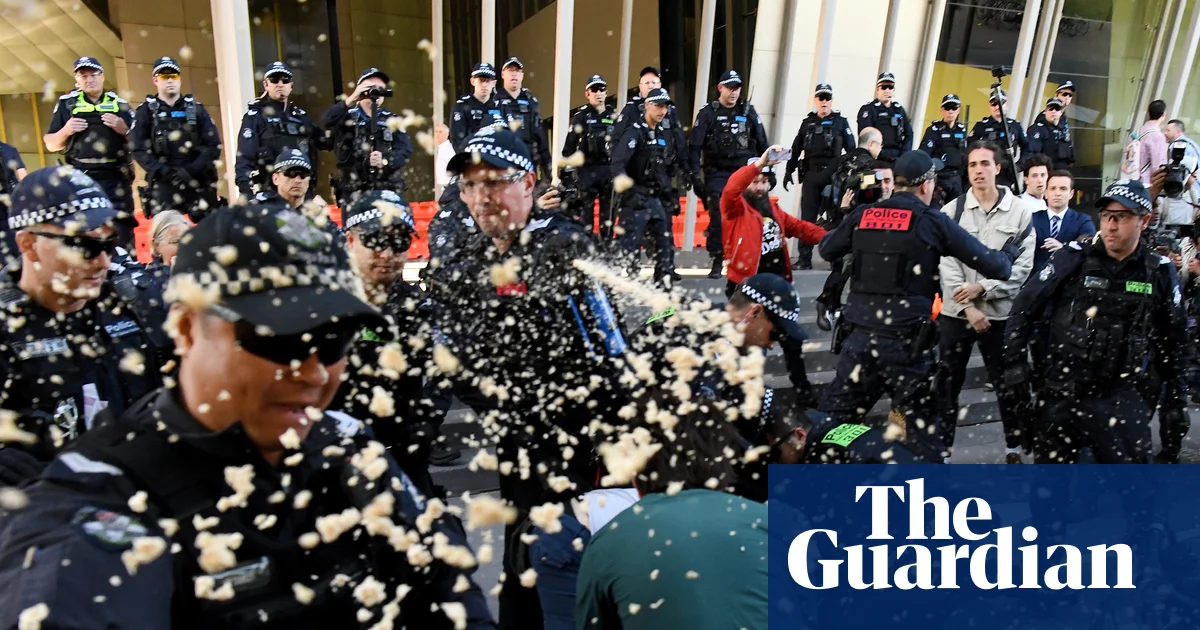
The recent ruling by the Supreme Court of Victoria in favor of climate activists against police over the use of oleoresin capsicum (OC) spray signals a significant shift in how nations are balancing security and civil liberties in an era marked by environmental activism. Protester Jordan Brown’s successful class action underscores the potential consequences of law enforcement policies in the face of growing social activism, especially when state institutions are called to account for perceived excessive force. The decision, awarding Brown $54,000 in damages, not only sets a legal precedent in Australia but also resonates on a broader international scale, prompting a reassessment of policing tactics during civil demonstrations.

Historically, many Western nations have grappled with the thorny question of maintaining order versus respecting citizens’ rights to dissent. As analyzed by international legal experts, the use of chemical agents like OC spray often becomes a flashpoint—balancing the necessity of crowd control against the risk of causing severe physical and psychological harm. The court’s judgment in this case reflects an increasing willingness to scrutinize police conduct more critically. By emphasizing the unlawful nature of the battery inflicted during the protest, Justice Claire Harris pointed out that force should be proportionate and justified—a clear warning to law enforcement agencies worldwide that excessive tactics risk legal repercussions and public backlash.

The incident in question took place outside Melbourne’s international mining conference, IMARC, in October 2019. Tensions erupted as police attempted to arrest two activists who climbed the Melbourne Exhibition and Convention Centre, with officers deploying OC spray on unarmed protesters who posed no immediate threat. The disproportionate application of force exemplifies a broader global debate: how governments and law enforcement recognize and respect the right to peaceful protest, especially in the context of burgeoning environmental movements. As international organizations such as Human Rights Watch continue to warn, heavy-handed police tactics can erode public trust and fuel social divisions, underlining the need for police reforms aligned with legal standards and human rights obligations.

More broadly, this case highlights the geopolitical impact of domestic policies and societal shifts, especially in resource-rich nations like Australia. The global community watches as climate activism intensifies, directly challenging economic interests tied to fossil fuels and mining sectors. Decisions like these ripple beyond national borders, influencing policy debates across Europe, Asia, and the Americas. Such rulings can embolden local activism, prompting governments to rethink their law enforcement mandates amid the climate crisis. As geopolitical analysts note, the increasing intersection of environmental activism and legal accountability signifies a potential turning point in how governments combine security measures with respect for democratic rights.

Looking into the future, legal experts suggest that this landmark case might serve as a catalyst for legislative reforms—limiting police discretion and embedding safeguards to prevent abuses during protests. However, critics warn that governments might respond by tightening security policies to prevent future disruptions, risking a cycle of escalation. As historians track the evolving landscape of civil rights and state authority, the ongoing negotiations between authority and activism continue to shape the fabric of societies worldwide. With every court decision and policy shift, we face the harrowing realization that the course of history is still being written—its pages filled with the enduring struggle for justice in a world teetering on the brink of environmental and societal upheaval.

Pro-Patriot Protesters Push to Storm Presidential Palace

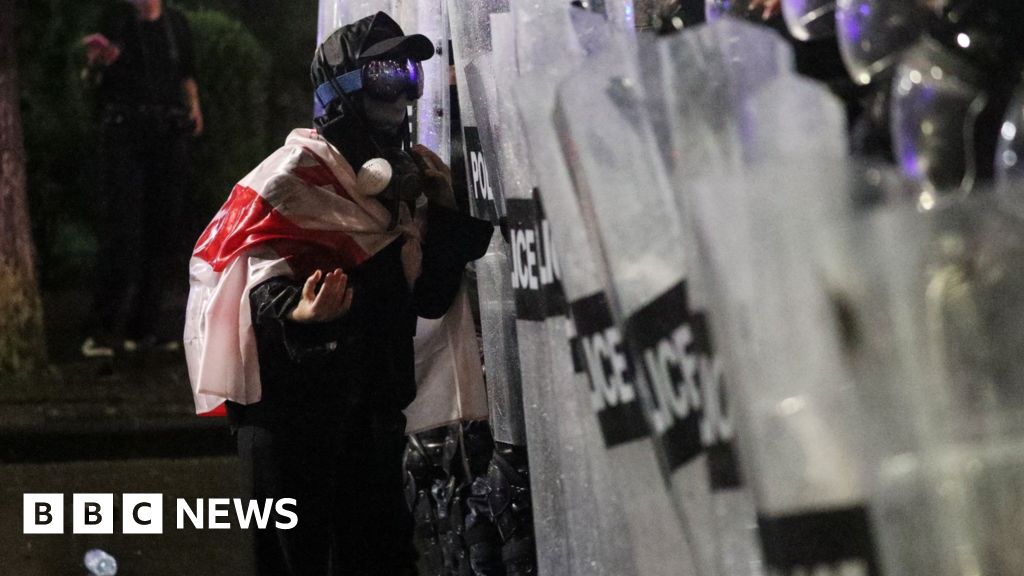
In a dramatic escalation of internal unrest, Georgia has once again become a flashpoint in the volatile landscape of Eurasian geopolitics. Anti-government protesters in the capital city, Tbilisi, attempted to storm the presidential palace amid mounting tensions between the nation’s pro-Western opposition and the ruling Georgian Dream party. Law enforcement responded with force, deploying tear gas and water cannons in an effort to disperse demonstrators who have, for months, been demanding profound political change. The scene of chaos underscores a nation at a crossroads, where the future of its sovereignty aligns dangerously with the intense tug-of-war between Western aspirations and Russian influence.

The protests, initiated by opposition factions calling for a “peaceful revolution”, are rooted in longstanding grievances. Critics accuse Georgian Dream of embracing pro-Russian policies and exhibiting authoritarian tendencies, exacerbating public discontent. These demonstrations gained momentum following the party’s controversial decision to freeze Georgia’s European Union accession talks, abruptly halting a pivotal goal that symbolized the country’s pursuit of Western integration. Since winning the 2021 elections amid allegations of fraud, the ruling government has faced persistent opposition, which claims that the government’s actions threaten Georgia’s democratic future and its aspirations to join Western institutions. According to analysts like Dr. Helen Mason, the unrest signifies more than local discontent; it reflects broader geopolitical vulnerabilities that could reshape regional alignments.

The European Union and United States watch these developments with a wary eye, aware that their influence in Georgia, a strategic buffer in the Caucasus, may be challenged or compromised. Georgia’s oscillation between Western ambitions and Russian influence positions it as a volatile arena where international interests intersect disruptively. The decision by Georgian Dream to halt EU accession talks not only signals internal political divergence but also demonstrates Russia’s ongoing efforts to maintain dominance over the South Caucasus, seeking to prevent Western integration in a region it considers within its traditional sphere of influence. As historian Marko Petrovic notes, such internal conflicts are often magnified by external powers seeking to shape the regional order in their favor.

  • The unrest in Georgia exemplifies the fragility of post-Soviet states whose political alignments remain battlegrounds for broader international influence.
  • The decision to freeze European integration efforts underscores the delicate balance between national sovereignty and external pressures from Russia and Western nations.
  • International institutions are alarmed at the potential for escalation, seeing Georgia as a pivotal piece in the chess game for influence in Eurasia.

The fate of Georgia holds profound implications beyond its borders. As the nation teeters on the brink of further turmoil, the international community must grapple with what could be a major turning point in the ongoing struggle for regional dominance. History reveals that such moments—marked by internal protests and external pressures—often set the stage for larger conflicts or shifts in alliances. As the world watches Georgia’s streets, the question remains: will this small but strategically vital nation forge a new path toward sovereignty and Western integration, or will it succumb to the gravitational pull of nearby powers eager to reshape the regional map? The answer lies in a tumultuous future where history yet writes itself, and the echoes of today’s struggles will resonate for generations to come.

Social Media Auto Publish Powered By : XYZScripts.com