Matox News

Truth Over Trends, always!

Obama backs anti-ICE protests in Minneapolis—Young voices rising for reform

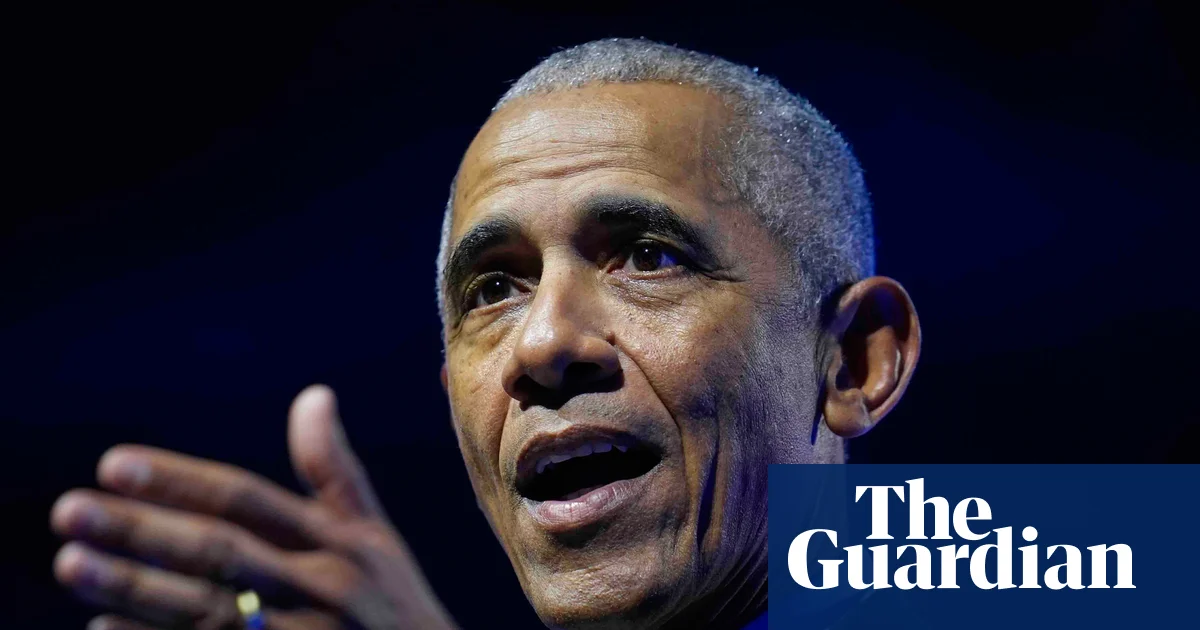
The recent upheavals in Minneapolis and the surrounding Twin Cities expose a significant chapter in the ongoing struggle over U.S. immigration policies and federal authority. Former President Barack Obama publicly voiced his support for local demonstrators opposing the controversial Immigration and Customs Enforcement (ICE) operations, which he described as “unprecedented.” His remarks highlight the geopolitical impact of internal U.S. policies that not only shape the nation’s social fabric but also resonate broadly on the international stage. As mass protests erupt and authorities retreat, analysts argue these events underscore an inflection point in America’s internal stability and how its leadership chooses to wield federal power in the face of public dissent.

At the heart of this critical moment is how decisions at the federal level influence societal perceptions and international credibility. The escalation of ICE actions—deployed without clear guidelines and involving aggressive tactics like tearing gas canisters and entrapping families—has been widely condemned. Historically, experts like Dr. Samuel Harper, a senior analyst at the Global Policy Institute, underline that “the backlash against federal immigration enforcement reveals a broader narrative: Americans are deeply divided about the **values** that define their nation.” It is ironic that the federal government, which often portrays itself as the defender of national sovereignty, now faces accusations of endangering the very communities it claims to protect, thereby fueling accusations of overreach and authoritarianism.

U.S. officials, including Tom Homan, the former border czar, indicated a voluntary scaling down of operations following highly publicized deaths at the hands of federal agents—a turning point that many interpret as a response to mounting protests. These developments suggest that the message conveyed by the American populace, especially the youth, is one of resistance against what many see as overstepping constitutional bounds. The international community, including the United Nations and human rights organizations, has scrutinized these events, warning of damage to America’s global image and urging accountability. Yet, critics argue that such recalls signal a recognition of the tides turning, as a citizenry increasingly demands adherence to fundamental rights and the rule of law.

As the debate intensifies, the emotional narratives shared by leaders like Obama and Michelle Obama evoke a sense of crisis—a call for Americans to reflect on their core values. Historically, moments of internal unrest often serve as turning points in national identity; whether these protests mark a shift towards greater justice or signal unresolved divisions remains to be seen. What is undeniable is that the decisions made in the coming weeks will reverberate across generations, influencing policies, societal attitudes, and the very fabric of what it means to be an American. As history continues to unfold, the weight of this chapter will linger, a stark reminder that the struggle over liberty, justice, and sovereignty remains as vital as ever, etched into the annals of a nation still seeking its true direction amid tumult and change.
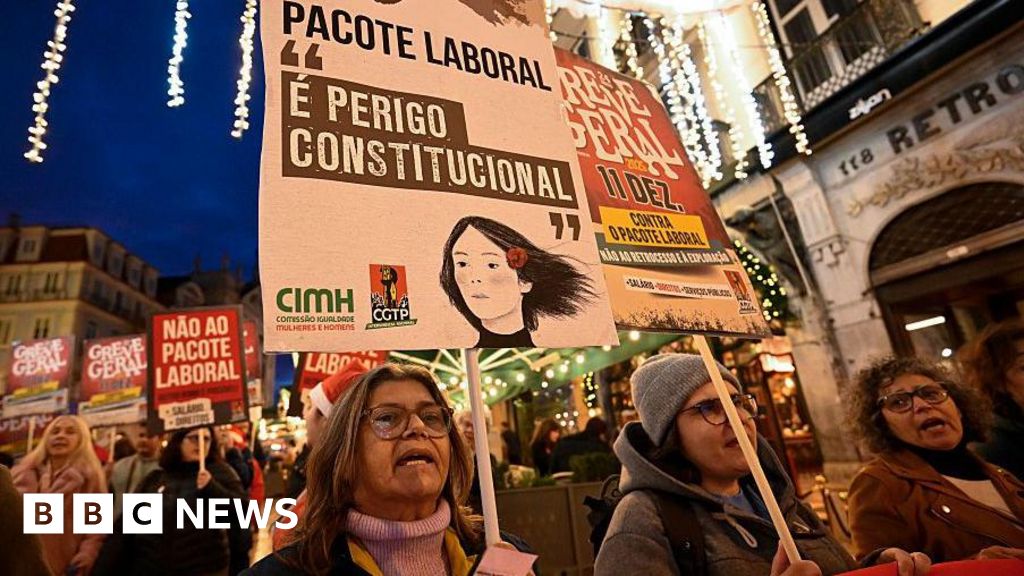
Portugal gears up for major protests in first nationwide strike in 12 years

The recent general strike in Portugal underscores a critical juncture in European geopolitics, where national sovereignty encounters the relentless pressures of international economic forces and domestic ideological battles. As transport, healthcare, and public services grind to a halt, the union federations CGTP and UGT, both historically resilient, have united against a sweeping labor reform package championed by Prime Minister Luís Montenegro. These reforms, which threaten to erode decades of worker protections, symbolize an underlying tension—one that reflects the global contest between free-market policies and the social safety nets cherished across European societies.

At the heart of the upheaval lies a package of over 100 proposals that, critics argue, serve primarily to empower employers at the expense of workers’ rights. Key among them are measures allowing firms to roll over temporary contracts indefinitely, facilitate sackings via outsourcing, and eliminate guarantees for reinstating unfairly dismissed employees. While Montenegro insists that these reforms are essential for Portugal’s economic revival, many see this as veering dangerously close to undermining the country’s robust employment protections rooted in its 1976 constitution. International economists and local workers alike warn that such measures could set a precedent, not just for Portugal, but for other nations apprehensive about losing sovereignty amid the global push for deregulation.

This internal struggle is compounded by political intrigue and external pressures, as Montenegro’s government seeks support from both the Liberal Initiative and the far-right Chega party—an alliance that raises eyebrows among observers. Since the recent elections, the leader of Chega, André Ventura, has expressed reservations about the reforms but remains open to negotiations, hinting at a broader political realignment. This maneuvering occurs against the backdrop of a *pre-election landscape*, where the very fabric of Portugal’s constitutional safeguards is threatened. Critics fear that the government’s attempts to relax employment laws could lead to the amendment of the constitution itself, thus weakening one of Europe’s most steadfast legal frameworks for workers’ rights.

In this tense climate, international organizations such as the European Union and the International Labour Organization watch with concern as social unrest takes center stage. Many analysts argue that Portugal’s crisis is emblematic of a broader phenomenon—where **sovereign nations** are caught between the economic imperatives imposed by transnational institutions and the rising tide of populist nationalism defending national sovereignty and social contracts. Historically, similar episodes—such as during the eurozone crisis—have foreshadowed future tensions that threaten the EU’s unity and the stability of the European project. The language of reform has often masked deeper struggles over who holds power in shaping the social fabric, and Portugal’s current upheaval signals that this question remains fiercely contested.

As the saga unfolds, the weight of history presses heavier on all involved. The impending presidential election and the looming threat of constitutional amendments have transformed what began as economic policy into a battlefield for national identity and sovereignty. The story of Portugal’s labor reforms is not merely about local politics; it’s a microcosm of a global power struggle—one where the outcome will determine whether societies retain their social protections or capitulate to international economic forces. In the shadow of historic institutions and the echoes of past crises, the future remains uncertain, with Portugal poised at a crossroads—its decisions shaping the trajectory of entire nations yet to come. The pages of history continue to turn, writing a chapter that will resonate far beyond Europe’s borders.

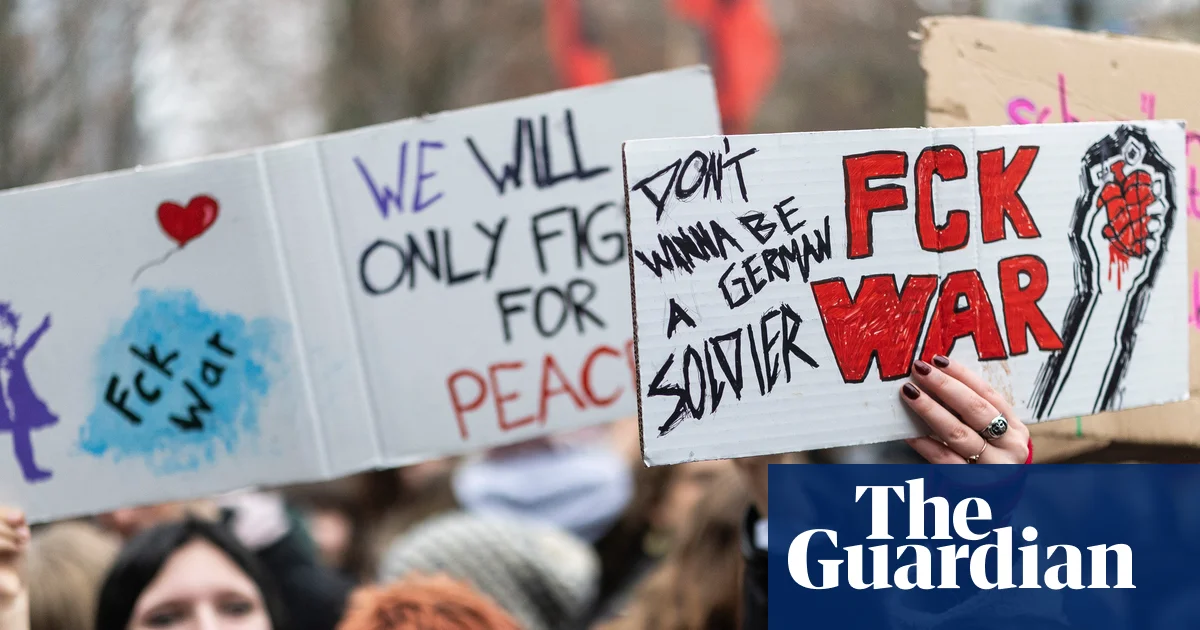
Germany approves military service plan after student protests

In a striking demonstration of Germany’s tumultuous geopolitical landscape, the Bundestag recently rubberstamped a contentious new military service model amid fervent protests by youth across the nation. The legislation, which mandates screening all 18-year-old men for military suitability starting January 1, signals a clear shift towards rearmament—an echo of Germany’s Cold War past when conscription was a fundamental aspect of national defense. This move, championed by Defense Minister Boris Pistorius, aims to rebuild the German armed forces to reach a desirable strength of 460,000 personnel—comprising 260,000 active soldiers and 200,000 reservists—replacing the current modest force of approximately 182,000 active soldiers. Yet, this effort faces fierce opposition from a vociferous youth movement and critics warning of the societal and moral costs involved.

Public demonstrations erupted across Germany with students and young activists striking from classes, voicing their opposition to what they see as a dangerous regression towards militaristic nationalism. Alicia, a 17-year-old protester in Berlin’s Kreuzberg district, articulated a sentiment shared by many: “I’m striking against conscription and in opposition to the rearmament that’s taking place, not least because I don’t think the government is doing enough to secure peace through diplomatic means.” These protests mirror a broader undercurrent of skepticism about the government’s shift towards militarism at a time when many see diplomacy and international cooperation as the true pathways to lasting peace. International observers, including analysts from the European Council on Foreign Relations, warn that rearmament risks inflaming regional conflicts and eroding the post-World War II consensus that aimed to *keep Germany as a peaceful, democratic state.*

The decision’s geopolitical impact extends well beyond border disputes or military strength; it’s reshaping Germany’s role within Europe and the wider Atlantic alliance. Critics, such as the left-wing Die Linke, argue that this move undermines Germany’s commitment to peace and risks rekindling a militarized nationalism reminiscent of its dark past. Meanwhile, conservative voices emphasize the need for a prepared and patriotic military force, asserting that the new laws will inspire a sense of national duty among young Germans. Notably, Friedrich Merz of the CDU highlighted the importance of soldiers fighting for their country rather than monetary gain, advocating a “patriotism-driven” military ethos. This debate echoes historically charged tensions about national identity and the morality of military service, with critics pointing out the problematic echoes of Germany’s Nazi-era atrocities—a point often raised by historians warning against the resurgence of militaristic chauvinism.

Simultaneously, the German government is advancing legislation on an array of socio-economic issues, including a controversial pension law aimed at stabilizing an aging society. The legislation was fiercely debated, with young lawmakers raising concerns over demographic shifts and the burden of support placed on future workers. The law’s passage, which maintains state pensions at 48% of wages until 2031 and introduces tax incentives for extended workforce participation, reflects a broader attempt to balance economic sustainability with social security. Yet, opposition from within the coalition underscores fears that such policies merely shift burdens onto the youth, compounding the societal stresses of demographic decline. As the nation’s political landscape shudders under these dual shifts—toward rearmament and social austerity—the true test lies in how Germany’s leadership navigates this turbulent epoch. Will this be a chapter of renewed strength or the ignition of a perilous cycle of militarism and social discord? History continues to unfold, its pages heavy with implications for Europe and the world.

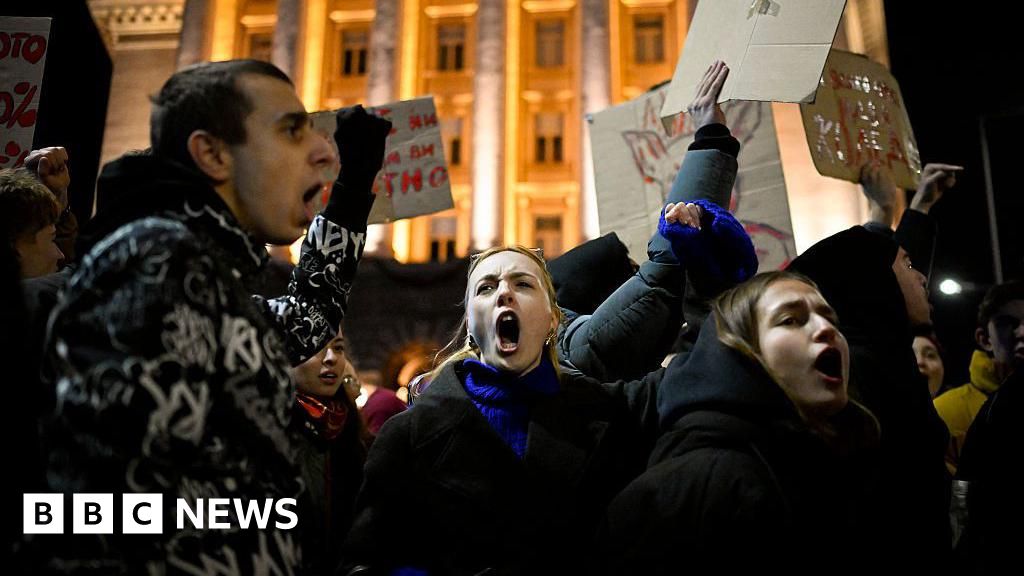
Bulgaria pulls back on budget plan after massive youth protests

In a remarkable display of civilian unrest, Bulgaria is currently experiencing one of the most significant upheavals in its recent political history. Massive protests swept through Sofia and other major cities, ignited by widespread dissatisfaction with the nation’s proposed 2026 budget. Public outrage centers around allegations of entrenched government corruption and economic mismanagement, which have, over time, eroded trust in the political elite. The protests, which included thousands of young citizens and civil advocates, marked the largest mobilization since Bulgaria’s post-communist transition, signaling a turbulent crossroads for a country that, despite recent economic reforms, remains vulnerable to internal dissent.

What stands out in this unfolding chaos is how the Bulgarian government has responded—first attempting to push through a contentious budget plan that many saw as a means to bolster corrupt practices and increase taxes. The draft budget, which was to be Bulgaria’s first delivered in euros following its recent accession to the Eurozone, was met with fierce opposition. Critics argued that the plan aimed to conceal crimes of the ruling coalition and threatened the fragile social fabric of a nation plagued by inflation fears and economic disparities. In an ultimate concession to mounting pressure, Bulgaria’s government announced it would abandon the plan, a move seen by many analysts as a victory for the protesters but a symptom of deeper systemic issues. Yet, the underlying challenge remains: how does a nation reconcile its desire for economic stability with the deep-seated corruption that continues to undermine rule of law?

Historical analysts and international organizations have warned that Bulgaria’s political landscape is extremely volatile. The country, often characterized as the EU’s “poor cousin,” has experienced a succession of short-lived governments since 2020, each promising reform, yet delivering little tangible change amid allegations of mafia influence and unchecked corruption. The European Commission and various watchdog groups have called for stronger oversight and judicial independence, emphasizing that the nation’s stability hinges on its ability to defend democratic institutions. As protests spilled into violence—masked demonstrators attacking party offices, setting bins ablaze, and clashing with riot police—the Bulgarian President, Rumen Radev, condemned the violence but also accused “provocation by the mafia,” framing the uprising as a fight against entrenched illicit power structures. His call for resignation and early elections echoes across the political divide but underscores the urgent need for systemic reforms that go beyond mere façade.

As the nation stands at this pivotal juncture, the worldwide community watches with bated breath. The decisions made in the coming weeks will dramatically influence Bulgaria’s political trajectory and its role within the European Union. The chaos underscores how longstanding corruption and economic disparities can ignite a populace’s collective rage, threatening the fragile consensus that sustains democratic governance. With the government promising a new budget process, the weight of history presses heavily on Bulgaria’s shoulders. Will it succumb to internal chaos, or will it forge a path toward genuine reform? What remains undeniable is that the outcome will shape the future of Bulgaria’s society and its journey toward integration within enduring European institutions. Like a storm gathering on the horizon, the unfolding story is a stark reminder that history’s pen still writes—sometimes in chaos, sometimes in hope, but always, inexorably, in action.

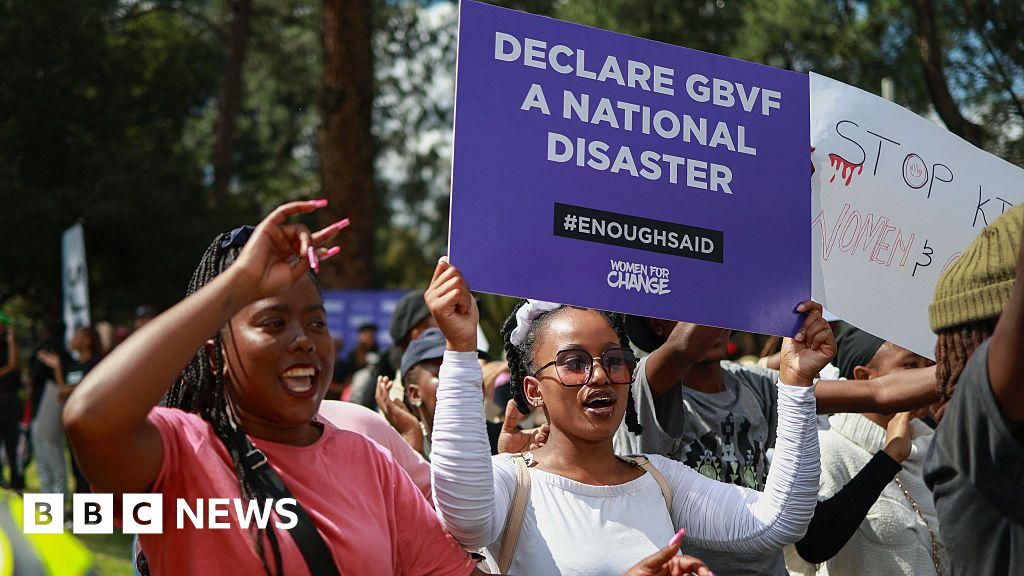
South Africa Labels Gender Violence a National Crisis Amid Youth-Led Protests

South Africa Declares Gender-Based Violence a National Disaster Amidst Growing Protests and International Concerns

In a decisive move reflecting the gravity of its ongoing crisis, South Africa has officially declared gender-based violence (GBV) a national disaster. The decision follows an unprecedented wave of public outcry and countrywide protests urging the government to confront a crisis that has persisted for decades, yet remains alarmingly unresolved. This escalation in official recognition underscores how deeply entrenched violence against women has become within South African society—a reality that international organizations, including UN Women, have long warned about. With women murdered at a rate five times higher than the global average, the country’s plight not only sparks domestic outrage but also highlights the broader geopolitical impact of failed governance and social norms.

The protests, notably dubbed the G20 Women’s Shutdown, saw thousands of women and allies in major urban centers like **Cape Town**, **Durban**, and **Johannesburg** engaging in a symbolic act—lying down for fifteen minutes at noon, as a gesture of mourning and resistance. This coordinated effort was supported across borders, with formations in **Eswatini**, **Kenya**, and **Namibia** expressing solidarity. Significantly, the movement drew momentum from social campaigns where celebrities and ordinary citizens changed profile pictures to purple, symbolizing awareness and unity against GBV. Such mass mobilizations have begun to force the hand of a government historically reluctant to classify the violence as a crisis, despite repeated warnings from activists, legal experts, and international observers.

The launch of this declaration comes with a stark recognition of systemic failures. South Africa’s Ministry of Cooperative Governance and Traditional Affairs announced the classification after *”a thorough reassessment of previous reports”* and a push from civil organizations demanding action. Yet, despite a wide array of legislation aimed at curbing violence, critics argue that implementation has been lackluster—making the classification a symbolic victory rather than a tangible solution. Analysts from institutions like *International Crisis Group* suggest that such declarations, while crucial, often risk becoming mere gestures unless accompanied by concrete policy shifts. History warns that without action, the risk is a continued cycle of violence, societal normalization of fear, and a weakening of the social fabric.

This alarming situation has spurred individual action as well. Women’s organizations like Girls on Fire advocate for armed self-defense, with many women learning to wield firearms legally, hoping to shift the balance of power in their favor. The tragic stories of survivors like Prudence—who was raped and faced a bureaucratic nightmare to seek justice—highlight the urgent need for societal and legal reform. These grassroots efforts emphasize a crucialNational geopolitical impact: the ongoing struggle in South Africa is emblematic of broader regional instability, where governance gaps foster environments ripe for violence, often spilling over borders and exacerbating migration, refugee crises, and regional insecurity. Experts warn that unless national leadership prioritizes genuine change, South Africa risks further deterioration, with repercussions rippling across the continent and beyond.

As the weight of history presses down and the world watches, the question remains whether this declaration marks a genuine turning point or a fleeting political gesture. The unfolding narrative will test whether international solidarity, grassroots resilience, and government accountability can ultimately confront a societal scourge that threatens to erode the very foundations of a nation struggling to reconcile its promise with its harsh realities. In the shadows of the Union Buildings, beneath the banner of mourning and defiance, the battle for South Africa’s soul continues—its outcome uncertain, its significance immense.

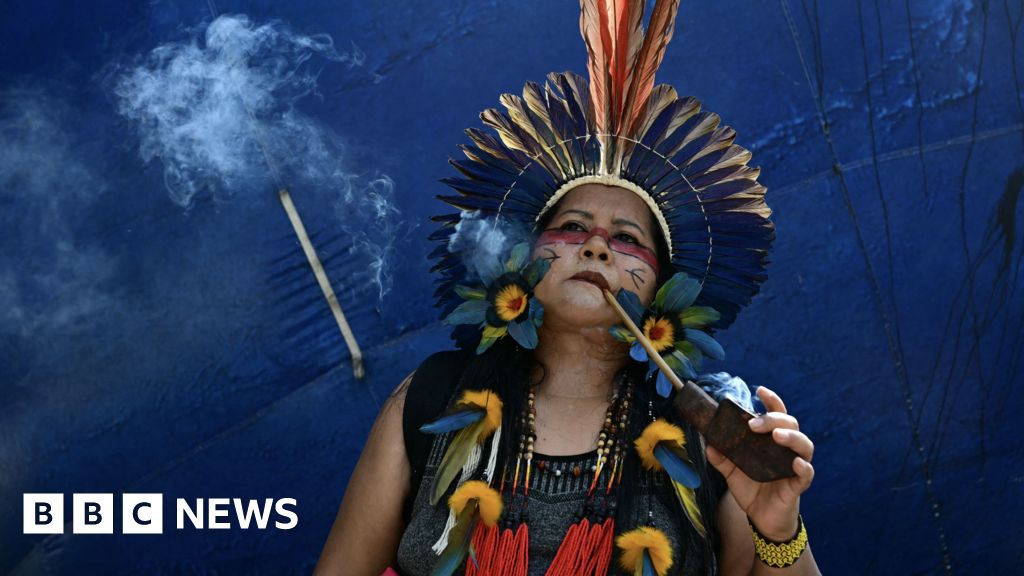
Brazil expands Indigenous lands following COP30 protests

In a notable move amidst the ongoing global climate crisis, Brazil has formalized the creation of 10 new Indigenous territories, a decision that echoes the rising tide of Indigenous-led environmental activism at the COP30 climate summit in Belém. This initiative, announced on Indigenous Peoples’ Day, is a significant shift from recent decades when protections for Indigenous lands had either been neglected or actively undermined. The measure, which encompasses vast areas including part of the Amazon rainforest—an ecological titan responsible for a major share of the planet’s carbon sequestration—aims to preserve both cultural heritage and vital biodiversity.

These newly designated Indigenous territories, covering hundreds of thousands of hectares and inhabited by thousands of Indigenous peoples such as the Mura, Tupinambá de Olivença, Pataxó, Guarani-Kaiowá, Munduruku, Pankará, and Guarani-Mbya, represent a strategic effort that aligns environmental conservation with Indigenous rights. Historically, under former President Jair Bolsonaro’s administration, policies tended to promote unregulated mining, logging, and commercial farming—actions that directly accelerated Amazon deforestation and contributed to rising global temperatures. Now, under the leadership of President Luiz Inácio Lula da Silva, Brazil appears to be reversing course, recognizing Indigenous claims forcibly suppressed under previous regimes. Analysts worldwide praise this shift, noting it could prevent up to 20% of potential deforestation and slash carbon emissions by 26% by 2030, according to studies by the Articulation of Indigenous Peoples of Brazil and environmental research groups.

This move holds significant geopolitical impact as it signals a broader push among nations to embrace tangible actions against climate change. The protection of these lands—especially ones overlapping over 78% with the Amazon National Park—serves as a critical bulwark against the global environmental shift. Indigenous territories have repeatedly shown to be effective buffers against deforestation and ecological degradation, and global experts such as climate scientists argue that these measures are essential in the fight to keep global warming below 1.5°C. The decision’s timing, coinciding with COP30’s focus on the “how to limit temperature rises,” underscores the growing international consensus on the need for immediate, enforceable action. Yet, critics warn that enforcement remains fragile and that the fight against illegal mining and logging persists as a civilizational challenge that threatens these fragile ecological and cultural sanctuaries.

As international organizations and countries grapple with the urgent task of climate mitigation, Brazil’s new policies highlight a pivotal point in global environmental politics. The question remains whether economic pressures—driven by a resilient global market’s thirst for commodities—will erode the gains made through Indigenous stewardship or bolster them as part of a broader strategy for sustainable development. Historians and climate analysts warn that neglecting Indigenous sovereignty and ecological knowledge risks repeating past failures. The future of the Amazon—and possibly the entire planet—rests on these decisions, with each government’s stance echoing through this unfolding chapter of history. The tale is far from finished; as the world watches and waits, the weight of history presses on every policy and every forested hectare protected or lost, shaping the legacy of this vital planet for generations to come.

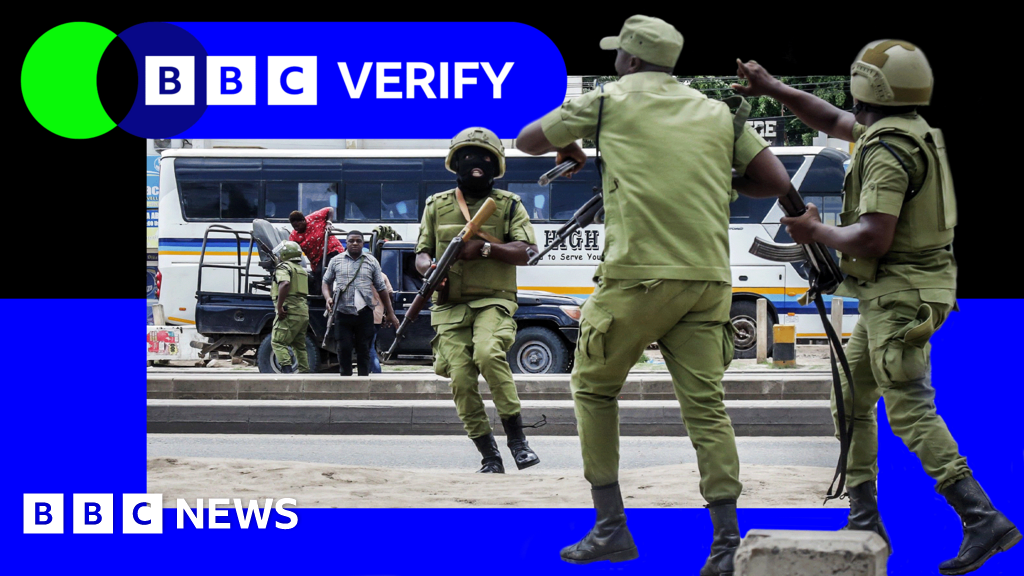
Tanzania police suppress election protests with deadly force

Geopolitical Turmoil in Tanzania: A Nation at Crossroads

In a sharply escalating crisis, Tanzania finds itself caught in a maelstrom of violence and international warning. Recent reports, verified by BBC and multiple sources, reveal a brutal suppression of protests that erupted amidst contested presidential and parliamentary elections. The scenes emerging from cities like Dar es Salaam, Mwanza, and Arusha depict a nation grappling with deeply rooted political unrest and a government willing to marshal lethal force. The aftermath—hundreds of casualties, detained opposition figures, and a near-total internet blackout—illuminates a troubling chapter in Africa’s ideological landscape, casting long shadows over regional stability.

The elections that sparked these protests were marked by allegations of systematic suppression. Incumbent President Samia Suluhu Hassan secured an overwhelming 98% of the vote, in a result viewed with skepticism by opposition leaders and international observers. Opposition figures faced arrests, bans, and restrictions, raising significant questions about the nation’s democratic trajectory. The OHCHR warned that at least 500 lives have been lost, with many more injured or detained—harsh indicators of a government cracking down on dissent with indiscriminate violence.

The violence peaked on the streets of Dar es Salaam, where heavily armed police units confronted young protesters, firing tear gas, live rounds, and pursuing fleeing crowds in a display of force reminiscent of authoritarian regimes. Eyewitness videos depict harrowing scenes: bodies lying beside main roads, bloodstains marking streets, and hospitals overwhelmed with casualties. Analysts specializing in African geopolitics suggest that this brutal repression is a deliberate effort to silence the younger generation, a movement frustrated by economic stagnation and entrenched political leadership. The international community faces a critical test—whether to condemn these actions or accept them as the new normal, thereby emboldening tyranny across the continent.

As the UN calls for investigations into the killings and violations, the Tanzanian government remains defiant, refusing to release detainees and refusing to admit fault. The region’s stability hangs in the balance; a failure to address these widespread abuses threatens to destabilize a vital corridor in eastern Africa. Historically, analysts have warned that unchecked power and suppression often lead to long-term chaos, reminiscent of past coups and civil conflicts. Tanzania’s current path could either become a cautionary tale or a testament to resilience, depending on the course of events in the coming weeks.

In this unfolding story of loss and resilience, every gunshot, every life lost, becomes a part of the broader narrative in Africa’s ongoing struggle for real democracy and national sovereignty. The world watches as a nation’s future hangs on a knife’s edge, with history waiting to record whether Tanzania’s currents of repression will ultimately lead to reform or further turmoil. Humanity must grapple with the weight of this moment, knowing that the choices made today will echo through generations to come—a stark reminder that some chapters of history are written in blood, and the struggle for freedom remains as urgent as ever.

Youth-led protests erupt in Mexico criticizing government’s crime crackdown

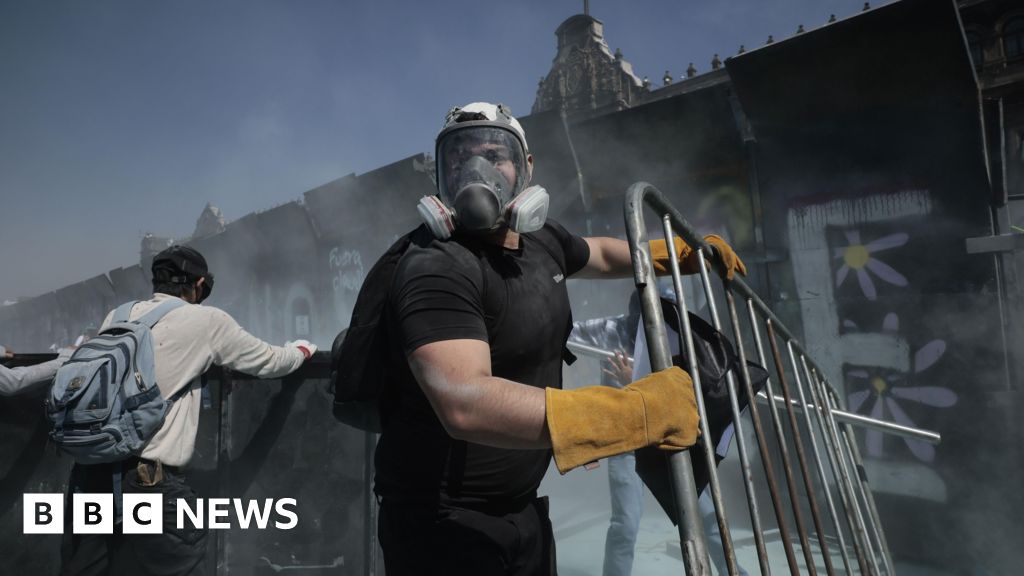
In a striking display of domestic unrest, Mexico has recently witnessed thousands of protesters flooding the streets of Mexico City and other urban centers, voicing their anguish over the persistent grip of violent crime and cartel warfare. Organised largely by Generation Z youth groups, this wave of dissent underscores a profound societal crisis that transcends mere law enforcement failures to threaten the very fabric of Mexican society. The rally, sparked by the brutal assassination of Carlos Manzo, a progressive mayor who demanded tough action against criminal gangs, echoes a broader dissatisfaction with the government’s approach, and highlights the simmering tensions that could destabilize the region further.

President Claudia Sheinbaum has come under fire for her handling—or perceived mishandling—of these issues. Her assertions that the protests are fueled by right-wing political actors and online bots reveal her effort to deflect responsibility and maintain public approval, which remains above 70% according to official polls. Yet, critics—both within and outside Mexico—argue that her resistance to an all-out war against cartels is fueling the violence, while her reluctance to implement aggressive drug policies—a legacy of Mexico’s tumultuous history—risks prolonging the chaos and undermining regional stability. As analysts like historian María Rivera warn, the decision to tread carefully rather than confront cartels directly could have far-reaching consequences beyond Mexico’s borders.

The geopolitical impact of Mexico’s internal turmoil extends to its neighbors, especially the United States. US policymakers, concerned about the spillover of violence and fentanyl trafficking, see Mexico’s approach as a critical factor in shaping regional security. President Trump’s focus on border security and drug interdiction is echoed by others who demand a more aggressive stance; however, Mexico’s reluctance to escalate the conflict highlights a broader debate about sovereignty, intervention, and the limits of foreign influence. Meanwhile, Peru’s recent declaration of Sheinbaum as persona non grata and the severance of diplomatic ties reveal how Mexico’s domestic issues have begun to resonate on the international stage, destabilizing diplomatic relations in South America and exposing fissures within Latin America’s diplomatic fabric.

As global powers jostle to define their roles in this unfolding crisis, international organizations have warned of a potential regional escalation. The International Crisis Group cautions that if Mexico’s internal strife persists without a clear and effective resolution, it could serve as a catalyst for broader U.S.-Latin America tensions, and even encourage unauthorized state actors to exploit the unrest. The fact that Mexico—once hailed as a pillar of regional stability—is now embroiled in violent upheaval underscores the cautionary tale that history offers: when internal disorder is left unaddressed, it inevitably becomes a larger, transnational threat. The world watches with bated breath as this chapter of Mexico’s history remains unwritten, yet the shadows of conflict cast long and dark across continents.

COP30 Live: US Absence Sparks Tensions as Youth Protests Rage On

Global Climate Diplomacy in Flux: The Geopolitical Impact of COP30 and Civil Society Unrest

As Brazil hosts the COP30 climate summit amidst a backdrop of upheaval, the geopolitical landscape of climate policy is experiencing a profound transformation. The absence of the United States—the world’s largest historical greenhouse gas emitter—marks a pivotal turning point in international climate negotiations. Meanwhile, civil society activists, indigenous leaders, and environmental guardians are capitalizing on the vacuum created by U.S. disengagement, mobilizing with unprecedented fervor. The arrival of a flotilla of over 100 vessels, including the Greenpeace Rainbow Warrior, symbolizes a new era of direct action that challenges traditional diplomacy and accentuates the deepening societal rifts over climate justice.

The absence of the US delegation— confirmed by research from Carbon Brief—has stoked a wide array of reactions. While former UN climate chief Christiana Figueres declares it a blessing, some analysts warn that this void might embolden petro-states like Saudi Arabia and India to push their agenda, potentially undermining international commitments. Notably, California governor Gavin Newsom has emphasized the importance of subnational efforts, asserting that “what stands in the way becomes the way.” This shifting dynamic indicates a fracture in the once-unified front of international climate diplomacy, where local and regional actors are emerging as critical players, challenging the old paradigms enforced by politician-led negotiations.

Society at the Forefront: Protests, Indigenous Resistance, and the Fight for Land and Life

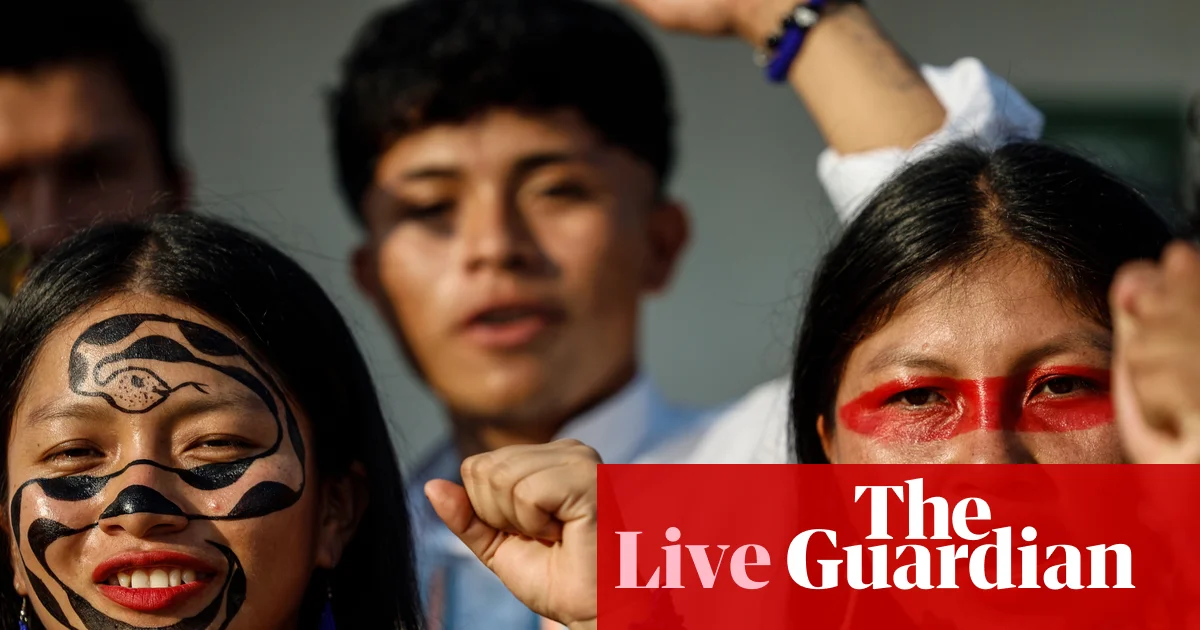
Within Belém, voices of indigenous and forest communities have become the heartbeat of the summit. The **”Boats for Climate Justice Flotilla,”** representing some 5,000 activists from 60 countries, underscores a widespread awakening among marginalized groups demanding recognition of their rights and the protection of critical ecosystems like the Amazon. Maya-Lou Kayapo and Sarah Rodrigues exemplify this resistance, emphasizing that “financial support needs to go directly to the traditional peoples who protect the forest, not to extractivist industries.” As protesters sing slogans such as “Fight for the Right to Life” and “No to Soy!”, they embody an uncompromising stance that society’s future depends on respecting nature and indigenous sovereignty.

The tensions reached a crescendo when dozens of activists burst into the Blue Zone, confronting UN security—an act signaling the resurgence of civic unrest that had been suppressed in recent years. Such demonstrations mark a strategic shift toward direct action and civil disobedience, reflecting a broader social burnout with diplomatic lip service and a growing impatience for tangible change. The symbolism of the inflatable snake, “the great cobra,” underscores their call for reparative justice, emphasizing that financial and political support must flow to communities at the frontline of climate change, not multinational corporations or fossil fuel interests.

Implications for Global Policy and the Future of Climate Action

The geopolitical impact of these developments transcends mere symbolism. International organizations like the IPCC and climate analysts warn that the new landscape, marked by US absence and grassroots pressure, could either accelerate or derail global efforts to meet the Paris Agreement targets. The “entirely feasible” investment of $1.3 trillion annually by 2035, as outlined by the High-Level Expert Group on Climate Finance, hinges on effective mobilization of public and private funds — a task complicated by geopolitical fractures and societal upheaval.

Historian William K. Reilly and others caution that the ongoing crisis exposes the fundamental flaw in relying solely on international negotiations. Instead, the future hinges on bottom-up initiatives—local leadership, civil resistance, and innovative policy mechanisms. Gore’s portrayal of the climate crisis as “literally insane” underscores the urgency of shifting from brittle diplomacy to resilient societal action. As humanity teeters on the edge of climate tipping points, the unfolding narrative of COP30 reveals a world in tension—caught between the old guard’s retreat and new forces demanding a radical reimagining of our relationship with Earth. The decisions made now may well write the next chapter of history—one either of collective salvation or irreversible decline.

Protests erupt in Cameroon over disputed election results, igniting youth-led unrest.

Cameroon’s Contested Election Sparks Unrest and Global Concern

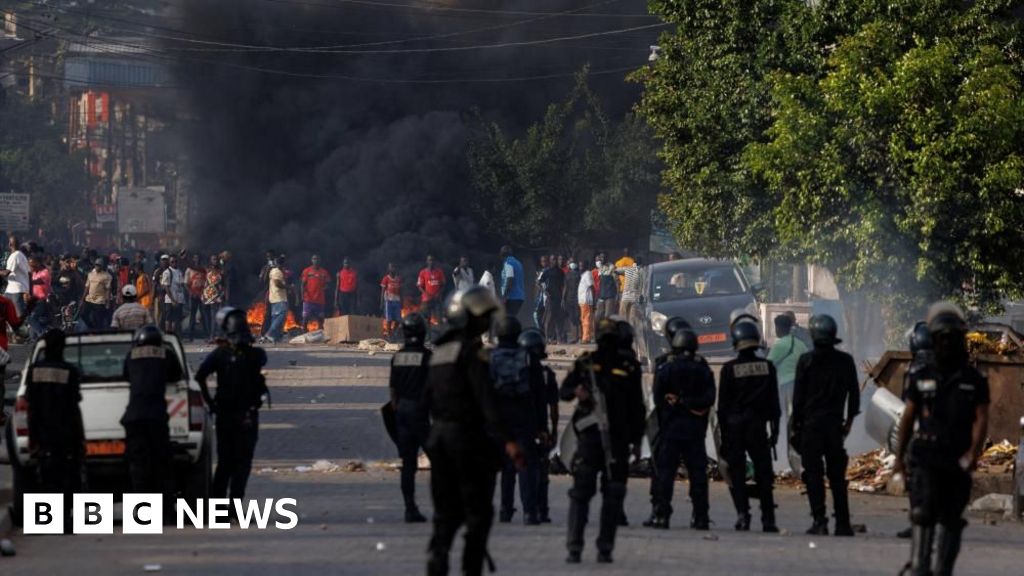
The recent presidential election in Cameroon has ignited a tense political crisis that resonates far beyond its borders. Despite the official results seemingly favoring the long-standing incumbent, President Paul Biya, protests erupting across cities like Garoua and Douala suggest deep dissatisfaction with the electoral process and allegations of widespread irregularities. Supporters of opposition candidate Issa Tchiroma Bakary assert their victory, claiming that data from multiple polling stations show they secured approximately 55% of the votes, a figure strongly contesting the official declaration. This moment in Cameroon’s political landscape is increasingly being viewed by international analysts as a potential catalyst for broader regional instability, especially considering the ongoing conflicts in neighboring nations.

Historically, Cameroon has been a symbol of stability in Central Africa—yet recent developments threaten this reputation. The country’s electoral system, criticized for lacking transparency and transparency, faces accusations of manipulation and ballot-stuffing, fueling the anger of opposition supporters who see their democratic rights undermined. The constitutional council, stacked with appointees loyal to President Biya, dismissed multiple petitions from the opposition, further intensifying the divide between the government and its citizens. Analysts from the International Crisis Group highlight that the
decision to dismiss claims of electoral irregularities
may only deepen the public’s distrust and escalate to civil unrest, unsettling a region already grappling with insurgencies and political upheaval.

The immediate geopolitical impact extends to the regional consciousness, as neighboring countries observe Cameroon’s crisis with concern. Countries sharing borders or economic ties are directly affected: any destabilization in Cameroon could threaten regional security, disrupt trade routes, and embolden insurgent groups like Boko Haram, which operate across borders in the Lake Chad Basin. According to international observers, especially within the United Nations, the crisis underscores the critical importance of credible electoral processes—not solely for Cameroon’s stability but as a bellwether for democratic resilience in Africa. The global community must weigh carefully whether to support an election that fails to meet democratic standards or risk further spiraling chaos—an all-too-familiar challenge as history demonstrates how electoral disputes can morph into protracted conflicts.

The character of Issa Tchiroma Bakary, a figure once aligned with the establishment and now a leading opposition contender, symbolizes the seismic shifts occurring within Cameroon’s political narrative. Once a government minister and spokesperson, his transition from loyalty to opposition mirrors a broader frustration among youth and disenfranchised groups who see no fair path forward under the current regime. His call for peaceful protests and his refusal to accept an alleged “stolen election” have reignited a spark of civic activism across the nation, compelling international voices to heed the underlying message: the people demand their voices to be genuinely heard. As prominent analysts warn of the risk of escalating violence—should injustices persist—the question looms: how will Cameroon’s leadership respond, and at what cost to regional stability?

As history continues to unfold, the story of Cameroon remains one of resilience intertwined with peril. The echoes of a nation at a crossroad—where the will of the people clashes with entrenched authority—serve as a stark reminder of the fragile thread upon which democracy balances within volatile contexts. The region, watching intently, recognizes that these pivotal moments could either forge a new era of transparent governance or plunge the country into deeper chaos—a consequence that would ripple across borders and generations. The weight of this unfolding chapter presses heavily on the shoulders of leaders, diplomats, and citizens alike, as the heavy hand of history patiently observes, waiting to reveal what the future will hold for Cameroon and, ultimately, the entire Central African region.

Social Media Auto Publish Powered By : XYZScripts.com