Matox News

Truth Over Trends, always!

NY Mayor and Police Step Back from ICE Raids as Chinatown Protests Grow — US Politics Update

Global Shifts and Domestic Battles: The Impact of U.S. Immigration Policies and International Alliances

In a dramatic turn that underscores the volatile crossroads of domestic policy and international geopolitics, recent events in New York City and beyond reveal a landscape on edge. The city’s mayor, Eric Adams, has publicly distanced the local government from the controversial ICE raids targeting Chinatown under the pretext of counterfeit goods. Adams’s declaration that New York City has ‘no involvement’ in the federal operation reaffirms the city’s stance of non-cooperation with federal immigration enforcement, emphasizing that undocumented residents pursuing their American dream should not be targeted. This echoes a broader pattern in which local jurisdictions, especially in a nation divided over immigration, are pushing back against federal overreach—yet, the ripple effects threaten to destabilize national unity at a time of intense geopolitical friction.

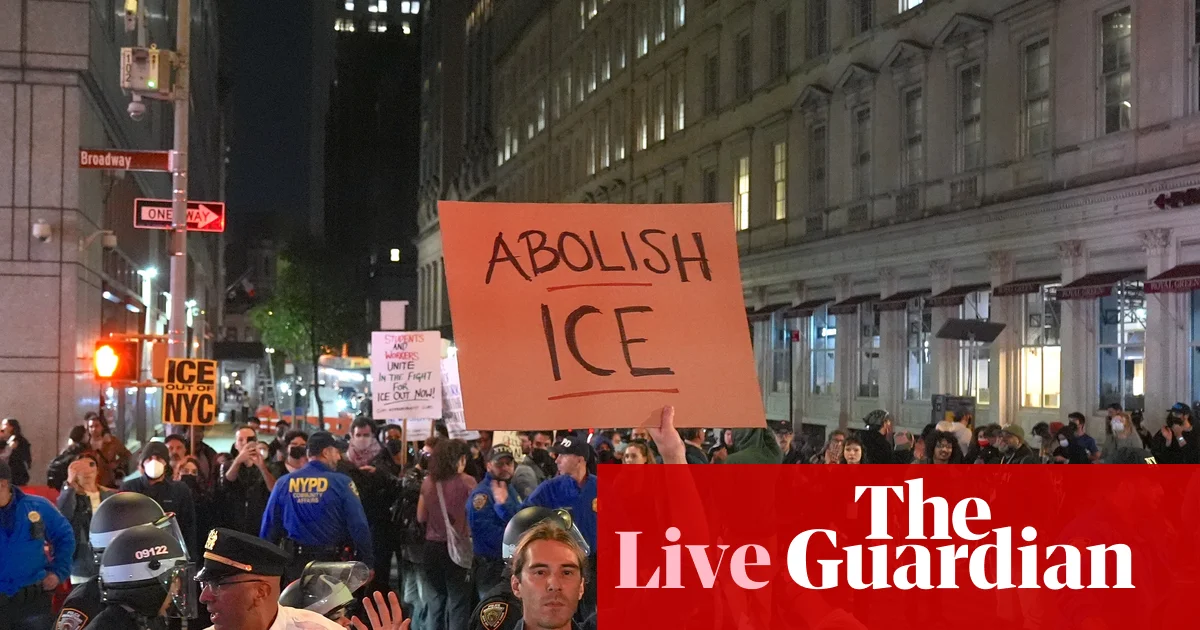
The scenes in Lower Manhattan were a stark reminder of the simmering conflict between federal authorities and local communities. Protests erupted as hundreds gathered, loudly condemning ICE’s tactics. Video footage captures masked agents detaining individuals in the crowded streets, with onlookers vocally denouncing the operation amid powered-up tensions. The spectacle of armed federal agents and armored vehicles rolling silently through city streets symbolizes a shifting landscape where domestic law enforcement actions are increasingly intertwined with international narratives of migration, sovereignty, and social order. Such incidents influence how societies perceive their governments’ use of power and their obligations to vulnerable populations.

Meanwhile, on the diplomatic front, world leaders gather in diplomatic limbo, with President Donald Trump conducting an array of high-stakes meetings, notably with NATO Secretary-General Mark Rutte. Discussions are centered on military aid and the ongoing conflict in Ukraine, with Western nations coordinating the transfer of weapons often purchased from the United States. These diplomatic maneuvers, viewed through the lens of experts like analysts from the Atlantic Council, demonstrate that global alliances remain in flux—tied closely to the strategic interests of powerful nations shaping the future of Europe and beyond. The promise and perils of such alliances are evident, as NATO’s support for Ukraine intensifies the confrontation with Russia, with broader implications for European security and energy politics.

Domestically, the political landscape remains volatile, with key figures like JD Vance avoiding explicit deadlines for Hamas compliance in Gaza, highlighting the fragile balance in Middle Eastern diplomacy. On the home front, former Marine and political hopeful Graham Platner vehemently denies accusations linking him to extremist symbolism, illustrating the ongoing battleground of ideological identity in American politics. Meanwhile, the withdrawal of figures like Paul Ingrassia from critical government nominations demonstrates the increasing difficulty of confirming officials amidst a polarized political climate. These events, analyzed by political strategists, reveal a nation caught in the tension of internal dissent and international obligations, where each decision has deep and lasting consequences.

As President Trump prepares for a pivotal day at the White House, the weight of history presses upon him. His scheduled meeting with NATO’s Rutte at a time of mounting global instability exemplifies how the boundaries of diplomacy and domestic policy are dissolving into a complex tapestry of power plays and ideological warfare. Whether through false claims about fires in Portland or negotiations with European allies, the decisions made today could chart the course of history—drawing lines in the sand that will define generations. As nations grapple with upheaval and societies face internal divisions, the unfolding story remains a potent reminder: in the theater of world affairs, every move reverberates, and the true impact of these decisions will be felt long after today’s headlines fade into history.”
Peru’s interim leader imposes emergency amid ongoing youth-led protests

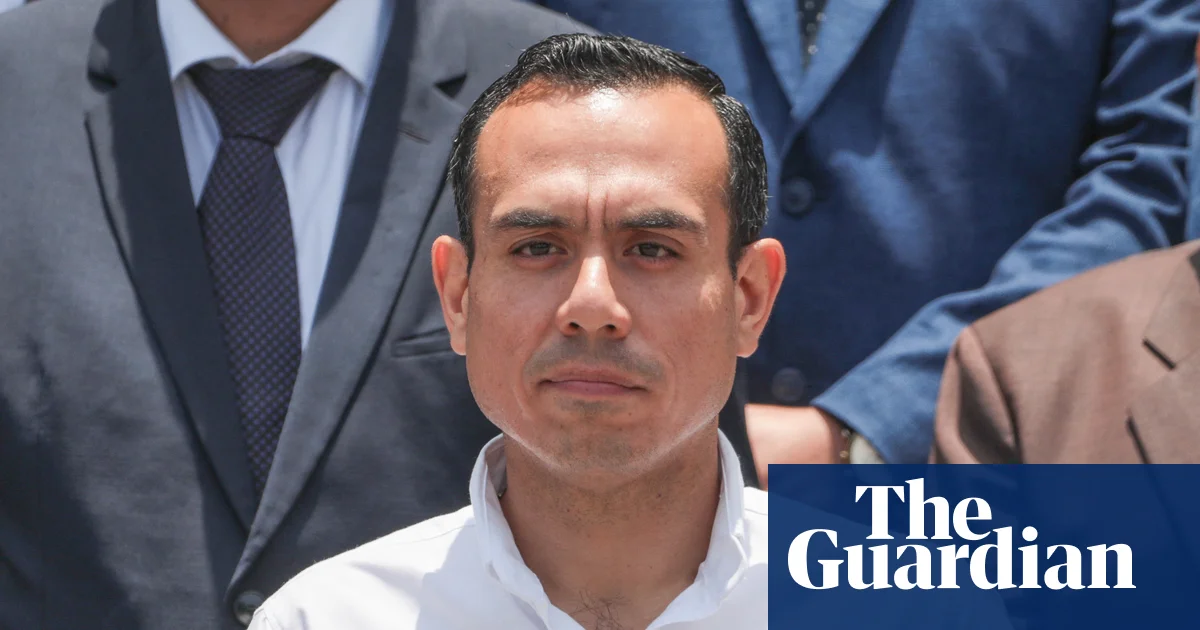
In a move that underscores the intensifying crisis gripping Peru, interim President Jose Jeri has declared a state of emergency in Lima and the neighboring port of Callao. Announced amid escalating anti-government protests driven by widespread discontent over corruption and organized crime, this decision marks a pivotal moment in the country’s turbulent political landscape. Beginning at midnight and lasting for 30 days, this measure grants authorities sweeping powers—including deploying the military, restricting civilian freedoms, and curbing assembly—highlighting the government’s urgent attempt to restore public order.

Since the impeachment and ousting of President Dina Boluarte earlier this month, the capital has transformed into a battleground for youth-led protests that have voiced frustrations over inadequate security and rampant crime. The demonstrators, inspired by a society fed up with corruption scandals and a surge in violence, have seen over 200 injuries—ranging from police officers and journalists to unarmed civilians—and tragically, at least one fatality. These unrests reflect deep societal fractures, which international security analysts warn threaten the stability of Peru. The country’s history of political volatility, with seven governments over the past decade, reveals a pattern of governance failures that have fueled this violent cycle.

The geopolitical impact of these developments ripples beyond Peru’s borders. Regional observers point to how internal crises can destabilize neighboring nations and challenge the influence of regional powers. The pervasive violence in sectors like transportation, with over 47 bus drivers murdered in what authorities suspect are extortion-related killings, signals a deterioration in law and order—an alarming trend that stirs fears of organized crime expanding its footprint across Latin America. Moreover, the international community, including organizations like the Organization of American States, cautions that prolonged instability could embolden anti-democratic forces and impede economic recovery efforts vital for Peru’s future.

Historians and analysts emphasize that the current emergency is a critical turning point in Peru’s political saga, with some warning that without meaningful reforms and accountability, the cycle of unrest may deepen. With interim President Jose Jeri serving until July 2026, the country faces a fragile period of transition where societal divisions risk widening. The decisions made in the coming weeks could determine whether Peru manages to restore its institutions or sinks further into chaos, paving the way for uncertain diplomatic or even destabilizing regional scenarios. As history continues to unfold, the world watches—intensely aware that the fate of Peru may serve as a defining chapter in Latin America’s ongoing struggle for stability and democracy.

No Kings protests begin nationwide as National Guard stands ready

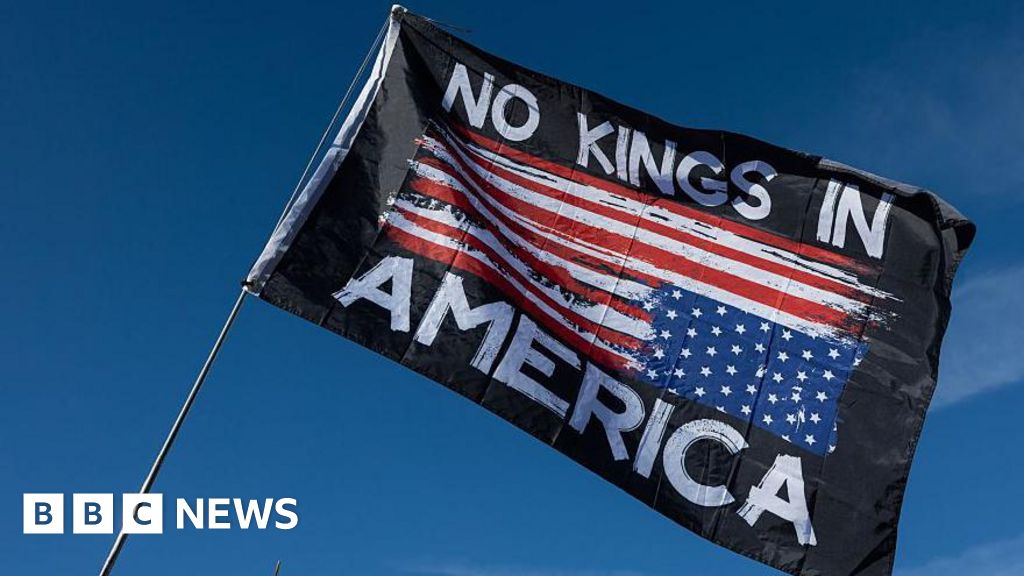
America witnesses a historic wave of mass protests, signaling a defining moment in its tumultuous political landscape. Organized under the banner of the “No Kings” movement, these demonstrations are set to mobilize over 2,500 locations across the country. With an estimated five million Americans having previously taken to the streets in June, the scale and fervor of these protests underscore a deep societal fracture—one that continues to resonate globally. The protests aim to challenge what organizers describe as President Donald Trump’s drift toward authoritarianism, asserting that “there are no kings in America,” and warning against escalating chaos, corruption, and cruelty.

International observers, including analysts from the United Nations and respected historians, recognize the significance of these events beyond the borders of the United States. European capitals like Berlin, Madrid, and Rome have seen solidarity rallies, reflecting how deeply discussions about democracy, sovereignty, and the limits of presidential power are echoing worldwide. The reaction from America’s internal political factions makes plain the stakes involved: while some Republican leaders call for the deployment of the National Guard in the name of security, Democrats condemn such measures as reminiscent of dictatorial regimes. This division speaks to a broader crisis of governance and legitimacy that has the potential to reshape America’s role on the global stage.

Within this historic context, President Trump’s own statements amplify the drama. In a pre-taped interview teased by Fox News, Trump dismissively remarked, “You know – they’re referring to me as a king. I’m not a king,”—a stark contradiction given the rhetoric of his opponents and the mobilization by reactionary voices within his camp. Meanwhile, Republican figures like Kansas Senator Roger Marshall and Texas Governor Greg Abbott frame the protests as threats linked to radical leftist factions like Antifa. Abbott’s decision to activate the National Guard has sparked fierce debate: critics argue it echoes authoritarian tactics, with Democrats, including Virginia’s Governor Glenn Youngkin, condemning the move as a suppression of peaceful dissent—a hallmark of despotic regimes. This confrontational stance raises pressing questions about the future trajectory of American civil liberties and governance.

As leaders, activists, and global observers watch with bated breath, the unfolding events in the United States could well mark a pivotal chapter in the course of national and international history. How nations respond to internal upheaval signals the state of their democratic health and resilience. The world remains attentive as this drama continues to unfold—a contest between authority and liberty that will ultimately define the legacy of a nation that once regarded itself as the beacon of freedom. Yet in the shadows of these turbulent protests, history quietly moves forward, its weight pressing down on the future, as the echoes of today’s confrontation threaten to shape the world’s future independence and sovereignty for generations to come.

Concerns Grow Over Equity Policies Could Trigger Massive Protests Over Use of Actors’ Images in AI Content

In an era marked by rapid technological advances, the film industry and trade unions worldwide find themselves at the forefront of a growing battle over AI-generated content and the infringement of intellectual property rights. The UK-based union Equity, representing 50,000 performers, has announced plans to coordinate mass data requests to tech giants and production companies, aiming to uncover whether personal data—especially images and voices of actors—are being used without their informed consent. This move signals a significant shift in how creators and performers are asserting their rights in the digital age, amid widespread concerns about unauthorized use of personal likenesses and the moral implications of AI’s increasing dominance.

Recent cases, such as that of Briony Monroe, a Scottish actress, have underscored the tangible risks faced by performers. Monroe claims that her image and mannerisms were scraped from her body of work and incorporated into a digital character named Tilly Norwood—a fully synthetic AI actor created by Xicoia. Despite denials from the company, Monroe’s accusations reflect an unsettling trend where AI firms utilize personal data to craft digital replicas, often without explicit permission. Historians and analysts warn that this development could undermine the very essence of human creativity, as the line between authentic performance and algorithm-driven mimicry becomes increasingly blurred. The industry’s failure to establish clear protocols or transparency about data sourcing raises grave concerns about moral compromise and the erosion of performers’ rights.

The geopolitical impact of this confrontation extends beyond the UK. Major international organizations, including the World Intellectual Property Organization and the European Data Protection Board, are monitoring these disputes, which threaten to redefine frameworks of copyright law and personal privacy. Critics argue that AI companies have trained their models on content obtained from existing films and television without proper permissions, thereby disrupting global copyright norms. The tensions resonate with broader debates about sovereignty and digital control, especially as nations like the United States and China accelerate their AI development efforts. Major tech firms are accused of reckless data scraping, potentially setting a dangerous precedent where intellectual property can be exploited on a massive scale, without immediate repercussions.

Amidst this upheaval, industry leaders and international lawmakers are under pressure to create enforceable regulations that balance innovation with moral responsibility. The Deputy Chief Executive of the Pact trade body, Max Rumney, emphasizes the importance for production companies to embrace AI responsibly to avoid disadvantaging those who adhere to fair practices. However, the lack of transparency from AI tech companies regarding their data sources remains a core issue. As Geneva-based experts warn, unless regulatory frameworks adapt swiftly, the industry risks devolving into an unchecked digital wild west where creators are exploited and society’s cultural fabric is irrevocably altered. The battle over AI’s place in creative realms is, at its core, a fight for humanity’s moral and legal sovereignty—one that will shape the future of global entertainment, societal values, and the very fabric of what it means to create.

In the unfolding narrative of this digital age, history is watching as the actors, creators, and nations stake their claim. Perhaps the most profound question remains: will the emerging AI-driven content forge a new era of innovation rooted in human expression, or will it become a tool of exploitation—an echo of a once-clear boundary, now blurred into obscurity? The answer lies at the intersection of law, morality, and technological mastery, where the weight of history is silently poised to record the choices we make today—choices that will echo through generations to come.

Mass Youth Show Support for Palestine Across Australia, Promise Continued Protests After Gaza Ceasefire

As tensions in the Middle East continue to ignite a global response, countries across the world are witnessing a surge in activism and diplomatic maneuvers that reveal the profound geopolitical impact of recent events. The recent ceasefire deal brokered by Donald Trump in Gaza initially brought a glimmer of hope for peace, but skepticism remains high among international analysts. The deal, which has temporarily alleviated some violence, remains unpopular among many Palestinians and defending voices who argue that real change requires more comprehensive negotiations and local consultation, not just US-led agreements. Many see this move as yet another example of how powerful nations, particularly the United States, influence conflicts to serve broader strategic interests, often at the expense of self-determination for the Palestinian people.

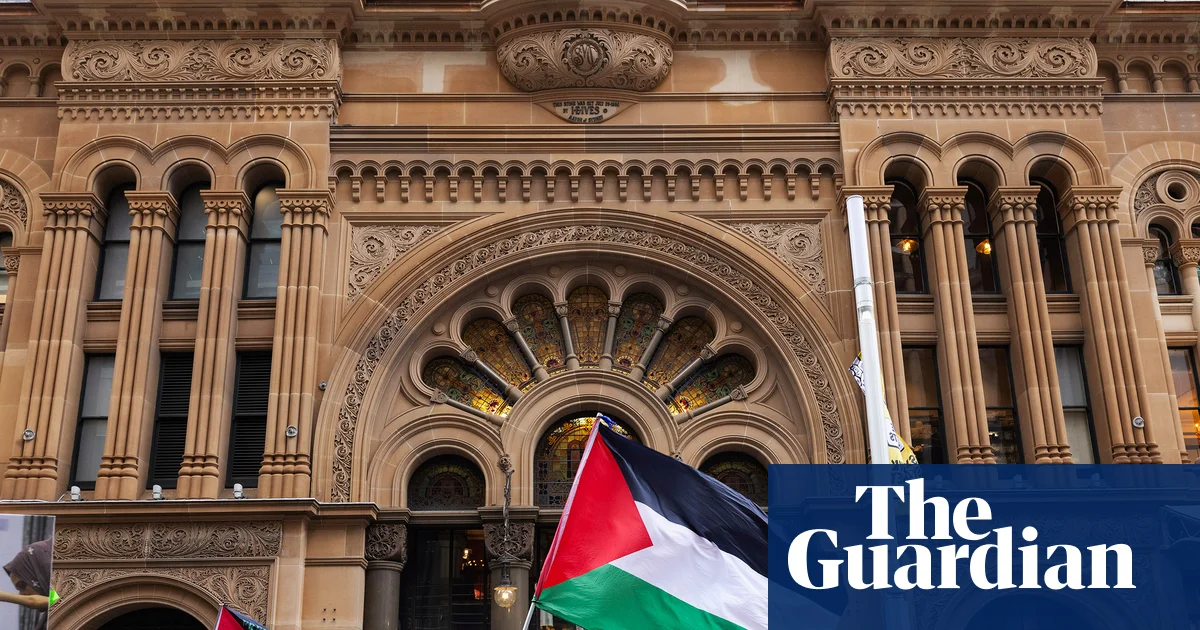
In Australia, waves of demonstrations underscore how global conflicts inexorably ripple into local political and social spheres. Tens of thousands have gathered in cities like Sydney, with organizers affirming an enduring commitment to supporting Palestine. Despite police estimates of 8,000 attendees in Sydney, reports indicate that the rallies are far larger, symbolizing widespread concern and a sense of shared responsibility among youth and activism groups. Notably, these protests aim to maintain pressure on Australian policymakers to implement more aggressive sanctions on Israel and cease trade in military equipment—a move supported by numerous analysts who see economic leverage as a vital tool for fostering real change. The significance of these protests lies not only in the numbers but in their defiance against a backdrop of international diplomacy often perceived as tepid or superficial, further exemplified by the recent Gaza ceasefire mediations.”

The protests also carried a personal and emotional weight, as many families like Shamikh Badra and Abubakir Rafiq highlighted the ongoing human tragedy—families torn apart and lives on hold while seeking justice and closure. These deeply personal stories serve as a stark reminder that decisions made on political and diplomatic levels have immediate, devastating effects on societal fabric and individual lives. International organizations, including Unrwa and Unicef, are preparing to deliver aid to Gaza, an effort seen as critical in a region where the aftermath of the recent conflict continues to threaten survival and stability.

Among the most striking features of this rising activism is the resilience of grassroots movements that challenge institutional constraints. In Sydney, protesters defied the NSW court of appeal and police opposition, demonstrating how civil disobedience remains a powerful tool for marginalized voices. Leaders like Jenny Leong of the NSW Greens have explicitly condemned the influence of Trump and his policies, warning against the dangerous precedent set when the future of Palestinians is dictated by foreign powers rather than their own communities. In history, such local acts of defiance have often foreshadowed larger geopolitical shifts, and observers warn that as conflicts persist, the struggle for self-determination and justice becomes increasingly intertwined with global power calculus.

As the world watches this unfolding narrative—a testament to the enduring complexity of geopolitics—a somber realization emerges: the decisions made in diplomatic chambers and on city streets will echo for generations to come. Each rally, each diplomatic summit, and each tragic story from Gaza and beyond weaves into the fabric of history, reminding us that in the age of globalized conflict and intervention, the fight for sovereignty, justice, and peace remains an ongoing saga where the weight of the past shapes the unpredictable contours of the future.

Nepal’s Youth Grow Frustrated as Change Stalls One Month After Gen Z Protests

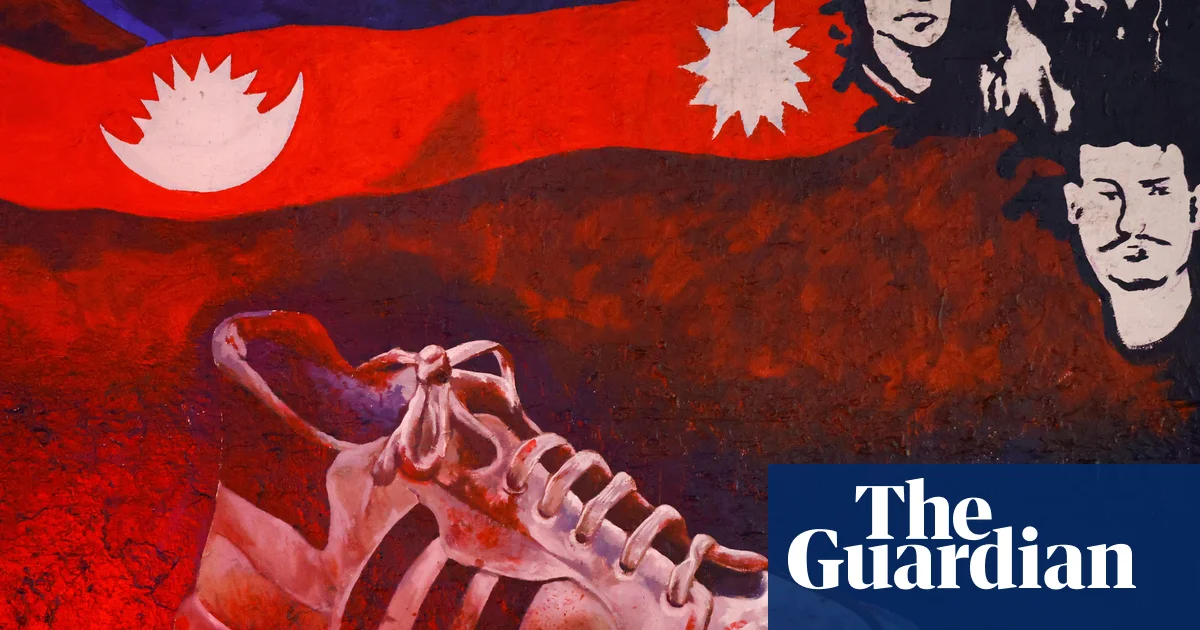
In what was once considered a quiet and traditional Himalayan nation, Nepal has undergone a seismic shift driven by a surge of youth activism and anti-corruption sentiments. An incident that began with a spontaneous protest against corruption, a social media ban, and government suppression has morphed into what many are now calling Nepal’s gen Z revolution. This upheaval has resulted in the unpredictable toppling of the government, dissolution of parliament, and the swift appointment of Sushila Karki, a former chief justice, as the interim prime minister. Analysts warn this rapid political shake-up carries profound geopolitical impact, not just internally but across the entire South Asian region, as old political order faces a challenge from the new, impatient generation demanding transparency.

The incident that sparked widespread unrest was marked by a tragic day on 8 September, when police opened fire on protesters outside parliament, killing 19 young demonstrators—an event that has become a defining moment in Nepal’s modern history. Among the injured was Prakash Bohora, a symbol of Nepal’s youth driven by disillusionment with corruption, unemployment, and exploitation. His story encapsulates the broader discontent; he fought in Russia’s army in Ukraine, saw his friends killed or maimed, and returned home to find a political system increasingly detached from the needs of its citizens. Many young Nepalis, like Bohora, joined the protests not for regime change but because of frustration with a system that seems to favor elite corruption while everyday citizens suffer. Historians and analysts argue that this civic awakening signifies a potential turning point in South Asian politics—an era where youthful protest could reshape the geopolitical landscape.

Despite the youthful energy fueling the protests, Sushila Karki’s appointment as a temporary leader has faced skepticism, particularly from Nepal’s major political parties—the Nepali Congress, the Communists, and the Maoists. These parties have openly questioned her legitimacy, accusing the new government of bypassing constitutional norms. The government’s focus has shifted heavily toward investigating allegations of corruption, especially regarding the toppled figures of former Prime Minister KP Sharma Oli and ex-House Minister Ramesh Lekhak. Pressure from youth groups demands that the government deliver tangible progress, including arrests of high-profile politicians accused of enriching themselves at public expense. From an international perspective, this internal turmoil underscores the growing fragility of Nepal’s democracy—where success hinges on the delicate balance of reform and political stability.

Regional and international stakeholders are watching keenly. India and China, as neighboring giants with vested interests, fear that Nepal’s instability could spill over, impacting trade routes, bordering security, and regional influence. Meanwhile, the United Nations and other international organizations have called for calm and dialogue, warning that any escalation of violence would threaten Nepal’s fragile new government and regional stability. As the political crisis deepens, analysts emphasize that Nepal’s crisis is but a chapter in a larger story—one where generations are demanding their voice, and the old guard must decide whether to adapt or face being swept away by an age of youthful activism. History’s pen lingers over this moment like a shadow, reminding the world that the long arc of justice sometimes bends fierce and swift, leaving behind a nation forever changed—an uncharted chapter in the unfolding saga of South Asia’s future.

Protests Reject President Rajoelina’s Deal, Police Respond with Rubber Bullets

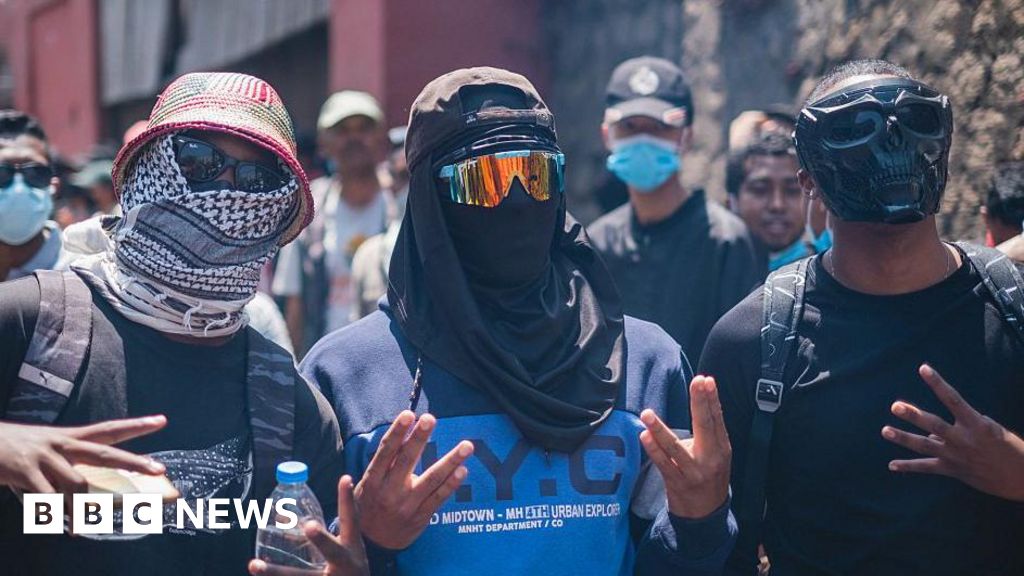
In a striking display of unrest shaping the Indian Ocean region, Madagascar faces a pivotal crisis as youth-led protests continue to challenge the authority of President Andry Rajoelina. Over the past two weeks, the island nation’s streets have become a battleground where thousands of young Malagasy citizens, under the banner of Gen Z Mada, have demanded fundamental change. Their relentless push for respect for human rights and an end to chronic corruption and mismanagement underscores a broader pattern of youth activism proliferating across Africa, reflecting frustrations that threaten to destabilize one of the world’s most geopolitically strategic regions.

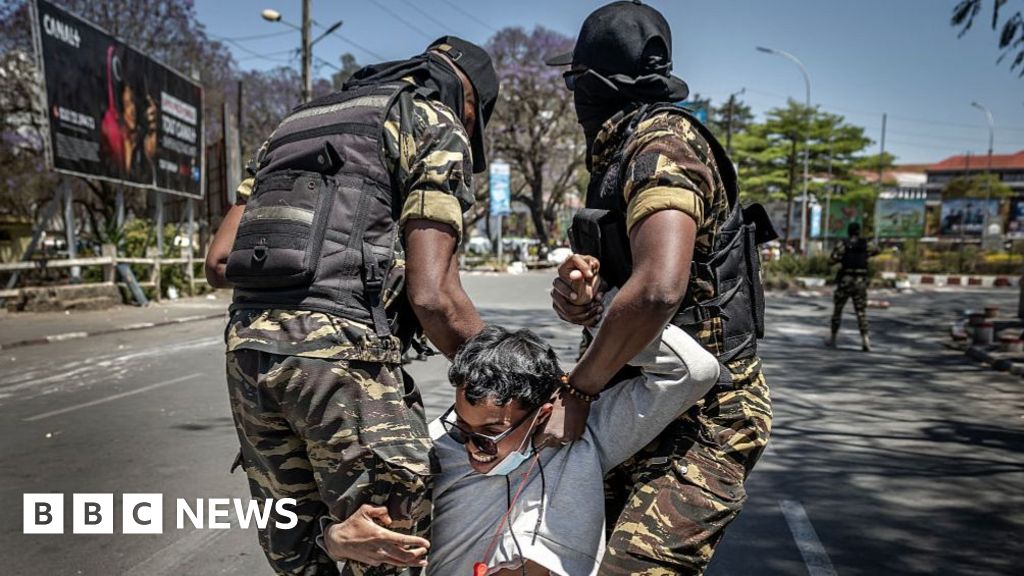
The escalation of violence and repression highlights how internal discontent can ripple outward and jeopardize regional stability. Security forces, using rubber bullets and tear gas, have violently dispersed protesters in Antananarivo, with reports of numerous arrests and casualties, including at least 22 fatalities, according to international observers. This brutal crackdown, amid a backdrop of persistent power outages and economic hardship—fueled by high unemployment and soaring living costs—has revealed a government increasingly disconnected from its people’s aspirations. As analysts warn, such suppression often fuels further unrest, risking broader upheaval that could destabilize Madagascar’s fragile political landscape and draw in regional powers and international actors seeking stability and influence in the Indian Ocean.

Within this volatile context, Rajoelina’s attempts at dialogue—characterized by town halls, promises of power reform, and a vague pledge to resign if outages aren’t resolved—have failed to quell the movement. Notably, his decision to dismiss his entire government and appoint an army general as prime minister last week has only intensified opposition. The youth demographic, which commands significant influence and symbolizes a wider disenfranchisement, remains resolute. Their declaration that “the Malagasy people do not submit” signals a potential turning point in national politics, reminiscent of previous waves of youth-driven activism on the continent that have challenged entrenched regimes.

International organizations and regional analysts observe that the ongoing turmoil in Madagascar encapsulates a broader struggle—governance deficit meets the urgent demand for reform. As African Union member states grapple with similar upheavals, Madagascar’s crisis accentuates the importance of addressing youth grievances before they expand into uncontrollable conflicts. The growing gap between government actions and public expectations poses serious questions about the future trajectory of democracy and stability in the region, especially as foreign actors watch keenly for opportunities to extend influence or promote stability at any cost.

Now, as the Malagasy youth continue their fight amid a tense standoff, the question remains whether the country’s leadership will heed the warning signs. The unfolding scenario underscores the weight of history—how a nation’s choice to suppress or listen to its young can determine its future. With each passing day, Madagascar’s story reshapes the geopolitical chessboard in the Indian Ocean, leaving the world to ponder whether this is just a chapter in larger regional upheaval or the beginning of a new era where youth voice becomes an unstoppable force.

Youth protests turn violent as shoe hurled at India's chief justice over religious row
Youth protests turn violent as shoe hurled at India’s chief justice over religious row

India’s Judicial Integrity shaken: Shoe hurled at Chief Justice amid religious controversy

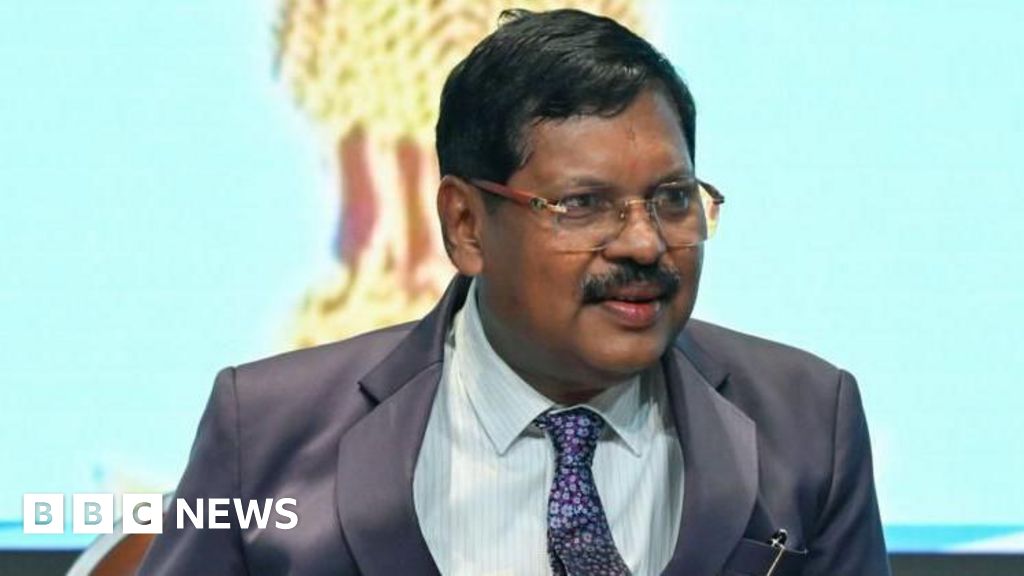
The recent incident in India where an attorney launched a shoe at Chief Justice BR Gavai during a courtroom session has ignited a firestorm across the nation, exposing the profound tensions simmering beneath its democratic veneer. The act, widely condemned by leadership across the political spectrum, underscores a volatile intersection of religious sensitivities and the fragile fabric of Indian society. As Prime Minister Narendra Modi denounced the attack as “utterly condemnable,” analysts warn that the upheaval signals deeper fissures within the country’s delicate balance between tradition, law, and nationalism.

The confrontation appears rooted in escalating religious tensions, particularly surrounding comments made by the Chief Justice about a recent court petition involving Hindu beliefs. When Chief Justice Gavai dismissed a plea to reconstruct a revered idol of Lord Vishnu, his remark—”This is purely publicity interest litigation… Go and ask the deity himself to do something”—sparked accusations of mockery directed at Hinduism, one of India’s most influential religions. Although Gavai later articulated respect for all faiths, the controversy reflects the ongoing challenge of navigating religious sensitivities within an increasingly polarized nation. Historians and social commentators caution that such disputes, if unmitigated, could further entrench societal divisions and undermine the rule of law.

The attacker, Rakesh Kishore, was immediately detained and later suspended from his legal practice, yet the broader implications extend beyond individual culpability. The incident epitomizes a cultural clash—where traditional expressions of protest, like a shoe-throwing gesture, are symbolic acts of humiliation and disrespect. In recent history, similar acts have punctuated global moments of political unrest: in 2008, an Iraqi journalist hurled his shoe at then-U.S. President George W. Bush, and earlier this year, a shoe was thrown at Kenyan President William Ruto. These acts, though shocking, reveal how deeply frustrations with leadership and societal injustices have reached a boiling point. For India, the gesture may symbolize a dangerous shift where respect for institutions is eroding, replaced by raw protests that threaten stability.

Expressing concern over the ramifications, international organizations and foreign analysts emphasize that such confrontations threaten the very tenets of democratic discourse. The United Nations and regional watchdogs have historically warned that respect for judiciary independence and religious harmony are pillars of national stability. Failure to address these sources of tension, analysts argue, could lead India down a path marked by increasing societal polarization and diplomatic isolation. Prime Minister Modi’s intervention emphasizes the importance of societal cohesion, yet critics argue that without addressing underlying causes—religious intolerance, political polarization, and miscommunications—the cycle of conflict will only intensify.

The incident leaves the world at a pivotal juncture, with India’s future precariously balanced. As history witnesses moments when societal fractures threaten to escalate into conflicts, the weight of the unfolding crisis in India reminds us that the boundaries between respect, dissent, and chaos are ever fragile. The remarkable resilience of India’s democracy will now be tested—whether it can heal its scars or succumb to new forms of unrest remains an open question, emerging from a chapter where tradition and modernity clash in the shadow of history yet to be written.

Gen Z protests push president to clean house—new leadership on the horizon

Madagascar Faces Unrest Amid Economic and Political Turmoil

In an unfolding chapter of geopolitical instability, Madagascar is witnessing its most significant wave of protests in over 15 years, signaling a deepening crisis that could reshape the island nation’s future. This eruption of public dissent was largely sparked by endemic issues such as chronic shortages of basic utilities—power and water—coupled with widespread corruption and deteriorating living conditions. Many Malagasy citizens, particularly young people, are now demanding political accountability, with protests escalating rapidly across multiple cities and threatening the stability of President Andry Rajoelina’s government.

For years, Madagascar’s political landscape has been marred by instability and contentious elections. Rajoelina, who first seized power in 2009 during mass protests that ousted then-President Ravalomanana, was re-elected in 2018 amid accusations of electoral irregularities. His latest reelection in 2023, boycotted by opposition groups, only further intensified political divisions. Now, after the recent crackdown on opposition figures and the dismissal of his government, the nation’s fragile political fabric is under severe strain. Analysts and international observers, including the United Nations, warn that reliance on force to quell dissent could deepen the crisis, risking fragmentation and civil unrest. As historian Jean-Michel Roux notes, Madagascar’s history is punctuated by repeated uprisings, showing a pattern where governance struggles often spiral into broader chaos.

Factors Fueling the Uprising

The immediate trigger of the current unrest was the detention of two prominent political figures in Antananarivo, which civil society activists and youth leaders, especially the grassroots-based Gen Z Mada, blame on the government’s attempts to suppress legitimate grievances. The protests initially centered around persistent service outages—hours-long electricity blackouts and water shortages—that have become symbols of government neglect. Many protesters see these failures as symptomatic of entrenched corruption within state utilities like Jirama, which analysts say have been siphoned off for personal gain by political elites. The widespread frustration over deteriorating living standards—among the 75% of the population living below the poverty line—has turned into a call for fundamental political change. This movement, fueled by social media campaigns and united by a common desire for justice and accountability, has expanded beyond the capital, signaling that the unrest is not just about utilities but a broader rejection of President Rajoelina’s policies.

The unrest’s escalation has prompted heavy security responses. Armed forces have been deployed in urban centers, with reports of violent crackdowns, including tear gas, water cannons, and curfews. The government’s framing of these protests as threats to public order has led to accusations of suppression and human rights violations. Opponents, including opposition leaders and civil society organizations, warn that such tactics risk pushing Madagascar towards political instability or outright civil conflict. Meanwhile, international organizations, including the World Bank, have signaled willingness to fund development projects aimed at restoring basic services, but these measures are seen as insufficient amid escalating unrest.

How international and societal reactions shape Madagascar’s future

The international community watches closely as Madagascar’s crisis unfolds. Political analyst Dr. Claire Martin suggests that Madagascar’s trajectory hinges on whether the government pursues dialogue or opts for repression. The opposition, civil society, and even some former leaders advocate for inclusive talks to prevent the descent into chaos. However, recent actions such as dismissing UN casualty figures and imposing curfews suggest a government wary of outside interference and resistant to accountability. The possibility of military neutrality remains a critical flashpoint; as history has shown, Madagascar’s military has occasionally intervened in politics, and its stance could determine whether the island descends into prolonged unrest or begins a difficult path toward reconciliation.

As the world observes, the question remains whether Madagascar will embrace democratic reform or plunge into deeper turmoil. With each demonstration, each act of repression, and each political decision, the island’s future is being forged—one way or another. The weight of history presses heavily upon this young nation, as its people continue to march for justice and dignity, rewriting the story of a nation caught between the failures of the past and the hopes of a new dawn.

Social Media Auto Publish Powered By : XYZScripts.com