
Matox News

Truth Over Trends, always!

Cornwall revives St Piran’s Day—more than just pasties and beaches, a proud cultural comeback

The recent celebrations of St Piran’s Day in Cornwall symbolize more than just a regional festival; they highlight a significant revival of cultural and linguistic identity that is resonating across the international stage. Once considered a modest local tradition, the event has grown into a global symbol of burgeoning regional pride, driven by a renewed recognition of Cornwall’s unique heritage. This cultural renaissance is not happening in isolation but is intertwined with political and economic developments that could reshape the geopolitical landscape of the United Kingdom. As regional voices grow louder, questions about devolution and cultural sovereignty are becoming central to Britain’s ongoing constitutional debates.

Analysts note that the recognition of the Cornish language, Kernewek, alongside increased political engagement, marks a turning point in regional autonomy efforts. With the UK government exploring a bespoke devolution deal for Cornwall, granting control over transport, housing, and economic strategies, the nation appears to be entering a phase of constitutional recalibration. This push for greater self-governance echoes other regional movements across Europe and raises questions about the future shape of the United Kingdom’s internal unity. According to the Institute of Cornish Studies, the modern resurrection of Cornwall’s culture can be traced to the late 1990s, a period marked by economic struggles and efforts to leverage cultural identity for funding, notably from the EU. This historical context underscores the strategic importance of cultural programs and regional identity in gaining political leverage within the broader UK framework, a topic that international organizations and historians monitor closely.

In addition to cultural and political momentum, Cornwall’s economic transformation places it at the heart of the UK’s energy strategy. From wind to tidal and thermal energy, Cornwall is positioned as a critical player in the nation’s pursuit of renewable resources, with its rich deposits of tin, tungsten, and lithium. This economic significance amplifies Cornwall’s geopolitical importance, making it a vital piece in the UK’s industrial future—an area that John Hemmings of the Heritage Foundation describes as “consequential for Britain’s international competitiveness.” The global community reflects this as well, with international celebrations of Cornish heritage stretching across Toronto, Hong Kong, and Australia, symbolizing Cornwall’s cultural reach beyond the UK. Such global ties reinforce the narrative that regional identity movements in Britain are intertwined with economic and geopolitical ambitions, further complicating Britain’s internal cohesion.

As Cornwall’s cultural and political resurgence continues, voices like the local MP Perran Moon emphasize that Cornwall’s identity is now a part of a wider international dialogue—not merely regional pride, but a symbol of a nation’s evolving relationship with its own minorities and historic nations. The advent of a more autonomous Cornwall represents a broader trend in Europe, where regional nations such as Scotland, Wales, and parts of Spain and Italy increasingly assert their identities in the face of centralized state power. The stakes are high: the decisions made today about Cornwall’s future will resonate with similar movements elsewhere, prompting a fundamental redefinition of sovereignty and nationhood within the geopolitical fabric. As history rushes onward, the story of Cornwall, rooted in ancient legends and Celtic traditions, is now scripting a new chapter—one where local pride may challenge the very structure of the modern nation-state, leaving historians and policymakers alike to ponder what the future holds for Britain and its Celtic nations amidst this stirring tide of cultural revival.
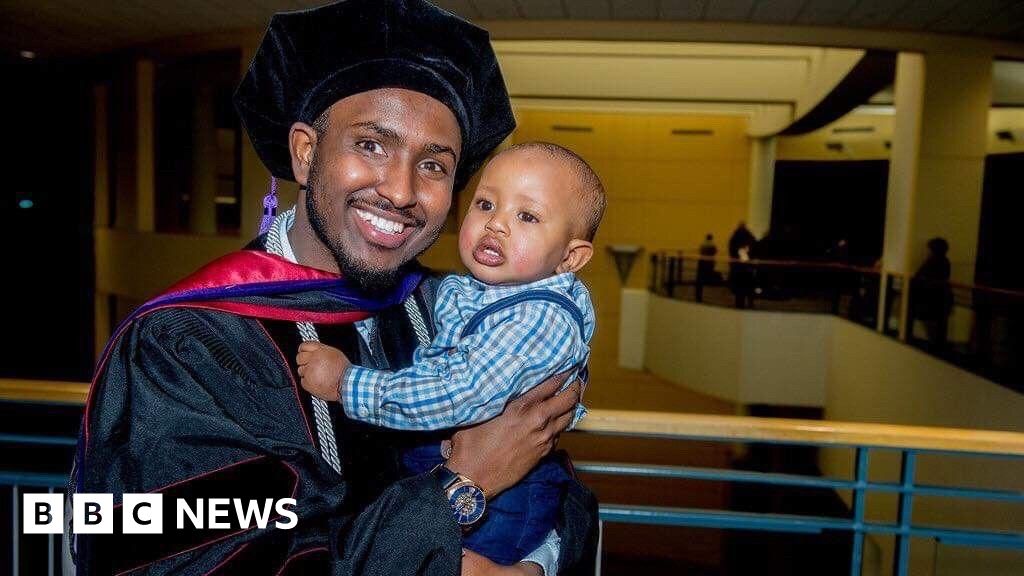
Somali-Americans Slam Trump's ‘Garbage’ Comments—Stand Strong and Proud
Somali-Americans Slam Trump’s ‘Garbage’ Comments—Stand Strong and Proud

Geopolitical Shifts Unfold as U.S. Policy Sparks Global Tensions

In an era marked by intense geopolitical realignments, the United States under President Donald Trump has once again sent shockwaves through immigrant communities and international relations alike. Trump’s biting rhetoric targeting the Somali-American community in Minnesota has ignited fears that ripple beyond the local level, illustrating how domestic rhetoric can influence America’s standing on the world stage. His recent comments at the White House, where he declared, “I don’t want them in our country, I’ll be honest with you… their country is no good for a reason,” have been condemned locally and internationally, with community leaders describing his words as dangerous and stigmatizing. Such language not only jeopardizes the safety and integration of immigrant communities but also undermines the moral authority of the U.S. as a leader advocating for human rights and inclusion.

Furthermore, the escalating rhetoric has intensified fears among Somali-Americans, particularly in Minnesota, where the community constitutes a significant demographic. Aj Awer, a community leader, criticized the comments as “not becoming of a president” and warned of the potential for increased radicalization or violence. Analysts from institutions like the International Crisis Group warn that such rhetoric may embolden extremist groups and foster division among societies, ultimately weakening the social fabric of a nation built on diversity. Meanwhile, reports of aggressive immigration enforcement tactics, including federal operations targeting undocumented residents, have added to the climate of anxiety. Observers argue this stance risks alienating immigrant communities and fueling social fragmentation, thereby complicating America’s efforts to project stability and leadership in a turbulent world.

The internal domestic fallout mirrors a troubling trend of recurring accusations of fraud and corruption that the Trump administration has leveraged to justify these hardline policies. In Minnesota, allegations of charity fraud involving Somali immigrants and claims of broad-based “money laundering” have been politicized, leading to an investigation by congressional oversight. Such actions mirror a broader pattern where national security concerns are intertwined with political narratives, complicating efforts to differentiate between real threats and inadvertent stigmatization. Historians like Dr. Kevin B. MacDonald suggest that such policies, if unchecked, could accelerate societal polarization and heighten tensions within immigrant enclaves. Meanwhile, the ending of Temporary Protected Status (TPS) for Somali residents signals a shift toward stricter immigration enforcement, raising questions about the long-term geopolitical impact of these inward-looking policies.

As the world watches, this unfolding chapter underscores the fragility of global stability. The aggressive stance taken by the U.S. not only alienates minority communities but also signals a retreat from its traditional leadership role. International organizations like the United Nations have expressed concern, warning that such divisive policies could destabilize regions already grappling with crisis. The deepening shadows cast by rhetoric, enforcement tactics, and political manipulation threaten to transform domestic discord into an international crisis, rewriting the narrative of American exceptionalism. With history hanging in the balance, the true consequence of these choices remains yet to be written—an enduring testament to the power of words and policies in shaping the course of nations for generations to come.

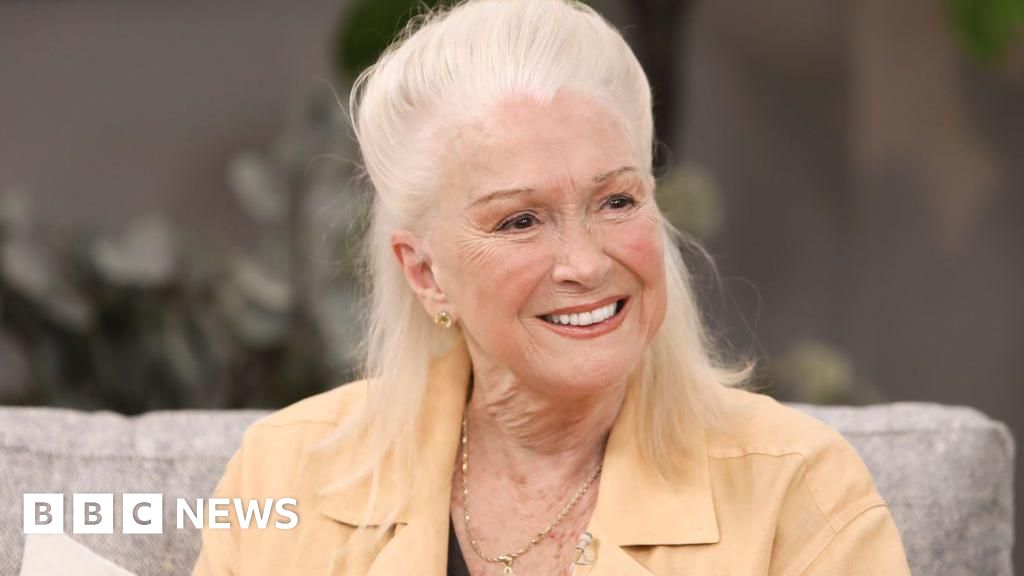
Oscar-nominated actress Dianne Ladd, proud mother of Laura Dern, passes away at 89

Global Geopolitical Impact: A Reflection on the Passing of Diane Ladd

The recent passing of Diane Ladd, a treasured icon of Hollywood and a symbol of artistic resilience, marks not only the end of an illustrious career but also prompts reflection on cultural influence and societal values worldwide. As a three-time Academy Award nominee renowned for her roles on stage and screen, Ladd’s legacy underscores the profound role of arts and entertainment in shaping national identity and international perceptions. Her career trajectory, spanning decades, exemplifies how individual talents contribute to a country’s soft power, influencing global culture and the perception of societal values.

In the realm of international diplomacy and cultural exchange, figures like Ladd serve as cultural ambassadors, fostering mutual understanding through shared narratives and artistic expression. Her collaborations and appearances in films that often explored complex human stories resonated beyond borders, reinforcing the global language of cinema. These narratives, embraced worldwide, shape international discourse on empathy, social justice, and human rights. Analysts from institutions like the United Nations Educational, Scientific and Cultural Organization (UNESCO) have long emphasized the importance of arts in diplomatic relations, with figures like Ladd embodying this vital link. As historians highlight, cultural diplomacy remains one of the most enduring strategies for peaceful engagement among nations, making her life’s work a subtle but impactful form of international influence.

Meanwhile, the personal tragedies faced by Ladd—such as the loss of her infant daughter—echo across societal lines, reminding societies worldwide of the universality of grief and resilience. Her daughter, Laura Dern, publicly shared that her final moments were spent surrounded by family, underscoring the human dimensions behind public figures and how personal stories often intertwine with national narratives. Such personal histories serve as poignant warnings, emphasizing that even in the brightest lights of fame, personal struggles persist, and societal attention to mental health and family well-being remains critical. >The loss of her granddaughter and her own reflections during interviews serve as somber reminders of life’s fragility and the enduring human capacity to overcome adversity.

Looking forward, the legacy of cultural icons like Diane Ladd will continue to influence how societies perceive history and progress. As international analysts and cultural scholars debate the evolution of media and its role in shaping future generations, her artistry exemplifies the enduring power of storytelling to forge a collective identity. The importance of nurturing cultural talents is a message that echoes across global institutions, emphasizing that today’s arts and entertainment sector is integral to shaping a worldview rooted in resilience and hope. Yet, as history unfolds, the world remains a stage where triumph and tragedy intermingle, leaving an indelible mark on the fabric of global society. In this ongoing narrative, the lessons of the past serve as the foundation for a future still being written, with the weight of history urging nations and peoples alike to remember that their stories, like hers, are part of a wider, unfolding mosaic of human experience.

Social Media Auto Publish Powered By : XYZScripts.com



