Matox News

Truth Over Trends, always!

Bulgaria pulls back on budget plan after massive youth protests

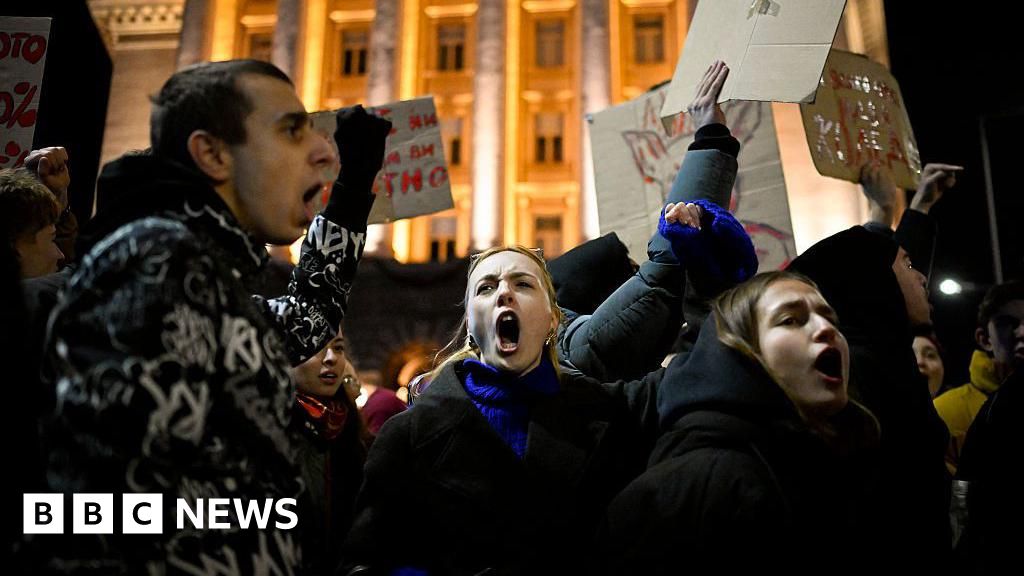
In a remarkable display of civilian unrest, Bulgaria is currently experiencing one of the most significant upheavals in its recent political history. Massive protests swept through Sofia and other major cities, ignited by widespread dissatisfaction with the nation’s proposed 2026 budget. Public outrage centers around allegations of entrenched government corruption and economic mismanagement, which have, over time, eroded trust in the political elite. The protests, which included thousands of young citizens and civil advocates, marked the largest mobilization since Bulgaria’s post-communist transition, signaling a turbulent crossroads for a country that, despite recent economic reforms, remains vulnerable to internal dissent.

What stands out in this unfolding chaos is how the Bulgarian government has responded—first attempting to push through a contentious budget plan that many saw as a means to bolster corrupt practices and increase taxes. The draft budget, which was to be Bulgaria’s first delivered in euros following its recent accession to the Eurozone, was met with fierce opposition. Critics argued that the plan aimed to conceal crimes of the ruling coalition and threatened the fragile social fabric of a nation plagued by inflation fears and economic disparities. In an ultimate concession to mounting pressure, Bulgaria’s government announced it would abandon the plan, a move seen by many analysts as a victory for the protesters but a symptom of deeper systemic issues. Yet, the underlying challenge remains: how does a nation reconcile its desire for economic stability with the deep-seated corruption that continues to undermine rule of law?

Historical analysts and international organizations have warned that Bulgaria’s political landscape is extremely volatile. The country, often characterized as the EU’s “poor cousin,” has experienced a succession of short-lived governments since 2020, each promising reform, yet delivering little tangible change amid allegations of mafia influence and unchecked corruption. The European Commission and various watchdog groups have called for stronger oversight and judicial independence, emphasizing that the nation’s stability hinges on its ability to defend democratic institutions. As protests spilled into violence—masked demonstrators attacking party offices, setting bins ablaze, and clashing with riot police—the Bulgarian President, Rumen Radev, condemned the violence but also accused “provocation by the mafia,” framing the uprising as a fight against entrenched illicit power structures. His call for resignation and early elections echoes across the political divide but underscores the urgent need for systemic reforms that go beyond mere façade.

As the nation stands at this pivotal juncture, the worldwide community watches with bated breath. The decisions made in the coming weeks will dramatically influence Bulgaria’s political trajectory and its role within the European Union. The chaos underscores how longstanding corruption and economic disparities can ignite a populace’s collective rage, threatening the fragile consensus that sustains democratic governance. With the government promising a new budget process, the weight of history presses heavily on Bulgaria’s shoulders. Will it succumb to internal chaos, or will it forge a path toward genuine reform? What remains undeniable is that the outcome will shape the future of Bulgaria’s society and its journey toward integration within enduring European institutions. Like a storm gathering on the horizon, the unfolding story is a stark reminder that history’s pen still writes—sometimes in chaos, sometimes in hope, but always, inexorably, in action.
Papua New Guinea disappointed as Australia pulls out of bid to host Cop31

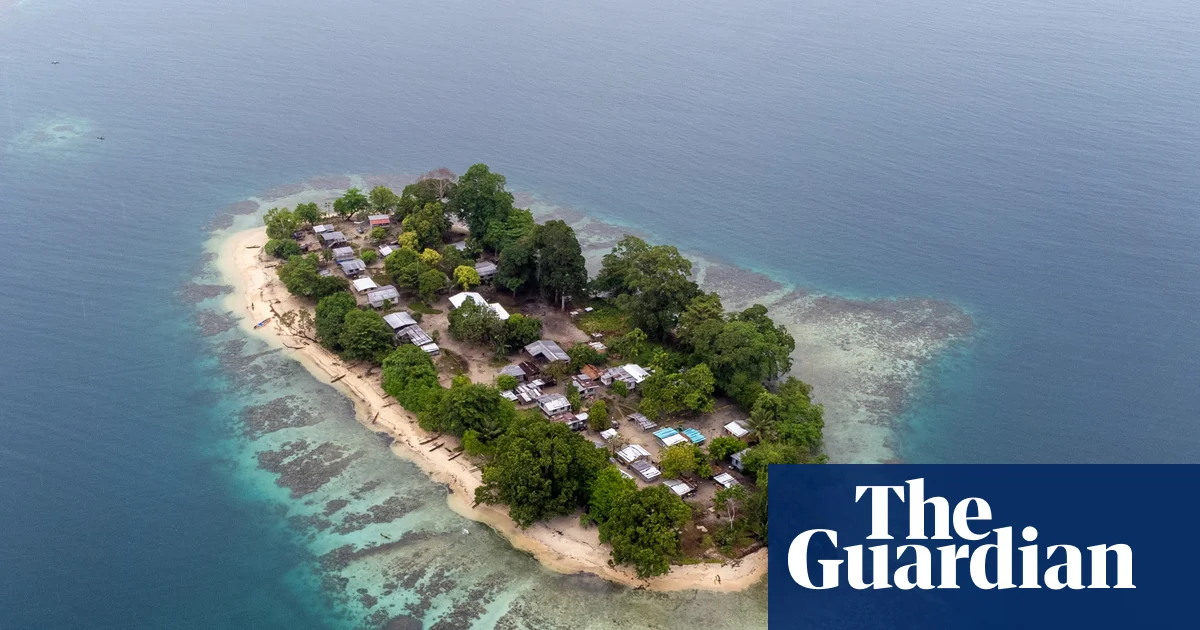
In a development that underscores the geopolitical ripples of climate diplomacy, Australia has officially pulled out of its bid to co-host the upcoming United Nations Climate Conference (COP31), ceding the opportunity to Turkey. This decision marks a significant departure from Australia’s previous plans to position itself as a regional leader in climate action, especially in collaboration with Pacific island nations already on the frontlines of climate change. Such a move sends a *powerful message* about the current priorities of key global players: economic interests and national sovereignty still reign supreme in the face of mounting environmental crises.

Historically, the Pacific islands have been among the most vocal critics of international climate policies, arguing that COP summits frequently marginalize their voices while prioritizing the interests of major polluters. Leaders from nations like Tuvalu and Kiribati have long emphasized the existential threat that rising sea levels pose to their very existence. These nations hoped that co-hosting the summit, in partnership with Australia, would catalyze meaningful commitments and practical solutions. Instead, Australia’s retreat — driven by diplomatic friction with Turkey over hosting rights — exemplifies how geopolitical tensions can overshadow urgent climate needs. Critics, including prominent international analysts such as Dr. William Brown of the Global Climate Institute, warn that the decision reflects a broader reluctance among major Western nations to confront their larger carbon footprints and assume leadership.

Unity within the international community appears fragile as climate diplomacy becomes increasingly intertwined with geopolitics. As Australia steps back, the current plans have a *new compromise*: Turkey will host the summit, while Australia assumes a significant role in steering negotiations. This arrangement, brokered at recent talks in Brazil, highlights the shifting alliances and compromises that typify today’s climate diplomacy. Yet, the Pacific nations remain skeptical about the effectiveness of this compromise, with many questioning whether the international community is truly committed to addressing their plight or merely engaging in empty diplomatic gestures. These tensions reflect a *wider reckoning* about the effectiveness of COP summits; critics argue that the gatherings are more talk than action, often failing to deliver the tangible changes necessary for vulnerable populations.

Meanwhile, the geopolitical narrative is layered with economic and strategic considerations. Australia’s long-standing profits from fossil fuels, paired with political reluctance to face the climate implications of its resource exports, reveal a *conflict of interests* that complicates the pursuit of genuine climate justice. For small island nations, this reluctance is felt acutely; as one leader from Tuvalu remarked, the decision was evidence of “Australia’s non-commitment to climate justice.” Such disparities threaten to deepen divisions on the global stage, risking a future where the most vulnerable are left to fend for themselves amid the relentless advance of climate change. As history unfolds, the question remains whether the international community will prioritize real action or perpetuate the cycle of diplomatic theater, all while millions face the destructive consequences of a warming planet. With the weight of the future pressing down, the world stands on the brink, watching as the pages of history continue to be written in the shadows of political indifference.

University of Nottingham pulls back on music and modern languages courses, impacting students’ futures

University of Nottingham’s Program Cuts Reflect Broader Social and Economic Strains

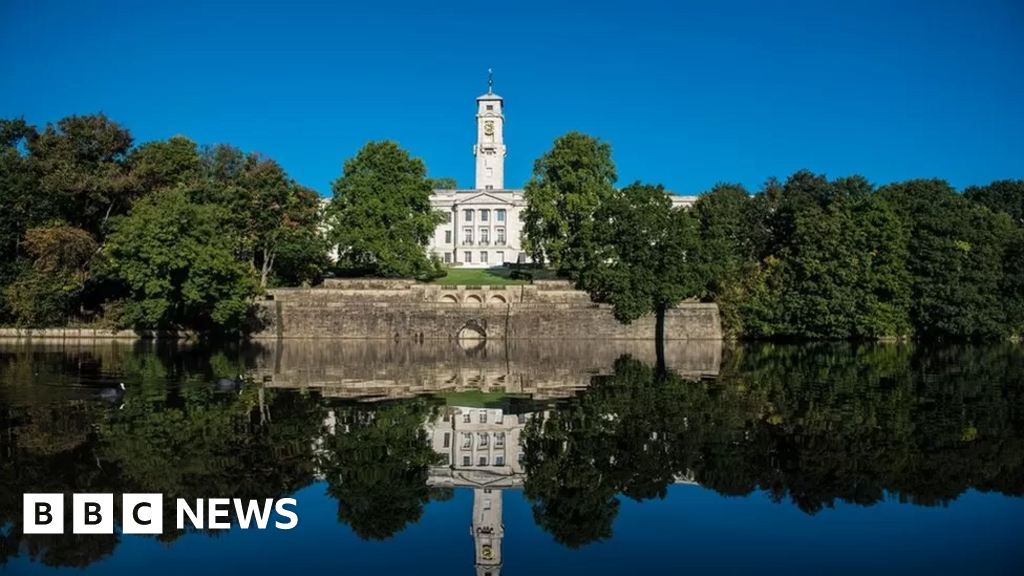
The recent decision by The University of Nottingham to suspend all modern language and music courses for incoming students signals more than an academic restructuring; it is emblematic of the deeper social, economic, and cultural challenges facing contemporary society. As universities grapple with falling revenue and shifting priorities, they are increasingly prioritizing short-term financial stability over the broader educational mission to cultivate well-rounded, culturally literate citizens. The suspension of these courses, which traditionally foster global awareness and cross-cultural communication, risks further entrenching demographic divides and narrowing the horizons of future generations.

At the heart of this debate lies a troubling trend: a societal move away from the values of cultural exchange and linguistic diversity. Sociologist Dr. Thomas F. Pettigrew has long argued that language is intertwined with identity and social cohesion. When educational institutions curtail these fields, they inadvertently diminish the cultural richness necessary for a vibrant, inclusive society. The potential loss of programs dedicated to languages and the arts not only affects students’ ability to engage in a globalized world but also effectively signals to families and communities that cultural literacy is secondary to economic expediency, thus widening existing social inequalities.

  • Institutions face financial pressures leading to the suspension of courses seen as less profitable.
  • Trade-offs are made that threaten the developmental foundations of student cultural competence.
  • The reduction in programs undercuts societal efforts to cultivate intercultural understanding.

Furthermore, The impact extends deeply into families and local communities. When educational opportunities shrink, especially in subject areas fundamental to societal cohesion, entire communities can experience a loss of cultural vitality. The university’s move to prioritize revenue at the expense of diverse academic offerings underscores a broader societal crisis—namely, the erosion of shared cultural values and the marginalization of less commercially lucrative disciplines. History reminds us that nations built on a rich tapestry of languages, arts, and cultural exchange tend to be more resilient. By undermining these disciplines, society risks impoverishing both current and future generations.

Despite these challenges, there remains a hope for societal renewal. Leaders, educators, and communities must rally to prioritize education as a tool for social cohesion, not merely economic transaction. As social commentator Dr. Jordan Peterson emphasizes, fostering individual responsibility and cultural literacy is vital to restoring societal integrity. The fight to preserve these essential programs is not merely about academic interests but about safeguarding the moral and human fabric that connects us all. Society’s greatest strength lies in its ability to adapt while holding onto core values—a hope that, in the face of economic hardship, can inspire a transformative journey toward a more inclusive, culturally rich future.

In this era of rapid change and economic uncertainty, the question remains: Will society choose the path of cultural preservation and renewal, or fade into the shadows of cynicism and division? The challenge before us is clear—our response will shape not only the future of education but the soul of society itself, as each generation inherits the moral weight of what we uphold and what we relinquish.

Ontario Premier Pulls Back on Anti-Tariff Ads After Trump Backlash

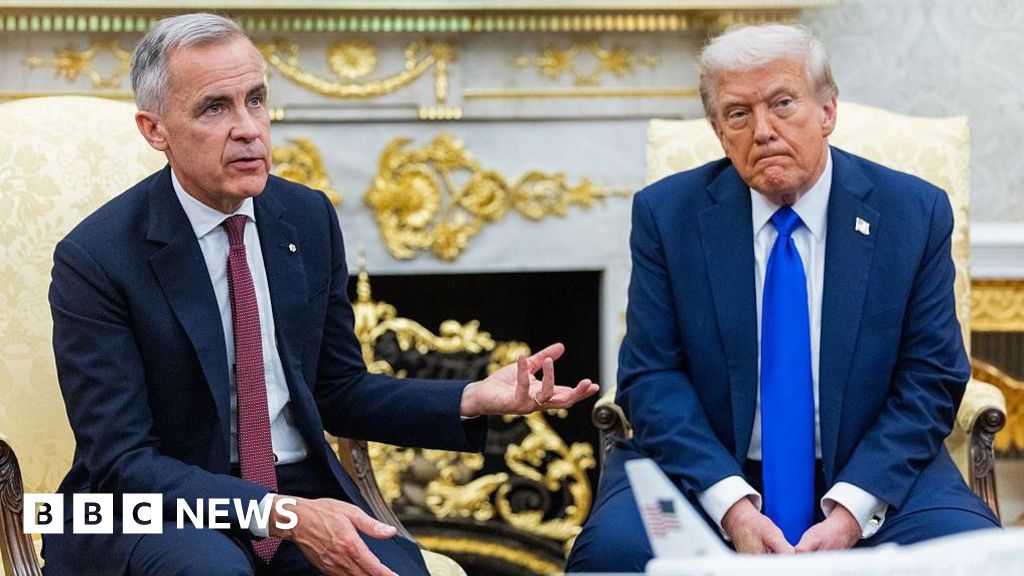
In recent weeks, the political landscape between Canada and the United States has been anything but predictable. Ontario’s Premier Doug Ford took a bold stance by launching an anti-tariff campaign aimed at highlighting the detrimental effects of US levies on Canadian industries. This move, rooted in a desire to *spark a broader conversation about fair trade policies*, unfortunately, ignited a diplomatic firestorm when President Donald Trump reacted sharply, ultimately leading to the termination of trade talks. Ford’s decision to pause the advert—scheduled to run during the Major League Baseball World Series—was a strategic attempt to open space for future negotiations, reflecting a complex balancing act between assertive nationalism and pragmatic diplomacy.

At the heart of the turmoil lies a broader narrative of shifted trade policies and economic vulnerabilities. Canada’s economy, heavily dependent on US markets—selling about 75% of its exports—finds itself at the mercy of fluctuating tariffs and unpredictable political rhetoric. With US levies reaching 35% on Canadian goods and specific sector tariffs hitting metals and automobiles particularly hard, Ontario, Canada’s manufacturing hub, bears the brunt of this economic tension. While Prime Minister Mark Carney has advocated for friendly, face-to-face negotiations—emphasizing Canada’s readiness to resume talks when the US is prepared—Ford’s more confrontational approach underscores a broader, vocal frustration among certain Canadian leaders who believe that standing firm might rally support domestically. However, experts like Mahmood Nanji suggest that this theatrics and hyperbole may not serve Canada’s long-term economic interests, highlighting the importance of consistent, strategic engagement over fiery rhetoric.

Amidst these turbulent negotiations, Canada’s leadership faces a crucial crossroads. The broader context reveals that the US has imposed sector-specific tariffs, with Canada’s auto industry and metals sector suffering significant setbacks. These tariffs threaten jobs, economic growth, and the country’s industrial sovereignty. While some argue that resilient, unapologetic defiance embodies a *true patriot’s spirit*—echoing sentiments rooted in classical American conservatism as articulated by figures like Ronald Reagan—others warn that such strategies risk alienating allies and complicating future trade negotiations. As Canada explores new partnerships in Asia during Prime Minister Carney’s upcoming visit to the ASEAN Summit, it is clear that a diversified approach may be essential to gaining *greater independence* and protecting its economic interests long-term.

Ultimately, the unfolding saga reminds us that lifestyle and economy are intertwined. The decisions made in the chambers of political leaders ripple through communities—affecting jobs, family livelihoods, and national strength. Yet, beyond the headlines, there is an undercurrent of resilience—a collective commitment to *embracing a new era of economic sovereignty*. As Canadians reflect on their journey, it becomes evident that building a resilient future demands not just strategic negotiations but also a mindset rooted in confidence, adaptability, and hope. Perhaps, as Reagan once said, tariffs hurt everyone—but it is the indomitable spirit of a people, driven by purpose and perseverance, that will chart the course toward a brighter, more independent tomorrow.

Trump pulls out of Canada trade talks after anti-tariff ad controversy

US and Canada at Crossroads: Trade Tensions Ignite a New Global Crisis

The fragile landscape of international trade has once again been rocked by a provocative move from President Donald Trump, who declared an immediate halt to all negotiations with Canada following a contentious advertisement campaign. The ad, sponsored by the government of the Canadian province of Ontario, utilized audio excerpts of Ronald Reagan’s 1987 address to underscore a stark warning: tariffs harm American workers and economic stability. Trump’s swift denunciation of the campaign as “FAKE” and “egregious” signals a worsening of already tense relations, casting a shadow over the broader North American economic framework. As trade negotiations die on the vine, the geopolitical how decisions affect nations and societies becomes unmistakably clear: a trade war on the rise threatens to destabilize not only regional stability but also the global balance of power.

Analysts highlight how these moves are part of a broader pattern of challenging traditional trade agreements. Prime Minister Mark Carney has been tirelessly seeking to forge a deal that would ease the impact of U.S. tariffs—particularly those targeting Canadian goods. Yet, Ontario’s Premier Doug Ford, a vociferous critic of Washington’s tariffs—imposing a 50% levy on metals and 25% on automobiles—has openly threatened to retaliate, even suggesting cutting off power supplies to the U.S. This political tension exemplifies how doorway policies influence how societies adapt to economic pressure. The White House’s sector-specific tariffs have caused significant job losses and shrinking industries in Ontario, illustrating the tangible damage inflicted on middle-class livelihoods when geopolitical decisions prioritize protectionism over free trade. Such conflicts threaten to escalate further, raising the specter of a full-scale trade war that analysts warn could lead to economic fallout reminiscent of the early 20th century’s protectionist era.

Meanwhile, international organizations and historians are scrutinizing this modern crisis through the lens of history, with some cautioning that Trump’s aggressive stance risks reigniting Cold War-era tensions. The United States Supreme Court’s upcoming decision on tariffs’ legality looms large in this evolving narrative, potentially forcing Washington to reimburse billions collected from tariffs—an outcome that could undermine Trump’s signature economic policies. The Ronald Reagan Foundation has condemned the Ontario government for mishandling Reagan’s speech by “selectively editing” his words to serve political ends. This contentious use of history underscores how decisions in this moment could redefine diplomatic norms, and whether the legacy of Reagan, a symbol of free enterprise, can be warped into a tool of modern protectionism.

As China’s embassy in Washington indicates with similar propaganda efforts, the strategic use of historical figures and economic rhetoric underscores a broader global contest—a contest for influence, sovereignty, and economic leadership. The mounting tensions threaten to fracture longstanding alliances, pushing societies toward a pivotal choice: embrace the chaos of protectionism or rally back to the principles of free trade that once fostered unprecedented prosperity. The forces shaping this story are still unfolding, but the weight of history reminds us that the decisions taken in this crucible of geopolitical tension will resonate for generations. In the crucible of power struggles and economic brinkmanship, the world stands at a threshold, teetering on the edge of a new, uncertain chapter in history—where the echoes of Reagan and the audacity of Trump collide amidst rising tides of nationalism and global uncertainty.

Social Media Auto Publish Powered By : XYZScripts.com