Matox News

Truth Over Trends, always!

Stylish and bold, but always classy: sheer skirts punch above their weight in youth fashion trends

In an era where extreme fashion trends often push the boundaries of everyday wear, a compelling shift is quietly reshaping the style landscape. Enter the sheer skirt, a versatile piece that combines daring transparency with an innate sense of modern sophistication. While the concept of naked dressing—wearing transparent or minimal attire on red carpets—still turns heads at events like Cannes, today’s fashion scene is embracing a more accessible, yet equally impactful, alternative. This trend is bridging the gap between high-octane runway statements and wearable street style, signaling a societal shift toward more nuanced expressions of individuality.

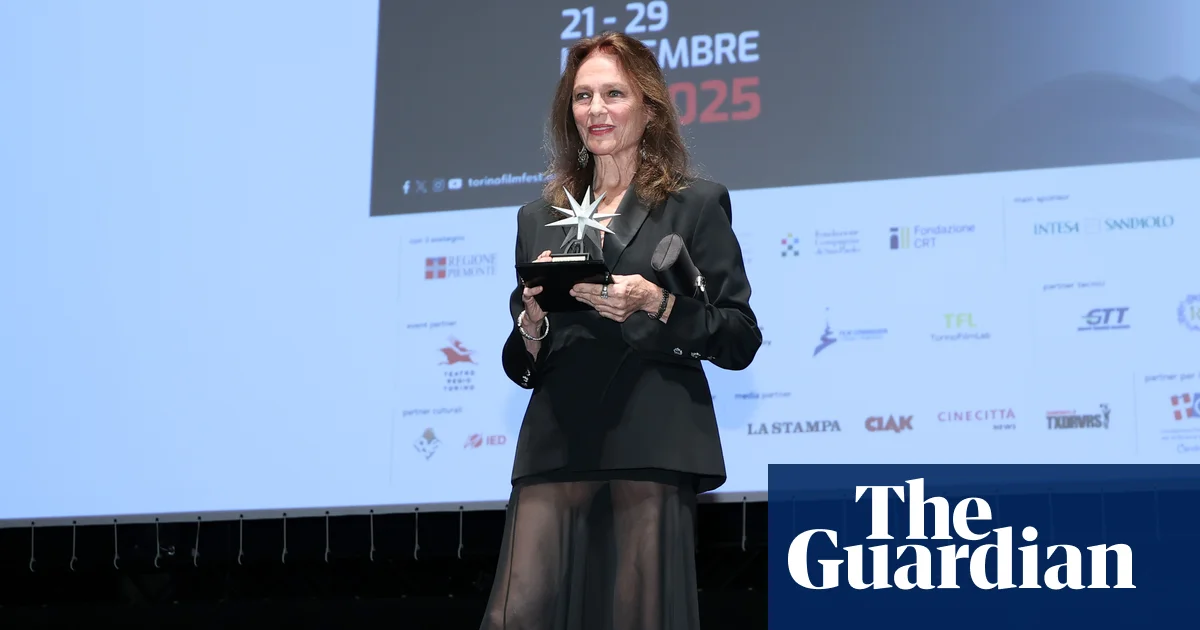
What makes the sheer skirt particularly noteworthy is its cultural and social relevance. With appearances on influential runways at brands like Chanel and Simone Rocha, and celebrities such as Jacqueline Bisset and Victoria Beckham sporting them at high-profile events and casual outings alike, the sheer skirt has transcended its initial novelty status. It’s not just a passing trend; it symbolizes a broader movement emphasizing layered, multi-dimensional fashion. According to sociologists and trend analysts, this shift mirrors society’s fascination with reinterpreting classic femininity and masculinity through the lens of subtle transparency, allowing wearers to convey confidence without fully revealing themselves. The trend’s popularity on platforms like Depop, with searches up nearly 100% since January, underlines its burgeoning appeal across generations, especially among youth eager to express their bold individuality within a socially conscious framework.

Experts like Gaëlle Drevet, founder of The Frankie Shop, highlight how the perceived balance of daring and subtlety makes the sheer skirt a modern staple. Drevet notes that their bestselling Peri skirt exemplifies this, striking a “sexiness” that remains approachable. Meanwhile, Karin Gustafsson, creative director of Cos, attributes its rising popularity to the “underwear as outerwear” trend” and a fresh approach to layering, especially with transparent fabrics that radiate color and light. This desire for innovation in self-expression is also reflected in how fashion-forward individuals imagine pairing sheer skirts with winter-ready pieces, such as turtlenecks, tights, and boots—making transparency a year-round statement of style.

Interestingly, the appeal isn’t solely rooted in exposing skin. Many see the sheer skirt as an elegant tool to hint at sensuality—a delicate balance that allows women to “show their legs without showing,” as Gustafsson describes it. This shift indicates a broader cultural conversation about the power of modesty and confidence in fashion. As layering becomes more sophisticated, the sheer skirt offers a platform for personal storytelling through style, emphasizing that fashion’s next frontier isn’t about revealing everything but about revealing just enough. So, as we enjoy this low-key revolution in the wardrobe, one glaring question remains: Will future trends continue to blur the lines, making transparency and layering not just a temporary phase but the next permanent evolution in how society defines beauty and self-expression? Only time will tell, but one thing is clear—fashion’s willingness to experiment with boundaries reveals much more than just style; it reflects a society increasingly eager to challenge norms and redefine identity.

Kevin Rose’s bold AI hardware test: Would you want to punch someone wearing it?

Venture Capital Veteran Warns of AI Hardware Bubble While Emphasizing Opportunities for Innovation

In a candid address at the recent TechCrunch Disrupt event in San Francisco, Rose, a seasoned general partner at True Ventures, underscored both the risks and the enormous potential of artificial intelligence (AI) as a disruptive force across industries. While Silicon Valley players rush headlong into the AI hardware gold rush—funding smart glasses, AI pendants, and wearable tech—Rose warns that many startups are repeating familiar mistakes, with some chasing after fleeting trends rather than genuine innovation. His message centers on understanding the profound business implications of AI advancements and how they could reshape the venture capital landscape.

Despite skepticism about current AI hardware startups, Rose remains deeply optimistic about AI’s capacity to transform entrepreneurship itself. He highlighted how Google’s Gemini 3 is expected to introduce error-free AI coding, dramatically lowering barriers for emerging entrepreneurs. According to Rose, this evolution will lead to a new generation of vibe coding classes—informal, creative environments where high school students and startups alike can rapidly prototype and launch billion-dollar businesses. The rapid development of AI coding tools signifies a watershed moment, one that could make traditional VC funding less critical, as entrepreneurs become more self-reliant and resourceful.

As AI technology reduces technical barriers, the VC model itself faces transformation. Rose advocates for a shift away from firms aggressively hiring armies of engineers towards cultivating VCs with higher emotional intelligence. He argues that emotional support and long-term partnership are increasingly vital, especially as entrepreneurs grapple with complex challenges beyond technical hurdles. This perspective is echoed by industry analysts from institutions like Gartner, who stress that the most successful investors will be those capable of guiding startups through emotional and strategic issues—distilling the essence of disruption not just in products, but in the venture ecosystem itself.

Looking toward the future, Rose advocates for a bold, unconventional approach to investing—favoring founders with a disregard for the impossible and a willingness to pursue audacious ideas that others dismiss as impractical. Inspired by advice from Larry Page, he emphasizes backing entrepreneurs willing to challenge the status quo, knowing that even failures foster innovation. This mindset underscores a broader industry shift: as AI continues to evolve rapidly, the most disruptive breakthroughs are likely to come from bold visions that defy skepticism. The race to harness AI’s full potential is heating up, and investors who can navigate its emotional and technical complexities will be the real winners.

In conclusion, the next decade promises a seismic shift in technological innovation driven by AI. Companies both big and small that recognize its disruptive power and align their strategies around bold, emotionally intelligent leadership will gain a decisive edge. The stakes are high—those who innovate ahead of the curve will shape the future of commerce, technology, and society itself. As Rose aptly states, embracing a disregard for the impossible could be the key to unlocking unprecedented opportunities in the very near future.

Social Media Auto Publish Powered By : XYZScripts.com



