Matox News

Truth Over Trends, always!

Trump vows to meet Putin again after promising call advances U.S.-Russia relations

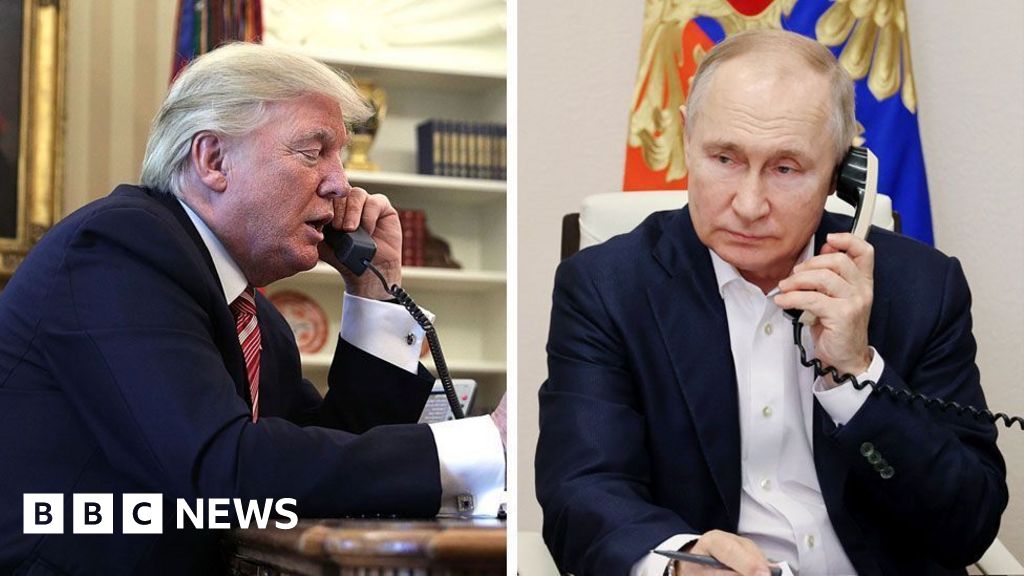
In a series of high-stakes diplomatic maneuvers, the United States and Russia are embroiled in a complex game of strategic brinkmanship at a critical juncture in global affairs. This latest development follows President Donald Trump‘s recent exchange with Vladimir Putin, marked by a phone call described by Washington as “very productive” and the anticipation of a face-to-face summit in Hungary. The geopolitical impact of these conversations reaches far beyond bilateral relations, affecting not only Ukraine but also the broader European and international stability. In a world seeking avenues for peace, the specter of renewed conflict looms large, driven by decisions made in backroom negotiations and public posturing.

  • On Thursday, Trump and Putin engaged in their first significant dialogue since mid-August, concluding with an agreement to convene more detailed discussions next week. The Kremlin highlighted that work on the summit would commence “immediately” after what they called an “extremely frank and trustful” call. This marks a notable shift from previous tensions and underscores how key leaders are maneuvering in the shadows of war, attempting to influence the geopolitical landscape with limited transparency.
  • Meanwhile, Ukrainian President Zelensky faces mounting pressure as the Biden administration contemplates arming Kyiv with advanced Tomahawk missiles, capable of deep strikes into Russia. Zelensky’s statement that Moscow is “rushing to resume dialogue” as soon as it perceives these weapons underscored the fragile, volatile nature of the ongoing conflict. The decision to supply Ukraine with such capabilities could drastically alter the war’s dynamics, leading to a potential escalation or stalemate, depending largely on how Russia perceives these moves.

Analysts and historians are warning that the recent diplomatic activities signal a shift toward greater unpredictability in an already volatile region. International organizations like the United Nations have cautioned against the escalation of hostilities, while European leaders such as Viktor Orban of Hungary advocate for diplomacy over confrontation—calling for patience, strength, and dialogue as the only viable path to peace. But the question remains: are these overtures genuine attempts at resolution, or just tactical steps in a broader chess game designed to influence the post-conflict order?

As Washington and Moscow continue to clasp onto their divergent visions for global dominance, the potential repercussions extend to economic spheres. Trump’s insistence that high-level advisors from both nations will meet to discuss trade “when the war is over” reflects the deep interconnection between geopolitics and economic strategy. Conversely, on the battleground, Russian missile strikes amid diplomatic talks serve as a grim reminder that peace remains elusive, and the path to stability is fraught with peril. Domestically, these developments are resonating among young people worldwide, keenly aware that the decisions made today will shape the future they inherit.

Indeed, the thread of history is being woven with each diplomatic encounter, each missile launch, and each negotiation. The world watches with bated breath as world leaders navigate a landscape where old alliances are tested and new rivalries emerge. In this relentless pursuit of power and peace, the curtain has yet to fall on the drama that will determine whether the 21st century will be remembered as an era of harmony or chaos. The weight of these choices, forged in the crucible of conflict and diplomacy, echoes through generations, reminding us that the unfolding story is far from over — it is only just beginning.
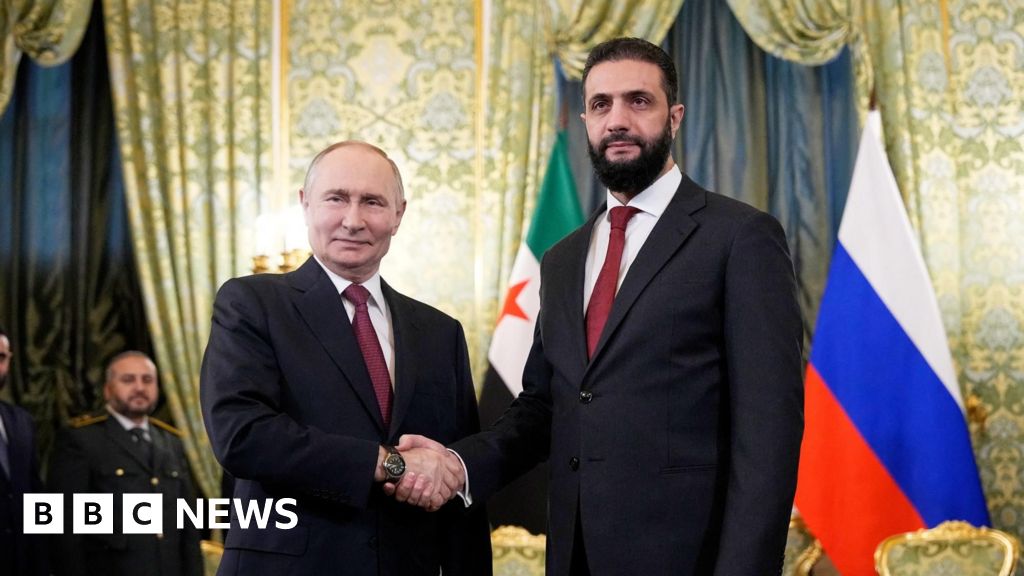

Sharaa Meets Putin in Moscow: First Contact Since Assad’s Fall

In a remarkable shift of alliances and perceptions, Syria’s interim President, Ahmed al-Sharaa, recently held his first high-level talks with President Vladimir Putin in Moscow, signaling an unprecedented thaw in longstanding enmity. Once firmly embroiled on opposite sides of Syria’s brutal civil war, both leaders demonstrated that pragmatic interests now overshadow ideological divides. Putin’s reference to their “special relationship” underscores an emerging geopolitical calculus wherein regional stability and strategic access take precedence over past allegiances. Such a diplomatic overture hints at a broader recalibration of Middle Eastern alliances, with Moscow seeking to cement its influence even as some Western powers question the legitimacy of Assad’s exiled regime.

The meeting in Moscow highlights a significant realignment where former enemies now seek common ground. Last year, Bashar al-Assad was ousted from power after years of brutal repression, supported by Western sanctions and military backing from regional actors. Yet, in a surprising turn, the Syrian leadership appears receptive to partnering once more with Russia, a key guarantor of regime survival, primarily through access to strategic military bases at Tartous and Hmeimim. Analysts see this as a calculated move by Damascus to leverage Russia’s military prowess and economic resources for sovereignty preservation. Sharaa’s commitment to allowing Russia continued military access reflects a tacit acknowledgment that without Moscow’s support, Syria’s stability remains fragile, vulnerable to future geopolitical upheavals.

Despite the seemingly cordial tone, the deep-rooted tensions of history linger beneath the surface. Russia’s decision to grant asylum to Assad, accompanied by Lavrov’s candid admission that Assad and his family faced “the risk of physical elimination,” demonstrates the complex layers of geopolitics at play. Russia’s strategic interests extend beyond mere military presence; they encompass economic investments, diplomatic influence, and the prevention of regime collapse that could destabilize the entire region. Meanwhile, Sharaa’s expressed desire to restore Syria’s relations with the world, especially with Russia, underscores an intent to secure vital international support for rebuilding Syria’s battered economy and maintaining territorial integrity. However, international organizations and foreign policy analysts warn that such alliances might entrench authoritarian rule and delay the quest for genuine democratization in the country.

The geopolitical impact of this renewed partnership extends far beyond Syria’s borders. A Russia-Syria alliance shifts the regional power dynamics, challenging Western influence and complicating efforts by entities like the US and the European Union to shape the future of the Middle East. For Moscow, maintaining its foothold in the Mediterranean through Syria is a strategic priority, reinforcing its global ambition to project power in areas once dominated by Western influence. Conversely, Syria’s push to redefine its sovereignty by seeking aid from Russia raises critical questions about the future of international diplomacy, sovereignty, and the limits of Western-led democracy promotion. The delicate balance between cooperation and dependence is now at the crux of regional stability, with echoes felt across neighboring nations and global power centers.

As the corridors of power continue to turn and history writes new chapters, the global community watches with bated breath. Will this pragmatic alliance forge a durable peace or sow the seeds for future conflicts? The answers remain mired in shadows of geopolitics and the relentless pursuit of national interest—an unfolding drama that will define the region’s destiny long after today’s headlines fade into history’s archives. The world stands on the precipice of a new chapter, where alliances are rewritten and the true cost of power is measured not just in treaties, but in centuries to come.

Social Media Auto Publish Powered By : XYZScripts.com


