Matox News

Truth Over Trends, always!

Qantas Scores $1.46bn Profit Boom as Aussie Travelers Keep Flying Despite Rising Costs

Global Economy and Geopolitical Shifts: A New Chapter in International Affairs

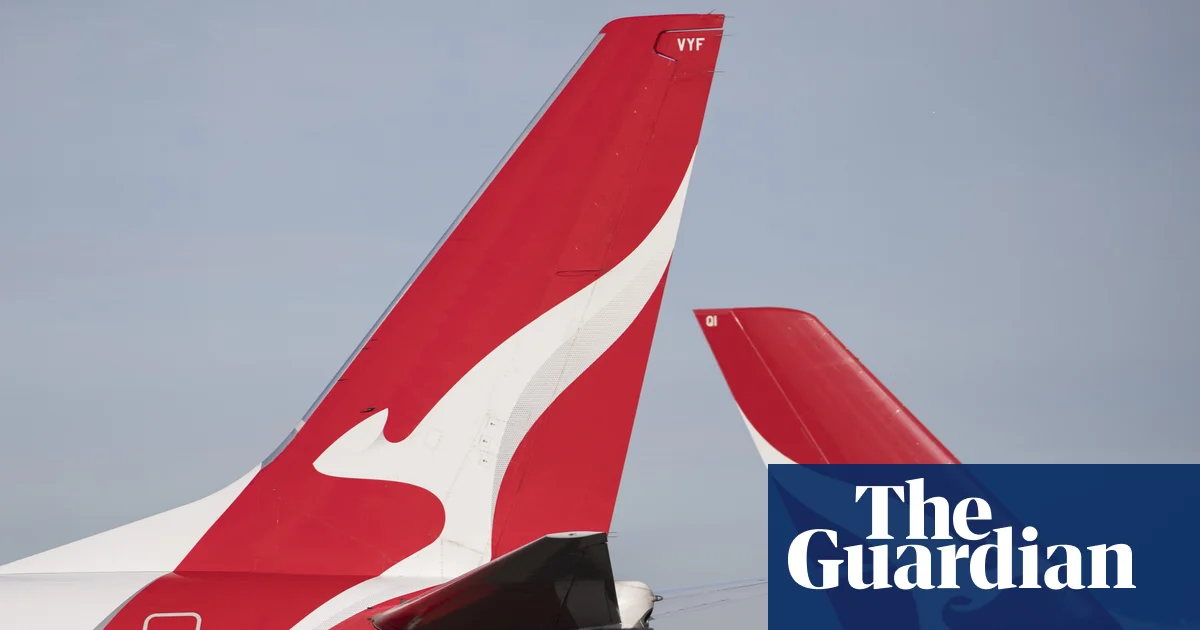
In a remarkable turn of events, Qantas, Australia’s largest airline, has announced a robust $1.46 billion half-year profit, demonstrated by resilient consumer demand despite ongoing global economic pressures. This narrative of economic revival challenges the prevailing narrative that high living costs and inflation are universally dampening national economies. Instead, it marks a pivotal shift showing how some nations, particularly those with strong resource bases and strategic industries, are navigating the turbulent waters of economic globalism. \u201cTravel remains a priority for Australians,\u201d said airline CEO Vanessa Hudson, who is orchestrating the most expansive fleet renewal program ever. This aligns with a broader pattern of resilience among resource-rich nations and key industrial players seeking to lend strength to their influence on the global stage.

Meanwhile, Australia continues to bolster its position through strategic investment in infrastructure and commerce. The airline’s investments include upgrading its fleet with newer, more fuel-efficient aircraft, allowing it to open new routes—particularly to regional hubs like Japan, Bali, and across the Tasman. This move not only enhances passenger experience but also cements the nation’s role as a key connector between the Asia-Pacific and the economic powers of the West. Analysts from international think tanks note that such developments contribute significantly to Australia’s geopolitical leverage, giving it greater sway within regional diplomatic contexts, particularly in counterbalancing the influence of China and the United States.

However, challenges remain, especially in the U.S. market. Despite optimism about domestic resilience, Hudson acknowledges that US economic uncertainties persist, prompting close monitoring of the “evolving economic environment.” The challenge posed by rising inflation, coupled with recent social media and travel policy shifts, underscores the complex, interconnected nature of modern geopolitics. Reports indicate that social media activity is under increasingly strict scrutiny, with some nations enforcing measures that impact international travel and diplomacy. Such policies serve as a stark reminder of the fragile balance between national security and individual freedoms, raising questions about the future trajectory of international cooperation and civil liberties. This tension echoes worry among historians and policymakers about the long-term implications of rising societal control and surveillance, which, if unaddressed, could foster geopolitical tensions or even conflict.

  • Qantas’s strategic fleet renewal: Replacing aging domestic aircraft, expanding long-range capabilities, and improving fuel efficiency.
  • Australia’s strengthening economic links: Enhanced regional connectivity and regional influence through targeted infrastructure and trade investments.
  • US market challenges: Uncertain economic climate and stricter travel-related social media regulations impacting international mobility.
  • Potential global repercussions: Increasing social controls and economic uncertainties could reshape international alliances, trade routes, and security policies.

As these developments unfold, they place a spotlight on a broader geopolitical landscape amidst evolving economic power dynamics. European analysts warn that the balancing act between Western democracies and rising authoritarian tendencies will define the stakes of this decade. The decisions made today—regarding economic resurgence, social regulation, and international diplomacy—will determine whether the path leads to cooperation or conflict. Historians will look back on this era as one where the weight of history pressed heavily upon the shoulders of leaders seeking stability in an increasingly volatile world. With each policy shift and economic indicator, the question lingers: are we witnessing the stabilization of a new geopolitical order or the tremors of a coming upheaval? The answers, as always, remain to be written, yet the narrative of this generation’s history is unmistakably unfolding—one cautious step at a time.

Qantas Unveils Game-Changing Ultra-Long-Range Airbus for Non-Stop Sydney to London & New York Flights

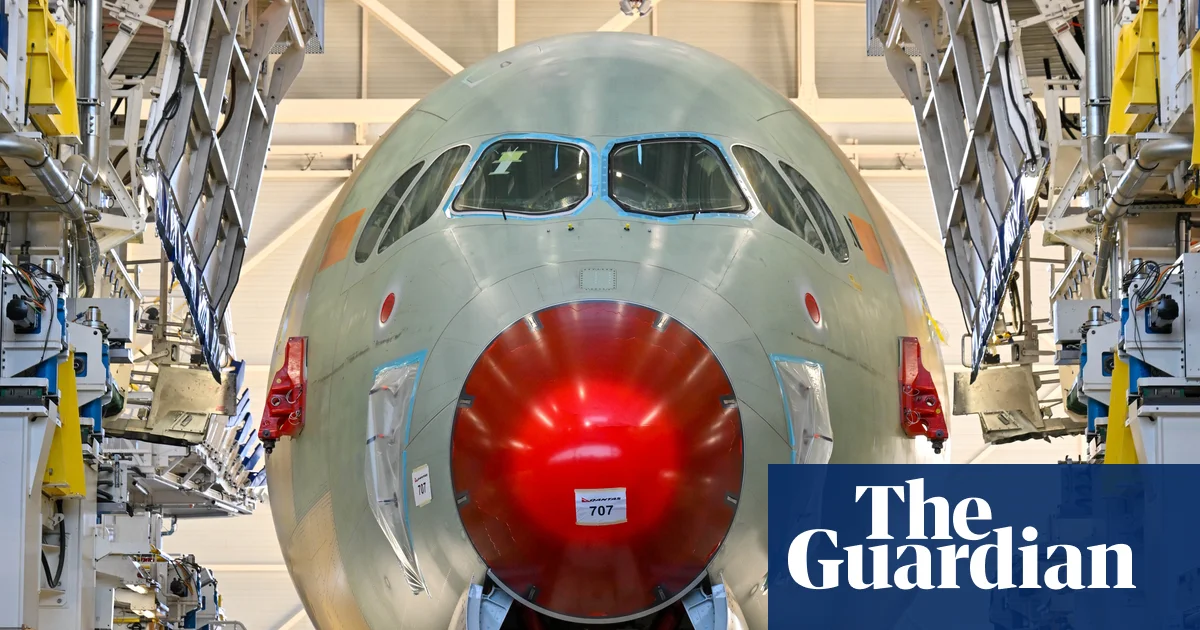
The global landscape of aviation and international connectivity is on the brink of a transformative shift, driven by the ambitious plans of Qantas and the ongoing evolution of aerospace technology. The Australian airline recently unveiled the first images of its next-generation aircraft, an Airbus A350-1000ULR, which is set to revolutionize long-haul travel by enabling non-stop flights from Sydney to London and New York starting in 2027. This development signifies more than just a new type of aircraft; it symbolizes a strategic move by Qantas to establish dominant global routes, reduce travel times, and secure competitive advantages in the fierce international aviation market. Such advancements, while promising for travelers, have wide-ranging implications for geopolitics, economic influence, and societal change.

In crafting this ultra-long-haul flight network, Qantas is positioning itself to challenge existing transcontinental aviation standards, with the aircraft scheduled for test flights in 2026 at Airbus’s Toulouse assembly line. The airline has ordered a dozen of these aircraft as part of its Project Sunrise, a strategic initiative aimed at connecting Australia directly to global hubs, bypassing traditional stopover points.

  • These non-stop flights will cut travel times up to four hours, significantly altering international mobility and opening new avenues for global commerce, tourism, and cultural exchange.

While some analysts, such as those at the International Air Transport Association, highlight the benefits of reduced travel time, critics warn that this acceleration of global connectivity could deepen geopolitical tensions and economic disparities. The dominance of Australia in long-haul aviation might diminish reliance on transcontinental hubs in Asia or the Middle East, impacting regional influence and shifting international power balances.

Beyond the technological and economic implications, these developments further underscore how decisions made by multinational corporations like Qantas impact societies worldwide. The push for faster, more direct routes exemplifies a growing trend towards minimizing geographical barriers, which, according to historians specializing in globalization, could lead to a new era of interconnectedness—yet also exacerbate existing inequalities. The emphasis on efficient global travel aligns with broader geopolitical strategies that favor the free flow of capital and people, often at the expense of local industries and national sovereignty. International organizations such as the World Trade Organization have noted that such advancements may foster economic growth but also pose challenges for labor markets, especially in regions less equipped to adapt to rapid technological shifts.

As the world hurtles toward an era where the boundaries of distance are continually compressed, the weight of history presses ever more heavily. The unfolding story of Qantas’s bold leap into ultra-long-haul aviation is not just about advancements in flight; it is a reflection of an era where technological progress and geopolitical ambitions intertwine, shaping the future of global society. Whether these developments herald a new age of prosperity or deepen divisions remains to be seen. What is certain, however, is that the decisions now being made will echo through history, for better or worse, as the world watches with bated breath—an unfolding saga where every mile traveled is a step further into a future yet unknown.

Australia News Live: Qantas Data Leak Sparks Scammer Alert, NSW Vows Pothole Fixes

In an era defined by rapid digital transformation and shifting geopolitical alliances, recent events in Australia underscore the global implications of national security, corporate responsibility, and technological regulation. The reckless leak of data from Qantas Airlines, which exposed the personal information of up to 5.7 million customers, signals a profound challenge for international cybersecurity protocols. Hackers associated with the entity Scattered Lapsus$ Hunters made good on their ransom threats, releasing data that includes full names, addresses, and sensitive financial details. The incident has prompted Tony Burke, Australia’s minister for cybersecurity, to vow the full extent of governmental legal power will be used to hold the airline accountable and to safeguard its citizens’ privacy in the digital age.

The Australian breach is emblematic of the fragile cybersecurity landscape confronting nations worldwide. Analysts warn that these breaches are not isolated but part of an ongoing campaign expanding across borders, targeting corporate and public infrastructure. The leak originating from offshore call centers operated with Salesforce software underscores the vulnerabilities posed by outsourcing sensitive operations without stringent security controls. As historians and international organizations observe, such incidents have the potential to destabilize trust in multinational corporate entities and challenge the very notion of sovereignty in cyberspace. Meanwhile, governments such as Australia face increased pressure to enforce legal frameworks that compel corporations to prioritize national security over profit before the damage becomes irreversible.

Simultaneously, Australia‘s government is taking proactive steps beyond cybersecurity. The impending landmark social media ban slated for implementation on December 10 to protect under-16s signals a broader push to control the influence of digital platforms on youth. The eSafety commissioner, Julie Inman Grant, has scheduled critical meetings with global giants like Meta, Snapchat, YouTube, and TikTok—a move that reflects a national approach to social-media regulation aimed at curbing predatory algorithms and harmful content. According to policy experts, this position underscores an international shift where governments increasingly demand accountability from big tech and assert sovereignty over digital spaces, challenging the unregulated dominance these platforms once enjoyed. This move could redefine global norms on digital oversight, indicating that even the most embraced platforms are within the crosshairs of state control.

Yet, in the broader context, these domestic steps and cybersecurity challenges reverberate on the geopolitical stage. The United States, China, and Russia watch closely, recognizing that the battle for digital supremacy and security influence extends beyond borders. The United Nations, along with NATO members, warn that cyber warfare and data sovereignty are now intrinsic to national security, threatening to redraw alliances in an interconnected world. As analysts warn, incidents such as Qantas’ leak could embolden state-sponsored actors to escalate their aggressive campaigns, destabilizing entire regions and undermining institutions that rely heavily on tech infrastructure. The fate of nations is, increasingly, being decided within the networked battleground of cyberspace, where data breaches become the new frontlines of geopolitical conflict.

As history continues to unfold, the protection of data, control of social media, and the assertion of sovereignty over digital spaces will serve as defining markers of the 21st-century geopolitical landscape. These layered conflicts—rooted in technology, security, and societal influence—are shaping the future of international relations, leaving an indelible mark on the fabric of global order. The weight of this ongoing story demands vigilant attention, for the decisions made today may well determine the balance of power in the digital age—an epoch where the battle for hearts and minds is waged through data, policies, and the unyielding march of progress.

Social Media Auto Publish Powered By : XYZScripts.com



