Matox News

Truth Over Trends, always!

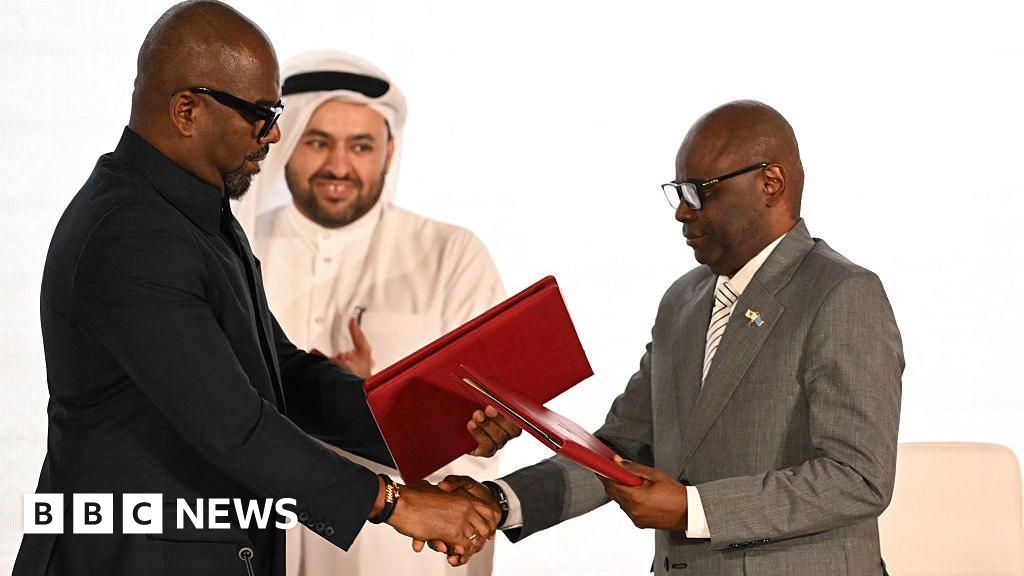
DR Congo and M23 rebels strike peace deal in Qatar, paving way for stability

The recent signing of a framework for peace between Rwandan-backed M23 rebels and the government of Democratic Republic of Congo marks a significant, albeit tentative, turning point in one of Africa’s most complex conflicts. The peace ceremony held in Qatar underscores the growing international effort to broker stability in the resource-rich eastern region, which has long been a hotspot of violence and chaos. This development is particularly noteworthy given the regional history of insurgency, ethnic tensions, and geopolitical maneuvering, with global powers including the United States and the African Union actively engaging behind the scenes. The peace process, which builds on recent agreements in Doha, signals an evolving approach to conflict resolution that prioritizes diplomatic negotiations over military solutions.

The conflict’s roots extend deep into ethnic and political divides, compounded by competition over mineral resources critical to global industries, especially electronics. Earlier this year, the M23 rebels captured major cities like Goma and Bukavu, effectively disabling the Congolese government’s control over the region. Despite multiple efforts to establish peace, previous agreements have failed, and violence has persisted, with *thousands killed* and *hundreds of thousands displaced*. The new framework aims to address core issues such as humanitarian access, the return of displaced populations, and the disarmament of rebel factions like the FDLR, a militia linked to the 1994 Rwandan genocide. Such measures are crucial, not only for restoring order but also for pacifying a region that’s been destabilized for decades, thereby impacting the broader geopolitics of Central Africa.

At the heart of the dispute lies tension over Rwandan troop presence in eastern Congo. Kinshasa demands a full withdrawal of Rwandan forces, which Kigali counters by insisting that this can only occur once the disbandment of the FDLR rebel group is complete. This stance highlights the intertwined nature of regional security, ethnicity, and control over mineral wealth. The analysis by international security experts suggests that such disagreements threaten to undermine fragile peace efforts if not managed carefully. The geopolitical impact extends beyond mere border disputes; it influences the control of vital mineral resources like coltan, which is indispensable for modern electronics. As US envoy Massad Boulos noted, most protocols still require fine-tuning, but the mere existence of a framework signifies a crucial shift towards diplomacy after years of failed ceasefires and battlefield setbacks.

Ultimately, the unfolding conflict in eastern DR Congo serves as a stark reminder of the high stakes involved—not just for the local population but for global markets and international stability. The region’s earliest history, marked by ethnic divisions and colonial legacies, continues to influence current negotiations. While the world watches as historic peace accords attempt to tame chaos, the shadows of unresolved grievances and regional ambitions loom large. As the negotiations proceed, the weight of history presses heavily upon the shoulders of leaders, analysts, and ordinary citizens alike. The question remains: will peace endure, or will this fragile agreement be yet another chapter in a long, tragic saga of missed opportunities? The story of eastern Congo is still being written, and the pages yet to come will determine whether this moment signals a new dawn or if history’s relentless cycle of conflict will continue to unfold, leaving its indelible mark on Africa’s heartland and the world beyond.
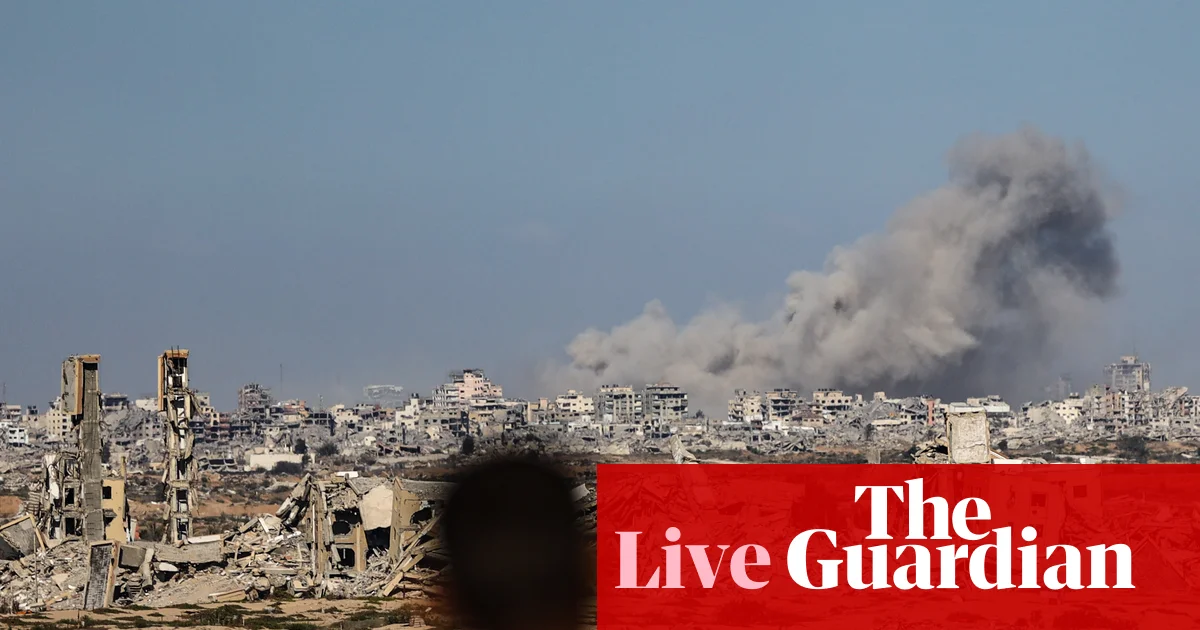
Gaza Ceasefire Talks Hit a New Stage as US, Turkey, Qatar Step Up Diplomacy—Third Day of Critical Negotiations

The ongoing crisis in Gaza continues to escalate, drawing increasing international concern over its profound geopolitical impact and the ripple effects felt across the Middle East. Recent events revealed a renewed effort by Israel to enforce its naval blockade, intercepting a new Gaza-bound aid flotilla organized by the Freedom Flotilla Coalition (FFC). Days after the detention of activists aboard vessels attempting to deliver vital humanitarian supplies, Israeli forces reportedly jammed signals and boarded at least two boats, asserting that their actions had no legal jurisdiction over international waters. The coalition, a consortium of pro-Palestinian organizations, contends that these vessels carried over $110,000 worth of medical supplies, respiratory equipment, and nutrition intended for Gaza’s hospitals, which are overwhelmed amid the conflict—a harrowing reminder of the human cost of the blockade.

These maritime confrontations are far from isolated incidents. Just days prior, Israel intercepted approximately 40 vessels in an aid convoy, detaining more than 450 activists involved in the Global Sumud Flotilla. The persistent pattern underscores a growing international debate over Israel’s strict maritime blockade and its impact on the civilian population in Gaza. Critics, including some United Nations officials, argue that Israel’s tactics effectively suffocate a population already suffering from a UN-declared famine and displacement—with over 90 percent of Gaza’s residents displaced according to recent reports. Historians and analysts warn that the continued blockade, paired with widespread military actions, risks further igniting regional instability, especially as diplomatic efforts unfold behind closed doors in Egyptian resorts like Sharm El-Sheikh.

The diplomatic arena remains tense, with U.S., Turkey, and Qatar convening in what many perceive as a last-ditch effort to broker peace. Through indirect negotiations between Hamas and Israel, hosted in Egypt and based on a 20-point plan floated by Donald Trump, the international community’s hopes hinge on what some describe as a fragile window for peace. According to officials, the presence of strategic figures—like Qatar’s Prime Minister Sheikh Mohammed bin Abdulrahman Al Thani, Turkey’s intelligence chief Ibrahim Kalin, and Trump’s special Middle East envoy Steve Witkoff— underscores the high stakes involved. President Trump himself has expressed cautious optimism, stating that “there’s a real chance that we could do something,” emphasizing the importance of securing the release of Israeli hostages and ending the bloodshed.

However, the path toward stability remains paved with violence and disappointment. The anniversary of Hamas’s infamous 7 October 2023 attack, which resulted in over 1,200 deaths—primarily civilians—and the taking of hostages, serves as a stark reminder that conflict remains deeply entrenched. Israeli society commemorates this event with mourning and calls for action, even as some voices warn of the risks of surrendering sovereignty or strategic interests in the face of diplomacy. The global pressure to halt the violence grows, yet the battlefield’s scars deepen, with over 35 arrests reported in West Bank and East Jerusalem by Israeli forces, and hospitals in Gaza struggling to care for newborns denied necessary equipment because of denied transfers from evacuated facilities. Critics argue that Israel’s relentless military response and blockade exemplify a pattern of behavior that some human rights organizations describe as genocidal—a declaration supported by recent UN inquiries.

As history continues to unfold amid these tumultuous events, the weight of impending decisions remains heavy on the shoulders of international leaders. Each diplomatic move, each blockade, and each act of violence shapes a ripple through the geopolitical fabric of the Middle East and beyond. The fervent hope that peace might one day dawn over Gaza is a fragile glimmer amid the shadows of war and history’s relentless march, reminding us all that the story of this conflict is far from written—an enduring testament to a region where the next chapter could redefine the fate of millions.

Social Media Auto Publish Powered By : XYZScripts.com