Matox News

Truth Over Trends, always!

Israeli Airstrikes Kill 21 in Gaza as Crossings at Rafah Stall, Palestinian Officials Warn

Intensified Violence and Political Stalemates in Gaza Signal Deepening Regional Instability

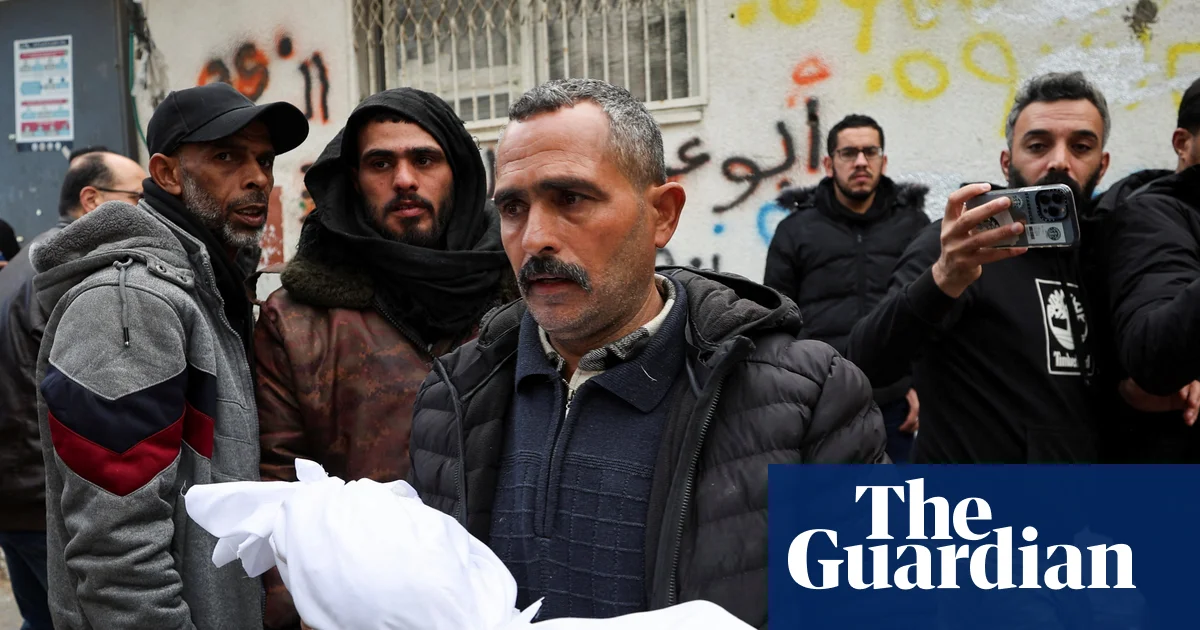
The recent surge of Israeli military operations in Gaza has again highlighted the fragile state of peace in one of the most volatile regions of the world. According to reports, Israeli tank shelling and airstrikes have resulted in at least 21 fatalities, including children and women, underscoring the devastating human toll of ongoing hostilities. In a tragic sequence of events, even medical personnel responding to initial casualties were killed by subsequent strikes, exemplifying the relentless brutality faced by civilians caught in the crossfire. These strikes targeted Gaza City and Khan Younis after an alleged attack on Israeli soldiers by Palestinian gunmen, prompting Israel to justify its defensive actions. Historians and analysts note that these incidents reflect a pattern of escalating violence that significantly complicates diplomatic efforts to establish sustainable peace, especially as the ceasefire remains fragile and frequently violated.

The geopolitical impact of these hostilities extends beyond the immediate borderlands. Israel claims that its military operations are justified, but the continued civilian casualties and destruction of infrastructure in Gaza intensify international concerns regarding human rights and stability. Gaza’s health system is under enormous strain; reports suggest that over 556 Palestinians have been killed since a prior ceasefire—most civilians—while Israeli casualties remain comparatively low. The international community, including human rights groups and UN agencies, warns that the cycle of violence risks igniting broader regional instability. As the United States and European nations call for de-escalation, critics argue that such calls ignore the deeper geopolitical issues—namely, the unresolved status of Gaza’s governance, the Israeli occupation, and the disarmament of Hamas—whose future remains uncertain amid persistent conflict.

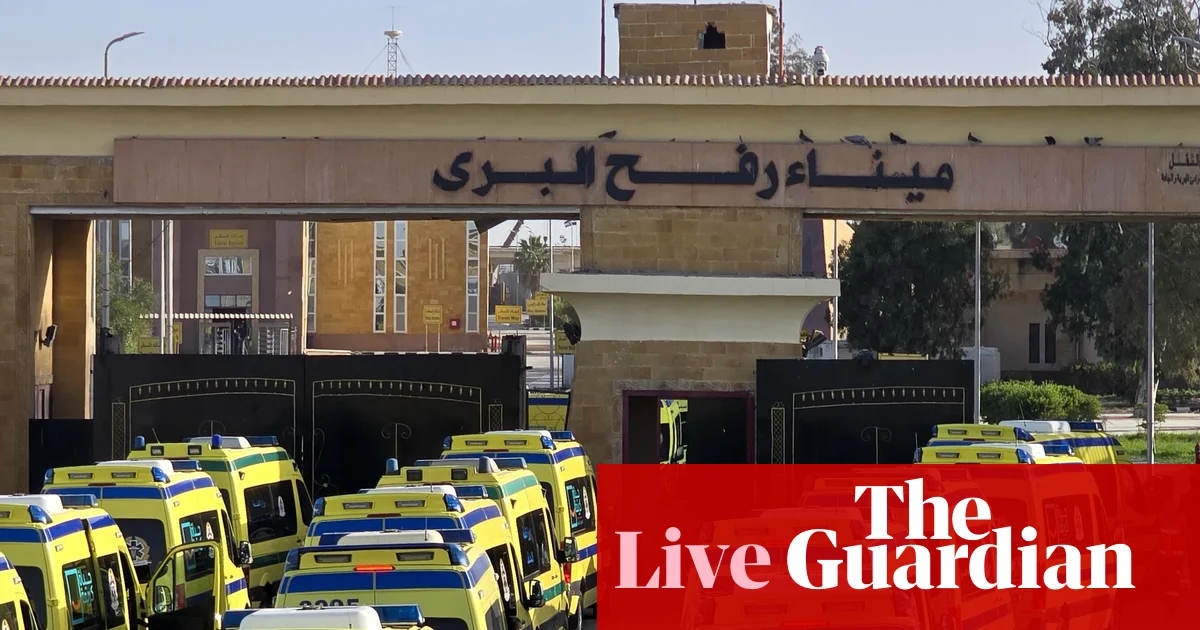
Meanwhile, amid the ongoing violence, a crucial element of the ceasefire—the Rafah border crossing—has faced renewed closures, impeding vital humanitarian aid and medical evacuations for Gaza’s besieged population. Although the crossing partly reopened earlier, Israel has halted all crossings citing security concerns. Reports from sources in Egypt indicate ongoing diplomatic efforts to reopen Rafah; however, the decision underscores the deep mistrust and strategic calculations that continue to undermine peace initiatives. The World Health Organization and Egyptian officials have expressed frustration over the delays, which threaten to exacerbate the humanitarian crisis. As Gaza’s hospitals report waiting patients unable to cross, analysts warn that such restrictions may fuel further resentment and radicalization, making lasting peace even more elusive.

Specialists and regional commentators note that the October ceasefire, brokered under the auspices of U.S. diplomacy and the Trump administration’s plan, has yet to translate into substantive political progress. Key issues—namely the withdrawal of Israeli forces from Gaza’s occupied regions and the disarmament of Hamas—remain unresolved. As violence continues to erupt daily, critics argue these unresolved matters threaten to unravel the fragile peace framework, possibly plunging the region into broader conflict. Historian Robert Kaplan warns that without decisive political action, Gaza is set on a perilous path toward further devastation, its residents condemned to an endless cycle of suffering and strife.

As the conflict spills into another day of violence, the weight of history presses down heavily. The world watches as this small strip of land becomes a crucible where the fates of nations hang in delicate balance. Will diplomacy prevail, or will the lines of conflict deepen into a new and possibly irreparable chapter? The story of Gaza is still being written—its future uncertain, its lessons profound—and the world’s response may ultimately shape the course of history. The echoes of this crisis remind us that beneath the surface of geopolitics lie human beings enduring the consequences of decisions made by global powers, forever etched in the annals of history.
Gaza’s Rafah Border Reopens for Select Travel Amid Tensions — What You Need to Know

Amid mounting international scrutiny, European Union officials and former diplomats are raising alarms over the ongoing humanitarian and legal crises in Gaza and the broader West Bank. A coalition of more than 400 former European top diplomats has called for intensified pressure on Israel, condemning what they describe as “excesses and unremitting violations of international law.” This unprecedented appeal underscores the deepening global concern about the conflict, as the bloc considers suspending or revisiting its strategic relations with Israel, including the engagement under the EU-Israel association agreement. The signatories, many of whom previously held senior diplomatic positions, are urging the EU to adopt a firm stance by initiating a “time-limited dialogue” with Israeli authorities, potentially including the suspension of agreements if Israel fails to respond constructively.

This diplomatic push comes at a time when the United Nations and human rights organizations warn of a dire reality on the ground. More than 500 Palestinians, including approximately 100 children, have been killed during Israeli military operations since last year’s ceasefire, according to Gaza’s health ministry. Heavy restrictions on humanitarian aid and ongoing Israeli settlement projects, particularly in East Jerusalem and the West Bank, threaten the viability of a two-state solution. Notably, Israel’s moves towards annexation and settlement expansion have drawn international condemnation, further complicating the prospects of peace and stability in the region. Critics argue that such policies not only violate international law but also bolster radical factions, which perpetuate cycles of violence and instability across the Middle East, with the global geopolitical landscape sharply affected as a result.

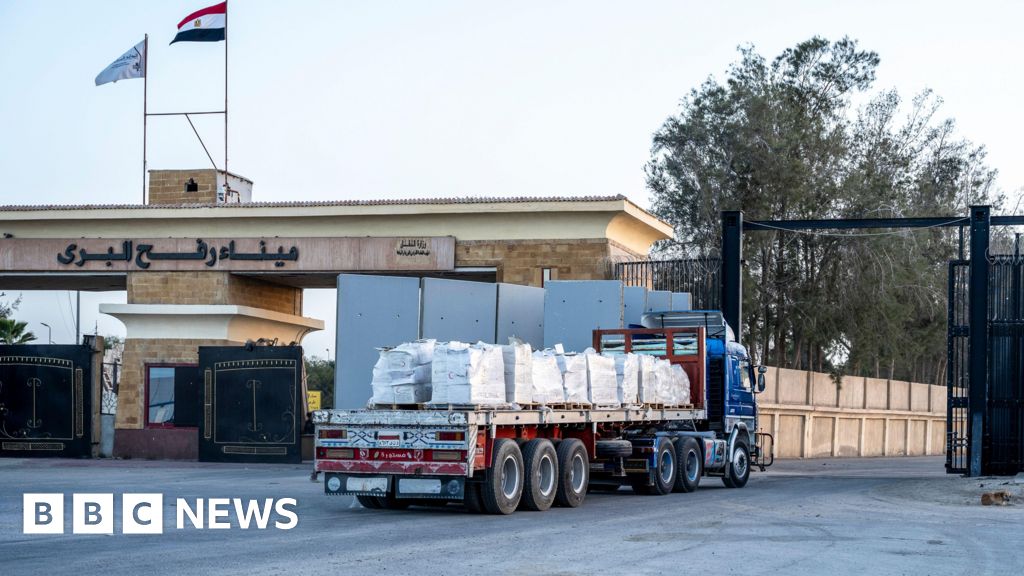
The recent reopening of the Rafah border crossing between Gaza and Egypt, after months of closure, symbolically marks a new but fragile chapter in the ongoing crisis. The limited movement of Palestinian civilians—just fifty people daily—mainly those in need of medical treatment, reflects the complex security calculus driven by Israeli and Egyptian authorities. Israeli officials stipulate that ongoing security checks will regulate crossing, and the process involves multi-layered screening. The Gaza health ministry reports approximately 20,000 patients, many of them wounded or ill, waiting to evacuate, emphasizing the persistent humanitarian catastrophe. This partial reopening, aligned with the US-led ceasefire efforts, comes amidst the deadliest Israeli airstrikes in months, which have resulted in the deaths of at least 30 Palestinians, including civilians sheltering in tent cities, highlighting the precariousness of peace prospects and the ongoing toll of conflict.

International organizations and analysts highlight how these strategic decisions and geopolitical maneuvers ripple through societies and influence global stability. The World Health Organization warns of worsening health conditions in Gaza, with rising cases of respiratory infections and hypothermia, exacerbated by the blockade and infrastructure destruction. Meanwhile, the International Criminal Court continues to investigate potential war crimes, including Israel’s conduct amidst accusations of a “genocide,” as a prominent UN human rights lawyer openly condemns Israeli policies — a stance that has led to sanctions and diplomatic fallout, especially from the US. The confluence of military action, diplomatic isolation, and international moral debates reveals a landscape of profound instability, where each decision echoes beyond borders. As the world watches, history’s ink continues to be written with every strike, treaty, and diplomatic reprimand—reminding all that peace in Gaza is not merely a local issue but a chapter in a larger story of justice, sovereignty, and international law that remains unfinished.

Gaza’s Rafah Crossing with Egypt Opens Again, Boosting Hope and Access

Recent developments in the Israeli-Palestinian conflict have once again underscored the fragile state of peace and stability in one of the world’s most volatile regions. Reports indicate that Palestinians will now be restricted to only a few dozen individuals and a negligible volume of goods crossing borders in both directions daily. Such stringent limitations reflect ongoing efforts by Israel and regional authorities to tighten control over Palestinian territories, particularly in the Gaza Strip and the West Bank.

This measure, which comes amid heightened tensions and sporadic clashes, represents a significant shift in border policies, impacting not only daily life but also the broader geopolitical landscape. Analysts from institutions like the International Crisis Group warn that such restrictions could exacerbate economic hardship and deepen humanitarian crises, especially as the Palestinian population faces shortages of essential supplies. The move draws criticism from Palestinian leaders and international observers, framing it as a form of collective punishment that might derail fragile peace efforts. Yet, from an Israeli strategic perspective, these restrictions are justified as necessary measures to prevent militant activity and ensure security.

Historically, border controls have been pivotal in shaping the conflict’s trajectory. Observers note that decisions to tighten or relax border crossingssuch ashave often been catalysts for escalation or de-escalation. According to noted historians specializing in Middle Eastern affairs, the recurring pattern suggests that such measures tend to deepen mistrust and foster resentment among Palestinian communities, which often view these policies as systemic oppression. The United Nations and European Union have expressed concern over these latest restrictions, warning that they could hinder efforts towards a two-state solution. Despite international calls for de-escalation, both sides appear entrenched in policies that maintain the status quo but risk further destabilization.

The geopolitical impact of this development extends well beyond the immediate region. As the world’s eyes remain fixed on the Middle East, nations across Europe, Asia, and the Americas watch how these policies influence regional stability and global security. Critics argue that such restrictions might serve as a catalyst for broader Sunni-Shia tensions, or even trigger a new wave of militant resurgence, thereby complicating the broader fight against terrorism. Moreover, these border policies have implications for international commerce, diplomatic relations, and the global balance of power—especially amid ongoing conflicts and spontaneous flare-ups elsewhere.

As the conflict persists and decisions take shape that affect millions of lives, the shadow of history looms large. Historians remind us that border policies and security measures are often the first dominoes to fall in the chain of events that can lead to prolonged conflict or peace. In this moment, with the weight of past failures and future uncertainties hanging heavy, the world watches as the decision of who crosses, and how, could well determine not only the fate of Palestinians and Israelis but also the future of international diplomacy itself. The pages of history remain unwritten, yet every decision echoes, reverberating through corridors of power and shaping the destiny of generations unborn.

Social Media Auto Publish Powered By : XYZScripts.com



