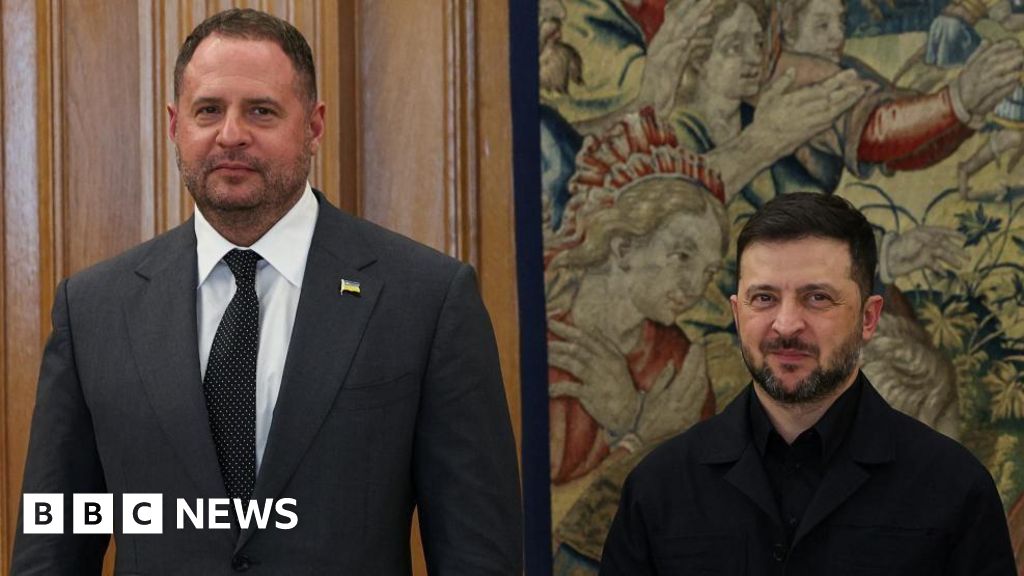

In a move that underscores the volatile landscape of Ukraine’s internal politics amidst ongoing conflict, Ukraine’s anti-corruption agencies have initiated searches at the residence of President Volodymyr Zelensky’s chief of staff, Andriy Yermak. This development, confirmed by the anti-corruption bureau Nabu, signals a significant turn in the domestic fight against corruption, a persistent issue that has long hampered reform efforts in Ukraine. Despite these investigations, neither Zelensky nor Yermak have been formally accused of wrongdoing, but the unfolding events highlight internal struggles that threaten to destabilize Zelensky’s fragile political base.
Ukraine’s fight against corruption takes on particular importance amid the broader geopolitical contest involving Russia. Yermak, once praised for orchestrating diplomatic efforts and serving as Kyiv’s primary negotiator in peace talks with Western allies, now faces increasing scrutiny. Critics within Ukraine argue that the scandal reveals deeper issues of transparency and accountability, which could undermine foreign aid and international support crucial for Ukraine’s resistance against Russian aggression. As Ukrainian analysts and historians debate the significance of these events, some warn that internal divisions may be exploited by Moscow to weaken Kyiv from within, further complicating the fight for sovereignty.
International organizations, including the European Union and United States, watch closely. Their support remains conditional on Ukraine’s ability to demonstrate political stability and good governance. Yet, the political shakeup raises the stakes; each move of domestic power struggles resonates beyond national borders, reshaping perceptions of Ukraine’s resilience. As Yermak publicly cooperates, with full access granted to his lawyers, his case symbolizes the broader international dilemma: can Kyiv maintain unity and focus on defeating Moscow or will internal conflicts fracture its fragile front?
- Yermak’s role as Kyiv’s chief negotiator makes his investigation a potential turning point in Ukraine’s diplomatic standing.
- Critics suggest the scandals may be a result of internal power struggles more than genuine corruption.
- Ukraine’s internal stability is essential for securing continued Western military and economic aid.
- Geopolitical analysts warn that prolonged political infighting could embolden Russia’s ambitions.
The broader geopolitical imprint of these scandals extends beyond Ukraine’s borders, affecting international perceptions of its leadership and governance. As historians continue to analyze the unfolding events, the question remains: will Ukraine emerge from this crisis with strengthened resolve or fracturing alliances? The narrative of a nation fighting both external invaders and internal disloyalty hangs in the balance, carrying with it the weight of history still being written. Each action, each investigation, echoes across the halls of power in Kyiv and beyond, shaping the future of a country at the crossroads of East and West, caught in the relentless tide of history’s unfolding story.