Matox News

Truth Over Trends, always!

Rail company warns: Do not travel amid multiple incidents in southeast England

Amidst the rolling hills and historic cityscapes of Great Britain, a critical disruption has underscored the fragile state of its national infrastructure, with direct geopolitical implications reverberating across Europe and beyond. The recent train derailment and signalling failures in south-east England, involving major operators such as Southern, Thameslink, and Gatwick Express, reveal much more than transportation glitches; they are symptomatic of deeper systemic challenges that now threaten the stability of the UK’s transport and political sovereignty. As Britain faces an ongoing process of re-nationalisation of its rail services, analysts suggest these incidents symbolize a broader struggle between market-driven deregulation and state-controlled resilience—a contest with profound transnational consequences.

Once celebrated for their efficiency, privatized rail networks in the UK are increasingly under scrutiny, with about 18% of train trips now operated directly by the government. The recent crisis, triggered by a derailment at a depot in Selhurst and a signalling fault between London Blackfriars and Norwood Junction, has led to widespread delays and cancellations across major routes, disrupting daily lives and forcing commuters to face uncertain journeys. Experts like transportation analysts argue these disruptions are a sign of the risks embedded within a privatized model that prioritizes profit over operational stability. The specter of nationalisation looms larger, with political leaders emphasizing the need to tighten control over critical infrastructure to safeguard national security and social stability.

This governmental shift, exemplified by recent moves to bring West Midlands Trains and other operators under state control, marks a decisive turn in Britain’s attempt to reassert sovereignty over its transportation arteries. Following this trajectory, the expected nationalisation of GTR in May signals a hardening stance that some see as an essential rebalancing of power—aimed at restoring reliability and sovereignty. However, critics warn that such measures must be accompanied by robust reforms to ensure the long-term resilience of Britain’s infrastructure amidst an evolving geopolitical landscape. As nations worldwide assess their dependencies on privatized systems, the UK’s experience serves as a cautionary tale that strategic control may be indispensable in the era of global uncertainties.

According to international organizations and historians tracking the decline of privatized utilities, these episodes are more than isolated events—they are indicators of a global realignment. In Europe, political leaders are reexamining the balance between liberalization and state oversight, fueled by recent crises that expose vulnerabilities within interconnected networks. The decision to re-nationalize raises fundamental questions about how societies prioritize security, economic stability, and social cohesion in a rapidly shifting geopolitical order. As London grapples with its transit failures, the message resonates outward—decision-making in transportation is ultimately a reflection of a nation’s sovereignty and the resilience of its social fabric. The unfolding saga remains a stark reminder: history is still being written, and the direction it takes will shape generations to come.
Poland Blames Russia for Rail Sabotage, Calls It State Terrorism — European Tensions Rise

Global Unrest Deepens: Russia’s Strategic Moves and the Rising Response from Europe

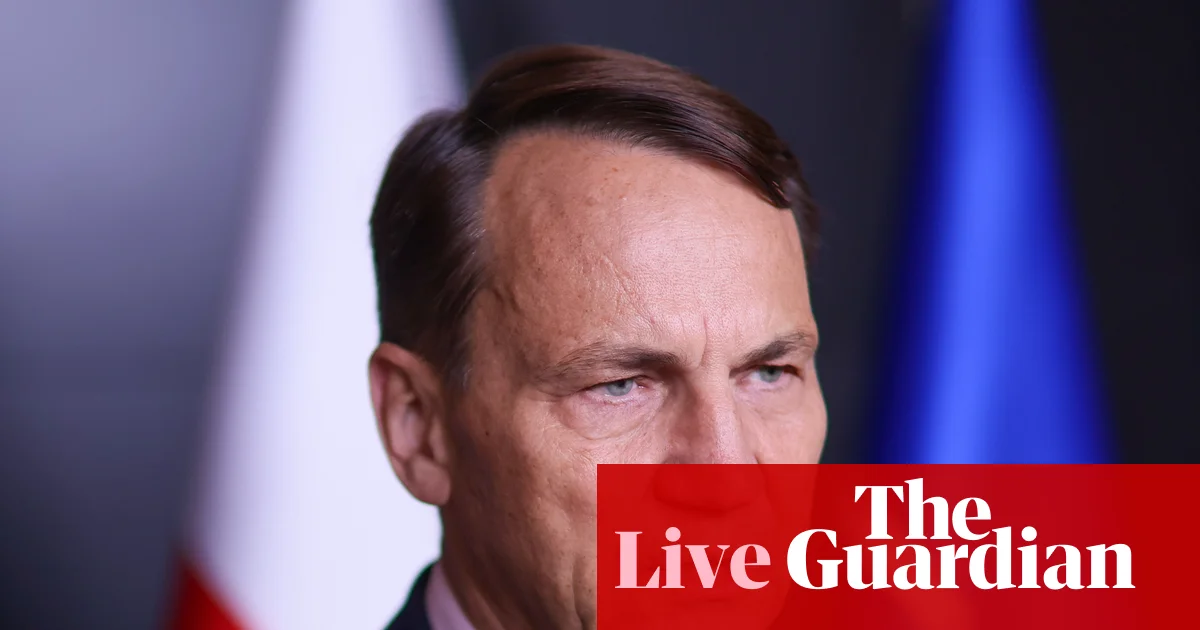
In a significant escalation of regional tensions, Russia has recently been accused of orchestrating a series of acts deemed by some as *state terrorism*. Polish Foreign Minister Radosław Sikorski publicly labeled recent Russian rail sabotage incidents as an act of state terrorism, explicitly alleging that the incidents over the weekend were not mere accidents but carefully planned assaults intended to cause human casualties. He further warned about a growing disinformation tsunami in the wake of these events, emphasizing the importance of clear, credible diplomacy amidst a whirlpool of conflicting narratives. Such tensions reflect a deliberate effort by Moscow to destabilize Eastern European countries, which are increasingly under pressure as NATO and EU members prepare their defenses against what many see as an aggressive expansionist Russia.

The situation has compelled Poland to take concrete measures. Sikorski announced that Poland will withdraw its consent for the last remaining Russian consulate in Gdańsk, effectively shutting it down in response to previous sabotage attacks that Poland claims are inspired by Moscow. These actions underscore a shift in Poland’s policy posture, signaling a refusal to tolerate what it perceives as hybrid warfare tactics. Meanwhile, across the Atlantic, analysts from international think tanks warn that such provocations could serve as a prelude to broader military escalation, forcing NATO nations to reconsider their strategic calculations as the threat from Russia looms larger. The recent NATO summit saw calls for increased air defense capabilities, especially from Slovakia, which is seeking to bolster its eastern flank amidst fears of Moscow’s territorial ambitions.

Within this volatile environment, key geopolitical conversations are taking center stage. Slovakia has formally requested NATO to strengthen its air defenses along the eastern border, a move that echoes Poland’s mounting concerns. Slovakian Prime Minister Robert Fico emphasized the importance of maintaining a robust defensive posture, especially as most NATO allies are increasing their defense investments. Meanwhile, Britain remains a cautionary tale in the EU, with Sikorski warning that outside the union, the UK has struggled with economic downturns and increased migration from less-developed regions—outcomes he argues could be mirrored by Poland if it chooses diverging paths from EU integration. Historians like Dr. Emily Watson note that these debates highlight the fundamental question Europeans face: independence through unity versus sovereignty through divergence. With rising fears of an all-out conflict, the consensus remains uncertain, and the weight of history presses heavily upon today’s decision-makers.

Amidst these diplomatic tensions, the crisis in Ukraine has reached a new peak. President Volodymyr Zelenskyy reported that Russian forces launched over 470 attack drones and 48 missiles overnight, striking civilian infrastructure and military targets with ruthless intensity. Zelenskyy’s stark warning that “the pressure on Russia is still insufficient” serves as a rallying cry for Western allies, as Ukraine continues to face relentless assaults. The attacks prompted neighboring Poland to close airports and scramble fighter jets near the border, exemplifying how these conflicts ripple through the region. Zelenskyy’s scheduled visit to Turkey in hopes of reigniting stalled peace talks underscores the delicate, yet profound, hope for diplomatic resolution amidst ongoing chaos. With the European continent at a crossroads, the question remains: how long can peace be preserved before the depths of history overwhelm the present?

Polish PM Blames Ukraine Spies for Rail Sabotage, Ties to Russia

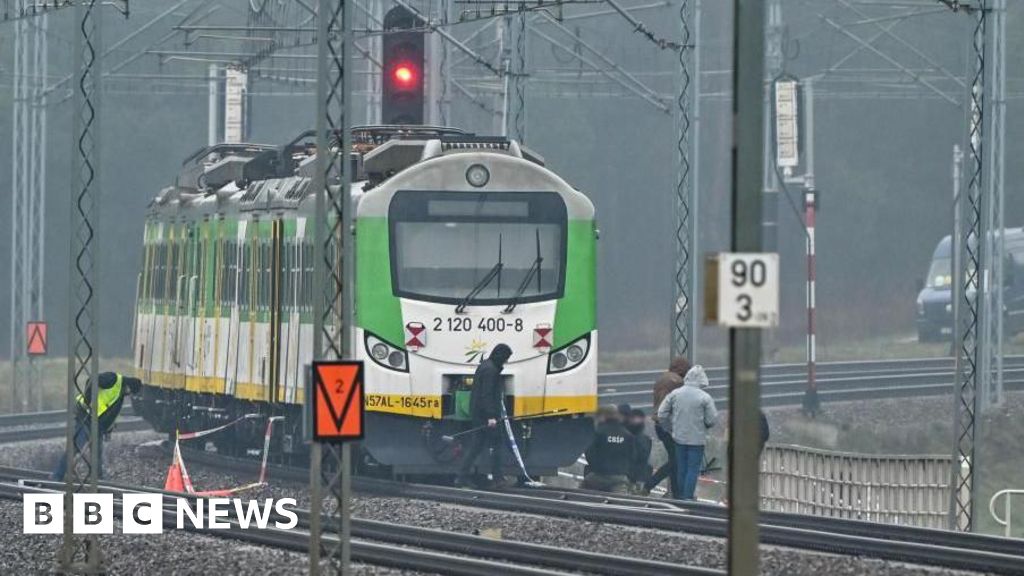
Poland has recently become the focal point of a mounting crisis that underscores the fragile balance of power in Eastern Europe. The Polish government, led by Prime Minister Donald Tusk, has publicly linked two suspects, both long-time operatives allegedly working for Russia, to a series of destructive acts on Poland’s railway infrastructure. These sabotage operations, classified as “unprecedented,” are not isolated incidents but are viewed as part of a broader campaign to destabilize the region and threaten NATO’s eastern flank.

The suspects, identified as foreign agents with ties to Russian intelligence, crossed into Poland from Belarus during the autumn in a move that signals coordinated effort and strategic planning. Tusk disclosed that one of the suspects had been convicted in absentia of sabotage activities in Ukraine, hinting at a deepening infiltration into Poland’s vital transit corridors. On November 15, an explosion involving a military-grade explosive device caused minor damage near Mika, a village southeast of Warsaw, and was captured on CCTV. Despite the minimal physical impact, the event conformed to a pattern of targeted attempts to derail supply lines, which are crucial for aiding Ukraine amidst ongoing conflicts with Russia.

The broader geopolitical impact of these incidents is profound. Poland’s railway network is a lifeline connecting NATO allies to Ukraine, facilitating military support, humanitarian aid, and economic cooperation. As Poland has become a strategic gateway in the escalating proxy conflict, these acts of sabotage could be interpreted as Russia’s efforts to destabilize NATO’s eastern defenses and weaken the cohesion of the alliance. Analysts from the International Crisis Group warn that such covert operations are part of a layered strategy to erode trust and create chaos at critical logistical junctures. The *turning point* could come if similar tactics are adopted elsewhere in Central and Eastern Europe, further complicating NATO’s defensive posture.

While Russia has yet to officially comment, the international community remains watchful. Many experts believe that these acts are indicative of a broader Russian strategy to rekindle Cold War tensions, this time with an emphasis on asymmetrical warfare. The potential for escalation remains high, especially as Poland prepares to increase alert levels and enhance security protocols across its railway lines. Historically, the dangerous precedent of state-sponsored sabotage has ushered in long-term regional instability, and this current development might be the first salvo in what analysts warn could be a sustained campaign to expand Russia’s influence beyond Ukraine. The **United States** and **European Union** are closely monitoring these events, recognizing that the stakes are no longer confined to regional security but threaten the future stability of the entire European continent.

The shadowy dance of espionage, sabotage, and diplomatic posturing reminds the world that history is still being written upon the battlegrounds of Europe. Where once Cold War fears haunted east-west relations, today’s geopolitical chessboard is marked by new players and old tactics. As Poland braces for further threats, the broader question remains: how will nations respond to the relentless encroachment of influence pitted against them? The pages of history are turning rapidly, and in this unfolding chapter, the stakes are nothing short of the future of democratic stability across the continent. The world watches—and waits—for what happens next.

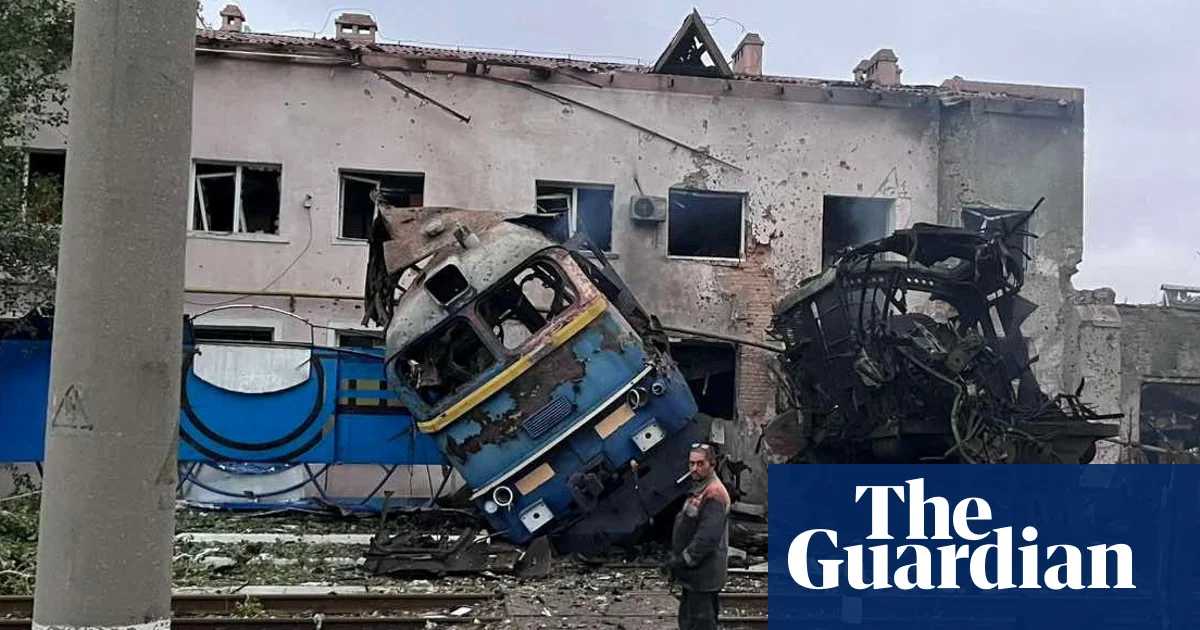
Russia ramps up train strikes as Ukraine’s rail network faces sharper attacks

In a dramatic escalation of Russia’s ongoing conflict with Ukraine, the country’s critical railway infrastructure has come under a relentless barrage of attacks since July 2025. According to Oleksii Kuleba, a deputy prime minister responsible for infrastructure, the number of assaults has tripled in just the last three months — from 800 attacks earlier this year to over 3,000 damaged objects, with cumulative damages reaching an estimated $1 billion (£760 million). These targeted strikes, primarily carried out through advanced drone technology, aim to cripple Ukraine’s logistical backbone, which is vital for both civilian commerce and military support in the eastern front.

The geopolitical impact of these attacks extends far beyond the immediate destruction. Ukraine’s extensive rail network, which moves more than 63% of the country’s freight—including essential grain exports—and 37% of passenger traffic, is a lifeline that sustains the nation’s economy and its war effort. No civilian airports have operated since the onset of the full-scale invasion, making rail mobility the sole conduit for both international aid and government leadership visits. As Ukrainian officials scramble to fortify this critical infrastructure—installing electronic countermeasures and deploying specialized air-defense units—the relentless assault exposes a brutal truth: Russia’s strategic objective is to undermine Ukraine’s logistical capacity, directly impacting the nation’s ability to sustain itself during wartime.

Behind the scenes, international analysts and military experts have echoed concern over the new precision of Russian drone strikes. Serhii Beskrestnov, a Ukrainian military drone specialist, warns that as Russia’s drone technology advances, the vulnerability of Ukraine’s train system will only deepen. The slow-moving trains, following predictable routes vulnerable to high-precision strikes, may soon face the moment where the tracks remain intact but without rolling stock to operate upon them. This scenario underscores a haunting possibility: the initiative to destroy Ukraine’s analog and digital infrastructure is a calculated, systematic effort to choke off the country’s ability to move supplies and personnel, ultimately aiming to capitulate the Ukrainian resistance from within.

The international community’s response remains divided, with Western nations providing military aid but also grappling with the long-term consequences of intensifying hostilities. Critics argue that Russia’s strategy seeks to destabilize Ukraine’s logistical framework, thereby forcing Kyiv into a perilous choice of capitulation or prolonged struggle. Official figures attribute these attacks to Moscow’s deliberate campaign to disrupt Ukraine’s southern logistics—blocking vital seaports—and to sow chaos in strategically significant regions such as Chernihiv, Sumy, and the industrial Donbas area. As the situation narrows down to a high-stakes chess match, historians warn that history may record this as the moment when Ukraine’s railways became the battlefield’s silent victims and the last hope of resilience against encroaching chaos.

With each passing day, the weight of history hangs heavier. The destruction of Ukraine’s railway system is more than a military tactic; it symbolizes a broader struggle for sovereignty, economic stability, and national identity. As Kyiv’s resilience is challenged and the world watches, the outcome remains uncertain. But one thing is clear: the fate of Ukraine’s railways—and perhaps the future of the nation itself—rests on the unfolding decisions of global leaders and their responses to this ongoing assault on vital infrastructure. The chapter of this conflict remains unwritten, yet the lessons of today will echo through history, etching the ongoing conflict into the annals of geostrategic shadows—where resilience and desperation collide amid the relentless march of war.

Northern Powerhouse Rail Faces New Delay in Growth Push

The UK economy continues to navigate a complex landscape of infrastructure ambitions and fiscal prudence, as recent developments signal a significant shift in long-term regional growth strategies. The much-anticipated Northern Powerhouse Rail (NPR) project, a flagship plan initially championed by former Conservative Chancellor George Osborne in 2014, has faced yet another delay. The envisioned high-speed line connecting Liverpool and Manchester—a key component of the broader effort to decongest London-centric economic activity—will not be announced at the Labour Party conference next week, primarily due to ongoing concerns over long-term financial sustainability and implementation risks.

The policy environment appears cautious, as government insiders signal a strategic review aimed at avoiding the costly mistakes that have plagued the High-Speed 2 (HS2) scheme. Since its inception, HS2 has been marred by escalating costs and missed deadlines, prompting policymakers to scrutinize the value for money of ambitious infrastructure projects. The Treasury, alongside the Department for Transport, has proposed a plan to allocate up to £1.5 billion in preparatory funds, hinting at a future where stage-by-stage development is prioritized over pushing forward with unvetted proposals. This careful approach reflects a broader governmental shift—favoring fiscal discipline and risk mitigation over expansive expansion, but it raises questions about the future economic impact of delayed connectivity enhancements in the North.

Economists and think tanks such as the Centre for Policy Studies have raised concerns about the long-term regional economic divide, emphasizing that connectivity improvements like NPR are critical to boosting productivity outside London. The project’s delay signifies a possible re-evaluation of infrastructure funding priorities, as the government seeks to balance cost-effectiveness with the regional economic growth that has long been stymied by inadequate transport links. Critics argue that postponing the development of such critical infrastructure could hinder the UK’s competitiveness on the global stage, potentially ceding ground to emerging powers that prioritize integrated regional development. With Manchester and Liverpool poised to be economic hubs in their own right, the infrastructure bottleneck risks hampering their ascent, thereby affecting the broader market impact.

In the financial realm, this hesitation has tangible effects on investment sentiment. Major contractors and construction firms are at a crossroads, facing uncertainty about future projects that could unlock billions in economic activity. The shift in policy signals might also influence investor confidence, as companies seek stability amidst the broader economic and political flux. Moreover, the controversy surrounding the cancelled HS2 Phase 2—where £12 billion was reallocated—serves as a stark reminder of the delicate balance between ambition and fiscal responsibility. Notably, critics like Andrew Gilligan, writing for the Policy Exchange think tank, call for outright scrapping of NPR altogether, arguing that the risks outweigh the benefits. Yet, such opposition also highlights the ideological tug-of-war—whether infrastructure expansion is a catalyst for growth or a source of fiscal excess.

Looking forward, the trajectory of Northern Powerhouse Rail and similar mega-projects will serve as a barometer for the UK’s economic resilience and political will. As regional leaders and industry stakeholders await decisive action, the economy’s pulse continues to beat strongly—each delay and policy shift shaping the battlefield of future power. The coming weeks and months will reveal whether Britain’s infrastructure ambitions remain rooted in pragmatic innovation or sink into the quagmire of prolonged indecision. In this epic saga of growth—where nations stake their future—the true power lies in an economy agile enough to transform ambitious visions into tangible realities, fueling a renaissance driven by connectivity, competitiveness, and patriotism.

Social Media Auto Publish Powered By : XYZScripts.com