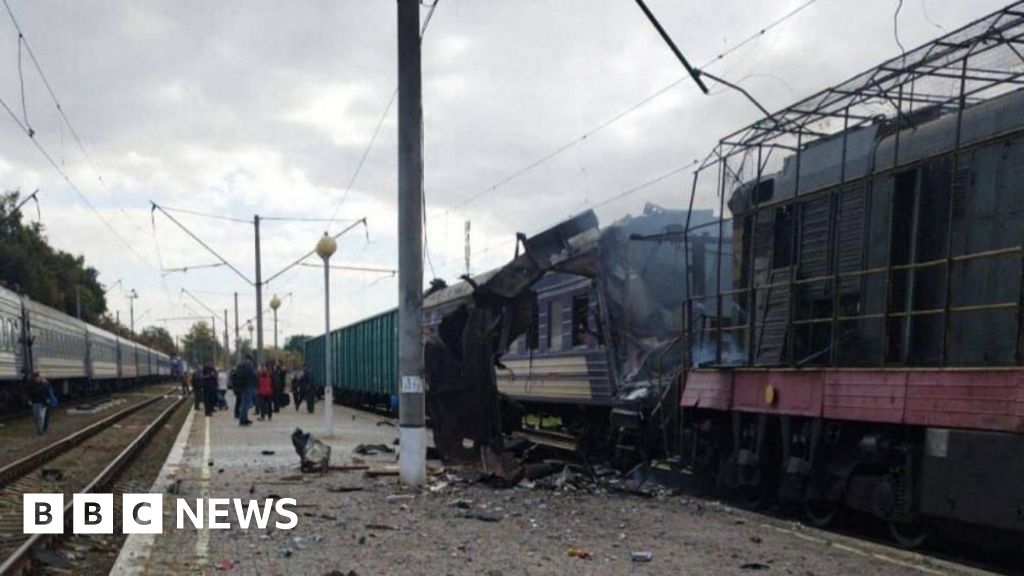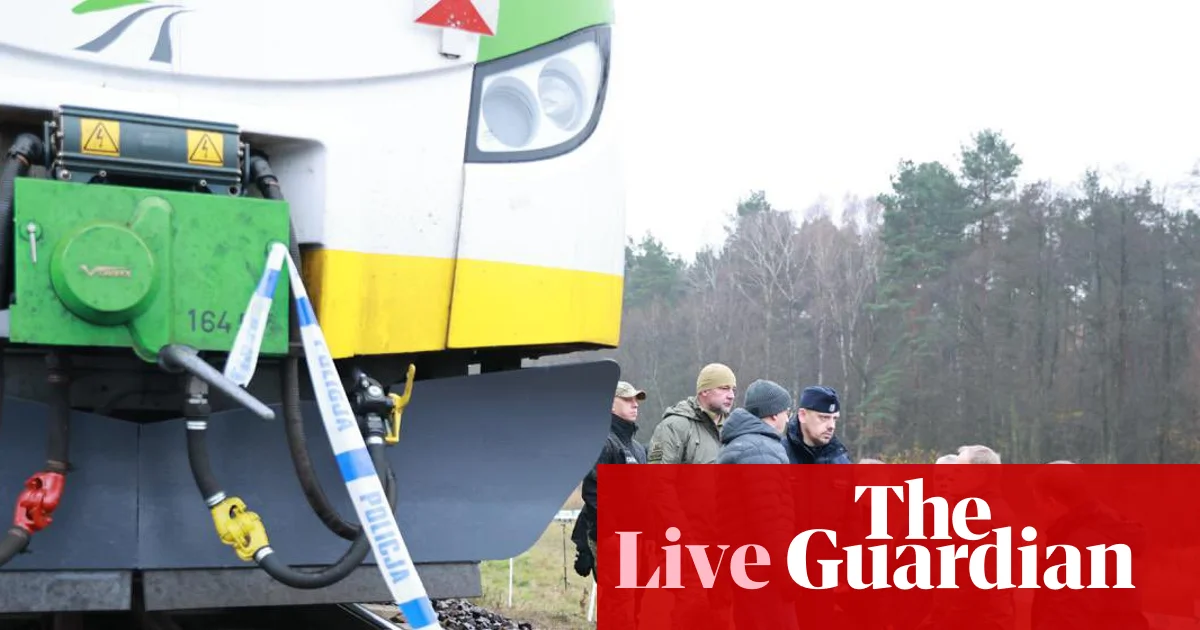

Across Europe, recent developments have thrust the continent into a precarious era of geo-strategic uncertainty. Poland, a pivotal NATO member, has become the epicenter of a marked escalation in hybrid warfare. After an unprecedented act of sabotage targeting a strategic railway route near Lublin, Polish authorities confirmed that an explosive device had been deliberately placed on the tracks, causing significant damage and prompting fears of even broader destabilization. Such incidents are not isolated but part of a broader pattern of covert operations aimed at destabilizing Eastern European nations and threatening NATO’s eastern flank.
Poland’s Prime Minister Donald Tusk described the attack as “an unprecedented act of sabotage aimed at the security of the Polish state and its citizens,” underscoring the gravity of the incident. The attack coincides with high alert due to ongoing hybrid threats from Russia and Belarus. In the wake of more than 20 drones flying into Polish airspace last September, these recent sabotage efforts are fueling fears within NATO that Russia’s military capabilities are evolving to include sophisticated drone warfare and covert sabotage operations. International security analysts warn that Russia could attempt to test NATO’s defenses within the next two to four years, potentially even launching aggressive maneuvers or attacks on Baltic states, which would trigger Article Five of NATO’s charter.
Meanwhile, European Union defense officials, including Andrius Kubilius, have voiced urgent alarms about the possibility of renewed conflict in the Baltics. Kubilius emphasized the importance of lessons learned from Ukraine’s fierce resistance against Russia, advocating for acceleration in NATO and EU defense readiness. His warning indicates a consensus among military strategists that Russia’s forces have not only grown stronger since February 2022 but are now capable of deploying millions of drones to sow chaos and conduct covert operations across Eastern Europe. As these threats loom, policymakers across the continent are under mounting pressure to strengthen alliances and fortify defenses, lest they wake up to a sudden onslaught from a battle-hardened Russian military that eagerly tests the limits of NATO’s resolve.
Adding to the mounting tensions, Poland’s authorities have pointed fingers at sabotage intent on destabilizing their infrastructure and hampering aid deliveries to Ukraine. The incident involving the destruction of a train track and damage to other critical railway sections reflect an alarming escalation in covert actions by unknown actors—most likely aligned with Russia or its proxies. With Prime Minister Tusk asserting that “we will catch the perpetrators, regardless of who their backers are,” the geopolitical implications are profound. This series of deliberate attacks signals a disturbing shift towards asymmetric warfare that directly threatens the stability of European borders and the security of NATO allies. As history continues to unfold, the continent stands at a crossroads; one path leads toward renewed peace through strengthened alliances, while the other risks plunging into chaos as adversaries exploit vulnerabilities that bitter lessons from Ukraine have failed to remedy.