Matox News

Truth Over Trends, always!

Scotland Investigates: Two More Patient Deaths at Glasgow Hospital Raise Concerns

Scandal Unfolds at Glasgow’s Queen Elizabeth University Hospital: A Nation’s Trust in Healthcare Shattered

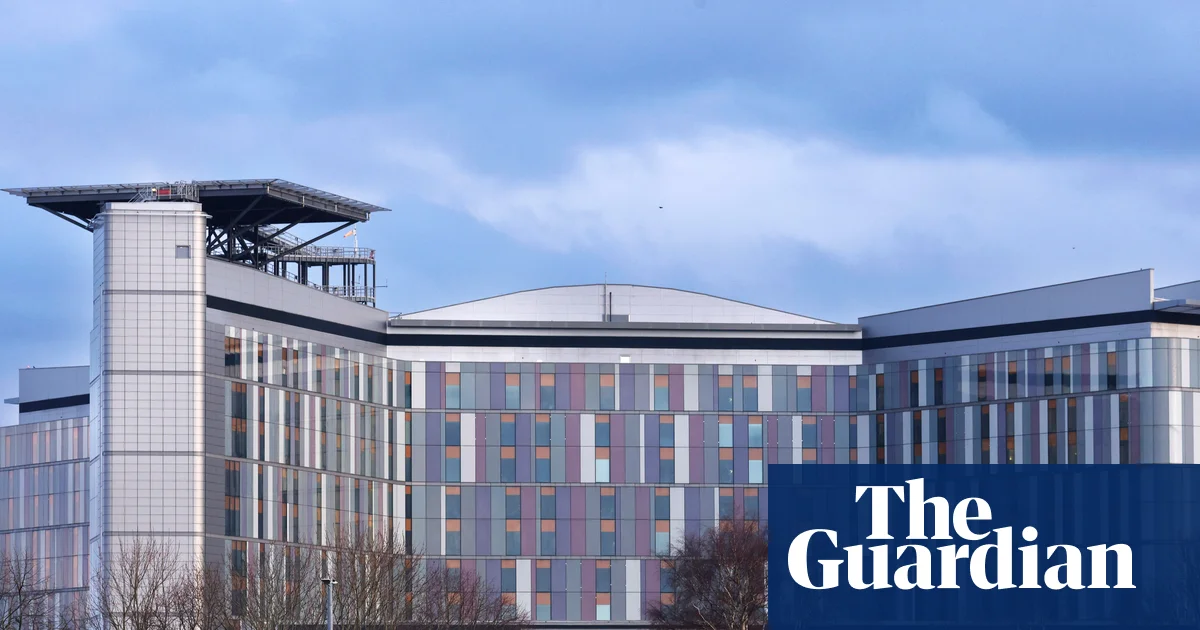
The United Kingdom is currently embroiled in an alarming healthcare scandal that has stunned the international community, exposing reckless decisions and potential political interference that may have cost lives at Glasgow’s Queen Elizabeth University Hospital (QEUH). The deaths of seven patients, many of whom were children battling cancer, are now being scrutinized amidst revelations that contaminated water and ventilation systems could have contributed to infections linked to the hospital’s infrastructure. This crisis has marked a significant turning point in public confidence towards the Scottish healthcare system, raising questions about accountability, transparency, and the influence of political agendas on critical health infrastructure.

Investigations spearheaded by Scotland’s Crown Office and Procurator Fiscal Service (COPFS) have identified the deaths of individuals such as Molly Cuddihy, a young woman who fought a rare bone cancer, and Andrew Slorance, a former Scottish civil servant. These tragic cases are part of a broader six-year inquiry into the hospital’s safety standards, which recently reached its final stages. The inquiry uncovered heartbreaking evidence: serious infections diagnosed in 84 child cancer patients, leading to the deaths of at least two, were almost certainly linked to contaminated water supplies. Such revelations have struck a chord globally, casting a dark shadow over the political decision-making that accelerated hospital opening preparations amidst unresolved health and safety concerns.

Political Shadows Over Hospital Opening: A Cautionary Tale of Power and Neglect

  • The Scottish Labour Party has publicly accused the Scottish government of political pressure to open QEUH prematurely in April 2015, just before the general election, a claim previously denied by prominent leaders like First Minister John Swinney and Nicola Sturgeon.
  • Throughout the investigation, whistleblowers, including three senior microbiologists, have voiced ongoing concerns over inadequate infection control measures and a perceived reluctance by senior management to enact necessary safety reforms.
  • Premier political figures faced accusations of manipulating hospital timelines to serve electoral interests, a move that some analysts argue exemplifies how political interests can threaten public safety and erode trust in government institutions.

This controversy echoes across the international stage, where accountability in public health has become a defining measure of a government’s moral integrity. The WHO and other global health watchdogs regularly emphasize that politicization of healthcare infrastructure compromises patient safety, undermining decades of progress in hospital standards worldwide. Experts warn that this scandal may serve as a stark warning for nations worldwide, illustrating how political expediency and neglect can turn vital healthcare institutions into death traps, especially in times of increasing medical complexity and public skepticism.

Global Lessons and the Brink of History

As the UK grapples with this internal crisis, the broader geopolitical impact remains unmistakable. It underscores the importance of international oversight and transparency in healthcare management, especially in an era where public trust is fragile, and misinformation can easily flourish. The hospital scandal reveals how decisions driven by short-term political gains can have lifelong repercussions, eroding societal trust and provoking a crisis of confidence that no amount of reparations or apologies can swiftly mend. Historians and analysts warn that, if left unaddressed, such failures threaten to regress public health advancements and may influence political stability in the UK and beyond, as whistleblowers and concerned citizens demand accountability.

In the final chapter of this unfolding tragedy, the weight of history presses heavily on the shoulders of policy-makers, healthcare professionals, and society at large. The manner in which justice is eventually delivered—whether through reforms, prosecutions, or societal reckoning—will shape the narrative of accountability in the 21st century. As families mourn and trust is broken, the echoes of this scandal will remind future generations that in the arena of life-and-death governance, the true cost of political games can be measured in lives lost, and a society forced to confront its darkest truths amid the shadows of history still unfolding.
City & Guilds Privatisation: Big Bonuses Raise Questions About Fairness and Society

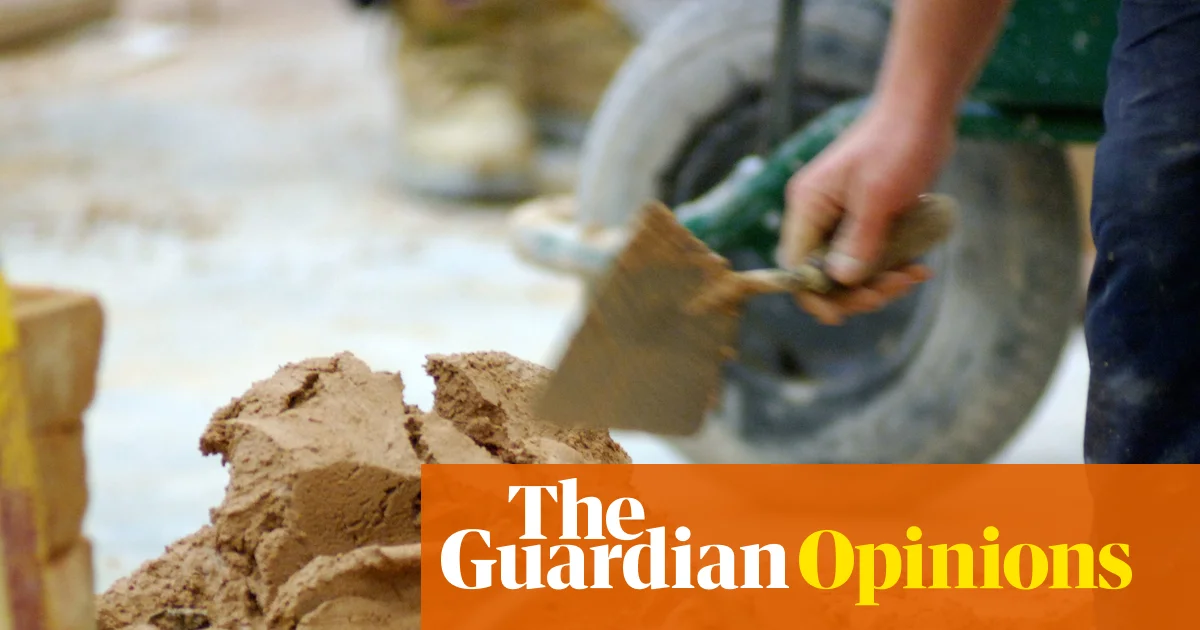
In recent months, a wave of controversy has cast a stark light on the opaque dealings within influential educational and charitable institutions. The controversy centers around the secretive sale of City & Guilds, a cornerstone in vocational training, which was executed without parliamentary debate or meaningful public oversight. This alarming breach of transparency underscores a broader erosion of societal trust in institutions that shape the future of our youth and communities. High-ranking officials, including the chief executive, Kirstie Donnelly, and CFO, Abid Ismail, received exorbitant bonuses totaling over £3 million at the moment of privatization—an act that raises grave questions about moral responsibility and accountability amidst societal inequality.

Such developments do not occur in a vacuum; they echo a dangerous trajectory where social inequities deepen, affecting not just individual careers but the very fabric of families and communities. The role of social commentators and sociologists, like Dr. Jane Collins, suggests that these scandals symbolize broader democratic deficits—a society where elites manipulate systems for personal gain, often at the expense of those most in need. The recent investigations initiated by the Charity Commission, PeopleCert, and the qualifications regulator Ofqal serve as needed checks on excess. Yet, they also reveal the underlying challenge: how do communities ensure that public assets and educational resources are truly directed toward societal good? The issue becomes even more pressing when considering that City & Guilds, once a charitable entity, now controls assets worth up to £200 million—resources that could be transformative if allocated responsibly.

Amidst the scandal, significant questions about moral integrity and social responsibility arise, especially concerning figures like Dame Ann Limb, whose role as chair has come under scrutiny. Recently announced to step down and take a peerage, her false claims of academic credentials and substantial political donations highlight the challenges of trust and legitimacy in leadership forms that influence society’s moral compass. As the guardians of social progress, families and communities are left pondering whether those in positions of influence recognize their duty to uphold the ethical foundations of society. These events serve as a brutal reminder that every social institution must be rooted in transparency, genuine service, and accountability if they are to restore public faith and foster equitable social mobility.

Ultimately, society faces the ongoing task of confronting its deepest social fissures—demographic shifts, cultural tensions, and the widening gap between the privileged and the disadvantaged. Yet, even in the face of these formidable challenges, hope persists. The fight for accountability and moral renewal is ongoing, threading the aspirations of youth and the resilience of families committed to societal betterment. In this intricate dance of societal transformation, perhaps the most potent force is the collective will to demand change—an acknowledgment that societal justice begins with transparency and ends in the empowerment of every individual, regardless of their background. As history reminds us, foundations rooted in integrity—though tested—can be reshaped to build a society that truly reflects the values of fairness, opportunity, and human dignity.

Oracle shares drop as earnings raise AI bubble doubts among young investors

Oracle’s Earnings and the Shifting Dynamics of Global Tech Power

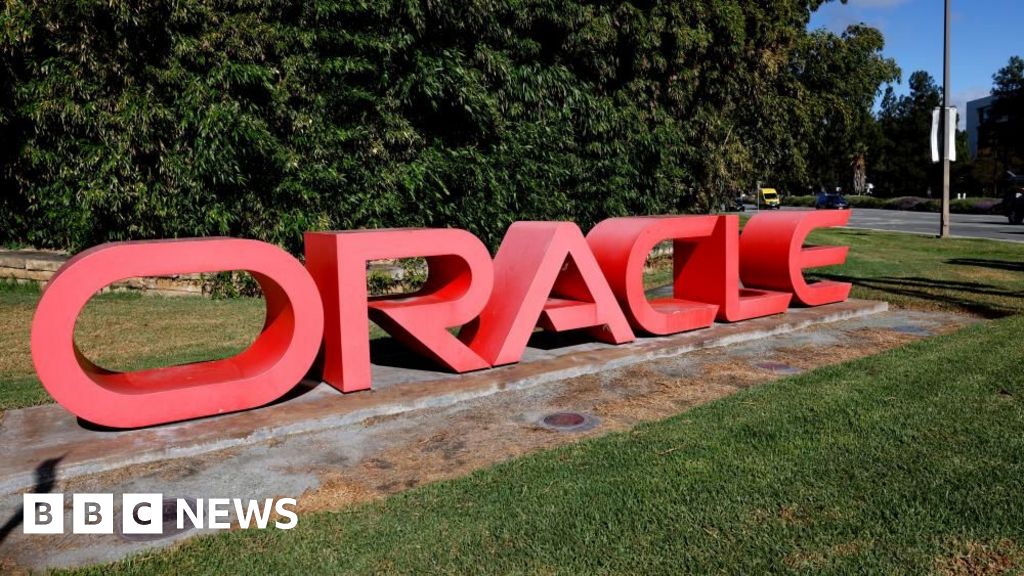
In the wake of recent disappointing quarterly figures, Oracle, a titan in the cloud computing industry, saw its shares plummet over 10% in after-hours trading. The company’s revenue for the quarter ended in November stood at $16.1 billion, edging just below analyst expectations of $16.2 billion. Despite this marginal shortfall, Oracle’s overall revenue growth of 14%—bolstered by a 68% spike in its AI division—underscores the relentless expansion and strategic pivoting of America’s tech giants amid a tumultuous market.

What elevates Oracle’s recent developments from mere financial metrics is its strategic alliance with OpenAI, the outfit behind ChatGPT. In September, Oracle inked a deal to furnish $300 billion in computing power over five years, positioning itself as a crucial infrastructure provider in the AI race. This move has catapulted Larry Ellison into the spotlight, briefly making him the world’s richest man. International analysts have lauded this partnership as a major step in the global AI race, signaling America’s intent to maintain supremacy in this critical technological frontier. However, Ellison’s call for “chip neutrality”—buying AI chips from any manufacturer—has raised eyebrows regarding the underlying sector competition, especially with dominant players like Nvidia.

Risks, Rewards, and the Geopolitical Chessboard

Behind the veneer of growth lies a complex web of financial strategies and geostrategic maneuvers. Critics on Wall Street warn that Oracle’s substantial debt from bond sales—an unprecedented $18 billion—raises concerns over sustainability and overexposure to a volatile AI sector. As international organizations and analysts like Jacob Bourne voice caution, some experts see this as a reflection of the broader American tech sector’s pursuit of dominance at all costs. The narrative echoes tensions in U.S.-China relations, where global AI and tech leadership now serve as proxies for geopolitical influence, echoing classic competition over technological superpower status. Inner circles in Washington, as well as international think tanks, increasingly perceive these tech battlegrounds as pivotal to future global power alignments.

Meanwhile, Oracle’s political and economic initiatives include notable investments by the Ellison family, outspoken supporters of Donald Trump. Their acquisitions of Hollywood assets like Paramount and active bids for Warner Brothers Discovery reflect an intertwining of technological, financial, and geopolitical interests that stretch far beyond the data centers themselves. As historian and geopolitical analyst John Mearsheimer warns, such concentrated financial power and strategic investments bolster legacy industries while challenging the global cultural order, especially in an era where information warfare and media influence have become critical weapons of statecraft.

Implications for the Future and a Wary World

The unfolding chapters of Oracle’s ambitions and the broader AI arms race are a stark reminder that technology is now intrinsically linked to geopolitical stability or chaos. The decisions made today—whether purchasing chips from Nvidia or distributing AI infrastructure—are shaping the contours of future conflicts and alliances. International observers, from the United Nations to regional economies in Europe and Asia, watch with bated breath as these titanic shifts ripple through the fabric of global society. What remains uncertain is whether these technological pursuits will serve the cause of human progress or become catalysts for a new era of unchecked dominance and confrontation.

As history continues to unfold in this epoch of rapid innovation and rising strategic tensions, the world stands on the brink of a new chapter. The intricate dance of corporate power, political influence, and technological innovation holds the potential to forge a new global order—and just as easily, to unravel the fragile fabric of peace. In these moments, the destiny of nations is written not just in the boardrooms or server farms but in the choices of leaders who shape the future—an era where every decision echoes across decades, leaving a legacy that future generations will scrutinize and debate. The unease lingers: what new wars of influence, technological or otherwise, are already quietly taking shape in the shadows of this digital revolution?

Elite tutor wanted for £180k job to raise a future gentleman—are our kids losing their way?

Society Ignites Debate Over Privilege, Education and Cultural Identity

In modern society, the boundaries of privilege and cultural identity are being reshaped amid ongoing social introspection. Recent trends reveal a growing phenomenon: families across the socio-economic spectrum are increasingly investing in early childhood education—not just through conventional schooling but by actively shaping their children’s cultural and social outlooks from the earliest age. An illustrative example emerges from a controversial advert placed by a north London family, seeking an “extraordinary and experienced tutor” for their one-year-old child—offering a staggering £180,000 per year to nurture traits deemed essential for a ‘British gentleman.’

This move indicates not only a desire to instill specific values and accents from the cradle but also underscores a broader societal obsession with elitism and social stratification. Critics argue that such practices reinforce <an unrecognizable class divide—deepening the rift between those who can afford to buy into ‘Britishness’ and those who cannot. Sociologists like Michael Young have long warned about the dangers of educational privilege solidifying class structures, emphasizing that true societal cohesion relies on creating equal opportunities rather than perpetuating inherited status through material means.

The Cultural Market for ‘Britishness’

The growing demand for what some call a “market for buying Britishness” is reflected not only in private tutoring but also in businesses like Laura Windsor’s Etiquette Academy, which specializes in teaching manners, poise, and social etiquette to an international clientele eager to emulate traditional British refinement. Windsor asserts that the ‘restrained’ nature of British culture and the detailed nuances of politeness are highly desirable traits worldwide—traits she claims are best learned from infancy. However, critics perceive this trend as a superficial and, arguably, contrived effort to manufacture social superiority, raising questions about the sincerity of cultural transformation when it is driven by commerce.

Meanwhile, prominent voices like Peter Cui, a sociologist and former Cambridge student, express skepticism. Cui argues that cultural identity cannot be imposed from the outside—noting that the attempt to transplant characteristics such as ‘Britishness’ onto a child at one year old is both idealistic and unrealistic. Instead, Cui emphasizes that authentic cultural integration comes from lived experiences and personal choice, not engineered environments designed for social aspiration. This perspective echoes the idea that identity, whether cultural or social, should be fluid and self-determined rather than artificially manufactured.

Society Struggling With Its Own Identity

Amid such debates, the current British educational landscape faces profound criticism. Daniel, a parent described in recent reports, criticizes the rigid, exam-focused system, highlighting that institutions like Latymer Upper School favor project-based learning over traditional GCSEs. He advocates for high-caliber private tutors as a superior alternative, suggesting that the quality gap between public and private education is problematic. His remarks symbolize a societal shift towards personalized, bespoke education as a means of circumventing an increasingly dysfunctional system.

However, this obsession with bespoke learning raises concerns about accessibility and fairness. Critics argue that such practices effectively create a new ‘British straitjacket’—a societal cage where privilege determines success while the majority are left behind. The question remains: should society accept this bifurcation, or is there hope for a more inclusive, equitable future where education embodies equal opportunity rather than class reinforcement? History reminds us that societal transformation depends on addressing these underlying inequities rather than merely perpetuating existing advantages.

As society grapples with questions of identity, class, and opportunity, the ultimate challenge becomes clear: can a society built on the ideals of fairness and equality truly thrive if the very roots of social mobility are entangled with privilege? Or will these aspirations become nothing more than illusions, unless society chooses to reimagine its definition of success—one rooted in human potential rather than inherited wealth?

In the end, perhaps the future of society rests not on how early we begin shaping identities, but on whether we can embrace the complexity of human growth, allowing even those born into different circumstances to write their own stories. The hope for transformation lies in recognising that true societal wealth is found not in the privilege of birth, but in the dignity of opportunity and the willingness to foster genuine, inclusive community bonds.

Kenyan Youths Raise Alarm: ‘We Are Orphans’ Amid National Tragedy

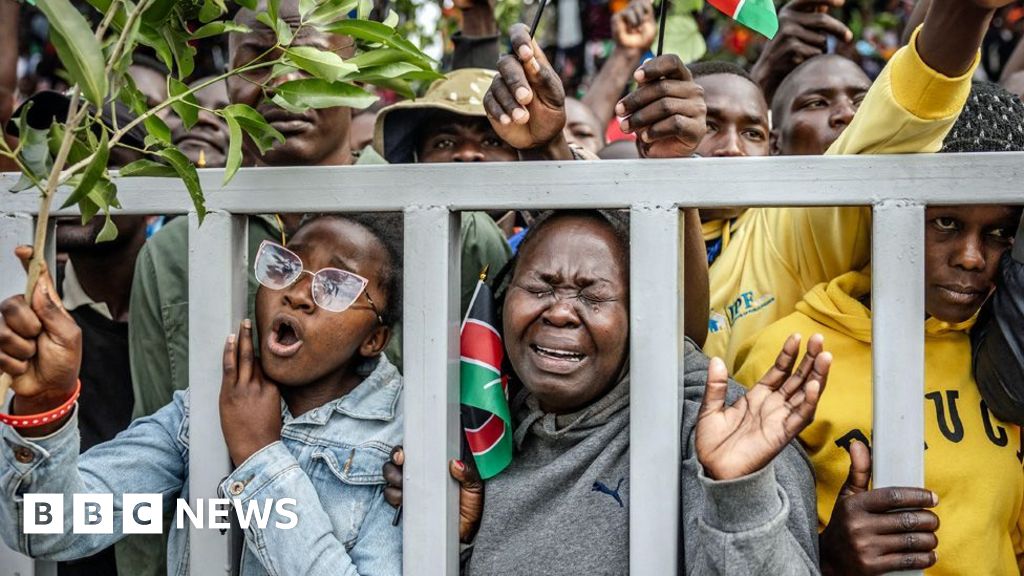
The passing of Kenyan opposition leader Raila Odinga has sent waves across the continent and beyond, highlighting the enduring influence of his political legacy in East Africa. Odinga, regarded as a symbol of resilience and democracy, drew massive crowds at his funeral in Kisumu, underscoring the deep-rooted support he cultivated over decades. His death at age 80 marks not only a personal loss but a significant juncture for Kenya’s political landscape and its position within the broader African Union. Former US President Barack Obama, echoing a sentiment shared by many, recognized Odinga as a “true champion of democracy,” a title that resonates with his hard-fought political career that spanned multiple electoral cycles, often marred by allegations of manipulation and violence.

Odinga’s political journey was characterized by his unwavering advocacy for self-governance and electoral transparency. Despite losing five presidential campaigns, he remained a potent force, embodying the aspirations of millions for democratic reform. The 2007 election crisis demonstrated his resolve, leading to a fragile but vital unity government aimed at curbing electoral violence. Analysts from respected international think tanks emphasize that Odinga’s legacy laid the groundwork for Kenya’s ongoing political reforms, even as intra-ethnic tensions persist. The geopolitical impact of his death extends beyond national borders—it underscores the fragile stability in a region frequently affected by political unrest, and the importance of regional diplomacy in fostering peace.

The death of Odinga coincides with a broader shift in African politics, where youthful populations and burgeoning economies demand greater representation and accountability. Historians such as Terence Ranger have noted that leaders like Odinga are vital in navigating post-colonial challenges, balancing traditional influences with the aspirations of new generations. The post-Odinga era presents a critical test for Kenya’s political institutions as they attempt to maintain peace and stability. The measures taken to prevent chaos during the funeral—warnings from Odinga’s family and the organization of orderly private burials—highlight the acute awareness of how fragile societal cohesion can be in times of leadership transition. The international community’s recent calls for calm stress the significance of regional stability—any upheaval risks destabilizing a vital economic hub and disrupting East African trade networks.

As history continues to unfold amidst these shadows of change, the legacy of Raila Odinga remains a powerful reminder of the thin line leaders walk between progress and chaos. His life encapsulates the ongoing story of African resilience—a continent where the struggle for justice persists amidst growing pains. While his body is laid to rest, the trajectory of Kenya’s democracy hangs in the balance. The desire for true reform, resilience, and regional stability fuels the hope that Odinga’s sacrifices will not be in vain. The echoes of his journey serve as both a warning and a source of inspiration—calling nations and societies to face the turbulent tide of history, aware that their actions today are the foundations upon which future generations will either build or unravel the complex tapestry of African nationalism and sovereignty.

Social Media Auto Publish Powered By : XYZScripts.com