Matox News

Truth Over Trends, always!

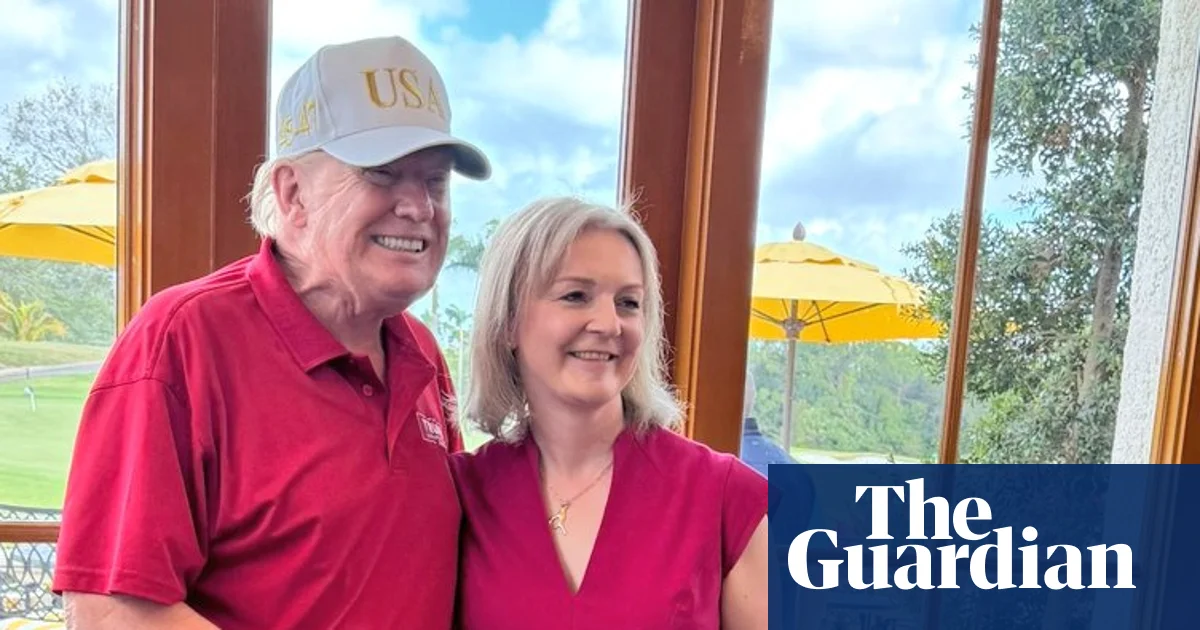
Truss and Trump rally together: Standing strong for Britain and America

In a clear demonstration of shifting geopolitical alliances and the resurgence of populist sentiment, Liz Truss, the brief and embattled former Prime Minister of the United Kingdom, has reemerged onto the global stage not through policy or leadership, but through symbolic gestures that signal her alignment with American right-wing populism. Her recent encounter with Donald Trump at his Mar-a-Lago estate underscores the increasingly blurred lines between domestic political figures and transatlantic ideological blocs. Truss’s decision to publicly pose with Trump, and her accompanying boast about being “Right about everything,” suggest a calculated move to position herself within the ranks of the America-first movement—a clear sign that her ambitions, however marginal in British politics, are now more firmly rooted in transatlantic alliances.

Her presence at the Conservative Political Action Conference (CPAC) in Maryland last year, where she delivered incendiary speeches criticizing Britain as “failing” and praised the burgeoning ties between right-wing populists worldwide, illustrates how the global landscape is increasingly polarized. Analysts such as Dr. Rebecca Sanderson of the International Institute of Politics emphasize that figures like Truss capitalizing on this mood reflect a broader geopolitical shift, where the traditional power dynamics of Western democracies are mediated through populist rhetoric and anti-establishment sentiments. The rise of such figures signals a fundamental redefinition of ideological borders, with countries like the UK and the US acting as symbols of resistance against what many see as the decline of liberal consensus.

Meanwhile, within the UK, Truss’s attempts to re-establish her influence extend beyond politics into entrepreneurship, with her efforts to launch her own club—The Leconfield—underscoring her desire to cultivate new power bases outside formal government structures. Her association with the property tycoon Robert Tchenguiz and her solicitation of founding members for half a million pounds reflect a speculative pursuit of influence, one that many see as emblematic of a broader crisis of legitimacy in contemporary British politics. Her short-lived tenure as Prime Minister, lasting only 49 days, and her subsequent electoral defeat, mark her as a figure on the fringes of mainstream politics, yet her international positioning indicates her desire to stay relevant on a global scale.

The geopolitical impact of these developments cannot be overstated. As Western democracies grapple with internal divisions and a fragile post-pandemic recovery, the influence of populist actors like Truss and Trump accelerates the disintegration of traditional alliances and norms. International organizations such as the European Union and the United Nations observe these shifts warily, recognizing their potential to redraw power structures and foster instability. History warns us that the rise of such populists often coincides with heightened global tensions and the erosion of diplomatic consensus. As the pages of history continue to turn, the world waits to see whether the current alignment of figures like Truss and Trump will forge a new ideological axis—or push the world toward a precipice from which current global order may never return. In this unfolding story, the delicate balance of peace and chaos remains on a knife’s edge, scripted by the audacious ambitions of those who believe they are rewriting the rules of the game.
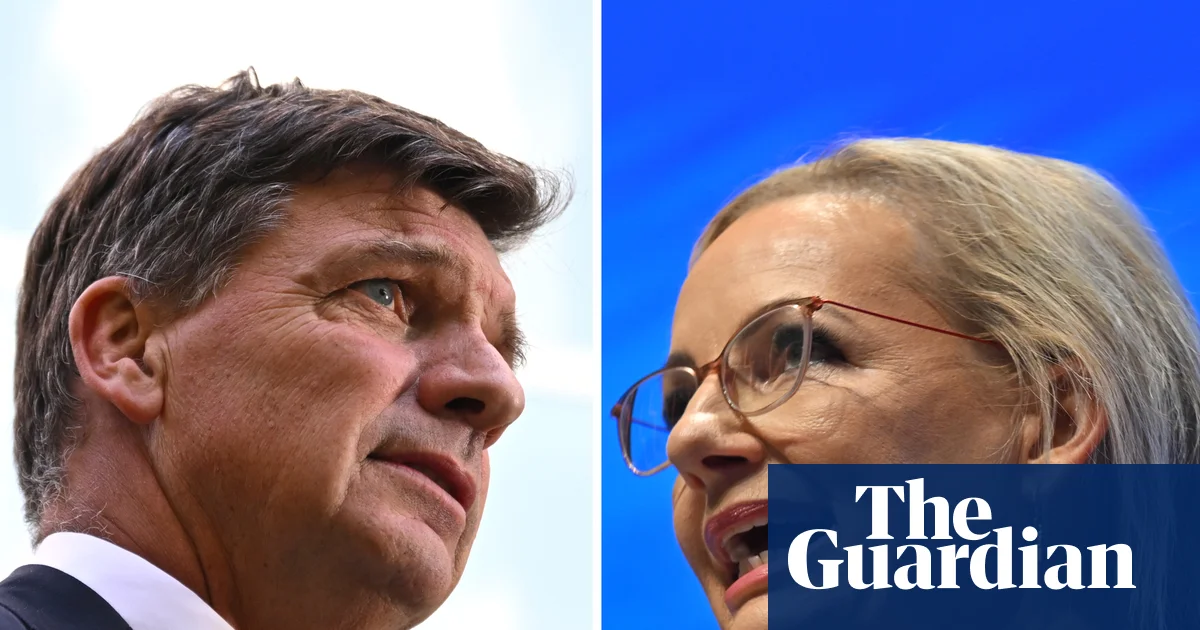

Young conservatives rally behind Angus Taylor in leadership bid against Sussan Ley

Australia’s Political Landscape Shaken as Liberal Party Faces Leadership Crisis

In a dramatic turn of events, Australia’s political arena is witnessing a pivotal moment as the Liberal Party grapples with internal turbulence that could reshape the nation’s leadership. The outgoing leader, Sussan Ley, finds her position under threat amid a wave of resignations and shifting allegiances, signaling a deeper crisis within the party. The mounting tension reflects not only party dynamics but also a wider contest over the future direction of Australia, particularly in response to domestic and international challenges that demand firm leadership. Experts and analysts warn that the outcome of this leadership contest could influence Australia’s policy stance on issues such as climate change, immigration, national security, and economic recovery.

Key figures emerged as the battle lines solidified during this political upheaval. Angus Taylor, a former shadow defence minister known for his conservative stance, has garnered significant backing from influential party members, including Queensland senator James McGrath and opposition figures like Michaelia Cash. Their support underscores a growing divide within the party—between moderates who favored Ley’s leadership and conservatives rallying behind Taylor. The tension culminated when Taylor resigned from his shadow cabinet position to formally challenge Ley, claiming the party has “lost its way” and emphasizing the need for “strong and decisive leadership” to address Australia’s pressing issues. His narrative resonates with many young conservatives across the country who yearn for a return to traditional values and robust national policies, especially in light of international complexities such as regional security and economic resilience.

The leadership election, scheduled to be decided this week at Parliament House, is tightening as both sides claim the support of the 51-member party room. The possibility of a narrow victory hangs in the balance, with Ley maintaining that she still commands “the numbers,” even as critics argue her position has become increasingly untenable. Notably, the broader geopolitical impact of this internal party conflict extends beyond Australia’s borders—potential leadership shifts could influence Australia’s foreign relations, especially its stance toward China, the Indo-Pacific region, and global trade alliances. Historically, Australian parties’ leadership stability has impacted its international posture, with quick leadership changes often seen as destabilizing for diplomatic consistency and economic policy.

As Australia faces these tumultuous internal debates, the international community observes with cautious interest. The contest mirrors global struggles where nations look to their political parties to deliver stability amidst geopolitical turbulence. Analysts from organizations such as the Lowy Institute warn that a leadership upheaval could create a temporary vacuum, affecting Australia’s commitments to regional security pacts and trade agreements. The internal party dispute, while ostensibly about policy direction, symbolizes a broader cultural clash—between traditional conservatism and progressive ambitions—that will indelibly shape the country’s future. As the vote nears, the weight of history presses heavily, reminding all that leadership crises are not merely internal squabbles, but pivotal moments that may define a nation’s course for generations to come.

Japanese youth rally through snow to cast decisive vote in snap election

In a recent surge of political momentum, Japan’s latest polls indicate that a coalition led by Takaichi is poised to secure a decisive victory in the upcoming national elections. This development signals not only a significant shift within Japan’s domestic political landscape but also carries profound geopolitical implications that extend well beyond its shores. Analysts and international observers are closely monitoring this turn of events, recognizing that the outcome of this election could influence the balance of power across the Indo-Pacific region and reshape regional diplomacy.

The coalition’s lead is attributed to a combination of nationalistic rhetoric, economic strategy, and a stance towards regional security that emphasizes a strengthened military posture. Historically, Japan has balanced its pacifist constitution with a progressively assertive foreign policy, but this shift under Takaichi signifies a more explicit commitment to expanding military capabilities and reaffirming its role as a key regional security player. International organizations and historians suggest that such a trajectory might challenge the longstanding diplomatic practices of the region, especially when considering the tense relationship with China and North Korea. The victory, if confirmed, would likely embolden the coalition’s efforts to revise defense policies, potentially triggering a regional arms race and prompting neighboring nations to bolster their own military defenses.

Furthermore, this political momentum must be understood in the context of broader shifts within global geopolitics. The escalation of tensions in Taiwan, the persistent threat posed by North Korea’s missile tests, and increased assertiveness from Beijing have collectively contributed to a strategic recalibration. Experts from institutions like the International Institute for Strategic Studies have warned that a more militarily confident Japan could alter the delicate balance of power in Asia, complicating diplomatic efforts aimed at stability and security. As such, the possible shift in leadership and policy may serve as a catalyst for regional realignment, with alliances being tested and new fault lines emerging.

Historic voices remind us that the course of nations often hinges on these pivotal moments—moments that forge the future trajectory of peace, conflict, and diplomacy. If Takaichi’s coalition achieves the predicted mandate, the geopolitical landscape of the Indo-Pacific could be irrevocably reshaped. The international community now watches with bated breath, recognizing that we are at a juncture where decisions taken today echo through history, forging pathways that could either lead to stability or ignite the flames of a new regional confrontation. As history continues to be written in the corridors of power and the battlefields of diplomacy, one thing remains certain: the continent’s future hangs in the balance, and the weight of what comes next will be carried by nations and societies for generations to come.

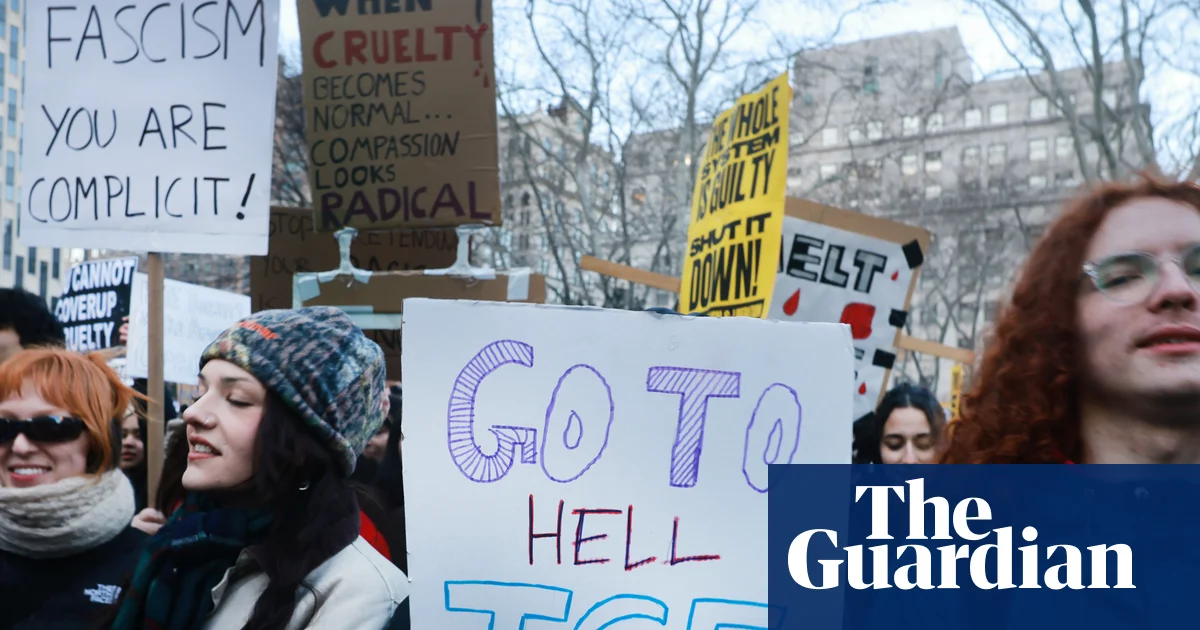
Youth-led NYC Rally Challenges ICE: “Today’s Them, Tomorrow’s Us”

In a dramatic display of dissent, United States citizens, led largely by youth and students, took to the streets in a widespread protest against the Biden administration’s immigration enforcement practices. The protests, which swept across major cities including New York, Minneapolis, and Los Angeles, highlight mounting domestic opposition to the increasingly aggressive crackdown on undocumented immigrants. As thousands chanted slogans like “Abolish ICE!” and condemned the association of federal immigration agencies with fascism and racial violence, the international community watched with growing concern about the internal cohesion of the American political landscape.

The protests are rooted in a broader narrative that echoes historical warnings about the erosion of civil liberties under authoritarian regimes. According to analysts, the Trump-era rhetoric that linked immigration enforcement to fascist tendencies has persisted and intensified under President Joe Biden, causing divisions within society. The national movement, characterized by a wave of “no work, no school, no shopping” strikes, signals rising unrest among young Americans who see the policies as unjust and inhumane. Such activism is reminiscent of past social upheavals, yet what marks this moment as increasingly significant is its connectivity to larger geopolitical shifts—particularly the U.S. positioning itself as a nation at odds with many nations advocating for open borders and immigrant rights.

Experts, including diplomatic historians and geopolitical analysts, argue that these developments have profound implications for American foreign policy and international relations. Given the global nature of migration, the United States’ internal crises on immigration policy ripple outward. Countries like Mexico and Canada, which are neighboring U.S. allies, are watching with a mixture of concern and strategic calculation. Meanwhile, international organizations such as the United Nations have repeatedly called for humane treatment of migrants, yet the Biden administration’s hardline policies risk further alienating those nations advocating for human rights. The international consensus, as observed by critics, is that the U.S. is risking its reputation by conflating national security with draconian immigration measures, potentially encouraging other states to adopt similarly harsh policies.

Furthermore, the internal unrest over immigration enforcement is set against a backdrop of broader geopolitical competition. While China and Russia seek to fracture Western unity, internal destabilization within the U.S. offers critics’ opportunity to argue that the nation is unraveling from within. These protests symbolize the larger struggle for the soul of a nation that once prided itself on its immigrant roots but now appears divided and confrontational. Leaders and international observers alike warn that if the U.S. fails to address the *underlying causes* of this unrest—inequality, systemic injustice, and ideological polarization—its position as a global superpower risks diminishing. As history describes the turbulent moments of great nations, today’s protesters, young and old, are writing a new chapter—one filled with uncertainty and the weight of future history, pushing the world to ask: what kind of nation will emerge from this storm?

South African man caught at neo-Nazi rally loses Australian visa, protecting our values

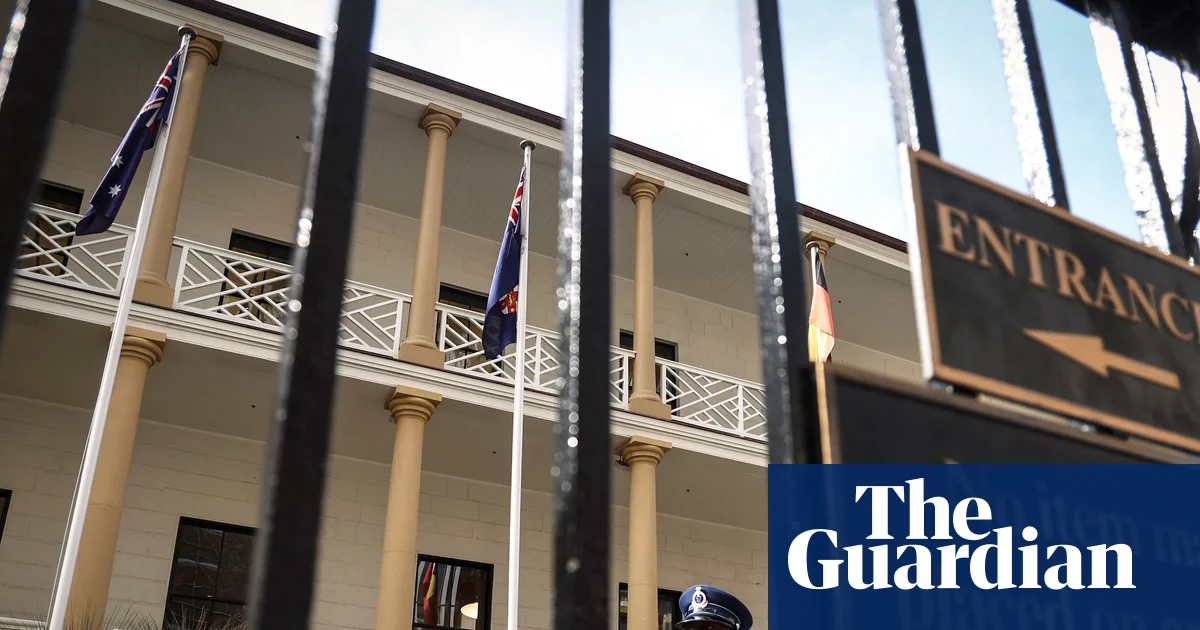
In a disturbing display of rising populist extremism, Australia recently confronted a stark reminder of the global threat posed by far-right ideology and neo-Nazi sympathies. A South African immigrant, Matthew Gruter, who has been residing in Australia since 2022, was seen participating in a neo-Nazi rally outside the New South Wales parliament organized by the National Socialist Network. The event, attended by approximately 60 men dressed in black and chanting racist slogans, revealed that Europe’s old demons are finding fertile ground in the Pacific continent—a development that nations must take seriously in the face of returning fascist rhetoric and anti-Semitic mobilization. Australian authorities swiftly responded, revoking Gruter’s visa on character grounds and detaining him as they prepare to deport him, underscoring the government’s firm stance against hate speech and Extremism.

This incident comes amid heightened efforts by the Australian government to combat the resurgence of extremism in the region, which many analysts warn could threaten the fabric of multiculturalism that has defined Australia’s modern identity. Home Affairs Minister Tony Burke emphasized that visa holders in the country are considered guests, and those who actively promote hatred or division are unwelcome. “Like any household, if a guest turns up to show hatred and wreck the household, they can be told it’s time to go home,” Burke stated, making clear that the Australian government views such acts as unacceptable breaches of societal norms. The decision to deport Gruter was based on concerns that his participation in the rally not only contravenes Australia’s anti-racism laws but also undermines the nation’s commitment to multicultural values—a stance supported by many international organizations advocating for the preservation of pluralistic societies amid growing global intolerance.

The rise in neo-Nazi activity and anti-Semitic incidents in Australia has elicited alarm from various advocacy groups. The Jewish Council of Australia warned that such hate groups pose a direct threat to multiculturalism, emphasizing the need to distinguish between peaceful protests and acts of hate. The rally’s chants of “blood and honour,” a phrase linked to Hitler Youth, evoke a dark chapter of history that should serve as a warning rather than a rallying cry. The Australian government’s decisive action signals a broader commitment to uphold the values of modern, inclusive society in the face of divisive and extremist rhetoric. Meanwhile, international observers, including analysts from regional security think tanks, warn that what occurs within Australia could mirror a distrubing wave of similar radicalism elsewhere, as global politics ferment conflicts around identity and sovereignty.

History’s gaze lingers over this modern chapter where nations are forced to confront the re-emergence of dangerous ideologies: a reminder that the struggle against extremism is not confined within borders but is a shared, global challenge. With the resurgence of such hate-mongering, international institutions and governments alike find themselves at a pivotal crossroads. As the Australian government asserts its authority to cleanse its society of those who threaten its cultural harmony, the bigger story unfolds—a story of nations defending their sovereignty and values against forces that threaten to unravel them. Here, amidst the echoes of history’s darkest moments, the watchful eyes of the world remain, knowing the weight of the future is still being written, piece by piece, in this unfolding struggle for civilization itself.

South African Man’s Visa Pulled Over Neo-Nazi Rally Near NSW Parliament

Australia’s Tightening Grip on Dangerous Ideologies: Visa Cancellation Sparks International Reflection

The recent incident involving a neo-Nazi-led protest outside New South Wales’s parliament marks a significant moment in Australia’s ongoing effort to shield its societal fabric from extremist influences. The protest, orchestrated by a group identifying as “White Australia, formerly the National Socialist Network,” drew swift and decisive action from the Home Affairs Minister, Tony Burke. The cancellation of the South African national Matthew Gruter’s visa exemplifies how the government is actively combatting foreign nationals involved in propagating hatred, signaling an unwavering stance against extremism that transcends borders and issues a strong message about national values.

The demonstration itself, though brief—lasting less than 20 minutes—was meticulously planned and legally authorized, raising questions about the legal frameworks that govern public protests in Australia. Despite police confirming that they had no objection to the rally, the authorities’ ability to swiftly revoke Gruter’s visa underscores the country’s concerted strategy to prevent hate-driven activities from taking root. Analysts and human rights groups have long emphasized the importance of pre-emptive legal action to counteract the spread of extremist ideologies, especially when these groups wield social media to amplify their message. The protest’s openly racist symbolism and banners, such as “Abolish the Jewish Lobby,” highlight the threat these ideologies pose to societal cohesion and the delicate balance of free speech versus hate speech. The government’s decisions reflect a clear intent: to deny platforms to those who promote divisiveness and racial hatred, thereby asserting that Australian society prioritizes unity and tolerance over divisive extremism.

This incident also reveals the broader geopolitical impact of Australia’s vigilant policies. Australia has historically sought to position itself as a multicultural and tolerant nation; however, incidents like this activate international debate on how Western democracies should respond to rising far-right movements. The Australian government’s move to block foreign nationals involved in “inciting discord” parallels actions taken by other Western nations—such as Canada and the United Kingdom—where authorities have banned controversial figures from entering or participating in public discourse. These policies aim to protect national security and social harmony, yet they also raise questions about the limits of free expression and the potential for political misuse.

The societal consequences of such governance decisions are profound. Young Australians, particularly those who feel threatened by the normalization of racial hate, see these actions as vital steps toward ensuring a cohesive future. Conversely, critics argue that rigid laws may risk curbing legitimate debate or political dissent. For now, the Australian authorities appear to be focused on reinforcing the boundary between acceptable protest and dangerous extremism, drawing a firm line against ideologies that threaten social stability. With a national review underway—as announced by NSW Premier Chris Minns—the trajectory of Australia’s laws and policies on protests and hate speech may soon evolve, shaping how societies handle systemic threats in an age of social media proliferation and globalized extremism.

As history continues to unfurl, the actions taken by Australia reflect a broader pattern among resilient democracies confronting the mounting threat of radicalization. The legacy of this era hinges on whether the pillars of freedom and security can coexist without inadvertently empowering the very forces they aim to suppress. With international observers watching, this unfolding story tests the resolve of nations committed to defending their core values while confronting the dark realities of ideological extremism. In this turbulent chapter, the weight of history presses heavily upon the present: every policy, protest, and decision leaves an indelible mark on the unfolding narrative of a society striving to define itself amidst the shadows of hatred.

Joe Wicks comes back to rally community at fire-damaged school reopening

Society faces persistent challenges when it comes to supporting families, education, and community resilience. Recent occurrences, such as the devastating fire at Yatton Infants School in Somerset, illustrate not just the physical destruction of a building, but also the profound social and emotional upheaval experienced by those impacted. In May 2023, half of the school’s roof was consumed by flames, leaving approximately 200 young pupils and dedicated staff devastated, with their belongings and hopes reduced to ashes. The aftermath of such an event exposes a society under strain, highlighting gaps in safety, mental health support, and community preparedness that sociologists argue must be addressed proactively.

For the families and communities involved, the repercussions extend far beyond the loss of bricks and mortar. The emotional trauma of witnessing a school—an institution symbolizing safety, growth, and future—burn to the ground can have lasting impacts on children’s sense of security and well-being. The deputy headteacher reflected on the scene of shock and sadness that initially engulfed the school, emphasizing how vital community cohesion becomes in the wake of tragedy. As historian Dr. Ian McDonald notes, “The social fabric of a community is often tested during crises, revealing both its fractures and its capacity for healing.” The rebuilding process, therefore, becomes not just about new classrooms but about restoring hope and confidence in society’s collective commitment to its youngest members.

  • Southwest England’s local authorities and community groups rallied to hasten the rebuilding effort, recognizing that education continuity is essential for family stability and childhood development.
  • Yet, the displacement caused by the fire—forcing children into different schools—highlighted how social issues such as educational disruption can negatively influence learning outcomes and peer relationships.
  • Addressing mental health needs in young survivors became a priority, emphasizing the need for comprehensive support services that foster resilience in children and help them navigate the emotional aftermath.

While the refurbished Yatton Infants School reopens as a symbol of community perseverance, the social issues it exposes require ongoing vigilance and deliberate action. Sociologists like Daisy Reed argue that “The resilience of communities hinges on proactive policies that prioritize not only physical reconstruction but also social healing and inclusive educational environments.” The experience of children, who faced the upheaval and then the joy of returning to a rebuilt school, underscores the importance of fostering a social environment where children can feel safe, supported, and inspired to dream big once again. As this community begins the process of recovery, it leaves us pondering: in a society that often moves too swiftly, how do we ensure that no child’s future is left smoldering in the ashes of tragedy? The hope lies in recognizing that societal strength is measured not only by physical infrastructure but by the capacity to nurture resilience, unity, and hope within every family, every school, and every community.”

Thousands rally outside COP30, demanding real climate action now

Belém, Brazil — a City on the Frontline of Climate Politics

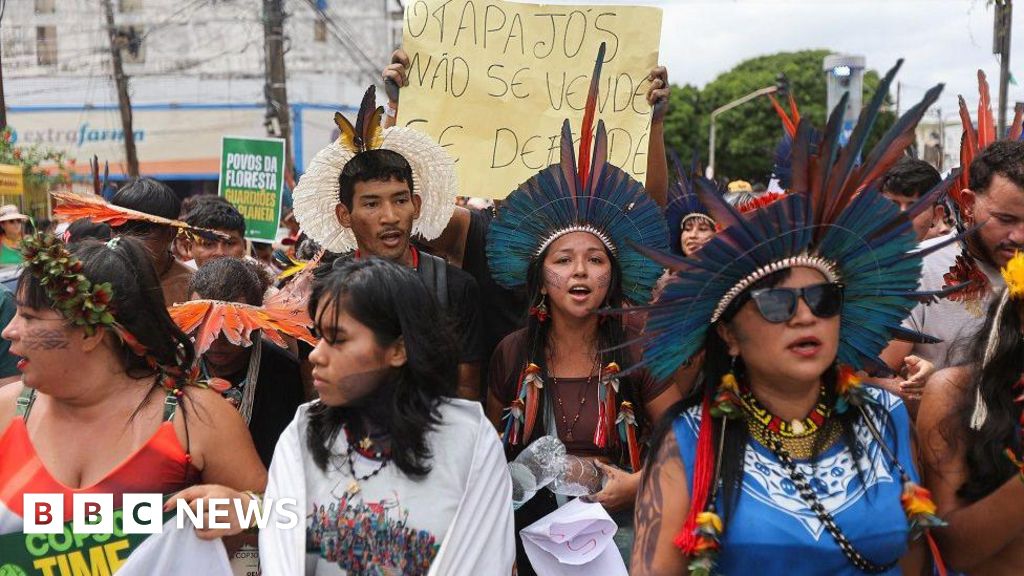
As World leaders convene at COP30 in Brazil, the city of Belém is currently witnessing a dramatic clash between international policy ambitions and grassroots activism. Thousands of climate protesters, energized by a palpable sense of urgency, have flooded the streets near the summit, expressing their frustration with what many consider the deliberate inaction of global powers. Carrying signs like “free the Amazon” and staging symbolic funerals for fossil fuels, these activists symbolize the deepening tension between environmental conservation and the economic interests that threaten vital ecosystems.

Amidst the chants and samba music, indigenous communities—regarded worldwide as primary stewards of biodiversity—have taken to the streets with banners urging for *”demarcation now”*, demanding legal sovereignty over their ancestral lands. The Amazon rainforest, often called the world’s “lungs,” remains a flashpoint for debate: while the summit’s hosts, led by President Luís Ignacio Lula da Silva, aim to showcase Brazil’s ecological commitments, recent actions have cast doubt on these promises. Mere days before the talks commenced, the Brazilian government approved oil exploration permits at the Amazon’s mouth—an act perceived by many as a betrayal of climate commitments and a sign of the country’s conflicting priorities.

Geopolitical Impact of Policy and Protest

The summit sees a record number of delegates from fossil fuel industries, totaling over 1,600 lobbyists, a 12% increase from last year, according to analysis by the coalition Kick Big Polluters Out (KBPO). This influx underscores the influence of industry interests in shaping climate policy—a reality that many young activists and analysts view as a clear obstacle to genuine progress. The absence of the United States from active negotiations, after former President Donald Trump labeled climate change a “con,” has further stymied efforts for a cohesive international strategy. Without the world’s largest economy participating meaningfully, experts warn that ambitious targets remain unattainable, endangering future generations’ prospects for climate stability.

International organizations and climate scholars emphasize that these developments threaten not only environmental sustainability but also geopolitical stability. As climate disinformation proliferates, efforts like the Declaration on Information Integrity signal a push to combat misinformation and promote facts-based policymaking. Yet, critics argue that vested economic interests often drown out scientific consensus, undermining the very foundation of real progress. Meanwhile, indigenous voices continue to be marginalized, despite their critical role in safeguarding ecosystems; many have set up stalls outside the summit’s fences, desperate to have their concerns heard, while security forces tighten their grip on protest zones.

How Decisions at COP30 Shape Our Future

Historians and analysts concur that the outcome of this summit could define the trajectory of global climate policy for decades. With ongoing negotiations focusing on how to implement existing commitments and fund adaptation efforts, the stakes have never been higher. Yet, the persistent tug-of-war between environmental righteousness and economic development exposes unresolved contradictions at the heart of international diplomacy. As the week progresses, the world watches with bated breath—questioning whether this pivotal gathering will ignite meaningful change, or become yet another chapter of official silence in the face of ecological catastrophe.

In these decisive moments, history continues to unfold beneath the Amazon skies, where the future of human civilization and the planet’s fragile ecosystems hang in the balance. The choices made in Belém today will echo through generations—an indelible testament to the ongoing struggle for justice, sovereignty, and survival amidst a rapidly changing climate landscape.

Edo Youths Rally Against New West African Art Hub in Bold Protest

In a development that underscores the persistent tensions between cultural sovereignty and global prestige, Nigeria has faced a disruptive protest at its recently inaugurated Museum of West African Art (Mowaa) in Benin City. The museum, a $25 million (£19m) project designed by renowned British-Ghanaian architect David Adjaye, was intended as a hub for contemporary and historical West African art. However, its launch has been marred by unrest that highlights deeper undercurrents of cultural identity, national pride, and historical claims. Protesters, driven by feelings that the museum is a form of cultural hijacking, forced postponement of its opening and engaged in insulting foreign visitors, revealing underlying domestic discontent regarding cultural patrimony and governance.

This incident is not an isolated event but a strategic flashpoint within the broader dispute over ownership of the Benin Bronzes. These priceless artifacts, looted during British military incursions in the 19th century, have long symbolized colonial exploitation and the ongoing debate over rightful restitution. While the museum’s leadership clarified that they never claimed the Bronzes and focus primarily on modern and contemporary art, the controversy underscores the sensitive nature of cultural symbols in Nigeria’s national consciousness. As historians and analysts interpret these events, they emphasize how cultural controversies fuel *resentment and political leverage*, influencing Nigeria’s internal stability and its diplomatic posture on reparations and cultural sovereignty. The protests reflect a broader dangerous shift: from colonial legacy to sovereign identity, where control over cultural heritage becomes a vital aspect of national legitimacy.

The controversy extends into the realm of political influence and how decisions on cultural institutions impact societal unity. Critics argue that the museum’s development has been hijacked by political actors, with residents claiming that the project’s current trajectory sidesteps local traditions and authority. The Nigerian government, along with traditional rulers—particularly the Oba of Benin—has expressed dissatisfaction, viewing the museum as a symbol of erosion of their cultural authority. The museum’s independent and non-profit status, along with its broad regional scope, has sparked accusations of external interference and a neglect of Benin’s unique heritage. International organizations have weighed in, with some urging Nigeria to prioritize dialogue and respectful reconciliation, recognizing that these conflicts threaten not just cultural preservation but also regional stability. As one prominent analyst notes, “The battle over these artifacts and institutions is ultimately a struggle for national sovereignty.”

As the shadows of history stretch long over Nigeria’s future, the clash at Mowaa serves as a stark reminder of how cultural disputes are intertwined with geopolitics, colonial legacies, and national identity. The unrest signals a possible turning point—where the struggle for control over cultural symbols could either forge a stronger self-determined nation or deepen fissures that threaten regional stability. The weight of these unresolved conflicts hangs heavy, as history continues to unfold on the fragile stage of Nigeria’s evolving narrative—a testament to the fact that nations are often defined as much by their internal struggles as by their place in the international order, and that the outcome of this cultural war could reverberate far beyond Benin City. In the face of ongoing tension, the world remains watchful, knowing that history is at a crossroads—an uncertain path toward either reconciliation or further division.

Female MPs face death and rape threats after condemning neo-Nazi rally outside NSW Parliament

In a disturbing display of the persistent reach of extremist ideologies, Australia continues to grapple with the consequences of its complex approach to political protests and hate speech. Recent reports from New South Wales reveal a troubling escalation: two prominent female MPs—federal MP Allegra Spender and state MP Kellie Sloane—have received **threats** following their condemnations of a neo-Nazi rally outside the NSW parliament. These threats, including death and dehumanizing calls, underscore a **growing threat** not only to individuals but to the very fabric of societal tolerance in the region. The rally itself, attended by around 60 men clad in black and advocating against the “Jewish lobby” using classical antisemitic tropes, exemplifies the destructive power of unchecked radicalization, which analysts warn could destabilize domestic cohesion and fuel international tensions.

The Australian government and police authorities have faced intense scrutiny over their handling of the event. Despite the rally’s approval by local police, critics argue the decision reflects a **double standard**—a claim the authorities deny. Speaking on ABC radio, NSW Premier Chris Minns dismissed accusations of bias, emphasizing that police responses were routine but failing to clarify the procedural missteps that permitted the rally’s occurrence. Reports of an “internal communication error” suggest systemic issues in monitoring and controlling hate-fueled activities. Academic experts and human rights organizations have long cautioned that such lapses have **serious geopolitical implications**. They argue that allowing neo-Nazi symbols and speech in Australia fuels a broader pattern of nationalist resurgence, which can carry over into international conflicts involving Australia’s allies and adversaries in the Indo-Pacific region.

The **global impact** of this domestic unrest should not be underestimated. As the world watches, nations like Germany, France, and the United States are witnessing resurgent far-right movements that echo rhetoric seen in the neo-Nazi rally. Historians warn these symbol-laden events serve as **warning signs**—deepening divides that threaten to distort the global order. The Australian government is now contemplating bans on Nazi symbols and speech, aiming to “clarify and codify” hate laws. Such legislative moves are crucial; but they also raise critical **questions about free expression and state overreach**, issues that deeply resonate across democracies. The international community, including the UN and human rights watchdogs, emphasizes that **decisions surrounding hate speech laws** must balance security with civil liberties, or risk igniting new conflicts under the guise of protecting societal cohesion.

As .history continues to unfold in real time, the significance of these events transcends the shores of Australia. In a world where **extremism** feeds on division and silence, the choices made today will define the battlegrounds of tomorrow’s struggle for justice, tolerance, and unity. The recent neo-Nazi rally acts as a stark reminder that the **fight against hatred** is not only domestic policy but a **cornerstone** of international stability. As political leaders chart their course—balancing **security concerns** with the rights of citizens and the urgency of moral clarity—they must confront an evolving reality: that history will judge how decisively they resisted the forces seeking to divide humanity along racial and ideological lines.

Social Media Auto Publish Powered By : XYZScripts.com