Matox News

Truth Over Trends, always!

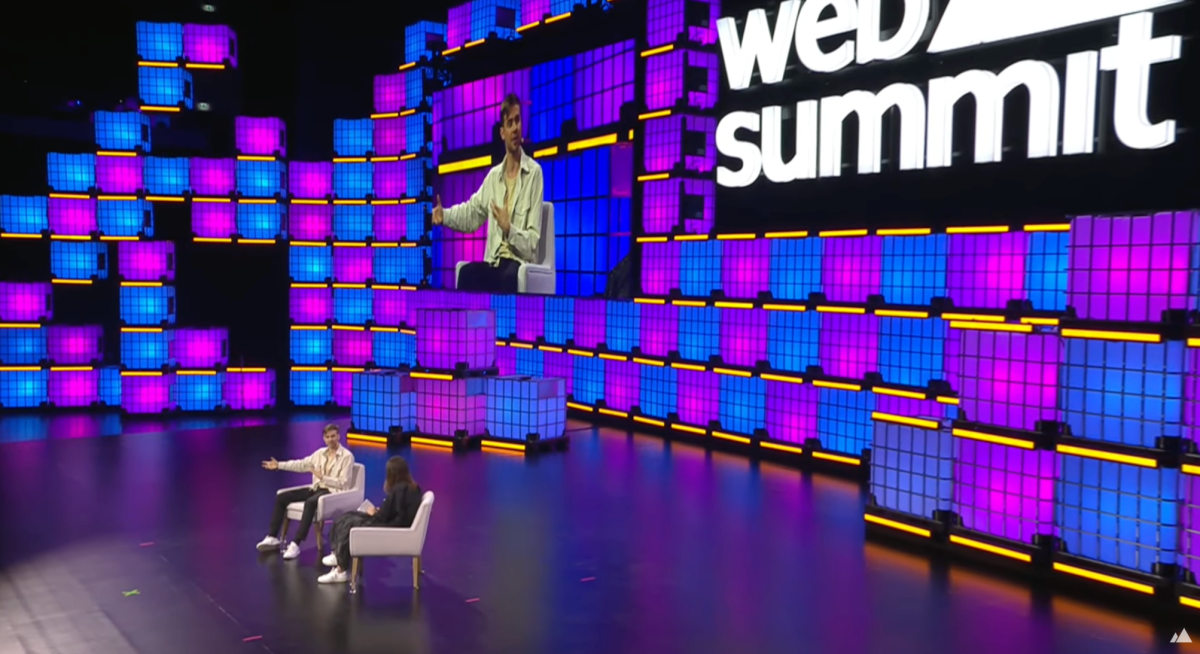
Lovable hits 8M users, aims to ramp up corporate adoption with its AI coding revolution

Lovable Emerges as a Disruptive Force in AI-Driven Software Development

The tech industry is witnessing a notable wave of innovation, with Lovable swiftly positioning itself as a pioneering force in the burgeoning vibe coding sector. Having secured a total funding of $228 million, including a recent $200 million Series A that valued the company at $1.8 billion, Lovable exemplifies how startup agility and disruptive technology are reshaping software creation. Industry analysts, such as Gartner and MIT, highlight a clear paradigm shift where AI-powered platforms are democratizing code—enabling even the untrained to innovate.

Despite some market fatigue—Barclays and Google Trends noted a **40% decline** in traffic to prominent vibe coding services—Lovable reports robust user retention, boasting over 100% net dollar retention, which underscores its ability to generate increasing revenue from its user base. Its expanding team, now over 100 employees, including top-tier leadership imported from San Francisco, signals a strategic focus on scaling innovation and securing further market dominance. The company’s vision aligns with the broader industry goal to integrate AI seamlessly into daily business workflows, challenging traditional development norms.

Innovation and Industry Impact

Built from the open-source project GPT Engineer, Lovable aims to revolutionize how software is built—focusing on the 99% of users who lack formal coding skills. As Osika, Lovable’s founder, succinctly states, the platform’s mission is to “reimagine how you build software,” a goal that resonates with broader aspirations to foster creative democratization within tech. Companies like Fortune 500 giants are already integrating Lovable’s tools to “supercharge creativity,” signaling a significant shift in enterprise innovation strategies.

  • Features include intuitive interfaces designed to foster rapid prototyping
  • Attractive to diverse users — from corporate teams to individual entrepreneurs and students
  • Achieves significant customer loyalty with strong retention metrics

This wave of innovation dovetails with the ambitions of tech giants like OpenAI and Anthropic, whose models power platforms like Lovable while also launching competing coding agents. Industry experts warn, however, that security concerns remain paramount; recent incidents involving data leaks—such as 72,000 images containing GPS data—highlight vulnerabilities typical of rapid evolution in emergent sectors.

Business Disruption and Future Outlook

The industry’s disruption is fueled not only by technological advances but by strategic positioning. Lovable’s stance of embracing multiple players and promoting an open, collaborative ecosystem indicates an understanding that market segmentation—rather than monopolization—is the future. Disruption lies in carving out new user segments and business models, as traditional software firms scramble to adapt to AI-driven prototyping tools that enable a new level of productivity and innovation.

Looking ahead, the key question for industry stakeholders is how quickly traditional development workflows will be replaced or augmented by vibe coding platforms like Lovable. With expert forecasts from institutions such as MIT predicting sustained growth in AI-assisted software development, timeliness and security will be decisive factors for sustained success. As European and North American markets converge, early adopters stand to gain a significant competitive edge—an opportunity that demands swift action. The race for AI-enabled software innovation is accelerating, and those who leverage it now will define the technological landscape of tomorrow.
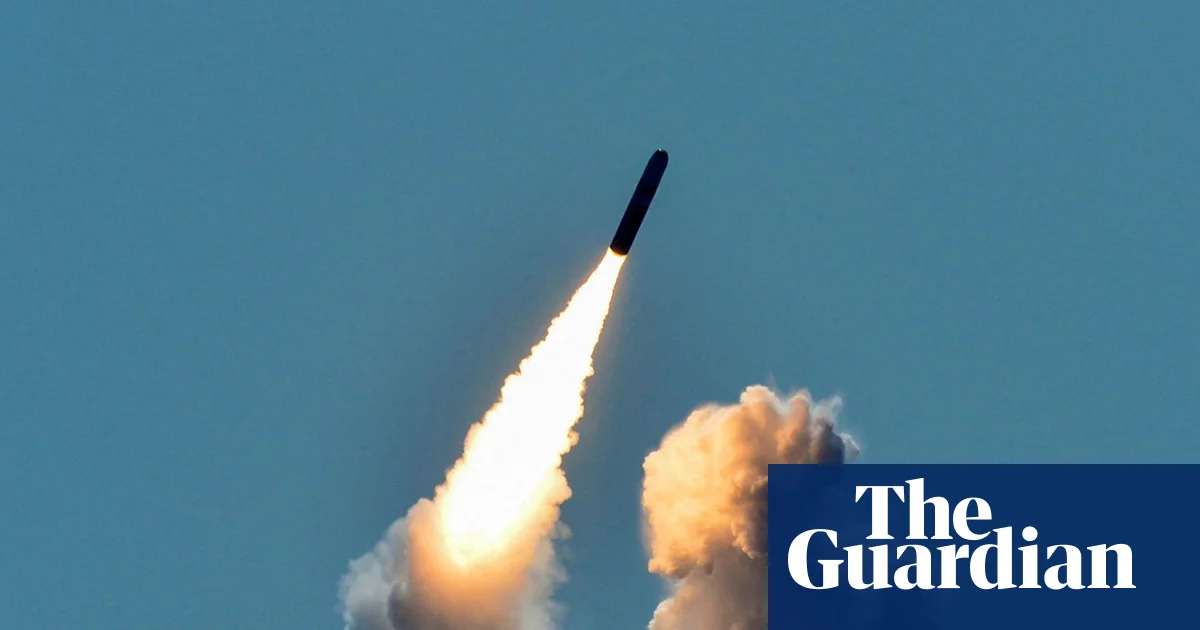
Trump orders Pentagon to ramp up nuclear tests to rival Russia and China | Donald Trump

In a **dramatic escalation** of international tensions, Donald Trump has ordered the Pentagon to begin testing U.S. nuclear weapons in direct response to recent advances by Russia and China. This move, announced via social media, marks a **noteworthy shift** from years of US efforts to de-escalate nuclear tensions and cements a stark new reality—one where the world’s leading powers are engaging in a **dangerous game of nuclear one-upmanship**. Trump’s directive coincides with a backdrop where Moscow and Beijing have demonstrated their willingness to modernize and expand their nuclear arsenals, with Russia’s successful test of the Burevestnik cruise missile and Poseidon super torpedo exemplifying a clear intent to project power and undermine existing global stability.

Russia’s recent nuclear tests, including the Burevestnik nuclear-powered cruise missile and the Poseidon super torpedo, signal an **assertive posture** by the Kremlin amidst *breakdowns in diplomatic dialogue* with the West, particularly over the ongoing conflict in Ukraine. These developments are viewed by many analysts as a **deliberate display of strength**, intended to *deter Western interference* and reinforce Russia’s position as a formidable nuclear power. In response, Vladimir Putin has emphasized the need to ensure Russia’s national security, framing these tests as a necessary countermeasure in a new era of uncertainty. Meanwhile, the United States—despite a self-imposed moratorium since 1992—appears poised to re-engage in **nuclear testing**, threatening to ignite a new arms race. The move has sparked alarm among international organizations like the United Nations, which emphasize the catastrophic consequences of an escalated nuclear conflict and warn that such actions risk undoing decades of arms control efforts.

The **geopolitical impact** of Trump’s decision is profound and multifaceted. Not only does it **destabilize regional security architecture**, but it also threatens to undermine *existing treaties* such as the New START Treaty. The historic significance is clear: the revival of nuclear testing signals a departure from *diplomacy and mutual restraint*, opening a dangerous corridor leading toward a potential **nuclear crisis**. As traditional alliances and treaties waver, nations like India and Pakistan watch with concern, aware that a new arms race could destabilize a fragile global order. Leading international scholars, including arms control experts and historians, warn that such decisions “could unleash an era of instability and violence” that the world has sought to avoid since the Cold War’s conclusion.

Amidst this chaos, the **weight of history** looms heavy. The last full nuclear test conducted by the US was over three decades ago, and the silence that followed was seen as a *hope* for eventual disarmament. However, recent incidents suggest that the **axis of nuclear powers** is once again in motion, bringing the world closer to the “shadow of annihilation”. With *each test, each threat, and each escalation*, humanity edges toward an uncertain future. As nations grapple with the choice between peace and war, the question remains: will diplomatic efforts prevail, or will history once again be rewritten on the backdrop of nuclear shadows—a narrative where the clash of titans threatens to define the destiny of civilization itself?

Social Media Auto Publish Powered By : XYZScripts.com



