Matox News

Truth Over Trends, always!

Tories pledge to cut student loan interest rates, backing young Britain’s future

Educational Debt and the Strain on Families and Communities

Recent comments by Kemi Badenoch, a prominent political figure, highlight a significant concern shared by many young graduates: the burden of student loans. Badenoch described the feelings of graduates as being “stitched up,” underscoring a pervasive sense of economic disillusionment that threatens to destabilize the social fabric. Her pledge to cut interest charges on Plan 2 loans signals an acknowledgment of the profound impact that rising educational costs have on recent entrants into the workforce. For families in working-class and middle-income communities, student debt often translates into delayed milestones such as homeownership and family formation, extending the cycle of economic hardship.

Shifts in Educational Access and Societal Divide

The escalating costs of higher education serve as a barrier for many aspiring students, especially amid demographic changes and cultural shifts that favor increased diversity but challenge conventional funding models. Sociologists like Dr. David Brooks argue that the increasing reliance on student loans contributes to widening social inequality, as only those from more privileged backgrounds can afford the luxury of higher education without crippling debt. This disparity perpetuates social stratification, making educational attainment less about talent and more about financial capacity. The socio-economic divide risks further fracturing communities, eroding the social cohesion necessary for collective progress.

Educational Reform and the Role of Society

Understanding the social ramifications of debt, some experts advocate reforms aimed at creating a more equitable and accessible system.

  • Implementing more comprehensive public funding for higher education.
  • Introducing income-based repayment schemes that lessen the burden on graduates.
  • Enhancing vocational training and apprenticeships to diversify pathways to economic stability.

By addressing these structural issues, society can foster environments where families are encouraged to thrive without the overshadowing anxiety of debt. Furthermore, institutions must recognize their role in broadening educational access, ensuring that talent and ambition are not stifled by financial barriers. As historian Dr. Margaret MacMillan notes, societal progress hinges upon equitable opportunities that empower all youth to contribute meaningfully to their communities.

Hope Amidst Challenges

While the societal challenges are undeniable, recent political commitments provide a glimmer of hope. Badenoch’s promise to reform student loan policies signifies a step toward restoring fairness in an often inequitable system. Yet, true change demands concerted efforts across all levels of society, from policymakers and educators to families and youth themselves. Initiatives aimed at reducing educational costs, improving employability, and fostering social mobility are essential for nurturing resilient communities. As history has shown—through periods of upheaval and reform—social transformation begins with recognizing shared struggles and united action. The hope remains that future generations will look back on this era not only as a time of hardship but as a turning point—when society chose to invest in its people and, in doing so, redefined its moral foundation.

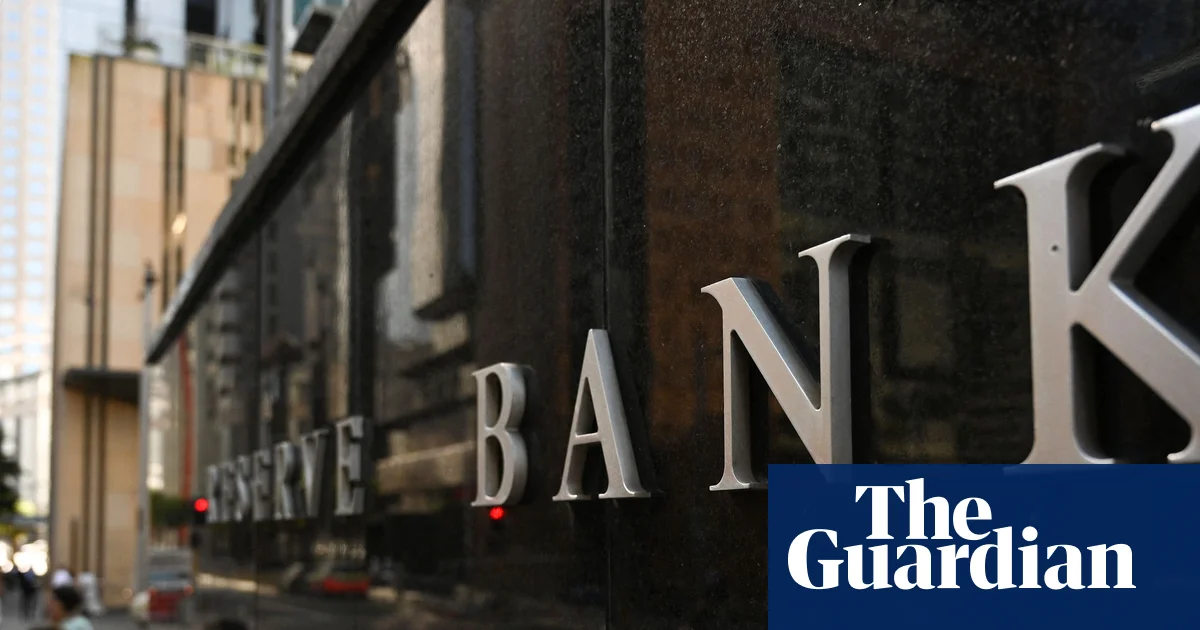
RBA hikes interest rates to 3.85%, tough hit for Aussie mortgage holders

Global Economic Tensions Rise as Reserve Bank of Australia Implements Unexpected Rate Hike

The Reserve Bank of Australia (RBA) has executed a significant monetary policy shift by raising interest rates for the first time in over two years—an move that signals potential turbulence not only within Australia’s economy but across the broader international landscape. The decision, which saw the cash rate target increase from 3.6% to 3.85%, comes amid mounting concerns about persistent inflationary pressures that threaten to destabilize what some analysts previously believed to be a resilient recovery.

This rate hike, announced at the conclusion of a two-day policy meeting, halts the RBA’s previously rapid cycle of rate cuts—three reductions in 2023 alone—marking the end of what was arguably the shortest rate-cutting cycle in the institution’s history. Economists and international observers now analyze it as a *warning* sign: central banks worldwide, faced with surging global inflation, are adjusting their tactics in a manner that could ripple through markets and geopolitical alignments. The immediate impact on Australia’s mortgage sector—an increase of roughly $90 per month for a typical $600,000 loan—might seem marginal, but it portends more profound shifts in consumer confidence and fiscal stability, with potential repercussions for allied economies.

Impact Beyond Borders: A Broader Signal to Global Markets

  • The RBA move arrives amid an international environment of inflationary uncertainty, prompting analysts like those from the International Monetary Fund (IMF) to speculate on whether this signals a broader shift toward tighter monetary policy. Countries such as United States, Europe, and Japan are closely monitoring the Australian precedent, which could influence their own strategies to curb inflation without stifling growth.
  • Historian and economic analyst Dr. Fiona A. Campbell warns that such aggressive rate adjustments risk *derailing* fragile economic recoveries, especially in emerging markets dependent on Australia’s resource exports and financial stability. Her concern echoes the deeper geopolitical reality: decisions taken in Canberra ripple globally, affecting trade, investment, and diplomatic relations.
  • Furthermore, these policy shifts come at a time of evolving international trade tensions and critical debates over sustainable growth, with some nations questioning whether rapid monetary tightening risks inflation suppression at the expense of growth and societal stability.

The Geopolitical Impact and How Nations Will React

The significance of this rate hike extends beyond Australia. It signals a possible *turning point*, where central banks must balance inflation control with geopolitical stability. The shift could tighten global financial conditions, increase borrowing costs elsewhere, and fuel uncertainty in markets like Shanghai, London, and New York. Countries with burgeoning debts or fragile economies may find themselves caught in a rising tide of economic stress, potentially exacerbating geopolitical tensions.

Many international analysts warn that the new monetary posture reflects a broader acknowledgment that global inflationary pressures—fueled by geopolitical conflicts, supply chain disruptions, and volatile energy markets—demand a recalibration of economic policies. As World Bank, OECD, and independent economists debate the trajectory, the risk of over-tightening remains a serious concern, potentially leading to stagflation or social unrest in vulnerable nations.

Conclusion: The Weight of History as the World Watches

With this policy move, the RBA inadvertently embodies a challenging truth of our era: the decisions of a single nation’s central bank ripple through the fabric of global stability, shaping societies and influencing the course of history. As the world grapples with inflation, debt, and geopolitical unrest, the question remains: whose interests will ultimately prevail in this complex dance of economic power?

With the spotlight fixed on Australia and the international community, history continues to unfold—its next chapters written in boardrooms, markets, and the lives of ordinary citizens. The stakes are high, the outcome uncertain, and the world can only watch as the very fabric of global finance is rewoven one rate hike at a time.

RBA keeps rates steady at 3.6% amid unexpected inflation surge

Global Economic Tensions Rise as Australia Faces Inflation Shock

The recent decision by the Reserve Bank of Australia (RBA) to hold interest rates steady at 3.6% has sent ripples through international markets, highlighting the fragile state of global economic stability. While the monetary policy board’s decision was widely anticipated, the underlying causes—particularly a surprising surge in inflation—offer a stark warning about the complexities faced by national economies in the aftermath of aggressive rate cuts earlier this year. As the RBA maintains its cautious stance amidst rising core inflation, the geopolitical landscape is increasingly influenced by such economic shifts, where the decisions of a single nation can ripple across continents, affecting trade, investment, and geopolitical alliances.

Australia’s Inflation Surge: A Turning Point in Domestic Policy

  • Core inflation in Australia rose to 3% in September, reaching the upper limit of the RBA’s preferred range, signaling an unexpected acceleration not seen since 2022.
  • The headline unemployment rate also increased unexpectedly to 4.5%, amid rising electricity prices—up 9% in a quarter as government energy rebates expired—casting doubt on the sustainability of the nation’s recovery.
  • This inflation spike, coupled with sluggish employment growth, underscores a potential shift in Australia‘s economic trajectory, challenging policymakers’ earlier assurances that rate cuts would support job creation.

According to leading analysts and economists, this unexpected data underscores the uncertainty that now clouds the Australian economy. International institutions, such as the International Monetary Fund (IMF), have warned that persistent inflation can lead to stagflationary scenarios, complicating central banks’ efforts to balance growth with price stability. The RBA’s cautious pause in rate hikes, despite market expectations for further cuts, exemplifies the delicate geopolitical dance of managing internal economic pressures while avoiding escalation into broader regional or international instability.

Global Impact of Regional Policy Decisions

The repercussions of Australia’s economic challenges extend beyond its borders. Investors worldwide are watching closely, especially with financial markets scaling back bets on further rate cuts in the coming months. This shift could influence currency valuations and trade dynamics across the Indo-Pacific and beyond. For instance, rising interest rates in Australia may strengthen the Australian dollar but could simultaneously hinder export competitiveness, affecting regional supply chains and investment flows. Such developments underscore how internal policy shifts are critically intertwined with the broader international political landscape.

Moreover, some analysts warn that the inflation surprise serves as a stark reminder of how national economic stability can influence geopolitical strength. Countries that manage inflation effectively are seen as more resilient and capable of asserting influence in international forums. Conversely, nations burdened by economic turbulence risk weakening alliances and inviting geopolitical opportunism from rivals. The U.S., China, and the European Union are all closely observing these shifts, recognizing that a fragile Australia could be exploited by strategic adversaries or destabilize regional peace.

Concluding Reflections: The Weight of History on the Horizon

As Australia grapples with an inflationary headwind that threatens to undermine its economic recovery, the broader implications for international stability remain profound. Decisions made within the corridors of Canberra resonate through global markets and diplomatic corridors alike. This quiet yet intense conflict between economic growth and inflation is not merely a domestic issue but a chapter in the unfolding narrative of global power struggles and economic resilience. The world watches, knowing that history’s next great turning point may lie just around the corner—when a nation’s economic decision becomes a catalyst for a new era of geopolitical realignment. In the shadows of mounting inflation and shifting alliances, the fabric of international order is being woven anew, with each nation’s fate forever intertwined in the ledger of history.

Fed cuts rates, yet mortgage rates climb—what’s really happening?

The U.S. Treasury bond market is experiencing notable upheaval as long-term yields defy expectations following the Federal Reserve’s recent interest rate cut. Despite the Fed’s decision to lower the benchmark rate by a quarter percentage point to a range of 4.00% to 4.25%, bond traders responded with a surge in longer-dated treasury yields. The 10-year Treasury yield soared past 4.14%, after briefly dipping below 4%. Meanwhile, the 30-year treasury yield climbed above 4.76%, signaling a complex reaction to the Fed’s moves. This divergence indicates that market participants are trying to interpret the Fed’s policy signals within a broader context of market expectations and global economic signals, with consequential market impact on borrowing costs, stock valuations, and inflation outlooks.

Market analysts, including prominent economists like Peter Boockvar, emphasize that the bond market is “selling the news” — a phenomenon where investors, having anticipated the rate cut, now adjust their positions based on the perception that the Fed’s move may signal a shift in policy stance or underlying economic risks. Boockvar notes that the recent spike in yields reflects traders’ skepticism about the Fed’s intentions, especially considering its updated economic projections, which reveal that policymakers see a modest acceleration in inflation — slightly above the 2% target — into 2026. This outlook raises questions about the Fed’s commitment to inflation control, potentially easing policy tightening prematurely and paving the way for persistent inflationary pressures.

The implications for policy consequences are significant. The Fed’s rate cut was framed as a “risk management” move amidst softening labor market data, including weaker employment figures earlier this month. Fed Chair Jerome Powell indicated that the central bank remains cautious, prioritizing job market stability while trying to keep inflation in check. However, the pushback from bond traders suggests that the market perceives a disconnect between the Fed’s communication and the longer-term economic outlook. As Boockvar and fellow investors watch international developments — where yields globally are also trending higher — it becomes clear that the global economic environment is influencing U.S. bond dynamics, adding layers of complexity to the policy landscape.

Meanwhile, the housing sector reflects these broader market uncertainties. For instance, Lennar, one of the largest homebuilders, recently reported disappointing quarterly revenue and weak future guidance, citing “continued pressures” in the housing market driven by elevated interest rates. Such signals from the real estate sector reinforce concerns that persistent high yields and monetary policy tightening could hinder economic growth and the labor market. As economist Chris Rupkey warns, these rising bond yields may ironically signal tougher times ahead. He cautions that declines in bond yields often presage recessions, yet rising yields are currently driven by stable employment data, which might create a paradoxical environment where good labor markets inadvertently complicate monetary policy and dampen consumer confidence.

Looking forward, the bond market’s reactions underscore a fundamental truth: the economy is a living pulse that responds not just to current policies, but to perceptions of future policies and global shifts. The stage is set for a decisive period where the Fed’s next moves could reshape economic trajectories. Will they succeed in tightening inflation without stifling growth, or will markets push policymakers to revisit their approach amid mounting international pressures? One thing is clear: the bond yields act as a barometer of this complex dance — an epic display of economic forces shaping the very foundation of future power. As nations watch, the true test lies ahead: navigating the turbulent waters of inflation, growth, and global interconnectedness to forge the robust, resilient economy of tomorrow.

Fact-Check: New Study Finds Lower Smartphone Addiction Rates Among Teens

Investigating the Truth Behind Claims of Transgender Individuals as Mass Shooters

In recent debates surrounding gun violence and transgender rights, a recurring narrative suggests that transgender individuals are responsible for a disproportionate number of mass shootings in America. Prominent figures like Donald Trump Jr. and Sebastian Gorka have cited figures that imply a significant connection between gender identity and violent acts, with claims of dozens of mass shootings involving transgender perpetrators over the last few years. However, a rigorous review of available data from reputable sources reveals a starkly different reality. When scrutinized with precise definitions and verified data, the number of transgender mass shooters in the U.S. remains exceedingly small, accounting for less than 0.1% of incidents over the past decade.

According to the Gun Violence Archive (GVA), an independent organization that tracks gun-related incidents, only five mass shootings have been confirmed to involve transgender suspects since 2013. These incidents include the tragic Chattanooga church shooting, the Highland Ranch school shooting, the Memphis warehouse shooting, the Colorado Springs gay bar attack, and Minneapolis’ recent church shooting. Notably, in cases like that of Anderson Lee Aldrich in Colorado, who identified as nonbinary, the gender identity was verified during court proceedings. When comparing these five incidents against the thousands of annual shootings, the proportion remains negligible—less than 0.1%.

It’s crucial to emphasize that the term “transgender” encompasses a broad spectrum; not all—particularly nonbinary individuals—may identify as transgender. This nuance complicates any direct causal link. Experts like James Densley, co-founder of The Violence Project, clarify that transgender individuals are statistically underrepresented among known mass shooters. Their comprehensive database, which applies a stricter definition—such as four or more victims killed or injured in a public setting—documents 201 cases since 1966, with only a single confirmed transgender perpetrator. Moreover, Dr. Ragy Girgis, a psychiatrist specializing in mass violence, states plainly: “Being transgender is not a causative factor in mass shootings.” The data overwhelmingly support that violence is committed almost exclusively by men, with over 97% of mass shooters being cisgender males, well aligning with societal patterns rather than challenging them based on gender identity.

Despite the clear data, misinformation persists. Figures like Gorka or the claims of “many” transgender shooters tend to rely on loose definitions or anecdotes, which inflate the perception of a link where none exists. As one fact-checker summarized, “even if you expand the definitions, transgender individuals responsible for mass shootings remain a tiny fraction of such crimes, overshadowed by the broader trend of male perpetrators.” The numbers tell a straightforward story: most mass shootings are carried out by men, across all gender identities, and transgender individuals are statistically rare among these perpetrators. This accurate data is vital, not only for honest debate but also for upholding the integrity of our democratic discourse, where facts must guide policy and public understanding.

Conclusion

In a democracy, informed citizens are the backbone of responsible policy—especially on issues as consequential as gun laws and gender rights. The evidence demonstrates that the narrative linking transgender identity to mass violence is deeply misleading. It is essential that we differentiate between anecdotal claims and comprehensive, verified data. As experts confirm, the presence of transgender individuals among mass shooters is vanishingly small, making it clear that gender identity is not a factor in violent behavior. Only through accurate information can we foster a fair, informed debate that respects both facts and responsible citizenship, foundational to our shared democracy.

Social Media Auto Publish Powered By : XYZScripts.com