

The Hidden Resilience of Jebel Marra Amid Sudan’s Turmoil
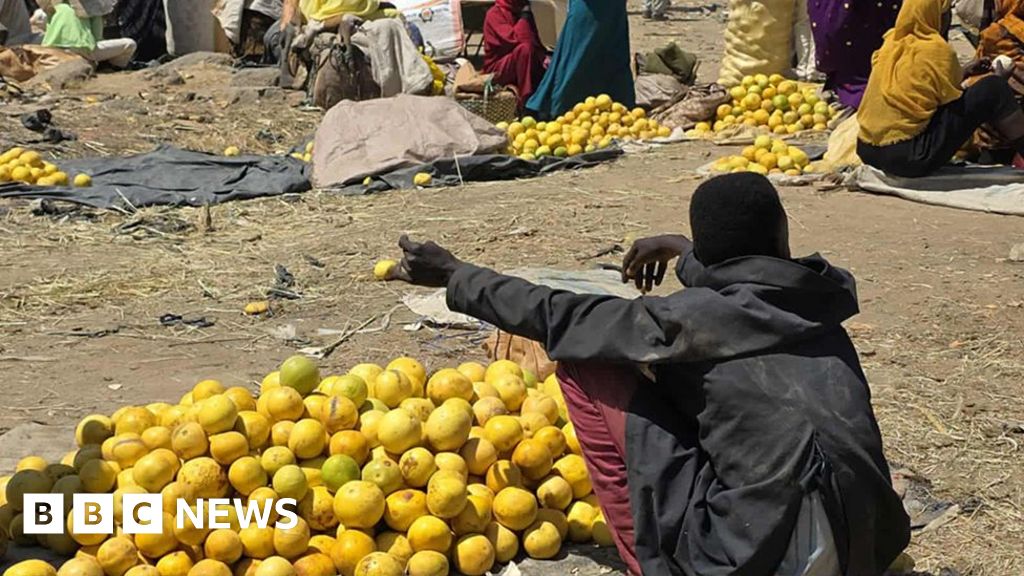
In the chaos and devastation wrought by Sudan’s ongoing civil conflict, a quiet, resilient community persists in the Jebel Marra highlands, defying the turmoil that engulfs much of the country. Located in the western Darfur region, this mountainous enclave remains under the control of the Sudan Liberation Army – Abdulwahid (SLA-AW), a group that has refused to join the broader conflict but instead controls “liberated areas” for over two decades. While the rest of Sudan faces economic collapse, famine, and widespread violence, inhabitants of Jebel Marra carve out a tenuous existence, shielded by the rugged terrain yet haunted by the shadows of conflict and economic isolation.
The geopolitical impact of the situation in Jebel Marra extends beyond local survival, highlighting the fragmented nature of Sudan’s territorial control and the persistence of armed non-state actors. Despite a fragile truce in neighboring areas and limited trade with some local markets reopening, the overarching reality remains one of siege and disconnection. Major roads are blockaded by Arab militias and RSF forces, isolating the region from national markets and humanitarian aid, thereby deepening humanitarian crises. Analysts warn that this persistent instability in the region underscores a broader, dangerous erosion of state authority, with local ethnic and armed groups operating in vacuums of governance, undermining the fragile peace efforts. For many, Jebel Marra exemplifies how some communities, despite environmental abundance and agricultural potential, are caught in the crossfire of larger geopolitical struggles.
War’s Far-Reaching Toll and the Human Cost
Across Sudan, nearly 25 million people face severe food shortages, with more than 600,000 on the brink of famine, according to the United Nations. The two-and-a-half-year-old conflict has crippled agriculture, destroyed infrastructure, and decimated local economies. In places like Golo and Tawila, farmers, vendors, and displaced civilians struggle with an unstable supply chain, often forced to sell their goods at a loss or bypass treacherous routes to reach markets. In Tawila, makeshift markets have emerged amidst the danger, with villagers risking their lives to smuggle food into besieged cities, demonstrating an unwillingness to succumb entirely to despair but also exposing how isolated and volatile the economic fabric has become.
The ethnic and political divisions underlying the conflict have compounded these issues, with armed groups controlling territories and checkpoints that demand heavy fees, often harassing or attacking civilians. International organizations, including the UN and various aid agencies, warn that unless a sustainable political solution is reached, Sudan risks slipping further into chaos. The ongoing blockade and military operations have meant aid struggles to reach vulnerable communities, creating a dire environment where starvation and disease threaten to wipe out entire populations. Historians and analysts compare the unfolding crisis to previous regional conflicts, cautioning that Sudan’s future hangs in the balance—a fragile scrawl on the page of history that could either turn towards lasting peace or descend into further chaos.
Shifting Alliances and a Fractured Political Landscape
The current geopolitical landscape in Sudan is a tapestry of shifting alliances, as various armed factions and ethnic groups carve out autonomous zones. The RSF and Arab militias dominate many strategic points, while SLA-AW in Jebel Marra remains neutral but surrounded by hostility. The region’s strategic importance lies in its relative geographical isolation, but that is increasingly threatened as the conflict’s ripple effect adds new layers of complexity. The international community watches nervously, with some observers noting that any resolution must acknowledge the multifaceted nature of Sudan’s fractured society.
The potential for a broader regional destabilization remains high—many fear that without intervention, the country might bifurcate into splintered, ungoverned zones, paralleling regions in Iraq or Libya where local warlords hold sway. Predictions by geopolitical analysts suggest that if the current trajectory persists, Sudan may become a battleground not just of national power struggles but of international influence, where external actors vie for strategic dominance amidst a highly fragile and volatile environment. The international institutions warn that *how* the Sudan crisis is resolved will reverberate across Africa, affecting regional stability, migration, and global security.
As the pages of history continue to turn, the story of Sudan remains unwritten—caught between hope and despair, sovereignty and chaos. The resilient communities of Jebel Marra are a stark reminder that amidst the epicenter of conflict, human endurance persists. Yet, the choices made by global powers and Sudan’s fractured factions will determine whether this saga ends in reconciliation or further tragedy, leaving behind a landscape scarred by battles now beyond counting but not beyond memory. The world watches, knowing that the next chapter is being written, and history’s pen has yet to rest.




