Matox News

Truth Over Trends, always!

Europe urged to brace for 3°C rise: Challenges ahead but still within reach

Europe Confronts the Harsh Realities of Climate Change: A Wake-up Call for Global Leaders

Amidst mounting evidence and urgent warnings from climate scientists, Europe is witnessing an unsettling acceleration of extreme weather events that threaten its societal fabric and economic stability. Maarten van Aalst, a leading member of the European Scientific Advisory Board on Climate Change (ESABCC), has declared that safeguarding the continent from the devastating impacts of rising global temperatures is a task that, remarkably, “is not rocket science.” His comments underscore a stark truth: the methods required are straightforward and within reach but demand political will and coordinated action. The recent reports from the ESABCC highlight an alarming trajectory—by 2100, temperatures in Europe could soar by 2.8-3.3°C, surpassing the commitments made during the 2015 Paris Agreement, which aimed to limit warming to well below 2°C. Current efforts, they observe, are largely insufficient, characterized by incremental measures that arrive too late to confront the scale of the crisis. This glaring discrepancy between intent and action signals a profound risk to the societal stability of Europe and, by extension, the global order.

The recent history of weather extremes in Europe exemplifies nature’s wrath and the fragility of human resilience. Catastrophic floods in Germany’s Ahr valley in 2021, which killed 134 people, and the deadly storms in Spain’s Valencia region in 2024, claiming 229 lives, serve as stark warnings. Studies attribute half to two-thirds of these fatalities to heat-induced conditions intensified by fossil fuel pollution. Fires that ravaged more land than ever recorded also punctuate this tragic trend. Governments across the continent are under increasing pressure to draw up comprehensive climate adaptation plans, yet many remain unprepared for the severity of the threats. Portugal, for example, recently faced an unprecedented storm series resulting in over €775 million (£675m) in damages and at least 16 fatalities, emphasizing the immediate need for nations to upgrade infrastructure and early-warning systems. The European Union, facing its own political and economic challenges, is urged by analysts and international organizations not to dilute its green commitments in the guise of economic revival, but to prioritize resilience against climatic upheavals.

Expert voices, including historians and climate analysts, emphasize a sobering reality: the window for effective intervention narrows rapidly. Van Aalst notes that twenty years ago, extreme weather primarily threatened poorer nations, but today, Europe itself has become vulnerable, especially to anomalies it has not previously encountered. The ESABCC recommends mandatory climate risk assessments and the integration of resilience strategies into all policy sectors—yet, the critical question remains: how much are nations willing to invest in protecting their societies from impending catastrophe? Beyond just responding to crises, the focus must shift toward prevention and adaptation. The latest IPCC report underscores a disturbing trend—reaching the limits of adaptation if decisive action isn’t taken soon. As the world teeters on the brink of irreversible change, the global community faces a stark choice: act comprehensively or watch as history’s most ambitious climate accord continues to falter. The stakes could not be higher.

In this unfolding chapter of human history, Europe serves as both a warning and a mandate for action. The confluence of rising seas, lethal heatwaves, and relentless wildfires paints a grim picture—a future where modern civilization’s resilience is tested like never before. The decisions made in the coming years will resonate through generations, shaping the legacy of a society caught between its technological achievements and its environmental responsibilities. As climate history continues to be written, the world waits in tense anticipation—will humanity rise to meet this defining challenge or succumb to the chaos of neglect? The answer remains shrouded in the ever-warming shadows of the future, a narrative still unwritten, yet deeply felt: the weight of history is shifting, and the clock is ticking.
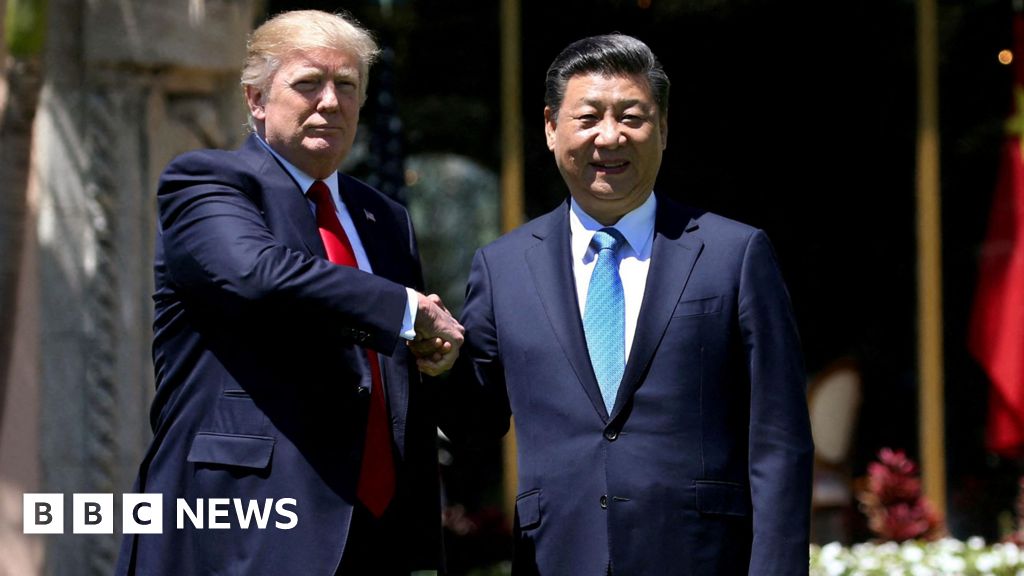
US and China reach trade deal framework before Trump-Xi summit

Global Power Dynamics Shift as US and China Edge Toward Partial Trade Agreement

In a move that signals a potential détente between two of the world’s most influential powers, the United States and China have reportedly reached a preliminary framework for a trade deal, setting the stage for negotiations at the upcoming summit in South Korea. According to US Treasury Secretary Scott Bessent, key issues such as TikTok’s US operations and rare earth mineral controls are central to this accord. The deal, if finalized, could mark a significant departure from the recent history of relentless tariffs and escalating tensions, offering a brief respite but also underscoring the fragile nature of US-China relations amid shifting geopolitical landscapes.

This diplomatic development emerges at a time when both nations vie for global dominance and seek to avoid the catastrophic consequences of a full-blown trade war. Both governments have expressed a cautious optimism, aiming to stave off the steep tariffs threatened earlier this year, which would have further strained economic ties. The Chinese government indicated that the two sides “reached a basic consensus,” and plans are being made to “further finalize specific details,” hinting at pragmatic diplomacy in a landscape often marred by mutual suspicion and strategic mistrust. Historian and geopolitical analyst Dr. Jacob Walters notes that “such agreements, while partial, are crucial in preventing an all-out trade conflict that could destabilize the global economy.” The agreement holds particular weight because the US’s aggressive stance—particularly Trump’s threats of a 100% tariff—has heavily impacted industries and farmers in both countries.

The core issues underpinning these negotiations reveal significant geopolitical impacts and how decisions affect nations and societies. For the US, controlling the supply and access to rare earth minerals—critical components in electronics and renewable energy—has become a strategic priority amid China’s dominance, as the country processes 90% of the world’s supply. The US, under Trump’s administration, had threatened to impose tariffs and export controls, risking supply chain disruptions and economic fallout for American tech giants and manufacturers. However, China’s decision to delay tightening export controls by a year, as Bessent reported, underscores how both nations are weighing economic vulnerabilities against national security concerns. Meanwhile, the softening stance on soybean purchases indicates a willingness to reconcile economic interests with broader strategic agendas. This delicate balancing act reflects a rising awareness that economic interdependence must be managed carefully to prevent conflict in the age of globalized supply chains.

China-U.S. Relations: A Shift Toward Strategic Thaw?

Since the re-election of Donald Trump, US trade policy has oscillated between protectionism and engagement, with tariffs serving as a tool to reshape China’s trade practices. The recent moves toward a deal suggest an understanding that prolonged confrontation could threaten decades of economic progress. Trump’s initial call for dramatic tariffs, especially on Chinese imports, was driven by concerns over intellectual property theft and unfair trade practices. Yet, the tactical pause—marked by negotiations on TikTok, the targeted app of Chinese tech aspirations—may hint at a broader strategy to contain Beijing’s influence while maintaining economic leverage. This political gamble—leveraging technological dependency and economic dependence—could redefine the geopolitical chessboard for years to come. Analysts warn, however, that such agreements are fragile and must be followed by tangible actions to prevent future escalation, especially as Beijing and Washington brace for ongoing competition in technology, military influence, and regional dominance.

Added to the mix is the US’s apparent success in securing trade agreements with nations across Southeast Asia—Malaysia, Cambodia, Thailand, and Vietnam—an effort to strengthen alliances and diversify economic dependencies. These moves serve as a counterbalance to Chinese regional influence, highlighting a global contest for alignment and power. The dance of diplomacy, characterized by negotiations, threats, and tentative agreements, leaves global observers pondering the trajectory of international stability amidst rising nationalism and geopolitical rivalries.

As the world watches, history continues to unfold, teetering on the edge of a new era defined by strategic compromise and the shadows of past conflicts. These fleeting moments of diplomacy—fraught with hope yet fraught with uncertainty—may carve the future of global order. Whether this tentative framework evolves into a permanent peace or collapses under the weight of unfinished business remains an open question, echoing the age-old tension between power and responsibility, prosperity and security. In the grand narrative of history, the next chapter is yet to be written, but its consequences will resonate well beyond the corridors of power, shaping the lives and societies of generations yet to come.

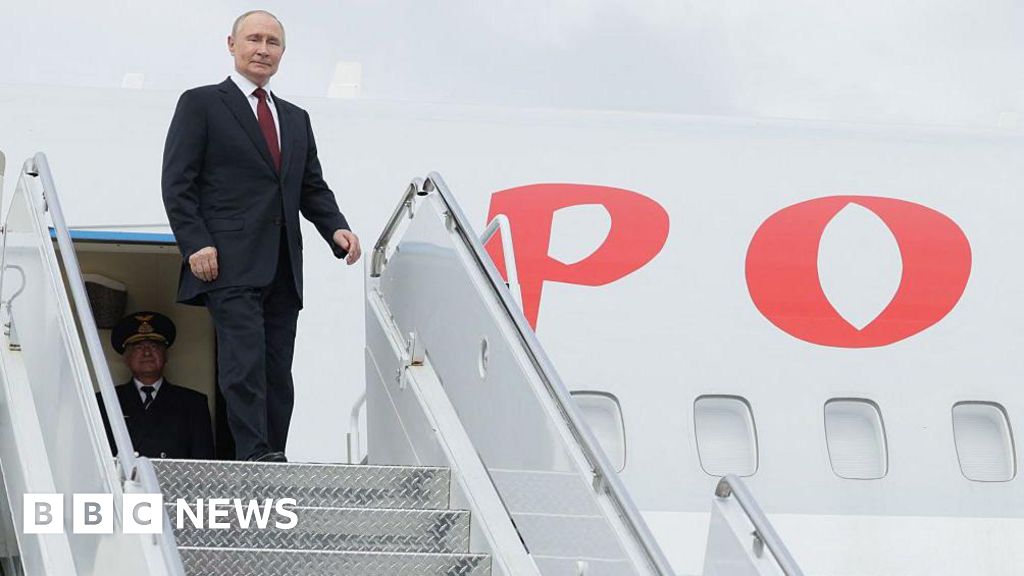
Can Putin's Flying Kremlin Pass Through EU Skies to Reach Budapest?
Can Putin’s Flying Kremlin Pass Through EU Skies to Reach Budapest?

In an era defined by evolving alliances and shifting geopolitical boundaries, Russia stands at a crossroads, with Vladimir Putin exploring possibilities that threaten to ignite further instability within the European continent and beyond. The prospect of a high-stakes summit with U.S. President Donald Trump in Budapest signals an intense phase in diplomatic chess, where decisions made in the coming weeks could either pave the way for a fragile peace or deepen the chasm of conflict. Despite the veneer of diplomatic efforts, the underlying tensions are palpable, rooted in decades of strained relations and recent aggressive moves by Moscow.

Putin’s planned visit to the Hungarian capital is encumbered by complex logistics and international restrictions. Russia’s planes are officially barred from EU and NATO airspace, meaning Putin would require emergency dispensation to bypass these restrictions—an unlikely event given the current political climate. Experts warn that even with special permissions, the likelihood of safe passage over countries such as Bulgaria and Romania remains uncertain, especially considering the ongoing NATO build-up on Europe’s eastern flank. The most straightforward route—through Serbia or Turkey—invites its own set of diplomatic challenges, as these nations are either non-EU members or official candidates, potentially serving as bridges for Putin’s flight without breaching international sanctions yet complicating the delicate balance of Western alliances. The scenario underscores a dangerous dance of sovereignty, where every move could deepen the rifts that threaten global stability.

Meanwhile, the European Union and NATO are meticulously examining the legal and strategic implications of such a summit. The EU’s executive commission has underscored that any move that advances “a just and lasting peace for Ukraine” is supported—but emphasizes that the methods of transit remain tightly regulated. The crux lies in whether member states will grant exceptions for Putin’s aircraft, risking further escalation or symbolic defiance of Western sanctions. Historians and analysts suggest that Russia’s continued defiance of international norms, including accusations by the International Criminal Court of war crimes related to Ukraine, have made genuine negotiations elusive, and such summits risk merely being tactical gestures rather than pathways to resolution.

The backdrop to this perilous moment reveals a Europe increasingly divided, with Hungary under Viktor Orban positioning itself distinctively. Orban’s close ties with Putin, combined with his outspoken skepticism of the EU’s stance on Ukraine, threaten to undermine consensus within the bloc. Orban’s overt rejection of Brussels’ pro-war rhetoric and his assertion that the EU will be “left out of peace talks” illustrates a broader pattern of internal discord and the resurgence of nationalist rhetoric that WEstern analysts associate with a potential realignment of power dynamics in Europe. This internal fracture complicates an already tense environment, as Orban’s government prepares to host Putin amidst mounting international sanctions and military build-ups. The move could be viewed as a calculated gamble by Orban, betting that good relations with Moscow may bolster Hungary’s strategic autonomy at a time when the continent faces existential threats.

The unfolding story is a stark reminder that history is still being written—each diplomatic maneuver carries the weight of nations’ future, and even the most cautious steps could lead to unforeseen consequences. As the world watchfully stares at Budapest’s horizon, the potential for a summit that could transform the geopolitical landscape remains looming. Will it be a groundbreaking step towards peace or the spark for a broader conflict? In this tense moment, history beckons us to reflect: the decision to meet or to refuse may determine the destiny of nations for generations to come, leaving us all spectators in an unpredictable saga that is far from over.

Seoul eyes OK for Google, Apple’s high-res map plans—tech reach meets city limits

South Korea Weighs High-Resolution Map Data Export—A New Battlefield for Tech Giants

South Korea is at a pivotal crossroads in its approach to geospatial data sovereignty, with tech giants like Google and Apple vying for approval to export high-resolution maps outside the country. The decision, anticipated around November 11, could significantly alter the landscape for digital innovation, national security, and business strategy in Asia’s high-tech hub. Governments worldwide are increasingly scrutinizing the use and export of detailed geospatial information, viewing it as a double-edged sword—crucial for technological progress but a potential security threat.

The controversy centers on the export of 1:5,000 scale maps—maps that reveal street-level detail far more granular than traditional maps. These detailed datasets hold immense value for localized services, giving market leaders like Google and Apple a substantial edge in competitive navigation and augmented reality platforms. However, the sensitivities surrounding such information stem from concerns over national security, especially given South Korea’s ongoing conflict with North Korea. Lawmakers and security officials highlight the risks of exposing military sites and strategic assets if detailed maps are made accessible outside the country’s strict regulatory framework.

This regulatory tug-of-war underscores a broader trend of nations asserting digital sovereignty, with South Korea’s Geospatial Information Management Act serving as a key legal pillar. Since its enactment in the 1970s, the law has imposed rigorous controls on foreign access to geographical data, requiring government approval—often multiple layers of review—before allowing any export or transfer. Notably, Google’s previous requests for access have been rejected—in 2011 and 2016—unless the company committed to locating local data centers and obscuring sensitive sites. While Google has reportedly taken steps to blur military and security sites, it continues to seek permission for exporting high-res map data, which could drive its competitive advantage globally.

Disruption is imminent, with Apple making parallel moves to expand its high-resolution mapping footprint. In June, Apple submitted a request to export detailed map data, following a prior rejection in 2023. Notably, Apple’s strategy diverges by leveraging local servers, granting them increased flexibility and potentially quicker compliance with South Korean security requirements. The company is also reportedly exploring partnerships with local satellite data providers like T Map, owned by SK Telecom, to adhere to regulatory mandates while enriching its map quality. In this rapidly evolving landscape, the implications for market dominance and technological innovation are profound: local competitors such as Naver and Kakao continue to leverage high-detail maps, whose capabilities threaten to displace global players if regulatory hurdles are navigated successfully.

Recent international precedents highlight the strategic importance of geospatial data for national security and technological leadership. Governments have demanded the deactivation of real-time traffic or live mapping features in conflict zones—such as Israel and Ukraine—demonstrating the sensitive nature of live geo-information. Experts such as MIT’s Dr. Elizabeth Bell and cybersecurity analysts emphasize that controlling geospatial data is not just about privacy but about maintaining competitive advantage and sovereignty in the era of disruptive innovation. Companies like Google and Apple are navigating a digital battleground where every map update or data request could reshape their global market position.

Looking ahead, the South Korean decision will serve as a benchmark for other nations grappling with geo-security and innovation policies. The push-and-pull between openness and security reflects a broader geopolitical shift—where digital infrastructure becomes a key component of national strength. As industry leaders and policymakers grapple with these issues, the urgency to innovate responsibly while safeguarding sovereignty will only intensify, demanding agility, strategic foresight, and uncompromising adherence to emerging regulatory standards. The future of geospatial technology hinges on how countries and corporations balance these conflicting priorities—an unmistakable sign that we are entering a new era of digital sovereignty and technological disruption.

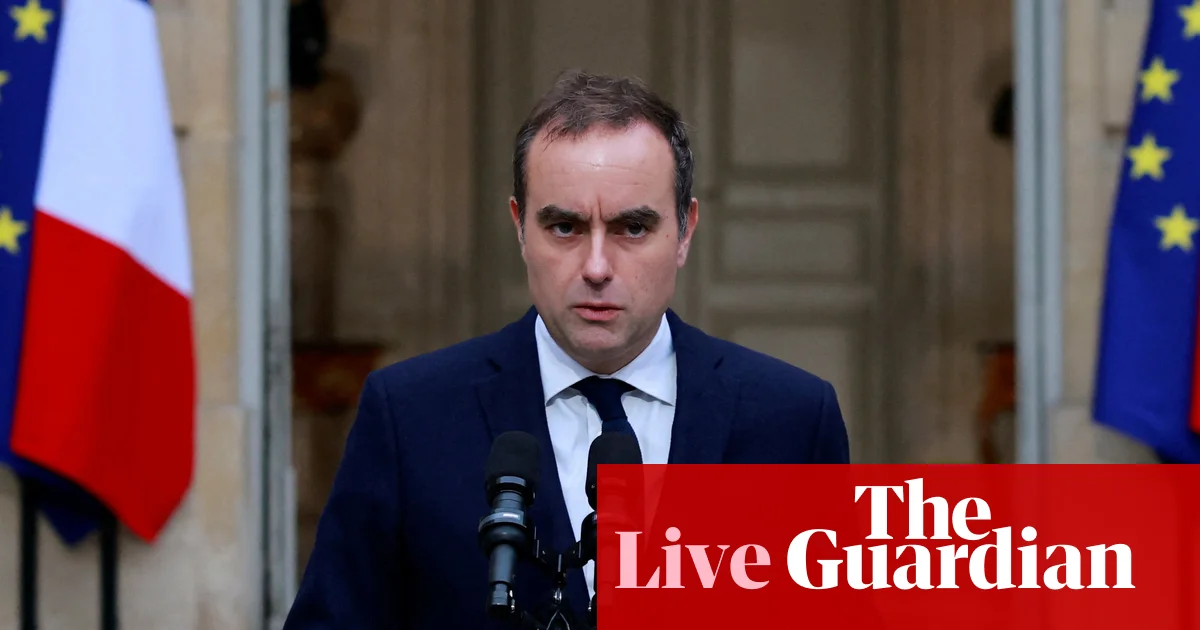
Outgoing French PM: Strong Will to Reach Budget Deal, No Snap Elections on Horizon | Europe Update

France’s Political Crises Unfold: A Threat to European Stability

In what can only be described as a deepening crisis within one of Europe’s key nations, France is embroiled in political chaos that threatens its stability and, by extension, the coherence of the European Union. Recent developments reveal a fragile government under President Emmanuel Macron‘s leadership, with the resignation of Prime Minister Sébastien Lecornu marking yet another chapter in a series of tumultuous events since Macron’s re-election in 2022. As the nation grapples with deadlock and discontent, international analysts warn that such internal instability risks emboldening far-right factions like Marine Le Pen’s National Rally, with potentially far-reaching geopolitical consequences.

At the heart of the current turmoil is France’s inability to pass a coherent budget, a dire consequence of a hung parliament and fragmented political alliances. Lecornu, appointed after Macron’s 2022 re-election, has publicly expressed the desire to craft a budget by year’s end, signaling some convergence among diverse political factions. However, the overarching issue remains—the longstanding deadlock has rendered Macron’s presidency increasingly isolated, with mounting calls from within his own camp for early resignation or snap elections. Historian Jacques Dupont notes that this political paralysis could drastically alter France’s constitutional balance of power and erode public confidence.

  • Macron’s refusal to resign amidst plummeting popularity, with polls indicating that 70% of French citizens favor his stepping down, underscores the severity of the crisis.
  • Prime Minister Lecornu’s resignation and subsequent statements have highlighted a stubborn political deadlock, with attempts at coalition-building proving futile.
  • The political landscape in France appears ripe for exploitation by far-right parties, who are gaining popularity, further threatening the foundational stability of the Fifth Republic and the European project itself.

This ongoing crisis signals a pivotal moment for France and its societal fabric. International institutions such as the European Commission and OECD are closely monitoring the situation, understanding that prolonged instability could destabilize European markets and diplomatic ties. Scholars warn that if Macron’s government fails to reassert control, it could accelerate separatist movements, particularly in territories like New Caledonia, where political tensions have already delayed autonomy negotiations. The possibility of political fractures extending from mainland France to its overseas territories illuminates the complex geopolitics at play.

The recent upheaval in France is reminiscent of historic political crises that reshaped nations and continents. Many analysts draw parallels with de Gaulle’s resignation in 1969, an act that reshaped France’s political landscape and set a precedent for presidential accountability. The potential for Macron’s resignation or the dissolution of parliament could usher in a new era—one fraught with uncertainty but also an opportunity for renewal. As Macron prepares to address the nation, the world watches with bated breath, realising that the unfolding chapters in France’s history may well define the geopolitical contours of Europe for decades to come. The weight of history now rests heavily on the shoulders of its leaders, in a country whose decisions continue to echo across the global stage. As the crisis deepens, the question remains: will France find its way back to stability, or will this turmoil ignite a broader upheaval that reshapes the continent entirely?

Parents deserve real support — Why is free 30-hour childcare still out of reach?

In recent years, the landscape of childcare in the United Kingdom has undergone significant shifts, reflecting broader societal transformations and underlying social tensions. The expansion of government-funded childcare hours represents a conscious effort by policymakers to bolster family stability and support working parents. As of 2025, working parents with children aged nine months to four years can access 30 hours per week of funded childcare during term time—an increase from previous provisions and an acknowledgment of the critical role early childhood education plays in society’s fabric. However, beneath these policy initiatives lies a complex reality for families and communities, shaped by economic pressures, staffing shortages, and regional disparities.

While the scheme has benefitted approximately 530,000 more children since its expansion, the challenges are evident. The high costs of childcare remain a major societal concern, with the average full-time nursery place costing £12,425 annually for children under two — a figure that has declined by 22% following recent policy implementation. Yet, affordability is not evenly distributed across the nation. Wales, for instance, witnesses the highest average costs at £15,038, while Northern Ireland reports monthly expenses around £520 for infants. For working families, the financial burden of early childhood care can hinder employment prospects and economic independence, especially in social strata where household incomes are lower and “childcare deserts” are more prevalent, according to Ofsted. 

The quality and accessibility of early years education are further compromised by systemic issues. The decrease in the number of childminders—as fewer providers operate in private homes—exacerbates regional inequalities, creating disparities that sociologists like David H. Shonnard have identified as deeper manifestations of *social stratification*. The government’s promise to add 100,000 new childcare places and foster more nurseries could help bridge the gap, but the distribution remains unequal, with disadvantaged communities disproportionately impacted. Many children from these backgrounds are now receiving fewer free hours—nor is there clear evidence that current efforts sufficiently reach the most vulnerable families.

The moral question at the core of this social issue revolves around the societal responsibility to nurture equitable childhood development and empower families. Early childhood sociologists like Katherine Levine Einstein emphasize that investing in affordable, accessible quality care is not merely a family issue but a societal imperative. As policymakers debate funding rates and regulations, the human cost of inaction endures in communities where parental employment hinges on unreliable or prohibitively expensive childcare. With the societal fabric stretched thin, the hope remains that continuous reform, combined with community-driven solutions, can transform these challenges into opportunities. Society’s true resilience lies in its capacity to adapt, to believe in a future where every child, regardless of social standing, begins life on an equal footing—so that society as a whole can thrive in the face of longstanding social tensions and economic uncertainties.

Social Media Auto Publish Powered By : XYZScripts.com