
The Rise of the Bow: How a Vintage Accessory Became a Cultural Signal
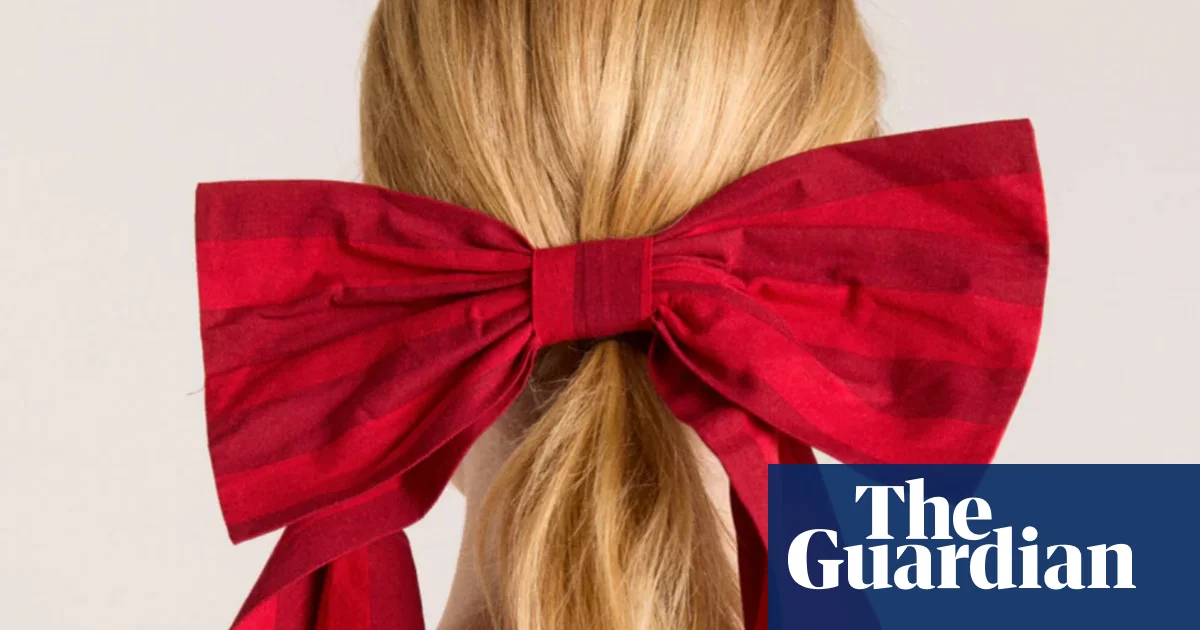
Once just a simple decorative feature from Victorian childhoods or Marie Antoinette’s opulent court, bows are now making a *massive* comeback—shaping fashion, social discourse, and even gender norms. From the high-stakes runway shows of Dior to grassroots movements on the rugby field, it’s clear that the humble bow has transcended its traditional femininity to become a powerful symbol of identity, rebellion, and social change. Today, this accessory does more than just add flair; it embodies a cultural shift in how we communicate femininity, gender fluidity, and even political solidarity.
Leading this revival are influencers, fashion designers, and sociologists noticing that the bow is no longer just a cute detail—it’s a loaded statement. Young designers like Sandy Liang and Simone Rocha are pushing bows into unexpected territory, featuring them on everything from handbags to wedding dresses. Meanwhile, on the streets and social media, more people are embracing bows as a form of subversive symbolism. Take Welsh rugby star Georgia Evans, who was attacked online for wearing pink hair bows during a game, only to turn that criticism into a viral movement of solidarity. Over 1,000 bows appeared at her subsequent match, symbolizing strength and inclusivity under attack. It’s a testament to how something as simple as a bow can become a social rallying cry, especially for young people eager to challenge outdated gender roles and expectations.
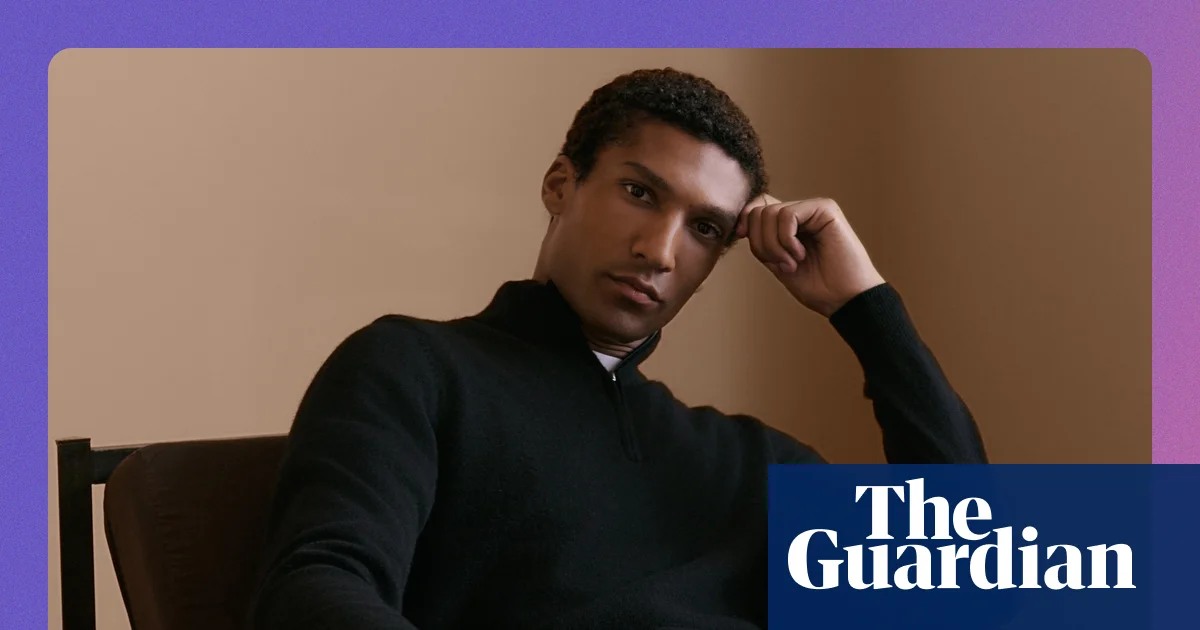
On the fashion front, the cultural impact is undeniable. Major brands like Next and M&S are selling an array of bow-adorned items—cardigans, dresses, earrings, and accessories. The trends are also reflected on red carpets, where male stars like Harry Styles and Ncuti Gatwa sport oversized bows, challenging gender binaries and highlighting that fashion is a canvas for political statement. Historically, bows were symbols of aristocratic status or flirtation, but today they are a form of expressive rebellion. As fashion historian Valerie Steele explains, bows are now “a sort of code or identity,” often worn ironically or subversively. This evolution demonstrates that what once served as a mark of femininity now acts as an emblem of self-expression and defiance, especially among the youth who view gender and social norms as fluid and negotiable.”
Yet, the question lingers: are we witnessing a lasting shift, or is this just a fleeting trend? Unlike previous fashion cycles, the current bow renaissance is deeply intertwined with broader societal conversations about gender, identity, and social justice. As designer Jonathan Anderson opened Dior’s most anticipated collection with a bow-topped dress, and influencers flaunt bow earrings and accessories, it’s clear that the bow is no longer merely an aesthetic choice—it’s a *statement of cultural evolution*. The next big question: will future generations see the bow as a symbol of both eroticism and empowerment or will it be just another passing trend? The answer could reveal much about how society’s understanding of identity—and perhaps its tolerance for complexity—continues to evolve in unexpected ways.