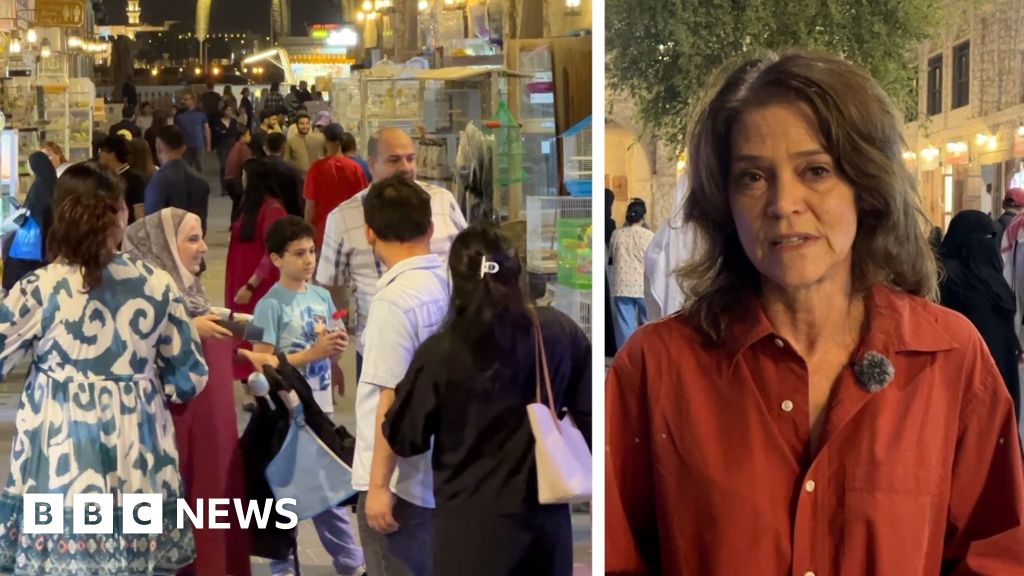

As the Middle East plunges into its third week of escalating conflict, the ripple effects are reverberating beyond regional borders, threatening to redraw the geopolitical landscape. The initial outbreak, triggered on 28 February by a series of targeted strikes involving Israel, the United States, and Iran, has shaken what was once thought to be a relatively stable area. In a stark display of the fragile peace and mounting tensions, the bustling Souq Waqif market in Doha was nearly deserted the day the conflict erupted, a grim sign of how fears of broader war are unsettling even the most tranquil corners of the Gulf.
The Gulf Cooperation Council nations, traditionally aligned with Western interests and regional stability, are now caught in a maelstrom of violence and retaliation. Tehran’s retaliatory strikes have targeted various locations, including military facilities in neighboring countries, resulting in at least 18 fatalities across the Gulf states. These actions underscore Iran’s strategy of asymmetric warfare, aiming to leverage its regional influence while avoiding full-scale confrontation. Despite extensive efforts at interception, many of the Iranian missiles heading toward Qatar were successfully neutralized by advanced air defense systems. Nevertheless, the threat of escalation remains palpable, with potential repercussions for international security. Analysts warn that these attacks not only threaten regional stability but also threaten to ignite a broader conflict involving major powers on multiple fronts.
International organizations and geopolitical analysts have expressed concern over the mounting geopolitical impact. Victor Hanson, a renowned historian specializing in Middle Eastern conflicts, warns that this cycle of retaliation risks leaving the region’s delicate balance in ruins, with long-lasting consequences for global diplomacy and security. The conflict’s broader implications extend to oil markets, trade routes, and the strategic interests of nations around the world. As the United Nations calls for restraint, the decisions made in these critical weeks will likely shape regional alliances and conflicts for decades to come.
Meanwhile, within Qatar, a country that has seen relative calm, the mood begins to shift. Once bustling, the Souq Waqif market has gradually regained its activity, signaling resilience amid turmoil. The BBC’s Barbara Plett Usher visited the market to gauge local sentiment, uncovering a populace torn between fear and hope. Society’s response highlights how decision-makers’ actions in the coming days—whether de-escalation or escalation—will determine the fabric of regional societies and their futures. As the world watches with bated breath, history continues to unfold—its outcome uncertain, the stakes immensely high, and the narrative still being written with each passing hour.