Matox News

Truth Over Trends, always!

Ami-dong: Busan’s Bold ‘Tombstone Village’—Korean Refugees Reclaim a Japanese Cemetery with Style

Standing at the crossroads of history and transformation, Busan, South Korea, offers more than just scenic beaches and vibrant markets—it embodies a complex narrative of resilience, migration, and cultural preservation. Tucked away in the hills adjacent to one of the city’s most colorful landmarks, the Ami-dong area is a living testament to Korea’s turbulent past and the enduring spirit of its people. Once a hidden pocket of history, adorned with tombstones inscribed with Japanese characters, today it stands as a symbol of renewal—a place that invites visitors to reflect on the layers of life, death, and rebirth that have shaped the city’s identity. For the modern explorer, Ami-dong isn’t merely a tourist attraction; it is an immersive journey into the soul of a nation that refuses to forget its past while boldly building its future.

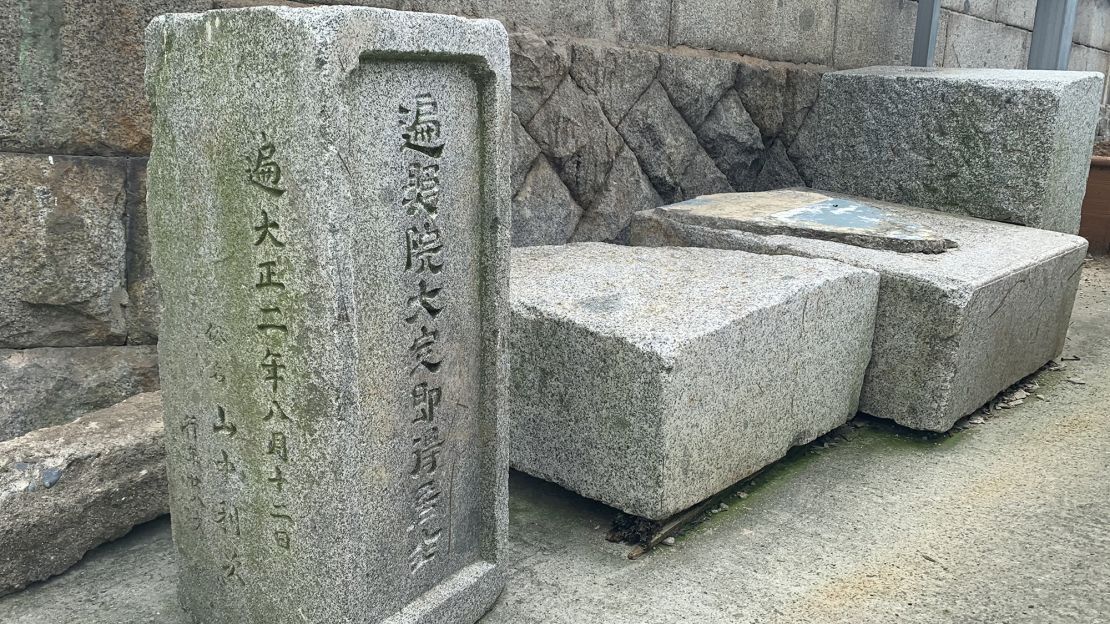
During the Korean War, Ami-dong served as a crux of survival for refugees fleeing the devastation of conflict. Built atop the remains of an old cemetery—originally established during Japan’s occupation of Korea from 1910 to 1945—the area symbolizes a convergence of colonial history and wartime resilience. As the war displaced over 640,000 North Koreans and countless South Koreans, many sought refuge in Busan, which became a makeshift wartime capital. This influx of displaced citizens led to the rapid expansion of densely packed hut villages, with the remnants of Japanese tombstones repurposed as construction materials or used as garden borders—small, tangible echoes of the past laid bare amidst the urban sprawl. As noted by historians like Kim Jung-ha, the area of Ami-dong was once a boundary—between life and death, urban and rural, home and alien territory—a reflection of Korea’s ongoing struggle to redefine itself amidst layers of colonization and conflict.

In recent years, however, the narrative of Ami-dong has shifted from one of trauma to one of vibrant cultural revival. The South Korean government has invested significantly in preserving this unique heritage site, transforming it into a thoughtfully curated tourist destination that balances remembrance with progress. Guided by local initiatives and cultural experts, the area now features an information center illustrating its historical significance, with murals and plaques paying homage to the tombstones and the lives they represent. Visitors are encouraged to approach respectfully, as many residents still cherish their community’s roots.

  • Explore the winding alleys and spot tombstones nestled under staircases and doorsteps, some inscribed with Japanese characters, others weathered by time, whispering stories of those long gone.
  • Visit the nearby Gamcheon Culture Village—another hub of colorful art and history—often linked by scenic bus rides that highlight the city’s blend of old and new.
  • Reflect at the planned memorial site, where scattered tombstones θα be collected, honoring the memory of those who contributed to the city’s layered history.

Ultimately, Ami-dong exemplifies a lifestyle rooted in *mindful remembrance* and *urban renewal*. It challenges the urban dweller and the curious traveler alike to consider how history influences our present—and how, through respect and preservation, we forge a meaningful connection to the past. As urban engineering professor Kong Yoon-kyung eloquently expressed, “In an urgent situation, when there was no land, a cemetery was there, and people felt compelled to live among those memories.” Today, this sentiment resonates in the enduring presence of tombstones, not as symbols of death, but as anchors of personal and collective identity. Life, in its continual flow, demands that we confront our roots with honesty and reverence, recognizing that our future can be enriched only by learning from what we carry beneath our feet. For those willing to embrace history in its raw, unvarnished form, Ami-dong beckons as a reminder that true wellness and inspiration come from understanding where we come from—even when that means walking among ghosts of a complex, storied past.
Greenlandic Families Push Back as Parenting Tests Banned, Fight to Reclaim Their Kids

Greenlandic Families Fight for Justice Amid Danish Child Welfare Policies

In an unfolding chapter of international custody and cultural conflict, families from Greenland are challenging decades-long practices by the Danish government that have led to the removal of their children. Tied to a complex history of colonialism, these legal and social interventions have sparked protests, emotional trauma, and ongoing legal battles, exposing a deep-rooted crisis of cultural identity and human rights. As Greenland strives for recognition of its sovereignty and cultural integrity, the case of these families underscores how international decisions can reverberate across societal fabric—shaping laws, perceptions, and lives in powerful, often tragic ways.

Central to this controversy are the so-called FKUs—parenting ability assessments that, since their inception, have been used by Danish social services in complex welfare cases. Critics argue that these evaluations are heavily biased, culturally insensitive, and lack scientific validity—particularly when applied to Greenlandic families. Analysts and human rights advocates warn that these tests, administered in Danish and tailored around Danish norms, distort true parenting capacity, threatening to erase traditional Greenlandic values and foster a cycle of loss and despair. For many families, like Keira and Johanne, these assessments have resulted in the heartbreaking removal of their children immediately after birth or during early childhood, often based on superficial tests that critics say cannot reliably predict parental success.

The Human Cost and Cultural Clash

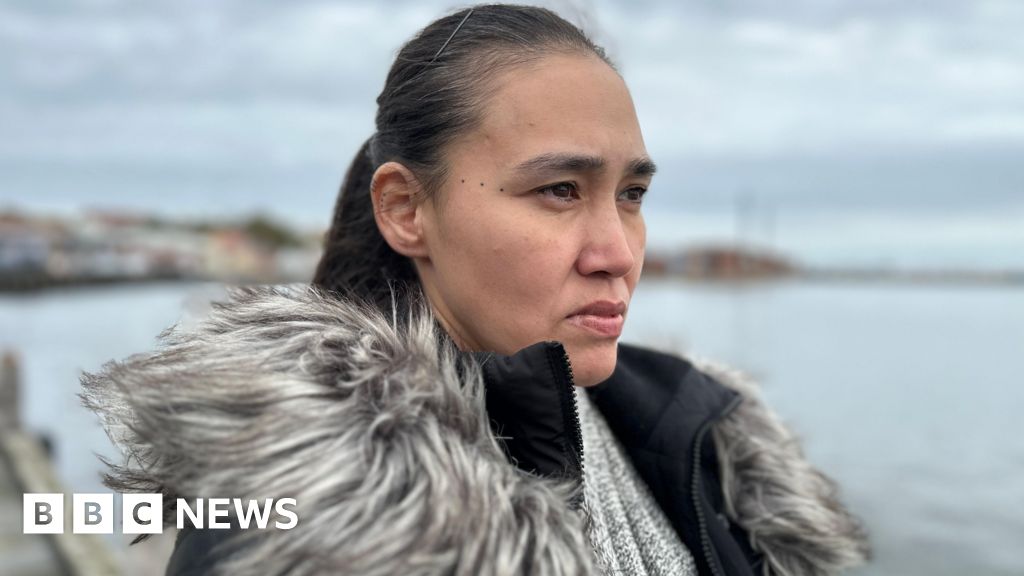
The stories of Keira and Johanne are emblematic of the personal tragedy woven into this larger international issue. Keira, a Greenlandic mother, recounts her agony of having only two hours with her newborn, Zammi, before social services took her away—an experience marked by uncontrollable sobbing and whispers of regret. Despite ongoing visits, she remains separated from her daughter, battling court decisions rooted in assessments that questioned her parental abilities based on questions about Mother Teresa or the speed of sunlight. Similarly, Johanne’s premature son was taken at birth, despite a brief period of contact, and subsequently adopted—the loss lingering painfully for both parents. Such cases illustrate how administrative decisions intertwined with cultural insensitivity can fracture families permanently.

While the Danish government announced a review of hundreds of such cases in the wake of mounting criticism and protests—some in Nuuk, Greenland’s capital—>the process remains slow and uncertain. As of now, only a fraction of cases have been reevaluated, with no children returned. Critics, including social workers and psychologists, contend these assessments are often based on outdated or culturally biased criteria. The recent ban on FKUs in Greenland was a significant step, yet advocates argue that systemic reform is necessary to prevent future tragedies and uphold the rights of indigenous communities.

Implications for Global Law and Sovereignty

The dilemma extends beyond individual families; it highlights the broader geopolitical impact of colonial legacies and sovereignty. Greenland, a territory with a rich indigenous culture and increasing strategic importance due to its natural resources, finds itself at the crossroads of international governance and cultural preservation. The families’ struggles reflect a wider debate: should colonial-era social policies continue to dominate or give way to indigenous-led justice? International organizations like the United Nations and European Court of Human Rights face mounting pressure to intervene, signaling a global shift towards recognizing indigenous rights and cultural autonomy in social policies.

As historians and analysts observe, this murky intersection of law, culture, and geopolitics is a *turning point*—a test of how modern nations reconcile their histories with contemporary human rights standards. For Greenlandic families, especially, the fight is about more than custody; it is about preserving identity and dignity amid an evolving global landscape. Time may echo with the resolutions of courtrooms and legislative chambers, but the weight of history continues to cast shadows. The ongoing struggle for the return of their children serves as a stark reminder: decisions made in distant boardrooms and courtrooms today will, in time, define the legacy of justice, cultural resilience, and sovereignty for generations to come. The story is still unfolding, and only history can tell whether humanity advances towards true equality or remains prisoner to its colonial past.

Social Media Auto Publish Powered By : XYZScripts.com



