Matox News

Truth Over Trends, always!

Dementia Won't Silence Their Joys — We Must Recognize Their Humanity
Dementia Won’t Silence Their Joys — We Must Recognize Their Humanity

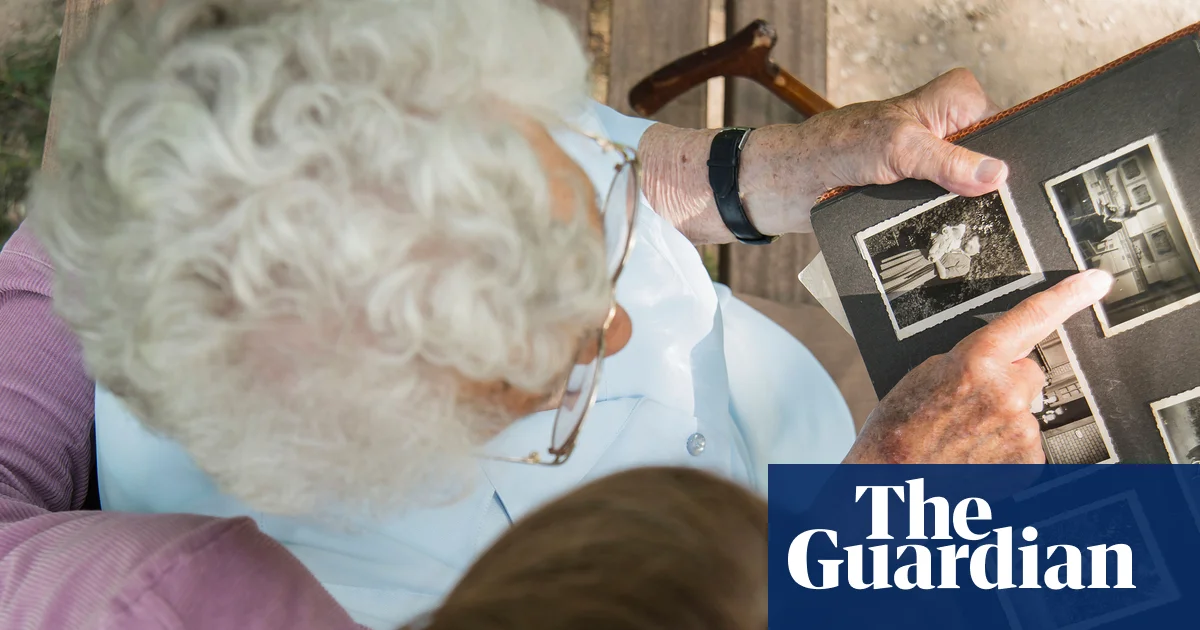
Across our communities, the battle against social isolation and the neglect of vulnerable populations exposes an unsettling truth about society’s moral fabric. Dementia, a progressive neurological decline, is often dismissed or misunderstood, leaving families and caregivers grappling with the emotional, financial, and practical tolls. As sociologists like Dr. Laura Smith argue, the way a society treats its most vulnerable reflects its true character. Yet, amidst the struggles, stories emerge that challenge societal apathy, reminding us that **people with dementia remain human beings** with capacities for love, connection, and dignity. These stories aren’t just reflections on individual resilience—they are calls for societal reform, urging policymakers, educators, and healthcare systems to prioritize compassionate approaches to care.

At the heart of these issues lies **the impact on families and educational institutions**. When a loved one faces dementia, the disruption extends beyond the individual, fracturing families and pulling communities into long, often exhausting caregiving roles.

  • Many families lack access to comprehensive support and resources needed for proper care, leading to increased stress and strained relationships.
  • Educational programs that raise awareness about dementia are critical but underfunded, perpetuating misconceptions and social stigmas.
  • Historians like Dr. Peter Reilly emphasize that societies which invest in preventative care and community support create stronger bonds and more resilient communities.

In school settings, **the cultural shift towards understanding neurodiversity and mental health** is slowly gaining ground, but significant gaps remain. Without a societal focus on empathy, children grow up in environments that sometimes overlook the humanity of those with cognitive impairments, shaping attitudes that lead to social exclusion and discrimination. Addressing this requires a fundamental cultural shift—one that values **dignity and compassion** over indifference and neglect.

The stories shared by individuals like Jo Glanville and Catherine Roome powerfully illustrate **the transformative potential of simple acts—reading, music, and storytelling**—that bridge the gap between society’s neglect and human connection. Jo Glanville eloquently captures how reading was more than just a pastime for her parents; it was a vital link to their identity and humanity, even in the face of dementia’s relentless march. Meanwhile, music therapy and creative storytelling demonstrate that **yet again, society’s most vulnerable can find moments of joy and recognition** when given the chance. These humanistic approaches highlight a profound truth: *respect and love are not commodities—**they are the moral bedrock of any thriving society**.* When we resist reducing individuals with dementia to mere “zombies” or burdens, we uphold the ethical standards that define a compassionate civilization.

In facing society’s ongoing social issues surrounding dementia and care, it becomes evident that **our collective responsibility** extends beyond hospitals and homes—to each of us as members of a society that must guard its moral integrity. Historians like Yuval Noah Harari suggest that only through shared stories and community effort can we foster a society where differences are respected and the dignity of every individual is upheld. As families, educators, and policymakers grapple with future challenges, the hope remains that society can evolve—prioritizing **empathy over neglect**, **community support over isolation**, and **respect over judgment**. Society’s true strength lies in its capacity to care for its most fragile, transforming despair into hope, silence into song, and indifference into a collective embrace. Ultimately, the measure of our society is whether we rise to uphold the humanity in others, illuminating a path toward a future where dignity is restored, and no one is left to fade into the fog of forgotten stories.

Brazilian Minister: Recognize Indigenous Lands in Climate Strategy at COP30

As the United Nations Climate Summit (Cop30) unfolds in Belém, Brazil, the global spotlight intensifies on the urgent intersection of climate policy and indigenous rights. Sonia Guajajara, a prominent Indigenous activist turned minister under President Lula da Silva, has emphasized that recognition of demarcation of Indigenous lands must be embedded into the core strategies to combat the climate crisis. Her declaration not only underscores the moral and environmental importance of safeguarding these territories but also highlights a broader geopolitical challenge: how international cooperation, or the lack of it, shapes the future of the Amazon, vital to global climate stability.

  • Guajajara’s call for the recognition of Indigenous land rights aligns with evolving climate diplomacy where protecting natural ecosystems is increasingly seen as a shared responsibility.
  • At the summit, Indigenous communities, Afro-descendants, and traditional farmers have congregated, deliberately demonstrating their indispensable role in generating sustainable solutions, thus challenging the prevailing narratives driven by industrial interests.
  • This activism comes amid warnings that exploitation—particularly by the mining sector—threatens the Amazon’s rivers, notably the Tapajós, which have been contaminated by mercury from illegal gold extraction.

The geopolitical impact of these developments extends beyond Brazil’s borders. Brazil’s Congress, dominated by agribusiness and mining interests, seeks to open vast territories such as Yanomami lands to industrial mining—a move fiercely opposed by environmentalists and Indigenous leaders. The stakes are high; these territories house some of the world’s most critical ecosystems, which are essential to global climate regulation. Historically, such pursuits have often been underpinned by a narrative of economic development at the expense of indigenous sovereignty. However, the summit’s focus indicates a shifting paradigm where environmental conservation and Indigenous rights are now central to international policy discussions.

A pivotal aspect of Cop30’s agenda is the Tropical Forest Forever Facility (TFFF), a pioneering financial mechanism aimed at incentivizing countries with substantial forest cover to resist deforestation. So far, approximately $5.5 billion has been pledged, with Brazil’s President Lula aiming for a total of $25 billion from public funds, supplemented by plans to generate an additional $100 billion through financial markets. If successful, the TFFF could become a vital tool in counteracting global deforestation trends, symbolizing a potential shift from reactive conservation to proactive investment. Nonetheless, recent diplomatic setbacks, notably the UK’s decision not to contribute, cast a shadow over international collaboration, threatening to undermine the summit’s ambitions. Critics argue that this retreat not only hampers the fund’s potential but also damages the fragile trust necessary for sustained global climate efforts. Guajajara expressed her disappointment: “It is regrettable that Britain is not contributing resources,” highlighting the widening gap in international commitment.

This reluctance from advanced economies echoes a broader geopolitical division. China, which has expressed tentative support for the TFFF, maintains the stance that developed nations must bear the primary financial burden for climate mitigation. Historically, this tension reflects the ongoing debate over climate justice: should developing countries shoulder the economic costs of their own development, or should the historical polluters—mainly industrialized nations—fund the transition? As climate analysts warn that the window to limit global warming to 1.5°C is rapidly closing, these conflicting priorities threaten to stall vital progress. According to international organizations, such as the IPCC, failure to bridge these gaps could lead to irreversible environmental and societal upheaval—a stark reminder that the “battle for the Amazon” is emblematic of a larger contest over global influence and responsibility.

As the proceedings unfold amidst peaceful protests and diplomatic negotiations, the weight of history seems ever more profound. The decisions made here—whether for indigenous recognition, environmental finance, or geopolitical alignment—will echo through generations. In the shadow of the Amazon’s towering canopies and the corridors of power, the urgent question remains: *how long can the world ignore the lessons of history before the consequences become irreversible?* The story of Cop30 is still being written, and the final chapters have yet to be penned. Yet, one truth endures; the fate of the Amazon and humankind’s future are intertwined, caught between the relentless tide of progress and the imperative to preserve the planet’s sacred natural inheritance.

Social Media Auto Publish Powered By : XYZScripts.com



