Matox News

Truth Over Trends, always!

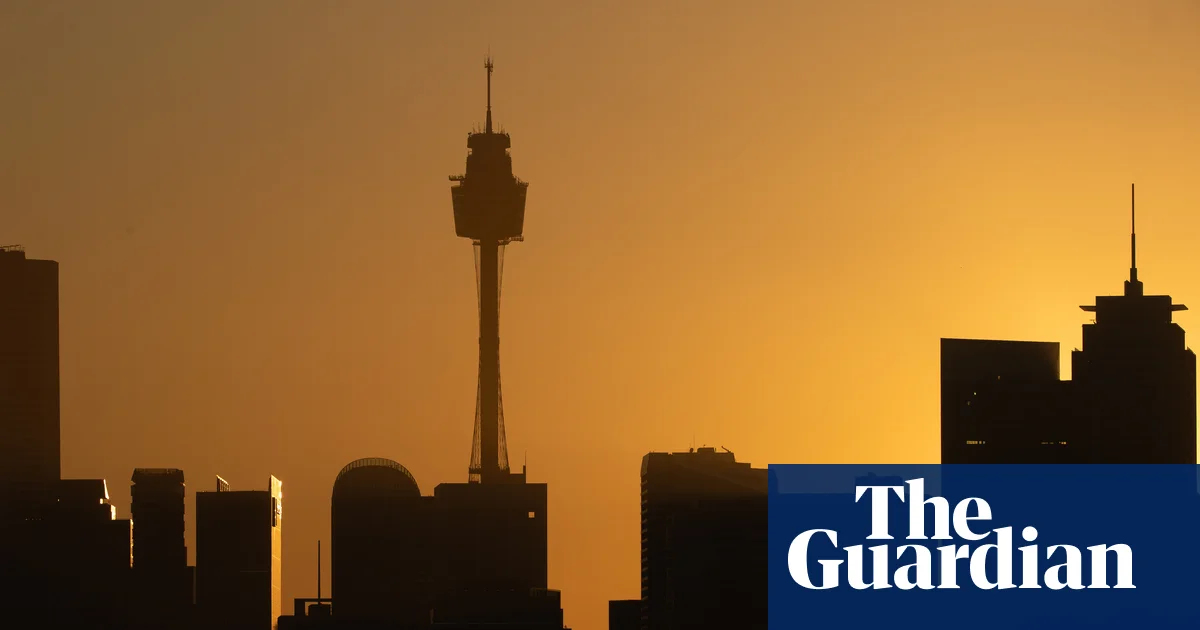
Queensland blackout hits thousands as Victoria faces fierce winds after record wet day

The Rising Tide of Extreme Weather: A Sign of Geopolitical and Societal Shifts

Recent severe weather events across Australia highlight a disturbing trend that extends beyond mere meteorological phenomena. In Queensland and Victoria, devastating thunderstorms have caused widespread power outages, structural damages, and dangerous hailstorms, signaling an urgent need for nations worldwide to reconsider their climate policies amidst the backdrop of unpredictable and worsening natural disasters. With wind gusts surpassing 109 km/h and hailstones reaching up to 7cm, the Australian experience underscores a pressing warning—the climate crisis is no longer a distant threat but an immediate challenge that threatens the social fabric and economic stability of nations.

These events carry potent geopolitical ramifications. As governments grapple with disaster response and climate adaptation, international organizations such as the United Nations are under scrutiny for their handling of climate change. Critics argue that the inertia at the global level hampers effective action, thereby exacerbating crises that follow natural calamities. Analysts warn that such failures may induce mass displacement, economic strain, and even geopolitical tensions, especially if climate-induced devastation destabilizes vulnerable regions. How nations respond now will determine their resilience in the face of climate turbulence — a fierce test of leadership and unity.

Disaster as a Catalyst for Social and Political Transformation

The Australian storm episodes also expose the vital role of national agencies in crisis management. In Victoria, over 1,300 households were plunged into darkness, and power infrastructure sustained “significant damage,” according to Energex, a prominent power distributor. The widespread outages reveal the fragility of aging infrastructure that struggles under extreme weather—a stark reminder that Western countries must prioritize resilient energy systems. Meanwhile, reports indicate that Victoria’s State Emergency Service (SES) received nearly 600 rescue requests, mainly involving building damages and downed trees, illustrating the human toll of these atmospheric disturbances. Hovering over these emergencies is the broader question of societal preparedness and the resilience of local communities confronting relentless storms.

Historians and analysts have pointed out that such acts of nature often serve as turning points—either to bolster resilience or to reveal systemic vulnerabilities. Some experts argue that these storms are a manifestation of the changing climate patterns, which are tied to policies and economic priorities. Countries that neglect these warnings risk facing a future where natural disasters intensify, creating ripple effects across politics, economies, and security. As global institutions debate solutions, the immediate reality persists: nature’s fury does not discriminate, and its impact on societies is profound, often accentuating existing social inequalities.

The International Stage: A Test of Leadership and Resolve

The situation in Australia is a microcosm of a larger, tumultuous geopolitical landscape. From the rising tensions in Eastern Europe to the strategic maneuvers in the Indo-Pacific, nations are finding their stabilizing forces tested. Climate-related disasters serve as a stark reminder that national security now intertwines with environmental sustainability. Countries such as China, the United States, and the European Union are under increasing pressure to lead global efforts—yet often struggle with competing interests and internal divisions.

International organizations must act decisively before climate disasters morph into security crises. This involves a coordinated approach—balancing climate mitigation with adaptation strategies—while holding accountable those nations that delay meaningful action. The potential for climate-driven conflicts over resources, migration, and strategic dominance grows with each passing event. As experts warn of the cascading consequences, the weight of history presses down: the coming decades will reveal whether humanity unites in shared purpose or succumbs to discord.

In the interconnected ballet of globals and nations, the recent Australian storms are more than natural calamities—they are a clarion call. A reminder that the choices made today—whether to invest in resilient infrastructure or to ignore climate warnings—will echo through the corridors of history. As the world watches, the question remains: will the lessons of these storms forge a new era of preparedness and cooperation, or will humanity again be blindsided by the tumult of a changing natural order? The pages of history are still being written, and the storm clouds gathering over Australia symbolize a broader, more urgent storm—one that will test the resolve of nations and societies in the battles yet to come.

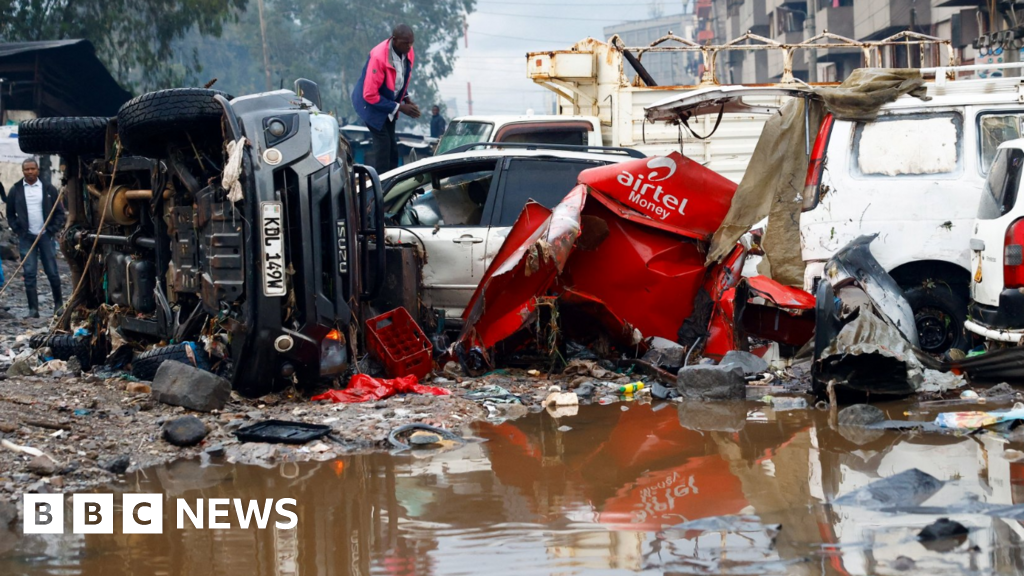
Mosquitoes Strike Iceland for the First Time After Record Heat Wave

Record-Breaking Heatwave in Iceland Sparks Unforeseen Ecological Shift

In a startling development that underscores the profound effects of climate change on fragile ecosystems, Iceland has recorded the first-ever discovery of mosquitoes within its borders. Historically a haven of icy detachment, the once-impregnable barrier against these pests has been broken by this year’s unprecedented heatwave. Local insect enthusiast Bjorn Hjaltason identified and captured two female mosquitoes and one male, later confirmed by the Icelandic Institute of Natural History as Culiseta annulata, a resilient species capable of surviving frigid winters. This event has sent ripples through environmental circles and geopolitical analysts alike, spotlighting the tangible consequences of a scorching climate that now approaches Iceland’s northern shores.

Prior to this year, Iceland remained one of only two mosquito-free zones globally, with the only other being Antarctica. The cold climate and distinct ecological conditions historically prevented mosquitoes from establishing a foothold. However, the recent series of heatwaves—an anomaly according to the Met Office—have shattered previous temperature records, with May highs exceeding 20°C (68°F) and peaking at an all-time high of 26.6°C (79.8°F) at Eglisstaðir Airport. Such dramatic shifts are emblematic of the larger, more ominous trend of global warming, which the UN’s climate body affirms as driven by human activity. As global temperatures climb, scientists warn of destabilized ecosystems and unforeseen biological invasions, challenges that nations are increasingly ill-prepared to handle.

  • The key event: The first confirmed mosquito presence in Iceland amid record-breaking heat, signaling a disturbing ecological breach.
  • Potential consequences: Expansion of insect-borne diseases, disruption of local fauna, and strain on natural resources.
  • Broader implications: The event is a stark illustration of how climate change accelerates the erosion of natural barriers that historically protected regions like Iceland and Antarctica.

International organizations and experts are taking notice. Critics argue that these developments underscore the urgent need for a coordinated global response to climate change, focusing on both mitigation and adaptation. Historians and environmental analysts warn that this incident foreshadows a new era—one in which the impacts of human pollution and carbon emissions reach into the most remote corners of the world, rewriting the script of nature’s historical boundaries. The question now is whether nations will recognize the gravity of these signs or dismiss them as isolated anomalies. With each passing year marked by record heat and ecological upheaval, the line between natural resilience and human-inflicted vulnerability continues to blur.

As the story unfolds, Iceland stands as a stark symbol—a fragile outpost on the frontlines of a warming planet. The insect’s invasion, while seemingly minor, may herald a larger, more dangerous trend of ecological unravelling that knows no borders. The discovery leaves us with a haunting image: a once-untouched icy haven gradually succumbing to the relentless march of warming tides. Humanity, standing at a crossroads, must confront whether this is the prelude to a new world order—one shaped by climate-driven upheaval or the dawn of decisive action to halt the chaos. The weight of history is still being written, and the next chapter could determine whether the icy wilderness remains a sanctuary or succumbs to the scars of human neglect.

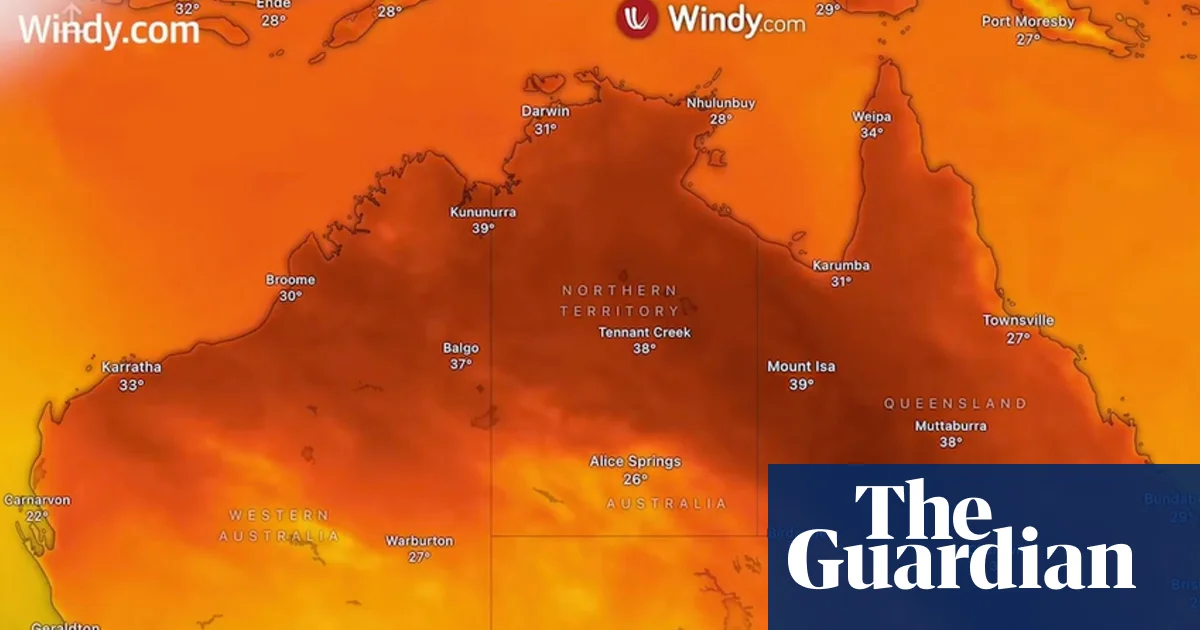
Sydney braces for fierce heat as record temperatures shift east and powerful winds threaten southern Australia

The Rising Temperatures and Political Stakes in the Age of Climate Crisis

As the weather patterns across Australia reach unprecedented heights, the underlying message for the international community becomes clear: climate change is accelerating, and its geopolitical impact is profound and far-reaching. Recent reports from the Bureau of Meteorology reveal that both New South Wales and Queensland set records for their hottest October temperatures, with Birdsville in outback Queensland reaching 46.1°C and Bourke in NSW hitting 44.8°C. These extreme heatwaves reflect a disturbing trend that, according to climate analysts, is largely driven by human activity and the ongoing climate crisis.

The impact is not contained to environmental implications alone; it also bears heavily on political stability, resource management, and global reputation. Australia’s climate crisis has ignited intense debates among policymakers and environmental groups alike. As prime minister of Australia, Anthony Albanese, faces mounting pressure to implement more aggressive climate policies, international observers watch with concern that insufficient action could undermine the nation’s global standing and economic resilience. Historians warn that this era could be remembered as a pivotal point where inaction may have cost entire communities their livelihoods, especially vulnerable rural towns like Birdsville where heatwaves are becoming the new normal.

Disaster on the Horizon: Extreme Weather Spurs International Response

Simultaneously, severe weather warnings across Victoria, South Australia, and along the Australian coast underscore the growing risk of natural disasters. Widespread strong winds—up to 130 km/h— and raging bushfires reported by the NSW Rural Fire Service highlight the dangerous cascading effects of climate change—drought, heatwaves, and destructive winds—often intersecting into a perfect storm of environmental and societal crises. These developments heighten the warning issued by climate experts that borderless phenomena require the global community to intensify cooperation, sharing resources and technology to adapt and mitigate.

This global challenge transcends Australia. Regions from the United States to India are witnessing record-breaking heat and supercharged storm systems. International organizations, such as the United Nations and Intergovernmental Panel on Climate Change (IPCC), emphasize that these patterns are no longer isolated incidents but part of a grim trend that demands urgent policy shifts. Some analysts warn that failure to address these problems could destabilize regional economies, trigger displacement, and spur international conflict over scarce resources, namely water and arable land.

Decisions That Define the Future

The recent climate events serve as a stark reminder that international cooperation and national leadership must evolve in tandem if humanity is to navigate this crisis. Countries must confront their responsibilities; for Australia, this means not only reducing emissions but also preparing societies for the unavoidable consequences of climate extremes. Likewise, global leaders face a choice: continue on a path of short-term economic gains at the expense of environmental stability or embrace bold reforms that will safeguard future generations.

As climate scientists warn that the current trajectory could lead to irreversible damage, the decisions made in the coming years will be etched into history. The world stands at a turning point—one where climate resilience, geopolitical stability, and social cohesion hang in the balance. The ongoing narrative is still being written, yet the warning signs are unmistakable: history’s true test lies ahead, demanding leadership and willpower amid an unfolding era of climate upheaval.

East Coast heads for heat surge following Western Australia’s record October temperatures

The recent surge of unprecedented October heat across Australia highlights the growing severity of climate change and its disruptive impact on global weather patterns. Meteorologists report that record-breaking temperatures are sweeping through states like South Australia, Queensland, and New South Wales, with Sydney and Brisbane facing high 30s—signaling a dangerous escalation in extreme weather events. According to Dean Narramore, senior meteorologist at the Bureau of Meteorology, the conditions represent “a very big day of weather,” with the potential for widespread record-breaking heat and destructive thunderstorms. These developments are not isolated anomalies but are consistent with a disturbing trend of rising temperatures—Australia’s land surface having warmed by 1.5°C since 1910, a trajectory that international climate experts warn could lead to even more catastrophic events in the future.

Over the weekend, the thermometer soared to alarming levels in Western Australia and South Australia, with locations like Telfer reaching a scorching 44.3°C. These temperatures are not only startling in isolation but serve as grim indicators of how climate crises exacerbate the severity and frequency of forest fires, heatwaves, and severe thunderstorms. As analysts from various international organizations emphasize, such extreme weather events threaten not only the environment but also the safety and socio-economic stability of nations. Experts warn that many regions could see temperatures between 10 to 16°C above normal, with some areas potentially exceeding 18°C—an indication that the resilience of societies will be tested as never before. The increasing frequency of these events underscores a stark reality: decisive global action on climate change is no longer optional but an urgent necessity.

The geopolitical impact of these climate-induced shocks is profound. Australian authorities are signaling a worsening fire danger, with models forecasting “extreme fire dangers” across multiple states, including parts of metropolitan Sydney and regional Queensland. Historically, such conditions have led to devastating wildfires, which displace communities, destroy ecosystems, and strain emergency services. This pattern is a stark reminder to international observers that climate change is no longer an abstract threat—it’s an immediate crisis capable of destabilizing entire regions. The significance extends beyond Australia; as global climate systems become increasingly volatile, nations must confront the reality that unchecked emissions contribute to a world where extreme weather is the new normal. International commentary concurs that geopolitics will increasingly revolve around climate resilience, resource management, and adaptation strategies.

As the weather worsens, the bleak horizon of climate diplomacy looms large. Critics argue that successive United Nations climate accords have failed to deliver meaningful reductions in greenhouse gases, thus amplifying the frequency of such catastrophic events. Some analysts suggest that the world is entering a new era—“where weather becomes the battleground for global power and stability.” This phrase encapsulates the notion that nations with the capacity for resilience and adaptation may gain an advantage, while others buckle under the weight of climate-induced turmoil. Historian and climate analyst Dr. Helen Roberts warns that the current trajectory risks a future where society’s most vulnerable face the brunt of environmental chaos—adversely impacting social cohesion and economic security. As the nations of the world continue to grapple with these unfolding realities, one thing remains clear: the clock is ticking, and the pages of history await the decisive chapters that will determine humanity’s fate amid the dawn of a new climate epoch.

Michael Jordan’s 1998 Finals Sneakers Break Record with $2.2M Sale

Global Sports Memorabilia Auction Breaks Records as Michael Jordan’s Legend Continues to Dominate

In a remarkable testament to the enduring influence of Michael Jordan and his unparalleled legacy in sports, a pair of his game-worn Air Jordan 13s achieved the highest auction price ever recorded for sneakers, selling for an astonishing $2.2 million at Sotheby’s in New York. The shoes, worn during Game 2 of the 1998 NBA Finals in Salt Lake City, where Jordan led the Chicago Bulls to victory, are symbolic of the zenith of his career. Historically, these sneakers are not merely footwear; they represent a cultural phenomenon whose impact ripples across nations, societies, and the global sports economy.

The auction, coinciding with what some dub as “Jordan Year,” underscores the superstar’s monumental status in popular culture. The event saw multiple records shattered, echoing the escalating value of memorabilia linked to legendary athletes. Last year, Jordan’s Game 1 jersey from the same historic series set a record by fetching $10.1 million. This highlights not only the intrinsic value of Jordan’s artifacts but also the international appetite for sports memorabilia that encapsulates moments of cinematic sporting excellence. As analysts emphasize, the decision by Sotheby’s to showcase these items solidifies the global recognition of sports icons as transcendent cultural symbols that influence societal identity, national pride, and economic markets.

How International Perspectives and Historical Narratives Frame the Legacy

Historians and international organizations have long debated the geopolitical impact of such memorabilia sales. According to sports cultural analyst Dr. James Carter, these auctions serve as barometers of cultural diplomacy, weaving a narrative that elevates individual athletic achievement into a form of soft power. “Michael Jordan is more than a basketball player; he’s a global ambassador whose influence crosses political and social boundaries,” he comments. The sale of his sneakers, alongside other memorabilia like Kobe Bryant’s Lakers shirt and Pelé’s debut jersey, underscores a broader trend where sport becomes a universal language, uniting diverse nations under shared admiration for excellence and perseverance.

International marketplaces have embraced this phenomenon, with collectors worldwide vying for artifacts that embody moments of sporting history. The massive interest reflects a societal shift toward viewing athletes not just as entertainers but as pivotal figures shaping youth culture, national identity, and even geopolitical narratives. For instance, the auction of Pelé’s debut jersey signifies Brazil’s deep-rooted football culture, while Kobe Bryant’s memorabilia resonates with a generation that venerates competitive excellence. These sales, documented extensively by global trade organizations, amplify the message that sports and its icons wield undeniable influence far beyond the stadium.

Decisions that Shape the Future of Cultural and Economic Exchanges

As the international community watches, the increasingly high financial stakes and cultural significance of athletic memorabilia point toward a future where sports artifacts transform into strategic assets. The controversial yet compelling narrative suggests that nations and societies increasingly recognize the soft power embedded within iconic memorabilia. Numerous analysts warn that these escalating values could lead to a commodification that complicates genuine cultural appreciation, but nonetheless accentuate the undeniable power of sports diplomacy. Across continents, governments, and private collectors are aligning resources to secure the legacy of athletes like Jordan—decisions that could influence cultural exchanges for generations.

Ultimately, the record-setting auction of Jordan’s sneakers echoes a historic pattern: how individual greatness becomes a catalyst for collective identity and global influence. As history continues to unfold, the world remains captivated by the stories of perseverance, triumph, and iconography—narratives that sit at the nexus of sports, culture, and geopolitics, forging a collective memory that will shape societal values for decades to come.

Social Media Auto Publish Powered By : XYZScripts.com