Matox News

Truth Over Trends, always!

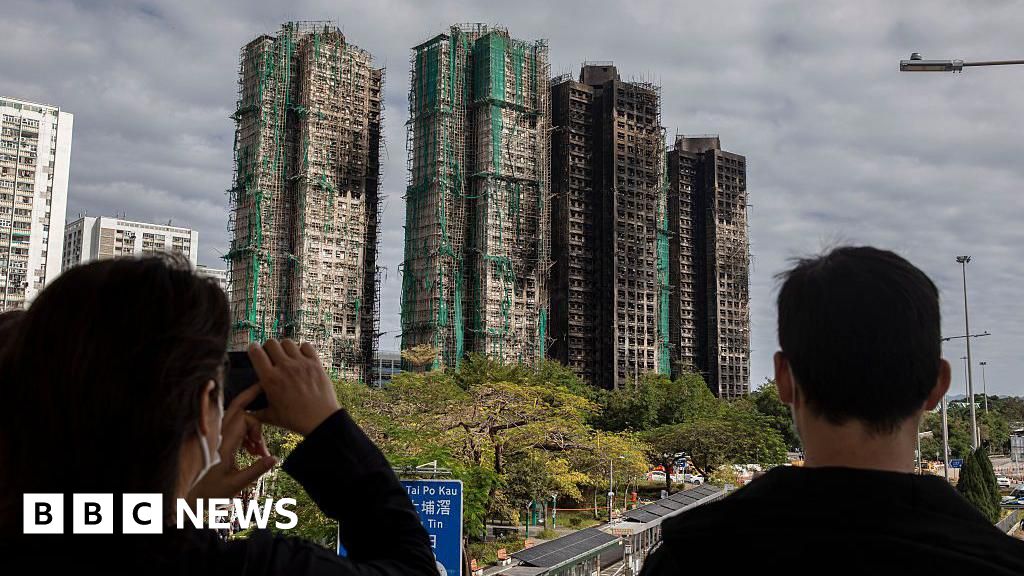
Hong Kong Votes Amid Tragedy: City Still Reeling from Deadly Blaze

Hong Kong’s Electoral Drama Unfolds Amidst Tragedy and Tightened Grip

As Hong Kong gears up for its latest election for the Legislative Council (LegCo), the city finds itself caught in a confluence of political control, societal tension, and recent tragedy. The election, slated for 26 November, serves as a crucial barometer of public sentiment—yet, beneath the surface lurks a deeper story of Beijing’s tightening grip on the former British colony. Since Beijing’s sweeping electoral changes in 2021, orchestrated to cement pro-Chinese loyalty, participation has plummeted, with just 30% voter turnout last cycle—a reflection not merely of apathy but of targeted suppression of dissenting voices.

A Response to National Security and a Suppression of Dissent

All candidates contesting this year’s LegCo have been strictly vetted, ensuring only those loyal to China are permitted to stand, effectively marginalizing opposition parties and pro-democracy advocates. According to analysts from international think tanks and statements from Beijing’s officials, the reform was deemed essential to restore “stability” following the tumult of the 2019 protests. Yet critics interpret this overhaul as a deliberate neutering of Hong Kong’s semi-autonomous institutions, undermining democratic principles and silencing protests. The recent crackdown following the Tai Po fire—Ironically, a disaster that claimed nearly 160 lives—exemplifies this approach. Authorities have detained those seeking independent inquiries and taken swift measures such as banning public dissent, further entrenching the narrative of an unyielding, if not increasingly authoritarian, regime.

The Fire, the Aftermath, and the Political Repercussions

The devastating fire at the Wang Fuk Court—Hong Kong’s worst in over 70 years—has reshaped the political landscape. Rescue efforts spotlighted deficiencies in building safety standards, exposing the vulnerabilities of aging infrastructure and igniting anger among residents. In response, authorities created an independent committee to investigate and have already made arrests, including those of suspected manslaughter, ostensibly to demonstrate accountability. However, the swift move to clamp down on dissent—detaining a petition signer for sedition and removing related internet content—illustrates how even tragedy is politicized to serve the regime’s interests. The incident has temporarily suppressed electoral campaigning, with protests and carnivals canceled, as the government seeks to mold public perception and demonstrate control.

Government Messaging and the Future of Hong Kong

Despite the turmoil, the government, led by Chief Executive John Lee, insists that the elections will proceed as planned. The narrative promoted by Beijing and Hong Kong’s authorities hinges on framing participation as a patriotic duty—an act of love and responsibility for the city’s future. State propaganda, including animated mascots and a catchy campaign theme, aims to rekindle voter enthusiasm, especially among pro-establishment supporters. Yet many analysts, including Hong Kong-based political scholars, predict the vote will reflect resignation rather than genuine support. The significant departure of seasoned lawmakers—particularly those over 70, like Regina Ip, nicknamed the “Iron Lady”—further signals an erosion of traditional political resistance. Pressure from Beijing has unofficially encouraged these retirements, consolidating an already tightly controlled political arena.

In this moment, as Hong Kong navigates the aftermath of tragedy and political repression, the city’s story remains fluid—an unresolved chapter shaping an uncertain future. The balancing act between suppression and the silent yearning for true autonomy leaves the world watching, with history bearing witness to whether Hong Kong can forge a new path or capitulate entirely to the evolving grip of a command-driven empire. The weight of these decisions stretches across generations, and the outcome will undeniably echo through the annals of history, leaving a question hanging in the air: What kind of future will emerge from these ashes?
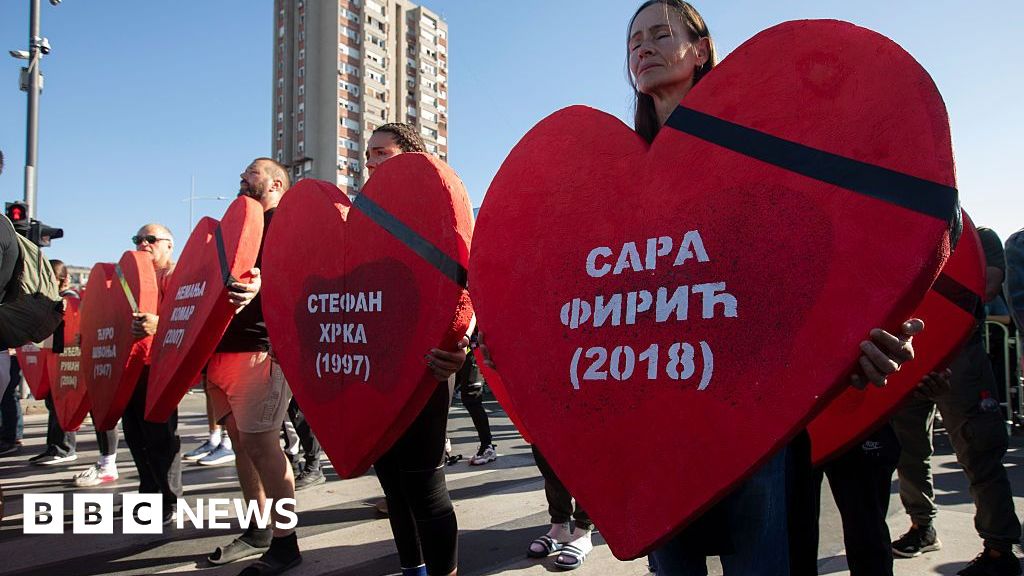

A Year On, Serbia Still Reeling from Train Station Tragedy

Serbia’s Tragedy and the Political Wake-Up Call to the World

In the heart of Europe, Serbia faces a profound moment of reckoning as the aftermath of the Novi Sad railway station disaster has ignited a wave of public outrage. A year after the catastrophic collapse of a concrete canopy claimed 16 lives—ranging from children as young as six to seniors aged 77—the nation witnesses a collective mourning that has transitioned into a powerful political statement. This tragedy, which emerged under the auspices of President Aleksandar Vučić‘s government, has cast a long shadow over Serbia’s development ambitions, exposing the deep-rooted issues of corruption, negligence, and cronyism.

Upholding the memory of the victims and condemning the government’s failure, tens of thousands gathered at Novi Sad’s station to participate in silent homage—precisely one minute per life lost. Their grief was palpable, with families crying and supporters physically supporting women, as the nation grappled with the stark reality of how infrastructure projects, hailed as symbols of progress, had succumbed to deadly lapses in safety standards. Analysts from the International Crisis Group warn that such disasters underscore how corruption may have infiltrated Serbia’s public works, impairing essential safety protocols and endangering ordinary citizens. The incident has become a catalyst for widespread protests, accusing authorities of covering up systemic flaws that threaten the fabric of Serbian society.

Major internal and international responses have further heightened alerts. The European Parliament has called for full and transparent legal proceedings, emphasizing the importance of accountability in safeguarding public safety standards. Investigations have charged several former officials, including Goran Vesić, the ex-Minister of Transport, and deepened suspicion that the tragedy was a consequence of entrenched corruption. Serbia’s youth are leading the charge with a steadfast demand for institutional reform, independent justice, and a break from the corrupt practices that have marred the nation’s progress. Their protests, unlike the discredited political opposition, have gained widespread trust among ordinary citizens, signaling a generational shift that could redefine the country’s future.

This movement has also rattled the political establishment, with President Vučić’s previously combative rhetoric softening briefly, as he issued a rare public apology for his harsh language toward protesters. Yet, the deep wounds remain, and the discourse of “color revolutions”—a term once associated with Western-backed regimes—lingers ominously over the protests. The youth-led movement seeks the formation of a technocratic government, pushing for elections that would restore faith in Serbia’s institutions and root out corruption at its core. How this unfolding story will shape not just Serbia’s domestic policy but also its international relations remains a pivotal question for global observers.

As history continues to unfold at Novi Sad, the collective memory of the victims acts as a stark reminder of the stakes involved. The decisions taken today by Serbia’s leaders—whether rooted in transparency, integrity, or heedless power—will determine the trajectory of a nation wrestling with its past and forging its future. The world watches as a new generation demands justice and honesty, their voices echoing across the corridors of power, warning that history’s pen is yet to be finished. Will Serbia emerge from this tragedy stronger, more transparent, and committed to genuine progress? Or will it succumb to the entrenched corruption that has so often shadowed its path? The answer lies in the unfolding narrative of a nation at a crossroads, where each decision could mark a new chapter—one written in the blood of the fallen, and in the hope of those determined to rebuild a broken trust.

Social Media Auto Publish Powered By : XYZScripts.com


