Matox News

Truth Over Trends, always!

Are England’s SEND reforms the fix our youth need? Share your thoughts.

Reforming SEND Provision in England: What It Means for Families and Society

Recently, the government announced its long-delayed plans to overhaul special educational needs and disabilities (SEND) provision across England. While policymakers tout these reforms as a step toward creating a more inclusive and equitable system, families, educators, and community leaders are raising concerns about the depth of change and how it will practically impact those most affected. The move arrives at a critical juncture when societal debates around social cohesion, educational equality, and economic sustainability are at the forefront of national discourse.

At the core of the controversy lies a recognition that families of children with SEND often face a complex web of challenges. In many cases, these parents relay stories of long waiting times, inadequate support, and bureaucratic inefficiencies that hinder their children’s potential. According to social commentators and education experts, such persistent systemic failures perpetuate a cycle where disadvantaged children face compounded barriers in education, limiting their future opportunities. The recent reforms promise increased funding, but critics argue that without targeted, accountable implementation, these efforts could fall short, merely repainting the existing framework rather than transforming it.

Beyond individual families, the reforms have profound implications for communities and local institutions. Schools and local authorities, often overstretched and underfunded, are now tasked with the challenge of delivering a more inclusive environment amid economic austerity. Social historian Dr. Emily Carter notes that such societal shifts echo historically when economic austerity intersected with social policy, often widening inequalities rather than narrowing them. The question remains whether community resilience and local leadership can navigate these turbulent waters to forge enduring solutions. The hope is that, through local innovation and family engagement, schools can become hubs of support rather than sites of exclusion.

The Broader Social Impacts and the Path Forward

The reforms also touch on a broader societal challenge: how nations foster social cohesion in increasingly diverse populations. As demographic shifts and cultural transformations redefine community identities, the need for inclusive strategies that respect cultural differences and uphold human dignity becomes more urgent. Prominent sociologists like Prof. Samuel Johnson underscore that a society’s strength correlates with its ability to integrate all citizens, especially the most vulnerable, into the social fabric. Failure to do so risks marginalization, social fragmentation, and intergenerational inequality.

  • Address systemic delays and bureaucratic inefficiencies that hinder timely access to support.
  • Invest in training teachers and support staff to foster understanding and responsiveness to diverse needs.
  • Empower families through participatory decision-making processes that respect their insights and lived experiences.
  • Build resilient local communities by encouraging cross-sector collaboration among schools, health services, and social agencies.

As society grapples with these pressing challenges, the lingering question remains: how do we preserve the moral fabric of our communities when faced with the realities of inequality and social change? Perhaps, it is only through embracing innovative, community-centered solutions that society can transform barriers into bridges. In this ongoing effort, the hope persists that future generations will inherit a system capable of nurturing every child’s potential — a society where, amid the uncertainties, the light of compassion and justice continues to shine brightly.

Understanding SEND: What the reforms in England mean for our youth and society

As societies face increasingly complex social challenges, the plight of families with special educational needs has come under intensified scrutiny. Across many local councils, a profound issue has emerged: a striking gap between demand and capacity within the state-funded special education sector. With around 38,000 pupils requiring specialized educational placements, councils are often compelled to resort to paying for independent special school fees. This practice not only highlights persistent systemic gaps but also sheds light on a broader societal dilemma—how to ensure equitable access to quality education for children with special needs amidst finite resources and growing demand.

The financial burden associated with this disparity is staggering. The average cost for an independent special school place hovers around £61,500 per year, a stark contrast to approximately £24,000 per pupil in state-funded settings, according to the Institute for Fiscal Studies (IFS report). This discrepancy not only strains local council budgets but also inadvertently redirects public funds away from broader community needs. For families, these financial pressures often translate into difficult decisions—pushed between the desire for the best possible education for their children and the reality of limited public provision. The social fabric, therefore, becomes fractalized, with disparities in educational access creating ripples that extend into family stability and community cohesion.

From a sociological perspective, experts like Michael Katz, a renowned historian of social policy, note that public education should serve as an equalizer. Nevertheless, the current system’s reliance on private solutions underscores an underlying failure to provide universal, high-quality opportunities for all children, especially those with special needs. This disparity also exacerbates social tensions, as communities sense that systemic inequities threaten the foundational principle of fairness. How, then, can society bridge this gap? Some advocate for increased government funding aimed at expanding state-funded special education facilities, while others emphasize innovative community-based solutions that foster cooperation between schools, families, and local organizations. Regardless of approach, the moral imperative remains clear: every child deserves access to the education that enables their full potential.

As society stands at this crossroads, an enduring question persists: what is the true measure of a community’s progress? Is it found in the balanced budgets and statistical achievements, or in the human stories of children including those with unique needs, reaching milestones once thought impossible? Society’s challenge is not merely financial but moral—a call to deepen compassion and exemplify the resilience that defines us. For within every effort to bridge these disparities lies the seed of societal renewal; a reminder that the future belongs to those willing to confront uncomfortable truths and forge a path towards equality and inclusion. In this collective journey, hope flickers like a steadfast light—guiding society forward, one step at a time, toward a horizon where no child is left behind.

Reform’s Benefit Cuts Could Spark Trade War with EU, Labour Warns

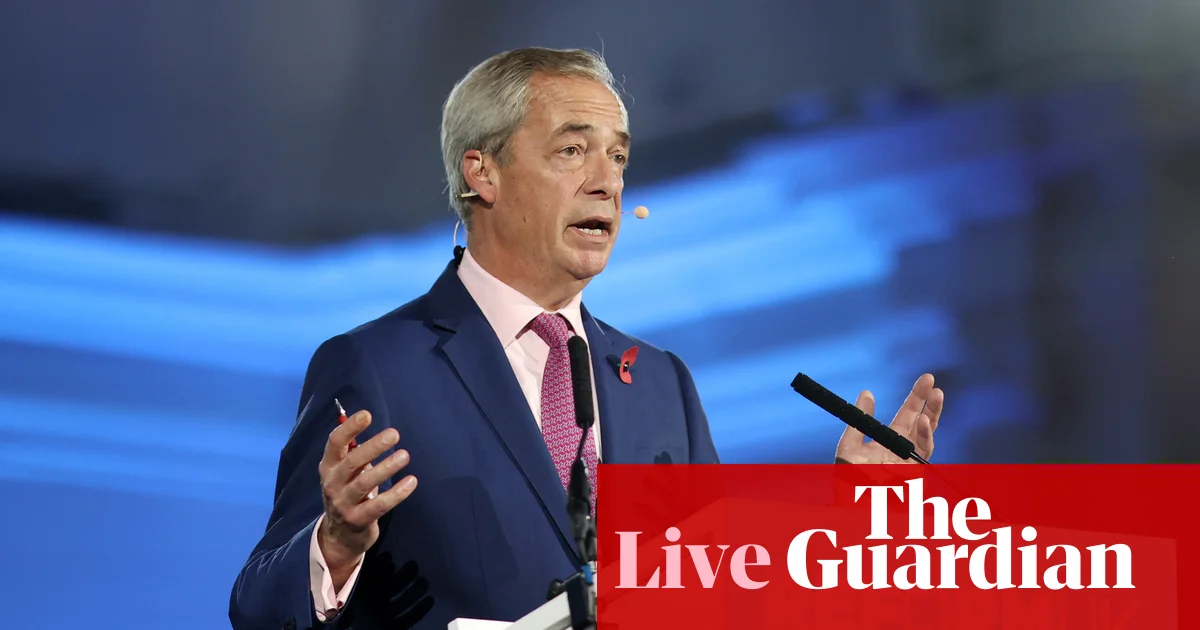
As the world continues to grapple with the aftermath of widespread political shifts and economic realignments, recent developments underscore a powerful surge of nationalist sentiments and protectionist policies that threaten the stability of traditional international alliances. The United Kingdom, for instance, stands at a nexus of these forces. The recent proposal by Nigel Farage, leader of Reform UK, to implement sweeping immigration and benefits reforms highlights this trend. These policies aim at removing the rights of EU nationals to claim benefits and increasing NHS surcharges, all purportedly to balance the nation’s finances. However, analysts warn that such measures could ignite a trade war with Europe, reminiscent of the Brexit dynamics that radically reshaped Britain’s relationship with its continental neighbors.

  • Farage’s proposals to slash benefits for EU nationals and hike visa costs are driven by a calculated desire to appeal to populist voters but raise significant geopolitical consequences. The potential breach of post-Brexit trade agreements, as indicated by Labour critics, could provoke retaliatory tariffs and other trade barriers, destabilizing the UK’s vital economic ties with the EU. Historian Dr. Mark Stevenson notes that “such unilateral moves, couched in nationalist rhetoric, risk unraveling decades of integration and economic cooperation.”
  • This wave of protectionism aligns with rising nationalist policies across Europe, exemplified by France’s far-right National Rally backing a wealth tax on the very rich—an approach Farage staunchly opposes, citing fears of high earners fleeing Britain. Nonetheless, polls demonstrate that a majority of Reform UK voters support a one-off wealth tax, revealing a societal undercurrent favoring redistribution measures that challenge free-market principles.

Meanwhile, the UK’s internal debates mirror these international tensions. Labour leaders, such as Steve Reed, have unequivocally stated that the proposed reforms would breach international trade commitments and could precipitate a trade conflict with Europe. The risks are exacerbated by the recent disclosure of rising net migration figures, which, despite declining estimates, factor heavily into the political calculus. The International Organization for Migration’s recent reports emphasize that such figures influence national policies, often stoking fears of cultural dilution—a narrative exploited by parties advocating strict border controls.

As Keir Starmer and other international leaders convene in European capitals, the emerging geopolitical landscape is fraught with uncertainties. The return of protectionist ideologies signifies a decisive shift away from multilateralism, threatening a new era of economic nationalism that could define the 21st century. This unfolding chapter underscores a critical point: decisions made in the corridors of power today will either forge a path toward renewed cooperation or plunge nations into prolonged confrontation. The weight of history presses heavily on this moment—each policy, each alliance, each confrontation writing a new narrative of global power and societal resilience.

Head teachers to be consulted on strike threat over Ofsted reforms

The Rising Tensions Behind England’s New School Inspection System

In a landscape where cultural shifts in education and societal pressures collide, the recent decision by Ofsted to implement a new, color-coded inspection framework has ignited fierce debates among educators, parents, and social commentators. The restructure aims to bring a more nuanced assessment of school environments, broadening the scope beyond traditional academic metrics to include areas such as wellbeing, inclusion, and safeguarding. Yet, beneath the surface of these well-intentioned reforms lies a complex web of social tensions that threaten to undermine the very fabric of our communities and the stability of families across the nation.

Critics, notably the National Association of Head Teachers (NAHT), have voiced concerns that this overhaul might inadvertently harm the mental health of school leaders and staff. Their challenge culminated in a legal battle that was recently dismissed, yet the underlying issues remain unresolved. The union argued that the new grading system, which categorizes schools into five distinct levels—urgent improvement, needs attention, expected standard, strong standard, and exceptional—could foster undue pressure and distort the true quality of education. It’s a debate that cuts deep into how society perceives educational success and whether the current focus on graded judgments aligns with the humanistic values that should underpin our approach to social development and community cohesion.

Adding to the controversy, the tragic case of Ruth Perry—a head teacher whose death was linked to the stresses induced by Ofsted’s inspection process—has cast a long shadow over the reforms. An inquest revealed that the inspection contributed to her untimely death, sparking widespread outrage and calls for re-evaluation of inspection practices. This stark reminder underscores how social issues in education extend beyond students; they profoundly impact families, community stability, and the moral fabric of our society. While Ofsted insists that wellbeing remains a priority and that their new framework seeks fairness and transparency, many voice concerns that the systemic pressure to meet certain standards risks reducing education to a series of numbers and grades, often at the expense of human dignity and mental health.

Historically, educational sociologists like Pierre Bourdieu have warned against the ossification of social hierarchies through metrics and judgments that fail to account for cultural and socio-economic contexts. As societal divisions deepen, so too does the risk of reinforcing demographic disparities within schools, which serve as microcosms of larger societal tensions. The fight over inspection standards exemplifies this struggle—balancing the need for accountability with the imperative to nurture inclusive, resilient communities. Moving forward, the challenge lies in developing a system that recognizes the multifaceted nature of education, one that safeguards not only students’ achievements but also their wellbeing, and by extension, the moral strength of their families and communities.

Ultimately, society stands at a crossroads where the priorities we choose today will determine the moral and cultural integrity of future generations. As the echoes of past social upheavals remind us, the true strength of a nation lies in its capacity to nurture holistic human development. As we grapple with these reforms, the enduring hope is that society will not lose sight of its core moral obligation: to foster communities where families can thrive, educators can find purpose, and each child can grow not just in knowledge but in resilience, compassion, and hope. The path forward is not predetermined; it is one we must continually forge with courage, clarity, and an unwavering commitment to the moral fabric that binds us all.”

Jamaican Citizen’s Death Sparks Urgent Calls for UK Rule Reforms in Overseas Territories

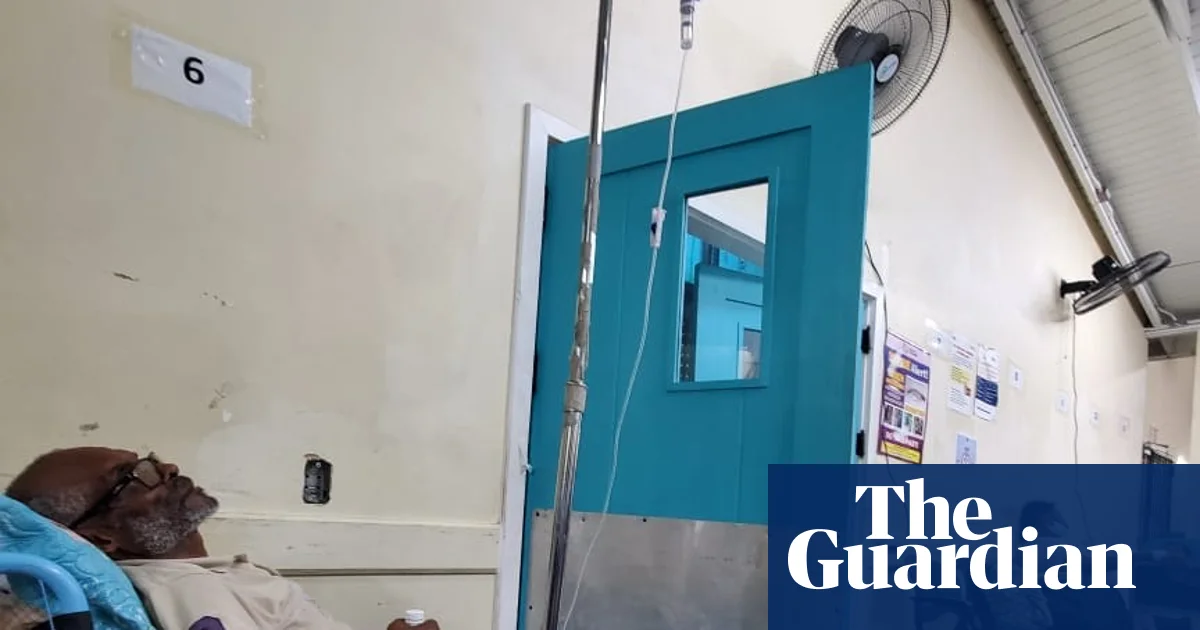
In recent weeks, a tragic incident has shone a stark light on the ongoing social and healthcare disparities within the British overseas territories. Robert Baker, a 63-year-old dual citizen of Jamaica and Montserrat, passed away after the UK government declined to assist him in accessing life-saving treatment outside of his remote island home. This heartbreaking event underscores a broader pattern of moral neglect and policy failures that jeopardize the well-being of communities living under colonial-style governance without adequate support systems.

Baker’s story is emblematic of the struggles faced by families and individuals in regions devastated by natural disasters, such as Montserrat’s 1995 volcanic eruption, which eradicated its capital and decimated essential infrastructure. Despite over 30 years passing, hospitals and emergency services on the island remain inadequately equipped, forcing residents to seek medical care abroad at great personal cost. His family’s desperate efforts and the family’s plea for equitable treatment reveal how social injustice prevents vulnerable populations from accessing healthcare equal to that of the UK mainland. For many families in these territories, the lack of proper medical infrastructure translates directly into loss of life, economic hardship, and shattered hope.

Social commentators and sociologists argue that this chain of neglect is emblematic of a broader failure to recognize the moral obligation owed to colonial subjects. Some critics equate the policies governing these territories with systemic apathy—policies that dismiss the need for adequate health services, education, and social support—for the sake of austerity and political expediency. The case of Robert Baker has also catalyzed calls from community leaders and parliamentarians like Donaldson Romeo, who describe the existing scheme as “deeply flawed” and “insufficient in relation to the scale of need”. Their stance echoes the voices of historians who argue that colonial legacies continue to shackle these populations, underlining the importance of restorative justice and policy reform.

  • Many territories, including Montserrat, lack the infrastructure to respond adequately to health crises, often leaving residents with no choice but to seek treatment abroad.
  • The current scheme allows a paltry number of patients from each territory to access NHS care annually, but the costs—travel, accommodation, and subsistence—are typically borne by families or the territories themselves, compounding hardship.
  • Advocates are calling for a fundamental overhaul of these policies to ensure equal healthcare access, dignity, and humanity to all British citizens residing in overseas territories.

As society debates questions of justice, sovereignty, and moral responsibility, the story of Montserrat’s healthcare crisis compels a profound reflection: How long can we remain indifferent to the suffering of those who live beyond the immediate reach of our societal safety nets? The future of these communities depends on an awakening—one that recognizes that social cohesion is rooted in fairness, compassion, and the unyielding pursuit of dignity for every human life. With each shared story and policy discussion, society inches closer to a landscape where no family bears the burden of neglect in silence, and where hope begins to restore the fractured promise of justice and care for all.

French PM candidate pushes for reforms to prevent snap polls

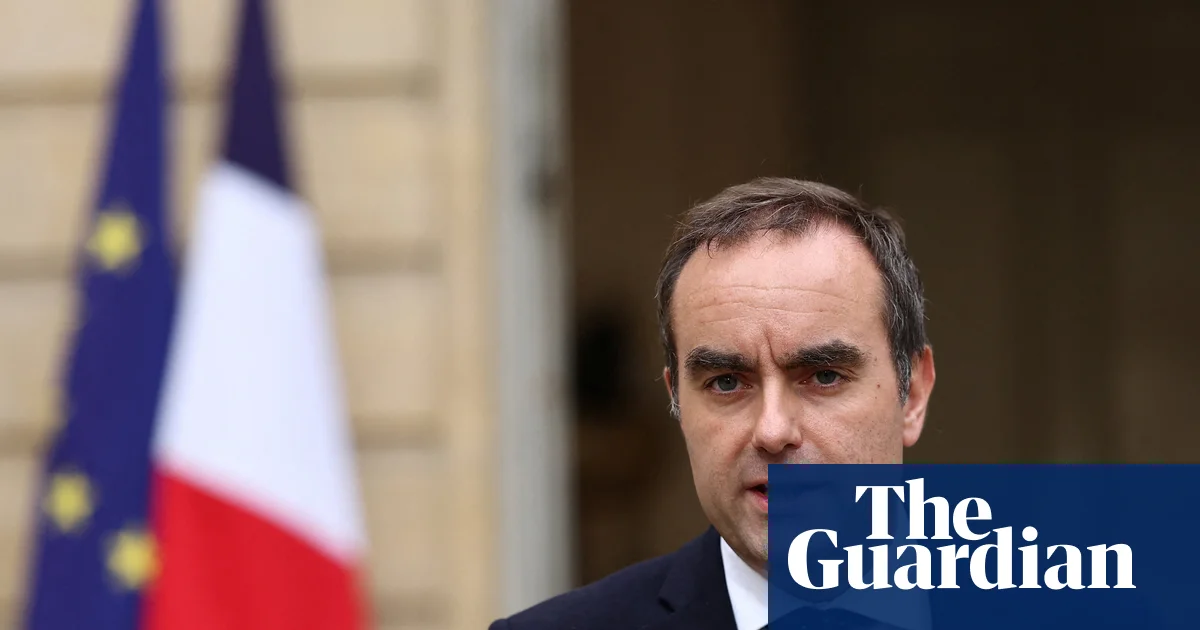
The recent upheaval in France signals a pivotal moment in European politics, with national stability hanging in the balance amid mounting economic and social tensions. French Prime Minister Laurent Lecornu’s unexpected resignation underscores the deep divisions within a nation battered by internal discord and external pressures. As Lecornu attempted to rally support for Macron’s government, his brief tenure revealed the fragility of the current political landscape—marked by a parliament evenly split among the left, far right, and centrist factions—each vying for influence amidst a state of crisis.
Despite Macron’s re-election in 2022, his mandate has been hamstrung by an unprecedented legislative deadlock stemming from last summer’s snap elections. The resulting hung parliament has made governance an uphill battle, with successive prime ministers unable to command a clear majority for austerity budgets aimed at reining in France’s record-breaking deficit, which this year is expected to surpass 5.5% of GDP—almost double the EU’s allowed limit. These economic strains have fueled societal unrest, with many questioning whether continued austerity is sustainable or merely fueling future instability. International organizations such as the European Union are closely watching France’s struggle, recognizing that a prolonged political deadlock may have broader repercussions, destabilizing regional unity and economic recovery prospects. As analysts warn, France’s internal discord poses a challenge to EU cohesion at a time when unity is vital against mounting external threats, from regional geopolitics to global economic shifts.

Amidst the chaos, Macron’s government is attempting to navigate a complex web of alliances, including negotiations with left-wing parties such as the Socialist Party, Greens, and Communists. These discussions revolve around the crucial question of whether to suspend or revoke unpopular pension reforms enacted in 2023—an issue that has become a litmus test for Macron’s political legitimacy. The Socialist leader, Olivier Faure, has cast doubt on whether Macron’s gestures are genuine or mere political stratagems, but the possibility of a broader left-led coalition emerges as a potential, albeit fragile, solution to the crisis. Such a coalition—supported by Macron’s centrist allies but opposed by the far-right—would signify a major shift in French politics, effectively uniting disparate factions in hopes of steering the nation out of the mire. Nonetheless, critics warn that this new alliance risks fracturing further, especially if pension reforms remain a non-negotiable for the center-right faction, which views these reforms as essential.
Experts warn that this political turbulence is not merely a domestic issue but a reflection of a broader geopolitical impact. France’s internal divisions threaten to weaken the country’s standing within the European Union, making it vulnerable to external influences—ranging from rising Russian influence to rising challenges from China. Historians and analysts observe that such periods of upheaval often precede significant shifts in national trajectories. As President Macron steadfastly refuses to resign before his mandated term concludes in 2027, the specter of a far-right resurgence looms, threatening to upend decades of political stability and reshape Europe’s political landscape. The outcome of these struggles will ultimately determine not only France’s future but also the balance of power shaping the continent’s destiny, leaving history to decide whether this turbulent chapter will be a catalyst for renewal or a descent into further chaos. As the current storm rages, the world watches with bated breath, knowing that the pen of history is yet to be fully written—and its ink is still flowing.

Client Challenges Point to Need for Market Reforms

The international economic landscape is currently experiencing a pivotal phase, marked by mounting volatility and shifting power dynamics. As recent data reveals, the global economy faces multiple headwinds, including inflationary pressures, geopolitical tensions, and unpredictable market shifts. Major economies are recalibrating their strategies to navigate these turbulent waters, with the United States and China at the forefront of this transformation. These developments are not only shaping short-term market impact but are also setting the stage for long-term policy consequences that could redefine global economic order.

One of the most critical indicators remains inflation, which has surged in multiple regions, prompting central banks to tighten monetary policy. The Federal Reserve has signaled an aggressive approach to curb inflation, with rate hikes expected to persist through 2023. Economists such as Mark Zandi of Moody’s Analytics warn that this tightening could usher in a period of slower growth or even recession. Meanwhile, in China, efforts to stabilize the housing market and support manufacturing are underway, yet growth remains fragile amid ongoing geopolitical strain and disruptions in global supply chains. The market impact of these policies has been profound: stock markets fluctuate on central bank signals, currency exchange rates remain volatile, and investor confidence teeters on the edge of volatility.

Furthermore, the rise of geopolitical tensions, especially between the U.S. and China, has triggered a surge in economic nationalism and supply chain reshaping. Countries are increasingly prioritizing self-sufficiency, leading to innovations and investments in emerging sectors such as renewable energy, AI, and advanced manufacturing. Policy consequences are clear: international trade agreements are under reevaluation, and alliances are shifting as nations seek to insulate themselves from potential shocks. Think tanks like the Council on Foreign Relations emphasize that these strategic realignments could either strengthen a multipolar world or spark new conflicts, deeply influencing global market stability. For investors, this environment offers both risks and opportunities—those who adapt swiftly could position themselves at the vanguard of future economic power.

Looking ahead, it is evident that the economy is not merely a reflection of current policies and market behavior but the very **pulse of nations**, a dynamic force that shapes the future of global influence. As technological innovation accelerates and geopolitical boundaries shift, the next era of economic dominance will be forged in the crucible of resilience and adaptation. The stage is set for a future where economic prowess and strategic foresight become the defining elements of national power, echoing through the corridors of history and into the dawn of a new global order.

Social Media Auto Publish Powered By : XYZScripts.com