Matox News

Truth Over Trends, always!

Syrian Government Strikes Deal with Kurdish Forces to Stabilize the Region

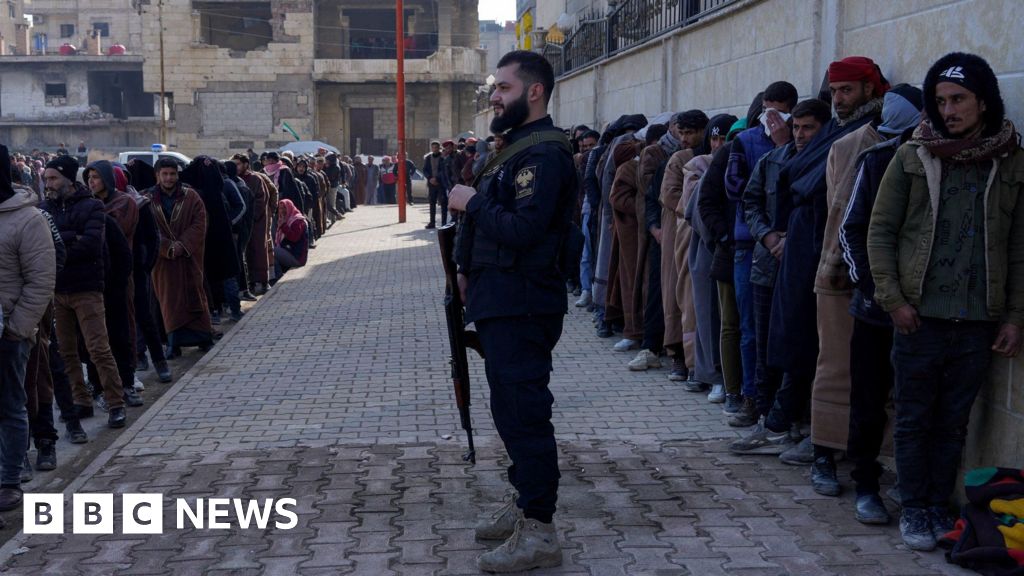
The recent announcement that Syria and Kurdish forces are moving toward stepwise integration marks a significant turning point in the ongoing turbulence of the Middle East. This development signals a deliberate attempt by the Syrian government to regain control over territories historically contested and de facto administered by Kurdish militias. The deal, although complex and fraught with regional tensions, is poised to reshape the political landscape, with profound geopolitical impact extending well beyond Syria’s borders.

According to official statements, the agreement seeks a phased incorporation of Kurdish-administered regions into the Syria state apparatus. For the first time in years, the Kurdish authorities are expected to gradually cede autonomous authority in exchange for formal recognition and integration. This move has been cautiously welcomed by some analysts as a potential pathway toward stability, but critics warn it could set dangerous precedents for ethnic and regional conflicts. As noted by International Crisis Group experts, the core challenge lies in balancing Syria’s sovereignty with the Kurds’ aspirations for autonomy — a delicate dance that could either foster unity or spark renewed unrest.

The geopolitical significance of this deal cannot be overstated. It emerges amid a shifting regional landscape, where Turkey remains wary of Kurdish independence movements, and Russia and the United States continue to exert influence over Syria’s fractured territories. Some international organizations warn that the deal reflects broader trends of major powers consolidating their strategic interests. Historian Dr. Elizabeth Carter notes that this agreement echoes historical patterns of regional realignment following prolonged conflict, but the critical question remains whether it will lead to lasting peace or simply a new chapter of uncertainty.

Within this complex geopolitical chessboard, the decision to integrate Kurdish territories subtly shifts the regional balance of power. For Kurdish populations, this move could bring an opportunity for recognition and development, but it also risks eroding their hard-won gains in autonomy. The tension lies in the ambiguous nature of the arrangement, which some argue leaves vital questions unanswered: Will Kurdish communities truly gain political representation? Or will they become pawns in the larger geo-strategic game? Internationally, some voices worry that this development might embolden other regions to pursue similar integration strategies, potentially unraveling decades of fragile peace.

As history continues to unfold, the decision to see Kurdish forces integrated into the Syrian state underscores an ongoing saga of ethnic identity, sovereignty, and regional power. The world watches as hidden forces and economic interests collide behind the scenes, shaping a future that remains uncertain. With every step taken, the delicate balance of this volatile region teeters precariously — a reminder that the weight of history, at this very moment, is being written in decisions that will resonate for generations to come.
Asia-Pacific’s Travel Crown Slip: Is the Region Losing Its Global Edge?

Asia Pacific’s Travel Landscape: From Bust to Boom?

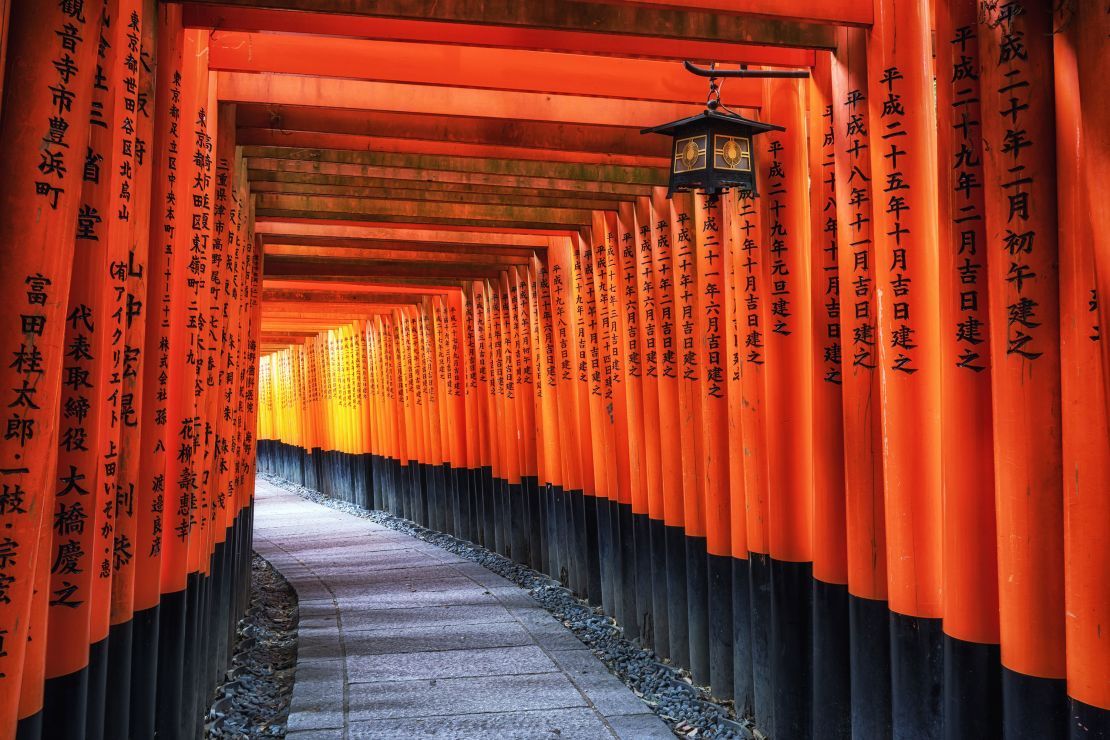
Once celebrated as the vibrant epicenter of global tourism, the Asia Pacific region has experienced a seismic shift in travel dynamics. With iconic destinations like Bali, Singapore, and bustling hubs in Japan and China, this region was responsible for over a third of all international passenger journeys pre-pandemic. But the global health crisis pivoted its trajectory, leaving many wonder if this once unstoppable traveler magnet will regain its former glory anytime soon. According to a recent CAPA report, Asia Pacific is projected to relinquish its title as the world’s largest travel region to Europe by the close of 2022, illustrating a sobering slowdown in recovery.

Despite a robust past, the numbers paint a different picture today. While 2019 saw an astonishing 3.38 billion passengers transit through Asia Pacific airports, forecasts now suggest this figure will fall to approximately 1.84 billion by year’s end. This decline is largely attributed to stringent border restrictions, mainly driven by China’s unwavering zero-Covid policy and Japan’s cautious reopening strategy, set to fully lift restrictions on October 11. These policies, while rooted in health considerations, have imposed a tangible toll on aviation and tourism infrastructure, stalling the momentum of regional recovery. Interestingly, while international travel has faltered, domestic tourism in countries like China continues to hold its ground, down only 5.4% from 2019 levels, hinting at an inner resilience that could eventually fuel broader bounce-back.

The Road to Reconnection: Challenges and Opportunities

Recovery efforts hinge heavily on political will and policy harmonization. Most travel in Asia Pacific destinations remains a shadow of pre-pandemic figures—hovering at 50% or less—except for exceptions like India, which is only 11% below 2019 benchmarks. Industry experts emphasize the importance of harmonized international travel rules, advocating for greater openness and continued vaccination drives to smooth the often fragmented patchwork of border policies. The ongoing restrictions, despite easing in some regions, underscore a broader message: trust and flexibility are key to fuel the revival of this vital travel ecosystem.

Travel professionals suggest that the region’s recovery will likely stretch into late 2023 or early 2024, driven by a mix of economic factors, epidemiological stability, and strategic initiatives to boost international connectivity. The Asian travel renaissance, if navigated adeptly, could serve as a cornerstone for economic revitalization, creating opportunities for entrepreneurs, youth explorers, and cultural ambassadors eager to reconnect with Asia’s diverse tapestry. As the world gradually reopens, the region’s internal drive for tourism innovation—from eco-friendly resorts to wellness retreats—aligns with a growing desire among young travelers to live authentically, embrace new experiences, and pursue personal growth through exploration.

Embarking on the Journey Forward

  • Plan with flexibility: In uncertain times, adaptable itineraries empower travelers to seize opportunities as borders shift.
  • Prioritize wellness: Wellness travel is more than a trend; it’s a lifestyle shift that fosters personal impact, filling journeys with purpose and rejuvenation.
  • Embrace cultural richness: Connecting with local communities enriches the travel experience, transforming it from routine to transformative.

In essence, travel isn’t merely a pursuit of leisure but a voyage toward self-discovery and interconnectedness. For the young adventurer, the traveler navigating the currents of global change, Asia Pacific’s unfolding story holds a mirror to broader societal shifts—one of resilience, unity, and the unyielding desire to explore. As borders open and connections are reestablished, a new chapter awaits—one in which journeys of discovery foster not just economic growth but also the spirit of global community. The adventure to embrace the world—and one’s place within it—continues, beckoning the next generation of explorers to step forward into a future full of promise.

Russian forces seize key Ukrainian town of Pokrovsk, strengthening their hold in the region

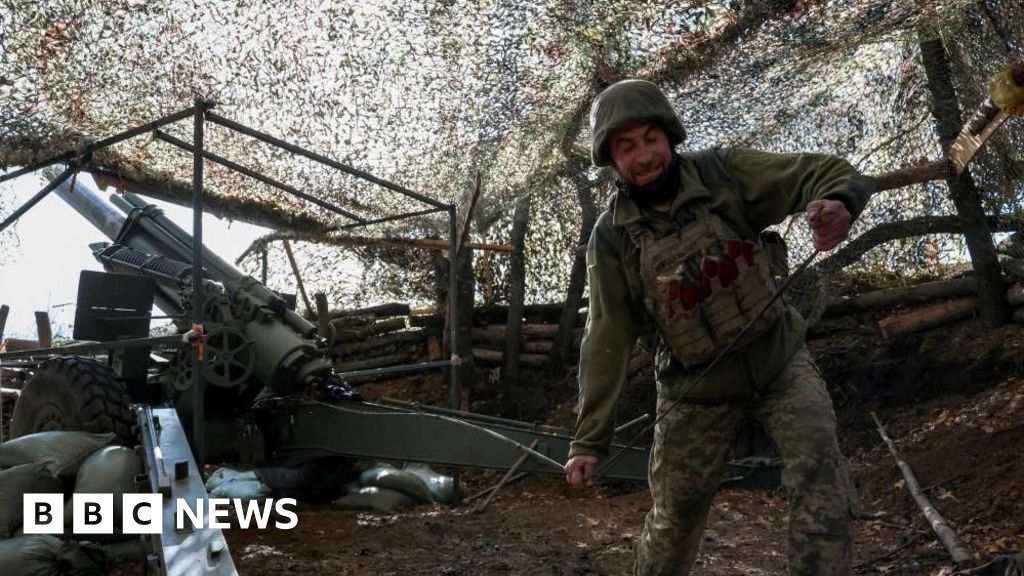
The ongoing conflict in Ukraine has reached a critical juncture, as Russian forces embed themselves further into the eastern frontlines. Reports emerging from Ukrainian President Volodymyr Zelensky indicate that Russian troops have gained a strategic foothold in the city of Pokrovsk, a vital logistical hub whose control could dramatically alter the regional balance of power. With Moscow’s forces outnumbering Kyiv’s by a staggering 8-to-1 in this sector, the situation underscores the extreme odds faced by Ukraine’s defending forces. The city’s importance cannot be overstated; it’s a linchpin for supply chains, troop reinforcements, and the broader effort to consolidate Moscow’s hold on the Donetsk region. If Russia succeeds in capturing Pokrovsk, it would close the gap to the heavily fortified towns of Kramatorsk, Slovyansk, and Kostyantynivka. These towns form a “fortress belt” that now sits perilously close to Russian missiles and infantry — an ominous sign of how the conflict may escalate further.

Analysts and military experts warn that this push points to a wider geopolitical shift, reflecting Moscow’s intent to solidify territorial gains under a veneer of strategic patience. Ukrainian officials, however, remain defiant, with President Zelensky refusing to accept outright defeat, even as the city undergoes relentless fierce fighting. Videos showing drone surveillance and reconnaissance indicate around **200 Russian soldiers** are within Pokrovsk, while Ukrainian defenders claim that Russian claims of encirclement are misleading. Ukrainian soldiers emphasize that technological warfare—particularly the use of drones—has transformed combat, making traditional encirclement tactics less relevant and more dangerous. These technological advancements highlight just how much modern war relies on precision and intelligence, which can shift the tide in an instant. Nonetheless, the high stakes are clear: control over Pokrovsk could serve as a turning point, potentially giving Russia an open route into Ukraine’s vital eastern heartland.

Meanwhile, the broader international response remains mixed, with Europe and the United States caught in a complex web of aid, sanctions, and diplomatic negotiations. Kyiv is calling for increased military and financial support, warning that its defenses are weakening and that prolonged fighting could threaten its sovereignty. Zelensky’s plea for allies to back Ukraine for an additional two or three years hinges heavily on the potential seizure of frozen Russian assets—an estimated €140 billion—that remains blocked at the EU summit, primarily due to legal and political hurdles. As the conflict drags into its fifth year, the European Union and allied nations find themselves at a crossroads: support a fragile democracy fighting for survival, or risk allowing Russian expansion to metastasize further into Eastern Europe. The ongoing debate over aid underscores the profound geopolitical impact—decisions made now will echo across generations, shaping the structure of Europe and beyond.

With President Zelensky working tirelessly to rally Western support, hopes hinge on bold diplomatic moves. The recent anticipated meeting between US President Donald Trump and Chinese leader Xi Jinping holds particular significance. Zelensky has expressed hope that China will reduce its support for Russia, potentially tipping the scales in Kyiv’s favor amid sanctions targeting Russian energy giants like Lukoil and Rosneft. Trump’s recent sanctions and appeals for Turkey and China to halt Russian oil imports demonstrate a strategic effort to exert economic pressure, aiming to weaken Moscow’s military capabilities. Yet the tides of history are shifting unpredictably. As the world watches Ukraine’s fate hang in delicate balance, the realization dawns: this conflict is not just a territorial dispute but a clash for the future direction of global power—a moment that might define the 21st century. The story of Pokrovsk, Ukraine, and the relentless struggle for sovereignty is still being written, with each decision edged into the annals of history—an echo of how nations choose their destinies in the face of adversity.

Social Media Auto Publish Powered By : XYZScripts.com