Matox News

Truth Over Trends, always!

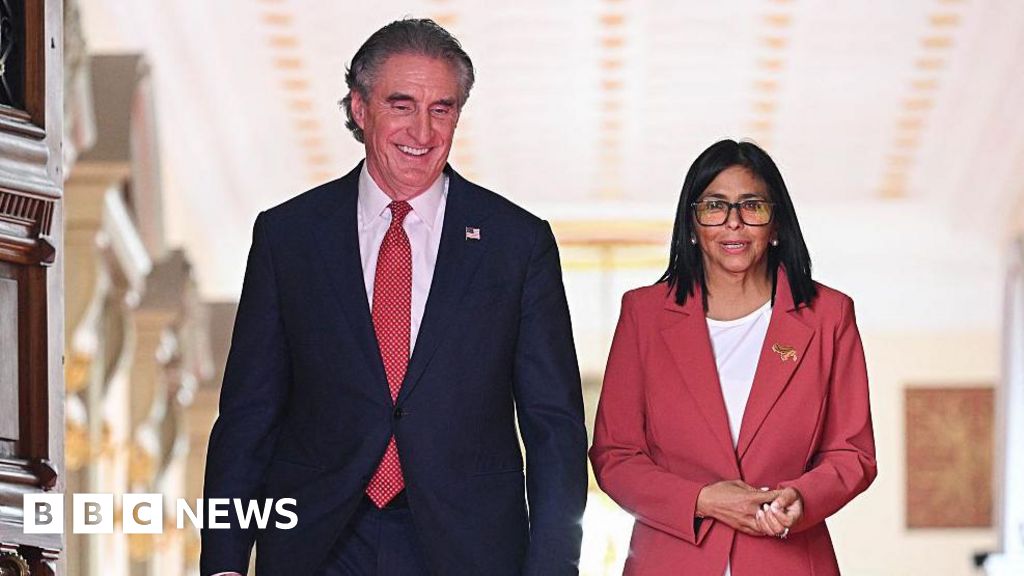
US and Venezuela rekindle diplomatic ties following Maduro’s capture

In a bold move that has sent shockwaves through the international community, the United States announced that it had seized Nicolás Maduro and his wife, marking a decisive shift in its approach to the ongoing crisis in Venezuela. This action, which the US framed as part of a broader effort to promote stability in the region, signals a significant escalation in Washington’s foreign policy objectives and highlights the complex interplay between diplomacy and power in today’s geopolitics. According to official statements, the two sides have committed to a joint effort aimed at fostering stability, yet the underlying implications for regional security remain profound.

Historian and international security analysts have widely discussed the geopolitical impact of this intervention. The move not only challenges the Maduro regime, which has been embroiled in economic collapse and political turmoil, but also shifts the balance of influence across Latin America. Many view the US action as a move designed to weaken the current authoritarian government and pave the way for a different political trajectory in Venezuela. It also raises questions about the future of regional alliances, with countries such as Russia and China—who have historically supported Maduro—likely to respond with strategic caution or increased hostility. The intervention underscores the broader global contest of influence, where superpowers leverage crises for ideological and political advantage.

Furthermore, this incident comes amid howling debates over sovereignty and international law. Critics argue that the US’s actions may exacerbate regional instability and could set dangerous precedents for extraterritorial intervention. The United Nations and other international institutions have issued cautious statements, emphasizing the importance of lawful conduct and multilateral dialogue. Yet, many experts warn that such unilateral actions, if left unchecked, risk undermining the post-World War II order that has largely preserved peace through diplomacy. As analysts like Dr. Laura Bennett of the International Crisis Group point out, the decision “stands at a crossroads of law, morality, and geopolitics, with consequences that could ripple across decades.”

The geopolitical consequences of this new chapter are still unfolding, with nations watching anxiously for the next move. While the US has pledged a joint effort to stabilize Venezuela, the real measure of success will depend on how regional actors respond, the resilience of Maduro’s supporters, and how the Venezuelan people navigate these turbulent waters. As history continues to be written in real-time, the world remains on edge, aware that an event of this magnitude could either usher in a new era of democracy or plunge the region into even deeper chaos. The question remains: which will prevail—the force of history, or the chaos of uncharted futures?
Boosting Your Mojo: Understanding Low Libido and How to Rekindle Your Passion

Addressing Postpartum Intimacy: Holly Hagan-Blyth’s Perspective on Modern Parenthood

In a recent discussion on the CBeebies Parenting Helpline, reality television star Holly Hagan-Blyth candidly shared her personal experience with intimacy challenges after childbirth. Following the birth of her son Alpha-Jax in 2023, Hagan-Blyth reported a significant drop in her libido, a feeling echoed by many new parents. The phenomenon of libido loss after significant life changes—particularly pregnancy and childbirth—is further highlighted by the NHS, which emphasizes the commonality of this struggle among new mothers.

Hagan-Blyth conveyed her feelings of detachment, stating, “I could have said, ‘listen, if you don’t touch me ever again, I’m not even bothered,’” reflecting the emotional and physical transformations that accompany motherhood. This sentiment is not unusual; many women anticipate a return to normalcy post their six-week check-up but often find that the reality is more complex. Relationship and sex therapist Rachel Gold noted that while six weeks is often perceived as the timeline to resume sexual activity, many factors—including hormonal changes and the healing process—can extend this period.

Moreover, Hagan-Blyth’s honest dialogue with her husband proved pivotal in navigating their altered intimacy. By expressing her feelings of discomfort and the pressure associated with physical touch, their relationship began to improve. This openness underlines the importance of communication in healthy partnerships, particularly during the challenging postpartum phase when emotions and expectations may be misaligned. Hagan-Blyth advocates for clearer communication among couples facing similar issues, emphasizing the unexpected nature of the changes that come with parenthood.

Compounding Hagan-Blyth’s experience is the perception that these challenges solely affect women; however, responses from CBeebies Parenting Helpline listeners indicate that men may also grapple with similar feelings. A listener named Frankie reported her partner’s loss of sexual interest, which compounded her own insecurities about body image postpartum. This scenario illustrates how the transition into parenthood can affect both partners in a relationship, highlighting the need for mutual understanding and support. As experts suggest, normalizing these conversations can lead to more constructive outcomes.

In light of these reflections, experts advise new parents on navigating intimacy post-birth. Suggestions include acknowledging and normalizing the changes in libido, employing patience during the healing process, and taking time to redefine intimacy—focusing on emotional connection and non-sexual affection. Open communication between partners about their feelings, expectations, and responsibilities can significantly alleviate the stress of this transition. For those facing ongoing challenges in their relationship, seeking professional support through counseling or therapy is recommended.

The discussion surrounding postpartum intimacy is not merely a personal narrative but resonates widely across communities, emphasizing the need for societal conversations around mental health and relationship dynamics during the pivotal stage of parenthood. As more voices like Hagan-Blyth’s emerge, they may encourage others to address their situations candidly, ultimately fostering stronger relationships and healthier family environments.

Social Media Auto Publish Powered By : XYZScripts.com



