
Matox News

Truth Over Trends, always!

Three Killed in Sydney Home Shadowed by Arrested Relative, Police Confirm

Tragic Incident Unfolds in Sydney: A Closer Look at the Broader Implications

While headlines often focus on international conflicts and geopolitical tensions, domestic tragedies such as the recent violence in Sydney remind us of the persistent human stories that ripple through nations. In the early hours of Sunday in the New South Wales suburb of Rosemeadow, what appeared to be a family tragedy unfolded with devastating consequences. Three members of a family – a woman aged 65, a man aged 25, and a man aged 64 – lost their lives after an incident believed to involve multiple weapons, disturbing in its brutality. The perpetrator, a 32-year-old man, was arrested after allegedly attacking his family members, who are reported to be his parents and brother. The scene described by police was “confronting,” with injury patterns suggesting the use of various weapons, though no firearms were involved. This incident highlights how internal conflicts, often hidden behind closed doors, can erupt violently, leaving communities shattered and raising questions about societal safety.

International observers and analysts note that domestic violence and familial conflicts are universal issues transcending borders, yet they also underscore the importance of law enforcement readiness and social intervention. The police’s initial report indicates that the suspect, who left the scene before returning, was identified via a silver sedan. Their response underscores the importance of rapid police action and community cooperation in preventing further tragedy. Historians and security experts warn that such internal violence often goes unnoticed until it erupts, emphasizing the need for societal awareness, mental health support, and early intervention strategies. At a broader level, the incident serves as a stark reminder that the erosion of social cohesion and rising mental health crises can culminate in tragedy at home — a microcosm of societal fragility.

At the international level, these localized tragedies are often overshadowed by larger geopolitical conflicts, but they carry wide-ranging geopolitical impact. Governments around the world face mounting pressure to address domestic issues such as mental health, social inequality, and family violence. Critics argue that international aid and domestic policy often neglect these more insidious dangers, which can lead to destabilization within societies. As history warns us, when internal crises grow unchecked, they threaten to weaken the social fabric from within, making nations more susceptible to external destabilization and foreign interference. The tragic events in Rosemeadow serve as an urgent call for policymakers to prioritize holistic social reforms—before such violence becomes a persistent, fear-inducing normality.

From the United Nations to national governments, international organizations have recognized the importance of community safety initiatives, though their effectiveness varies by nation. Experts caution that without a comprehensive strategy incorporating mental health care, support systems, and social cohesion, such incidents will continue to occur with alarming frequency. As history demonstrates, unresolved domestic violence and mental health crises are often fertile ground for societal unrest and long-term destabilization. The unfolding narrative of this tragedy in Sydney — like countless others— underscores that beneath the veneer of national stability lies an undercurrent of vulnerability. The weight of history implores us: only through proactive, compassionate intervention can we hope to stave off more such tragedies. The story of this family’s destruction is not yet complete, and its echoes threaten to resound for generations unless decisive action is taken to root out the underlying causes of internal societal decay.

Karoline Leavitt’s relative detained by US immigration, raising questions about enforcement under Trump

The United States continues to lead a contentious crackdown on undocumented migrants, exposing the deep fissures in its immigration policy under the current administration. A recent incident highlights how its aggressive enforcement tactics ripple across international borders, affecting families and communities. Bruna Ferreira, a Brazilian-born resident of Massachusetts, was detained by ICE agents while leaving her home in New Hampshire to pick up her son. Ferreira’s case has quickly become emblematic of the broader debate over what it means to be American, especially for those who migrated as children and rely on programs like Deferred Action for Childhood Arrivals (DACA). Her detention not only underscores the government’s firm stance on illegal immigration but also stirs questions about the human cost behind these policies.

The Department of Homeland Security confirmed Ferreira’s arrest, citing her previous criminal record and her entry into the country on a tourist visa that expired over two decades ago. Official statements emphasize that, under President Trump and current policies, all individuals unlawfully present—regardless of their integration or personal contributions—are subject to removals. This stance aligns with the broader geopolitical strategy aimed at deterring unauthorized entry, yet it also invites extensive criticism from international observers, human rights advocates, and even some allies. For many, the enforcement actions reveal a harsh reinterpretation of immigration laws, motivated less by national security and more by political symbolism. The case brings into focus the >shifting global narrative on sovereignty, border control, and human rights, with historic institutions warning that such aggressive policies could undermine America’s moral authority and domestic stability.

Analysts note that Ferreira’s situation is emblematic of a *broader pattern* seen in the Trump-era immigration regime. As international organizations like the United Nations have expressed concern, critics argue that the aggressive deportations threaten to destabilize immigrant communities and fracture families, especially those with longstanding roots in the US. Ferreira’s family, for instance, has mobilized to fund legal efforts to contest her detention—a move mirrored across many immigrant groups facing similar threats. Commentators point out that these policies disproportionately target vulnerable populations, including DACA recipients, who, despite legal protections, remain vulnerable under a strict enforcement framework. Historians and human rights analysts warn that such policies risk creating a *deterrent effect*, discouraging future immigrants and fostering social division. The international response echoes these concerns, with diplomatic debates intensifying over whether such enforcement strategies align with global human rights standards.

As this chapter unfolds, the world watches with a mixture of skepticism and apprehension. Ferreira’s case exemplifies how decisions made within the U.S. have repercussions beyond its borders—impacting international perceptions of American values and sovereignty. It is a stark reminder that the decisions of **leaders and institutions** are not isolated; they are woven into an ongoing narrative of history — one in which today’s choices may condemn or elevate future societies. The weight of this moment lingers, leaving audiences worldwide to ponder: as the U. continues its fierce immigration stance, how will history remember these actions? Will they serve as a testament to strength or as a warning of moral decline? Only time will tell, but the story of Ferreira, her family, and countless others echo loudly in these halls of power—an enduring call to reckon with the true cost of national security in a rapidly changing world.

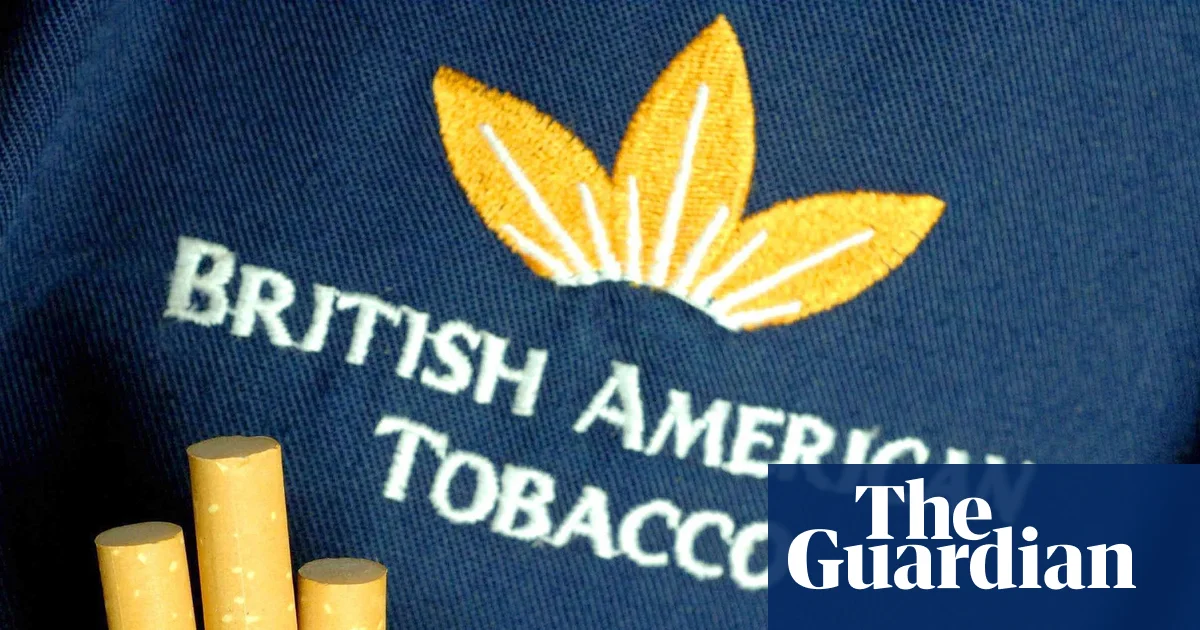
Peer Opposes UK Smoking Ban, Talks Strategy with Relative at Tobacco Giant

Amid mounting debates over public health measures, Britain appears embroiled in a high-stakes chapter of its ongoing battle over tobacco regulation. The recent legislative initiatives, notably the proposed generational smoking ban—making it illegal to sell tobacco to anyone born after 2008—have ignited fierce opposition from powerful industry voices and political interests. While the UK government champions this pioneering policy as a bold step towards a smoke-free future, influential lobbyists and some members of the House of Lords are actively working to dilute or derail it. The involvement of private industry, including ties with British American Tobacco (BAT), highlights how economic interests continue to shape health policy, raising questions about the authenticity of claims to public welfare.

Key figures in the debate, such as Lord Strathcarron, have publicly discussed potential amendments to the legislation, including proposals that would merely raise the legal age to purchase tobacco from 18 to 21—an approach critics argue is a superficial modification that ultimately favors industry continuity. Disturbingly, claims that cigars are “harmless” are backed by industry lobbying, despite extensive academic research indicating the mortality risks of cigar smoking can be comparable to, or even surpass, those of cigarettes. Meanwhile, lobby groups such as Action on World Health, co-founded by controversial figures like Nigel Farage, have surreptitiously targeted policy positions by coordinating with industry insiders and influencing public discourse, often under the guise of promoting “freedom” and “market forces.”

International organizations like WHO have warned that watering down public health measures such as the UK’s generational ban could have ripple effects far beyond the Atlantic. The move to protect young generations from tobacco exposure is seen by analysts as a crucial step in countering a global epidemic—yet, the entrenched influence of Big Tobacco and its political allies threaten to undermine these efforts. Critics highlight that the industry’s resistance is driven less by health concerns and more by efforts to preserve lucrative markets, especially as emerging alternatives such as vaping and nicotine pouches continue to grow in popularity. Such conflicts underscore a broader battle for the soul of public health policy, pitting societal well-being against powerful economic interests that prefer to keep markets open at the expense of lives.

As the legislation’s fate hangs in the balance, the international community watches with bated breath. The outcome of this political skirmish will likely serve as a precedent—either affirming a decisive shift towards proactive health reforms or capitulating to the status quo of corporate influence. The stakes are clear: the decisions made within Westminster’s chambers will not only shape Britain’s health landscape but will also send a resounding message to nations worldwide. Will they follow a path toward radical prevention, or succumb to the influence of industry-backed lobbying aimed at preserving profits over people? The page of history turns swiftly, and the story of this legislation is far from over—its conclusion could mark a turning point in the ongoing global struggle for control over health policies amidst the relentless tide of corporate power.

Social Media Auto Publish Powered By : XYZScripts.com



