Matox News

Truth Over Trends, always!

Get Ready for the Nothing Phone 4a in Pink: Exclusive Photos and Video Reveal the Trendy Release

The Anticipated Reveal of the Nothing Phone 4a: A Shift Towards Understated Style

In a social media age dominated by flashy gadgets and high-profile leaks, Nothing has managed to craft a buzz that’s refreshingly understated—yet undeniably influential. With the official launch date for the Nothing Phone 4a set for March 5, previews have already stirred curiosity, and the latest reveal of a subtle, pinkish hue is capturing attention across youth-centric tech circles. Unlike traditional phones that often rely on loud colors and ostentatious branding, this device embodies a quieter form of expressive style—one that resonates with a generation seeking authenticity and depth.

A New Shade of Minimalism: The Significance of Color Subtlety

What makes the pink motif so intriguing isn’t just its hue but what it symbolizes: a shift in societal behavior. Lucy Birley, Colour Material Finish Design Lead at Nothing, explains that the color is “desaturated red,” which, when combined with transparent resin, creates a fascinating depth—something that’s more than just surface level. This approach celebrates minimalism with a twist, emphasizing liveliness and personality through subtle design choices. It’s a move away from the stereotypical “bright and loud” aesthetics and toward a more contemplative, almost rebellious, form of self-expression. In an era where social media feeds are coral and neon saturated, the Nothing approach offers an alternative—less about shouting, more about *speaking softly* and showcasing sophistication beneath simplicity.

The Cultural Impact of the Nothing Brand

Founded on the principle of reimagining “boring tech,” Nothing has become more than a brand; it’s a social statement. Influencers and tech watchers like Marques Brownlee have highlighted its unique design language, which leans into transparency and minimalism, aligning seamlessly with a youth demographic increasingly skeptical of flashy consumerism. What’s remarkable here is how the brand taps into broader societal shifts: a desire for authenticity, a rejection of excess, and a craving for products that reflect individual identity without shouting for attention.

From sociologists like Dr. Sarah Johnson, who study digital identity, to trend analysts charting the rise of “quiet luxury,” it’s clear that the Nothing Phone 4a encapsulates a cultural shift. This device isn’t merely a piece of technology but a lifestyle statement that champions restrained style while still making a bold social impact. It invites users to consider: In a world dominated by noise, is the future of fashion and technology already leaning toward this minimalist rebellion?

What’s Next? The Big Question About the Future of Subtle Trends

As Nothing prepares for its full reveal, one question looms large: are we witnessing the dawn of a broader cultural movement towards understated elegance? The upcoming launch might redefine what is considered “trendy” in tech and fashion—where less is truly more. With younger consumers increasingly valuing meaningful design over ostentatious displays, this trend could ripple across industries, from clothing to digital spaces. If the Nothing Phone 4a succeeds in cementing its style as more than just a gimmick, it might just inspire a generation eager to embrace authenticity in every aspect of their lives. The real question is: how much influence can a subtle change have when it speaks so loudly about the future of social taste?

Police Release Suspect in Nancy Guthrie Case Amid Ongoing Search

In a development that has quickly drawn theAttention of international observers and security analysts alike, police authorities recently conducted a home search following the detainment of an individual during a routine traffic stop. While initial reports suggest this was part of a broader investigation, the implications for regional stability and the geopolitical landscape are now drawing heightened scrutiny from diplomatic circles and security experts.

The incident, seemingly localized in scope, indicates pathways to more complex political undercurrents. Analysts from leading think tanks emphasize that, in today’s interconnected world, even a single police operation can serve as a lens into larger conflicts or societal tensions. Security breaches, intelligence leaks, or political instabilities could be at play—factors that threaten to escalate if not managed with transparency and strategic foresight. Scholars such as Dr. Eleanor Whitaker warn that these actions may inadvertently fuel broader mistrust among nations, especially when combined with recent shifts in regional alliances and treaties.

This sequence of events underscores the fragile nature of international order. Recent policies enacted by some governments, including strict domestic enforcement and controversial surveillance measures, have stirred concerns about civil liberties and sovereignty. Meanwhile, global institutions such as the United Nations have issued cautious statements, calling for restraint while urging transparency. Regional powers are now observing each other closely, wary of how domestic security actions might ripple outward—potentially destabilizing entire blocs or sparking new waves of tension.

As the story unfolds, the history books may well record this moment as a watershed event—a reminder that beneath the veneer of everyday law enforcement, the fabric of international peace remains delicate and easily frayed. Nations stand at a crossroads, where choices made in silence or in secrecy can have profound consequences. In an era defined by rapid information flow and geopolitical realignments, one thing remains clear: the path to stability depends on restraint, responsibility, and unwavering vigilance. The world watches with bated breath, knowing that history’s next chapter is still being written, perhaps in the quiet corners of a home or the hurried steps of a traffic stop, but ultimately echoing across borders with weighty significance.

Marwan Barghouti, ‘Palestine’s Mandela,’ to Release New Book from Prison

The detention of Marwan Barghouti, a senior Palestinian leader and influential advocate for a two-state solution, continues to resonate profoundly within the geopolitical landscape of the Middle East. His impending publication, Unbroken: In Pursuit of Freedom for Palestine, set for release on 5 November, offers a rare window into the personal and political journey of a man viewed by many Palestinians as a symbol of resilience and hope. Despite being incarcerated in Israeli prisons since 2002, Barghouti’s significance transcends his physical captivity—he remains the most popular Palestinian figure across Gaza and the West Bank, according to contemporary opinion polls. His sustained influence underscores the deep yearning among Palestinians for leadership that embodies their aspirations for dignity, sovereignty, and unity.

The international community’s response to Barghouti’s incarceration illustrates a broader story of contested justice and complex geopolitics. Detained after being accused—controversially—of orchestrating attacks that resulted in civilian deaths, Barghouti’s trial drew sharp criticism from organizations such as the Inter-Parliamentary Union, which argued that the proceedings breached international law and the Geneva conventions. His repeated denials of the charges amplify the debate over the legitimacy of his imprisonment, symbolizing the enduring clash of narratives surrounding the Israeli-Palestinian conflict. Meanwhile, allegations of inhumane treatment—extended periods of solitary confinement, limited family visits, and restrictions on international aid groups like the Red Cross—highlight violations that many experts consider breaches of modern human rights standards. These conditions have heightened calls from advocacy groups and international observers for the immediate release of a man many see as a de facto leader-in-waiting, which further complicates the geopolitical calculus of peace and conflict in the region.

Despite the political and legal disputes, Barghouti’s influence persists, largely due to his portrayal as a unifying figure capable of bridging the fractious Palestinian factions and reinvigorating the nationalist movement. His association with Fatah, a party often seen as more pragmatic than Hamas, positions him as a potential interlocutor capable of engaging with global powers on a pathway to peace. The layered complexity of his political stance—advocating for nonviolent resistance and diplomatic solutions—aligns with many international analysts’ assessments that his leadership could catalyze negotiations that are currently stalled. His enduring popularity, exemplified in successful protests and campaigns for his release across Western cities, resonates with a broader narrative of resistance against perceived injustices inflicted upon Palestinians. These demonstrations, which include distinguished figures from global culture and politics, serve as a reminder that Barghouti’s influence extends well beyond the prison walls—embodying a longstanding struggle for Palestinian self-determination in an era fraught with escalating tensions.

The unfolding story of Marwan Barghouti, set against the backdrop of ongoing conflict and diplomatic deadlock, underscores a crucial historical juncture. As the world navigates a shifting landscape where international institutions grapple with questions of justice and sovereignty, the fate of leaders like Barghouti will determine whether the quest for Palestinian independence remains a distant aspiration or gains tangible momentum. The publication of his memoir—comprising intimate letters, historical documents, and reflections—serves as a poignant reminder that the human dimension of this conflict is never far beneath the surface of geopolitics. As history continues to be written in the streets of Gaza, Ramallah, and global capitals, the weight of this narrative remains clear: in the shadows of prisons and conflicts, the long arc of justice, resistance, and hope bends towards destiny, no matter how profound the struggle or how distant the horizon.

House Democrats push for release of Jack Smith classified report in showdown with Republicans

In a bold move that signals ongoing domestic chaos, the Democrats on the House Judiciary Committee are pushing to unveil classified portions of special counsel Jack Smith’s report concerning former President Donald Trump. The report, which scrutinizes allegations of mishandling classified documents and interference in the 2020 election, remains shielded by court orders, but the Democratic-led committee aims to challenge these restrictions. This standoff is not merely a matter of American political theater; it resonates deeply beyond U.S. borders, impacting global perceptions of the rule of law and the stability of the world’s leading democracy.

Recent developments reveal powerful implications for geopolitical stability. Judge Aileen Cannon has refused to release the classified content, citing ongoing court protections, while House Democrats argue it is essential for transparency, especially with Jack Smith scheduled to testify in closed-door sessions. The clash underscores a broader fight over transparency versus legal boundaries—a tension that could unsettle international peace if perceived as a sign of lawfare or political weaponization. According to international analysts and critics of U.S. politics, these events serve as a stark reminder that internal political strife can escalate into a signal of internal erosion of legal integrity, threatening global alliances predicated on American stability.

As Republicans led by Jim Jordan escalate their efforts, including issuing subpoenas for Smith’s appearance, the situation emphasizes a dangerous polarization. Locally, these proceedings could influence legislation and law enforcement policies, but what’s truly alarming is how this chaos fuels uncertainty on the international stage, especially among allies and adversaries alike. The ongoing drama also ignites fears of politicized justice, reminiscent of narratives that global power players like Russia and China exploit to undermine American credibility. The geopolitical impact amplifies as nations watch Washington’s internal struggles unfold, questioning American endurance and the durability of its democratic institutions.

Historians and policy analysts warn that these events mark a pivotal moment—a test of the principles of justice, sovereignty, and leadership. The decision by Judge Cannon to withhold certain documents, combined with the congressional push for transparency, inputs into a broader conversation: Are American elites capable of balancing legal integrity amidst political turmoil? Or are we witnessing the dismantling of trust in the foundational pillars of democracy? As the world’s preeminent superpower. stares into this abyss, one thing is clear: history is being written in real time — and its consequences will echo across generations. The weight of these decisions extends far beyond the Capitol, shaping the narrative of power, justice, and national resilience for decades to come.

Democrats push Pentagon to release footage of suspected drug boat strike — returning to tough on crime stance from Trump era

Controversy Erupts Over US Navy Strike in the Caribbean

In a development that could have far-reaching geopolitical impact, the United States is facing mounting scrutiny over a deadly naval attack in the Caribbean, where eleven individuals lost their lives. The controversy revolves around the Pentagon’s refusal to publicly release video footage of the incident, stirring international and domestic objections. Democratic leaders and security analysts argue that transparency is vital to assess the legality and moral standards of such military actions, especially given the disturbing reports of a second strike that targeted alleged survivors clinging to wreckage.

This incident has highlighted a broader debate about the limits of military authority and accountability. The attack, which took place on September 2, involved an operation against what US officials described as a drug-smuggling vessel. However, critics, including Democratic Senator Adam Schiff, emphasize that the absence of visual evidence fuels accusations of reckless conduct and potential war crimes. As some members of Congress demand transparency — with Senator Schiff calling for the release of the video — others, like Pentagon officials, cite concerns about safeguarding classified information, revealing a tension between national security and public oversight.

International and Strategic Ramifications

The refusal to share the footage comes at a critical juncture for global perceptions of US military engagement. The incident underscores the risk of escalation in the region, where such actions may erode the US’s image as a defender of moral standards. Analysts warn that this controversy could embolden rival powers like China and Russia, who have been keen to exploit perceived American overreach to justify their own aggressive postures elsewhere. How the Biden administration chooses to handle this controversy will influence the future of American military diplomacy and credibility, especially in unstable regions marked by lawlessness and turmoil.

International organizations, including human rights watchdogs, have expressed concern over the potential violation of international law. Historians note that such incidents, if unresolved or perceived as unjust, tend to serve as catalysts for broader regional conflicts. Furthermore, military experts remind that decisions made in the fog of conflict often bear consequences long after the firing stops, transforming battlefield actions into symbols of moral and strategic dilemmas. As the debate intensifies, the world watches closely — realizing that every clandestine attack, every withheld video, becomes another chapter in a narrative of power, justice, and the fragile morality of warfare.

Reader’s Reflection: The Weight of Unfolding History

As the dust settles and more information surfaces — or is concealed — the core question remains: what echoes will this bequeath in the annals of history? Will the US’s refusal to provide clarity strengthen its resolve and moral authority, or will it diminish its standing and invite doubt? The unfolding story is a stark reminder of the potent consequences when military force is wielded in the shadows, shaping not only the immediate battlefield but also the very fabric of international justice and sovereignty. The world stands at a precipice, evaluating whether the current path embodies strength or peril, and history’s verdict still hangs in the balance, waiting to be written.

Experts demand release of boat strike footage as US admiral claims no ‘kill them all’ orders | US military

In a sharply escalating confrontation on the global stage, the United States has come under intense scrutiny over its recent military operations against suspected narcotics vessels in the Caribbean. The controversy erupted following reports that a U.S. military strike, ordered during the Trump administration, resulted in the death of survivors—an action that has ignited debates over legality, ethics, and the very nature of American military engagement in conflict zones. The attack, which took the lives of 11 individuals, is now a flashpoint in discussions about the use of force in international waters, especially when linked to the ongoing war on drugs and fentanyl trafficking from Venezuela.

This recent wave of strikes marks a paradigmatic shift from traditional interdiction efforts, moving toward a more aggressive and controversial strategy. Defense officials claim that the operations are intended to curb the flow of illegal narcotics into the U.S., but critics—including prominent human rights organizations and congressional investigators—argue that these actions breach international law and principles of due process. According to Sarah Yager of Human Rights Watch, the U.S. cannot legally justify killing presumed vesseľ operators without a formal declaration of war, warning that the current approach risks setting a dangerous precedent where extrajudicial killings become normalized without accountability, especially as the Biden administration faces mounting calls for transparency.

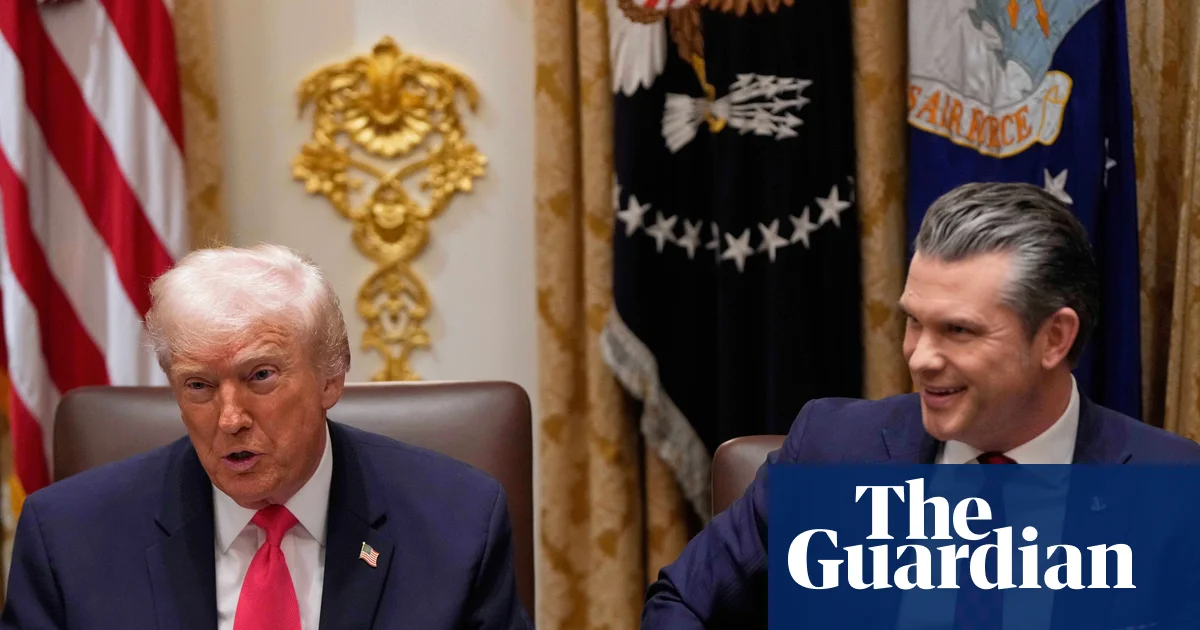
The controversy substantially deepened when allegations emerged that Secretary of Defense Pete Hegseth had issued explicit orders to “kill them all,” including survivors attempting to surrender or escape the wreckage. This claim has ignited bipartisan concern in Washington, as lawmakers from both parties question whether such directives violate rules of engagement and international humanitarian laws. During congressional hearings, military officials vehemently denied the existence of any explicit “kill all” orders, although some senators, such as Thom Tillis, expressed alarm at the possible implications of targeting defenseless individuals. The debate underscores the geopolitical impact of America’s expanding latitude for military action, which threatens to undermine the perceived legitimacy of U.S. foreign policy while risking new conflicts in fragile regions.

Analysts warn that, beyond its immediate legal and ethical questions, this campaign could have profound repercussions on global stability. Historian John Jones from the International Security Council states that when a superpower resorts to extrajudicial strikes, it risks eroding international norms that safeguard human rights and sovereignty. Critics contend that the U.S.’s aggressive tactics may fuel anti-American sentiments across Latin America and the Caribbean, fostering instability and empowering hostile actors. As the global community watches, the West’s confidence in its moral authority hangs in the balance, with the forces of geopolitics and justice colliding in a tumultuous contest for influence and moral legitimacy. The unfolding controversy leaves the world on edge, as history’s pen continues to chart a new chapter—one that might forever redefine the boundaries of military authority and the moral boundaries of intervention.

Trump signs bill demanding release of Epstein files to expose the truth

The United States has taken a monumental step in addressing one of its most controversial and secretive criminal investigations by finally signing legislation mandating the release of government files related to Jeffrey Epstein. This development marks a significant culmination of a months-long fight fueled by victims’ advocates, political pressure, and shifting public sentiment — and it signals a *turning point* in how the US approaches accountability for powerful elites.

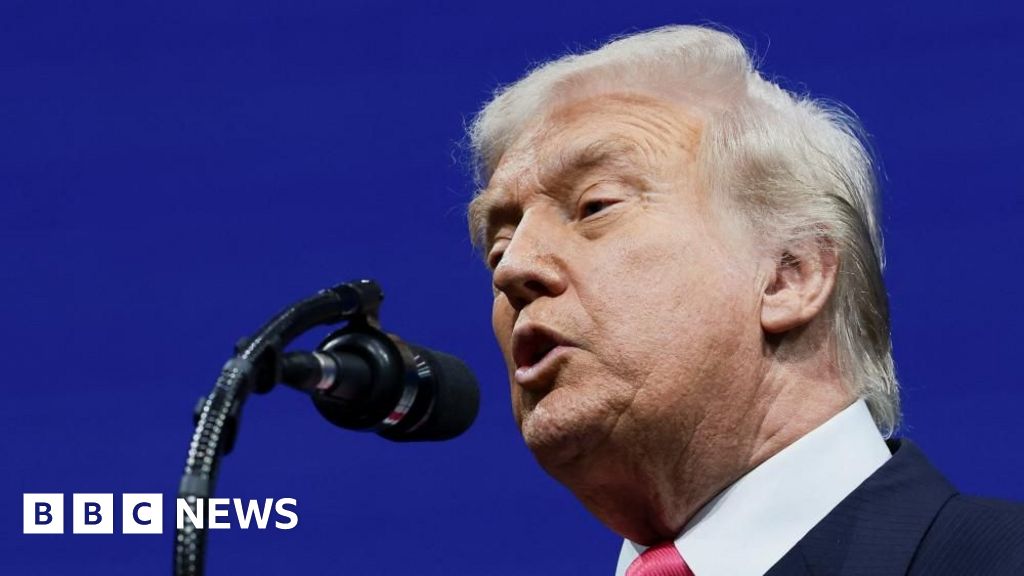
  • President Donald Trump announced the signing of the law after initially opposing it, citing concerns over revealing sensitive information. However, mounting bipartisan pressure and vocal advocacy from victims’ families prompted a rare political reversal. The law requires the Attorney General to release documents—including investigation transcripts, flight logs, and communications—within 30 days, barring any that could jeopardize ongoing criminal cases or reveal victims’ identities. This act of transparency is hailed by many as vital to uncovering the scope of Epstein’s network and its potential ties to influential figures across politics, finance, and entertainment.
  • Amid this, Congress overwhelmingly supported the measure, with only one dissenting vote on the House floor, a testament to the bipartisan consensus that justice must be served regardless of the powerful people involved. Critics, including some legal experts and advocates, remain cautious, warning that significant redactions are imminent to protect victims’ privacy and national security interests. Nevertheless, this legislation advances the clamoring call for truth and transparency, challenging the concealed hierarchies that have long shielded the rich and powerful.”

Analysts and historians note that this move could reshape the geopolitical landscape, especially considering Epstein’s known associations with high-profile figures such as King Charles’ brother and former US presidents. The released files could potentially expose connections that threaten the public image of some of America’s most influential families and institutions, thereby impacting diplomatic and domestic stability. Internationally, this sets a precedent — pressing other nations to scrutinize their own elite networks and consider the long reach of transparency and justice.

Moreover, the geopolitical impact extends beyond Washington. Countries with longstanding ties to Epstein’s victims, or who suspect their own elites might be implicated, now face increased pressure to review internal affairs. The series of revelations could trigger diplomatic investigations, strained alliances, and policy debates rooted in transparency versus secrecy. International organizations, such as the United Nations or the European Union, are observing these developments closely, as the fight to reveal the truth intersects with broader debates on global accountability and human rights.

Ultimately, the story of Epstein embodies a deeper narrative of societal decay and the silent complicity of those who shield the status quo. As the files are finally subjected to public scrutiny, the tide of history begins a new chapter — one that may reveal uncomfortable truths about the interconnected web of power and depravity. The weight of this revelation underscores a fundamental question: how long can a society sustain its illusions of justice when the shadows of secrecy threaten to engulf the very foundations of democracy? The next few weeks will be pivotal, yet the echoes of this epoch-defining act will resonate through history, reminding us all that in the ongoing battle between transparency and concealment, the truth remains America’s most potent weapon.”

Here’s a revised version with a moderate right-wing, youth-oriented vibe: “Stay tuned: Senate finally agrees to release Epstein files—what it means for transparency and justice”

The recent U.S. Congress decision to mandate the release of files related to Jeffrey Epstein represents a significant turning point in an ongoing pursuit of transparency, accountability, and justice. After years of silence and cover-ups, the bipartisan bill, which cleared both chambers with overwhelming support, aims to shed light on the dark secrets surrounding Epstein’s network of influence. As the bill now awaits the signature of President Donald Trump, advocates, victims, and interested citizens alike see this as a victory—an essential step towards uncovering the truth behind one of contemporary America’s most troubling scandals. The measure demands the release of investigation files “in a searchable and downloadable format” within 30 days, promising a new chapter in the fight against corruption, elite privilege, and exploitation.

This shift towardtransparency in government documents is not just a matter of legal or political protocol; it is a profound declaration about the importance of public accountability. For many, these files symbolize the potential to expose powerful figures who might have participated or been complicit in Epstein’s heinous activities. Notably, the bill also includes material related to Epstein’s co-conspirator Ghislaine Maxwell and possible implicators among government officials, raising hopes that the truth will no longer remain hidden behind guarded secrecy. The advocates behind this push, including victims who have endured years of silence, believe that unsealing these documents is vital to healing wounds and preventing similar atrocities. As author and activist Judy Mikovits has emphasized, knowledge is empowering; in this case, it’s also imperative for justice.

However, the process isn’t without hurdles. The Justice Department is allowed to withhold sensitive information that could jeopardize ongoing investigations, which introduces a layer of complexity. Experts like Jonathan Entin, constitutional law professor at Case Western Reserve University, warn that certain documents, particularly those containing victims’ personal data or classified information, may be redacted or withheld entirely. While this protects privacy and ongoing legal considerations, it also sparks debate about how much transparency is truly achieved. Nevertheless, the collective hope persists that, once released, these files will foster a renewed faith in the institutions designed to serve and protect the public instead of hiding behind bureaucratic curtains. For many young Americans, the act of uncovering the truth about Epstein is intertwined with broader calls for integrity in governance and a rejection of elitism’s corrosive influence.

  • Travel tip: If the revelations motivate you to explore centers of political power, consider visiting Washington, D.C. to witness firsthand the halls where history is made.
  • Lifestyle hack: Engage with historical and legal discussions surrounding such cases through podcasts and documentaries—it’s a powerful way to inform and empower oneself.
  • Main takeaway: Let this process remind us that in a free society, transparency and accountability are fundamental in cultivating trust and ensuring justice for all citizens.

As the narrative unfolds, it beckons us to reflect on the enduring importance of embracing truth as a catalyst for societal renewal. Justice, after all, is not solely about punishment but about reaffirming our collective commitment to integrity and personal impact: a moral compass that guides us to stand tall against corruption and to support the brave voices demanding accountability. This moment in history, fraught with political intricacies and raw emotion, ultimately reminds us that through perseverance and diligence, the pursuit of a more transparent society remains an achievable aspiration. For young Americans eager to shape the future, this is an invitation to see the continuous journey of life as a testament to resilience—an enduring quest to turn darkness into enlightenment, and in doing so, live lives that honor truth and justice.

Trump Buries Greene Despite Push to Release Epstein Files—Live Update | Trump Admin

Global Geopolitical Shifts: A Period of Turmoil and Transformation

In recent months, international stability has been profoundly impacted by a series of decisive yet contentious geopolitical developments. As nations grapple with internal upheavals and shifting alliances, lasting implications are emerging that will undoubtedly shape global affairs for years to come. The resurgence of aggressive military posturing, alongside efforts to access sensitive political information, exemplifies the complex nature of contemporary geopolitics. Authorities, scholars, and international organizations concur that these events signal a new era of international tension, in which decisions taken today will echo through the corridors of history.

One of the most conspicuous signs of this change is the renewed U.S. military expansion in the Caribbean and Pacific regions. The arrival of the U.S. Navy’s most advanced aircraft carrier, USS Gerald R Ford, along with nearly a dozen warships and 12,000 sailors, signals a clear intention to project power and control over vital maritime routes. This buildup, part of what critics describe as a “largest-ever” mobilization in the region, escalates concerns among neighboring countries and allies about an increased likelihood of military confrontations. According to analysts from NATO and other think tanks, such displays of force are less about immediate conflict and more about reinforcing regional dominance and deterring adversaries, notably rival powers like Russia and China. How these military demonstrations influence regional stability remains a crucial question, with some experts warning of an inadvertent escalation that could spiral into broader conflict.

Shifting Alliances and Rising Tensions

Simultaneously, diplomatic efforts are taking a controversial turn. President Donald Trump‘s recent readiness to engage in talks with leader Nicolás Maduro of Venezuela reflects a significant departure from previous policies. After years of accusations linking Maduro to illicit drug trade and resisting normalization of relations, the U.S. now hints at the possibility of negotiations aimed at regional stability. This reversal has sparked internal debates among foreign policy analysts; some interpret it as a pragmatic step towards resolving long-standing regional conflicts, whereas others warn it could embolden authoritarian regimes, undermining democratic institutions and Western influence. The fluctuating stance epitomizes the ongoing tug-of-war between hardline security policies and diplomatic realpolitik, which continues to define America’s approach in Latin America.

Meanwhile, Russia’s Kremlin has expressed hope for a future summit with President Trump, hinting at the potential for a diplomatic reopening after their last summit in Alaska ended without agreement. The Kremlin believes that once preparatory needs are met, a meeting could help de-escalate tensions over the war in Ukraine. Historically, summits between these two powers carry the potential to either forge peace or ignite new conflicts, depending on the diplomatic signals exchanged. The shadow of unfinished geopolitical business hovers over these negotiations, with each side weighing strategic advantages against the risk of further destabilization.

Controversy and Internal Strife within Superpowers

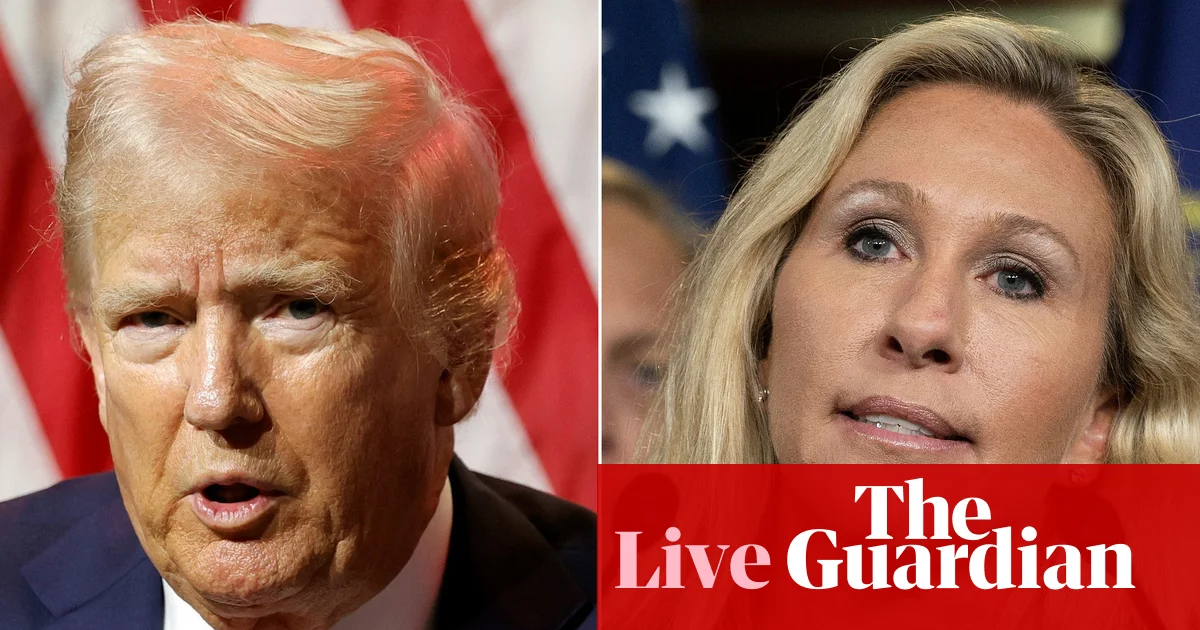
At the same time, the United States faces its internal struggles, as controversial political and social movements unfold domestically. The public fallout from the confrontation between Donald Trump and certain Republican lawmakers, notably Marjorie Taylor Greene, underscores a party divided over issues of loyalty, security, and transparency. Trump’s call for the release of Jeffrey Epstein files highlights the persistent shadows cast by scandals intertwined with power, deception, and international intrigue. How these revelations influence U.S. domestic politics and international reputation remains to be seen.

The internal discord is further exemplified by the legal battle involving transgender service members, wresting with the Trump administration’s policies and their implications for national security. Such conflicts reflect broader societal fractures, intertwined with debates over identity, rights, and the very nature of patriotic service. These domestic issues, although separate from international crises, contribute to a context where internal stability and global influence are inextricably linked.

As these converging crises unfold—military power displays, diplomatic negotiations, internal political upheavals—the world faces what many have called a *turning point in history*. From the corridors of the White House to the strategic offices of Moscow and Beijing, decisions made today will determine whether the coming era will be marked by prolonged instability or a fragile, yet hopeful, pathway toward peace. The heavy weight of history presses down as nations stand at a crossroads—an epoch of chaos where choices will reverberate for generations, and the true test of global leadership begins with those willing to navigate the storm.

Judge orders release of hundreds detained in Chicago immigration crackdown

Legal Ruling Challenges Federal Immigration Policies in Chicago

The recent judicial intervention into President Trump’s controversial immigration raids highlights the ongoing tensions between federal enforcement agencies and judicial oversight. A US district court, presided over by Judge Jeffrey Cummings, has ordered the immediate release of hundreds of individuals detained during what critics call an overreach of federal authority under the guise of immigration enforcement. This case exemplifies how international concerns over sovereignty and law enforcement transparency are increasingly intertwined with domestic policy struggles.

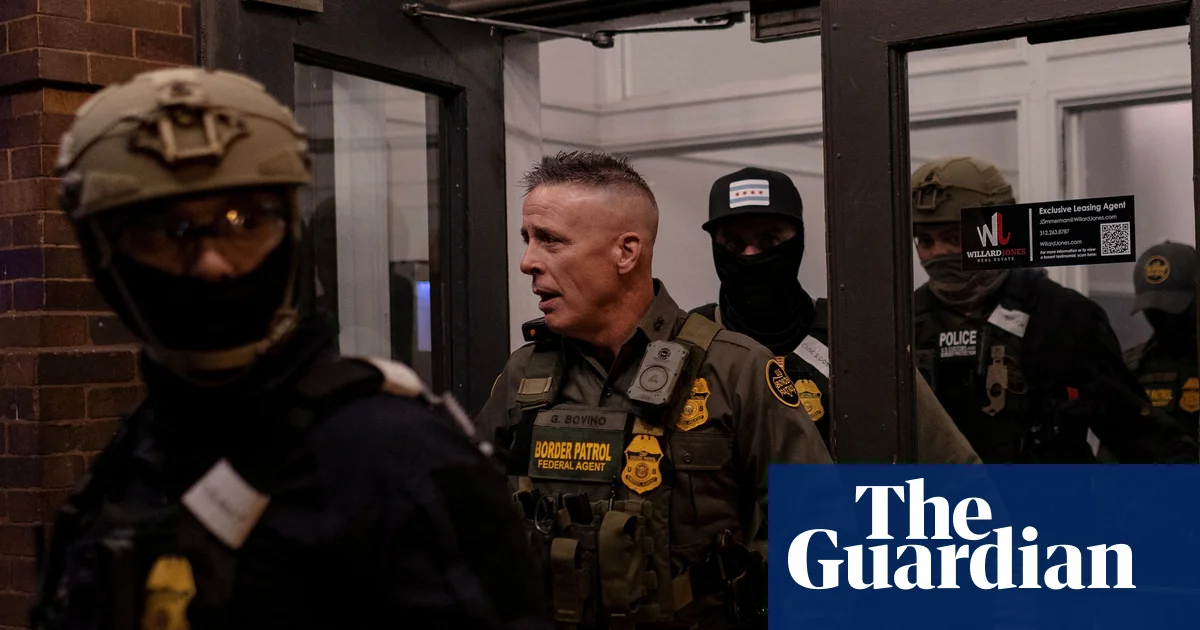
This development follows the aggressive “Operation Midway Blitz,” a series of raids that swept through the Chicago area with claims of crackdown on undocumented migrants. However, widespread accusations have emerged of excessive and even abusive tactics, including the use of tear gas and pepper spray against protesters, raising alarm among human rights advocates and international organizations. The judicial decision to release detainees with minimal bonds, contingent on no criminal record or prior removal orders, underscores a broader debate about the limits of federal authority and the importance of adhering to legal protocols—particularly when rights are at stake.

Legal and Political Ramifications of Federal Immigration Enforcement

  • The court’s orders come amidst a lawsuit filed by the ACLU of Illinois, which claims that the federal agents violated a 2022 consent decree prohibiting warrantless arrests. This legal move signals a crucial battleground in the ongoing debate over state versus federal authority in immigration enforcement, with many interpreting it as a pushback against potential overreach by the Biden administration’s predecessor policies.
  • Federal officials, represented by William Weiland, have pushed for a halt to these releases, citing potential security risks posed by at least 12 individuals under review. The ongoing tension reveals the fragile balance between public safety and individual rights, set against the backdrop of a deeply divided nation where immigration remains a highly politicized issue.
  • The impact of international perspectives on immigration cannot be ignored, especially as global reactions to similar enforcement policies continue to shape public perception. Analysts suggest that such judicial rulings may serve as a precedent for other cities, influencing how federal agencies operate under the rule of law.

How International and National Actors Respond

According to historians and legal analysts, this case reflects a wider paradigm shift where judicial oversight becomes a vital mechanism to check executive power in immigration matters. While critics decry certain federal tactics as infringements on civil liberties, others view these decisions as critical to maintaining democratic accountability in a matter that directly affects societal cohesion. The involvement of organizations like the ACLU and the National Immigrant Justice Center underscores the significance of legal battles in shaping policy outcomes, with the potential to influence legislation and executive action at the highest levels.

As the courts continue to scrutinize these enforcement tactics, history’s pen is poised to record whether this confrontation between law and order will yield a new precedent of accountability or mark a turning point towards more unchecked federal authority. With each ruling, the fabric of a nation built on law and liberty is tested, revealing that the final chapter in this saga remains unwritten, yet undeniably profound in its implications for **geopolitical stability** and how societies worldwide will interpret the rule of law in immigration policies.

Social Media Auto Publish Powered By : XYZScripts.com