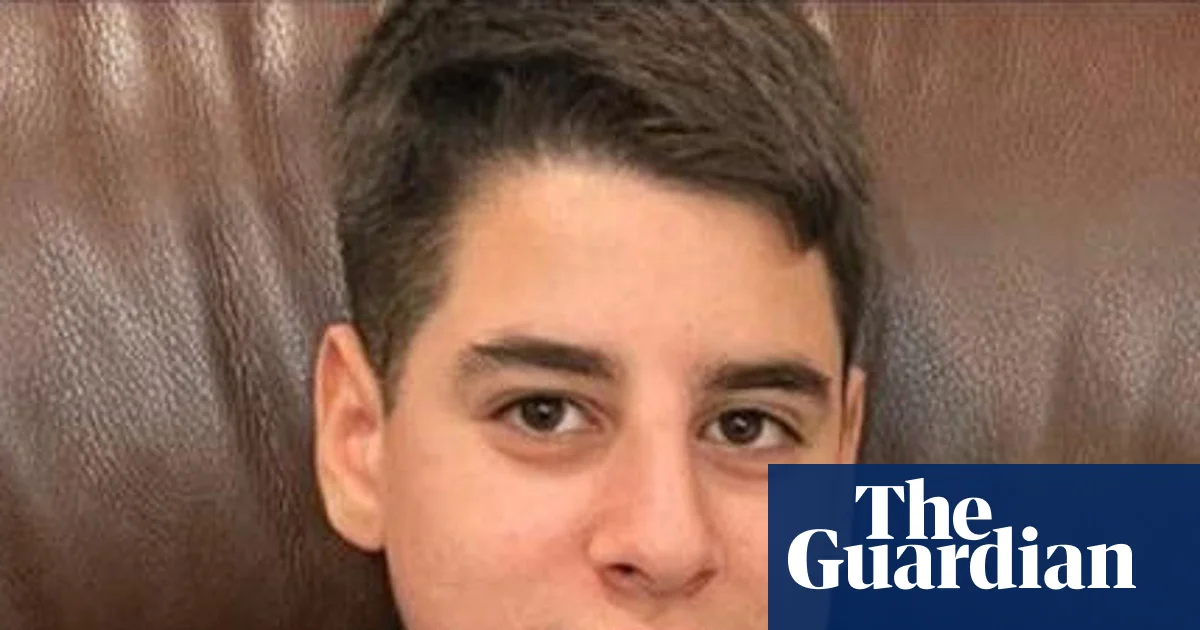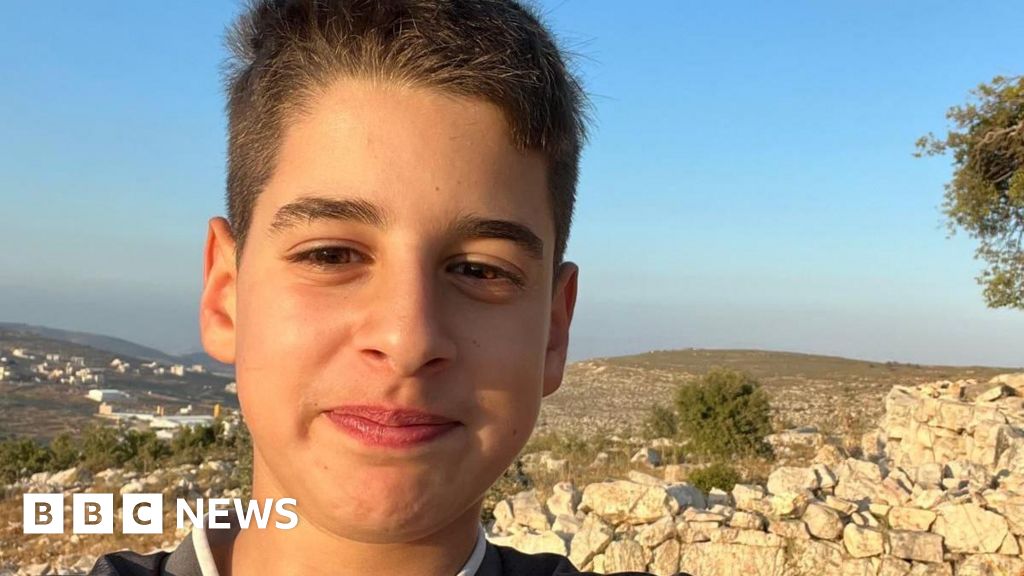

The recent release of Mohammed Ibrahim, a 16-year-old Palestinian-American who endured nine months of detention by Israeli authorities without formal charge, underscores the ongoing complexities defining the Israel-Palestine conflict and its profound geopolitical impact. Arrested at 15 while visiting the West Bank from Florida, Mohammed’s case is emblematic of the broader issues surrounding the treatment of Palestinian minors in Israeli custody, a matter long condemned by human rights organizations and the United Nations. While his release marks a personal milestone, it also raises pressing questions about international accountability and the role of the US in advocating for its citizens abroad.
- Mohammed’s detention followed allegations of stone-throwing against Jewish settlers, a charge he and his family deny, highlighting the persistent tensions and accusations of misconduct from both sides of the conflict.
- The Israeli prison system, where approximately 350 Palestinian minors are held, has faced widespread condemnation for alleged abuses and torture—accusations upheld by human rights organizations and reinforced by international reports.
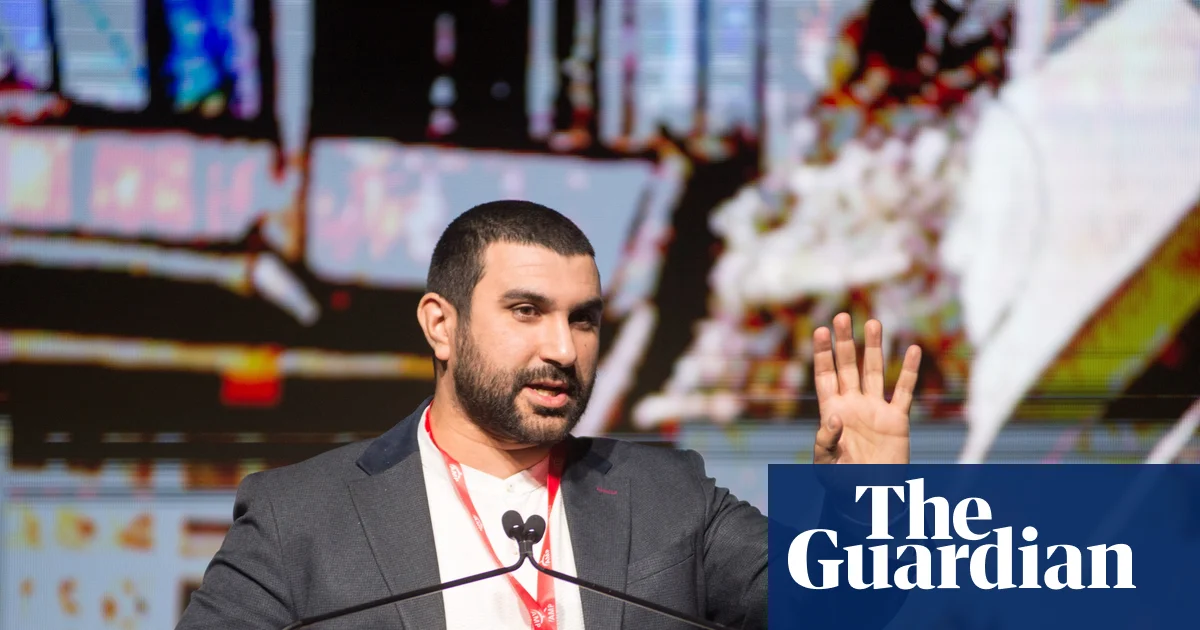
- Mohammed’s family, including his father Zahar Ibrahim, criticizes what they perceive as insufficient intervention by the US government, despite bipartisan advocacy—27 US lawmakers signed a letter demanding action from President Donald Trump.
Analysts note that the detention of minors in such conditions not only impacts individual lives but also fuels regional instability. Experts from Oxford’s Middle East Institute warn that these policies contribute to a cycle of violence, unrest, and international scrutiny. The case also exemplifies how US foreign policy, often characterized by a complex balance of support and criticism, influences how these conflicts evolve. The US’s stance, articulated through the State Department, prioritizes citizen safety, yet many critics argue this rhetoric often falls short of meaningful action, especially when dealing with PGs like Israel in sensitive areas.
This situation also emphasizes the broader consequences for societies caught in prolonged strife. Mohammed’s case and the subsequent focus on other injustices, such as the death of dual US citizen Sayfollah Musallet at the hands of settlers, illustrate the deep scars of unresolved conflict. The family’s fight for justice and accountability underscores how international decisions reverberate through communities—turning localized incidents into symbols with global ramifications. The inability of authorities to prosecute those responsible for Sayfollah’s death, despite evidence, feeds into an international narrative of unchecked violence and impunity, threatening the fragile stability of the region.
As history continues to unfold, the case of Mohammed Ibrahim stands as a stark reminder of the danger inherent in unresolved conflicts and the crucial need for international diplomacy and justice. With each headline, the weight of history presses harder—underscoring that these are not merely stories of individuals but chapters in the ongoing saga that will shape the future of nations and societies for decades to come. The question remains: will the international community heed the warnings, or will they be swept aside as just another chapter in a relentless cycle of conflict?