
Global Impact of Sovereign Decisions: Australia’s Religious Policy Debates As a Microcosm of Rising Nationalist Tensions
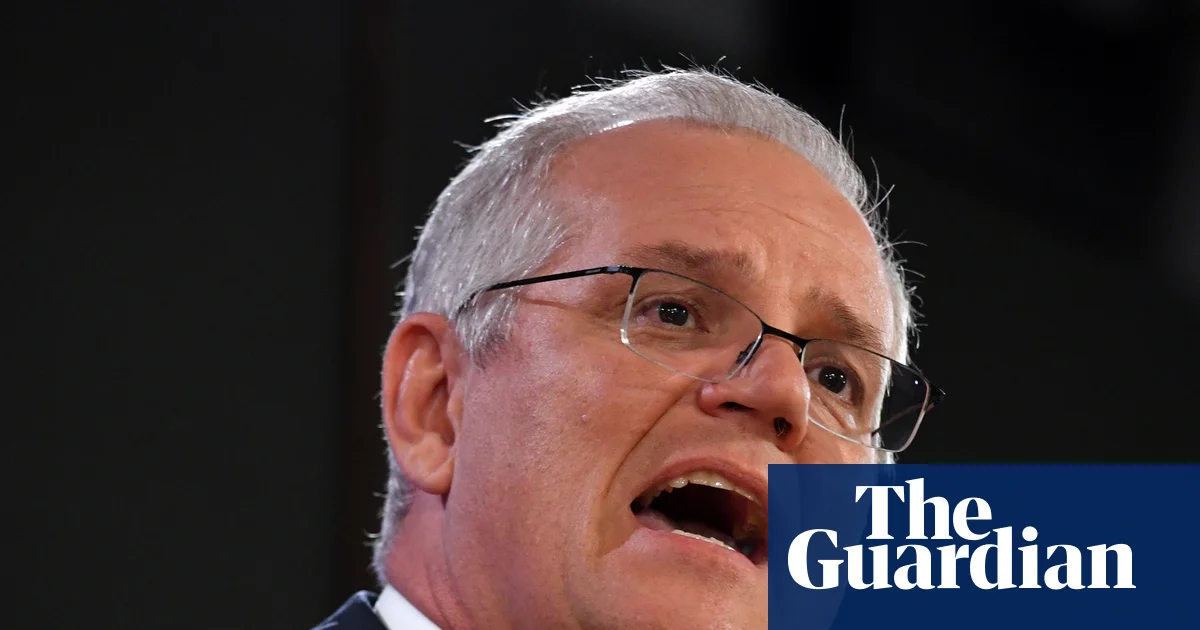
In recent weeks, Australia has become a focal point for international attention as debates surrounding religious freedoms, national security, and identity converge with a rising tide of anti-immigrant rhetoric and nationalist sentiments. Former Prime Minister Scott Morrison ignited controversy by urging the implementation of a national register for imams and expanding frameworks to scrutinize foreign interference in religious communities. His proposals, rooted in a response to the 2019 Bondi terror attack, where two individuals inspired by Islamic State killed 15 innocents, have sparked fierce condemnation from Islamic groups and human rights advocates alike. This domestic debate over the regulation and supervision of religious figures is now reverberating across the international scene, where similar rhetoric fuels broader fears of societal fragmentation and geopolitical instability.
National Sovereignty and Religious Freedom Under Siege?
At the heart of Morrison’s argument lies a perceived necessity to address radicalization within Australian Muslim communities, aligning with a global pattern of governments seeking to tighten controls in the name of security. Morrison asserted that “recognized accreditation for imams, a national register, and clear training requirements,” are crucial steps toward safeguarding the nation. Yet, these proposals have been dismissed by Muslim leaders as “reckless, deeply offensive, and profoundly dangerous.” They warn that such measures threaten to undermine fundamental ideals of religious freedom and equality before the law, echoing similar debates across Europe and North America where government overreach is often countered with fears of cultural erosion and social alienation.
International analysts, including scholars from the Atlantic Council, have emphasized that these kinds of policies often serve as a pretext for discrimination and social division. The Australian Federation of Islamic Councils (AFIC) and other representatives vigorously oppose Morrison’s call, affirming that Islamic teachings do not endorse violence and that criminal acts are committed by individuals, not entire communities. Their stance echoes a broader international narrative: the reckless conflation of criminality with faith feeds dangerous stereotypes, undermining efforts to foster social cohesion—an issue that extends beyond Australian borders.
The Geopolitical Ramifications and a Fragmented Future
The case of Australia exemplifies a larger, emerging pattern: national governments increasingly view identity politics and social control as tools for maintaining sovereignty amid global upheaval. As China continues to expand its influence in the Indo-Pacific and Russian seeks to weaken Western alliances, states are recalibrating their internal policies for perceived vulnerabilities—particularly concerning external influence in religious and cultural spheres. Historians warn that if such policies are weaponized, they risk igniting conflicts that threaten regional stability and global order.
For instance, the United Nations and international human rights organizations are increasingly concerned with how such measures may undermine international norms—especially those protecting freedom of religion and the rights of minorities. As nations like France and Germany grapple with their own Muslim populations, the precipitous rise of anti-immigrant policies indicates a fragile global landscape where the thin veneer of multiculturalism is under threat.
Looking Ahead: History’s Unfinished Story
As Australia navigates its internal social debates amidst a volatile international order, the underlying questions about sovereignty, security, and cultural identity remain unresolved. The decisions made today—whether to broaden surveillance or protect traditional freedoms—are shaping the framework of societies that will bear the long-term consequences of this tumult. History warns us that when nations prioritize security over liberty, fractures deepen, and the risk of societal collapse grows.
The weight of history presses upon the present: the struggle to balance national security with respect for individual rights continues to define the arc of civilization. As Australia charts its course amid rising social tensions and geopolitical upheaval, the world watches, aware that the outcome will echo far beyond its shores—sculpting the next chapter of global history, where each decision could either fortify unity or unravel the fragile fabric of multicultural societies, leaving a legacy of division or resilience dramatically etched in the annals of the future.