
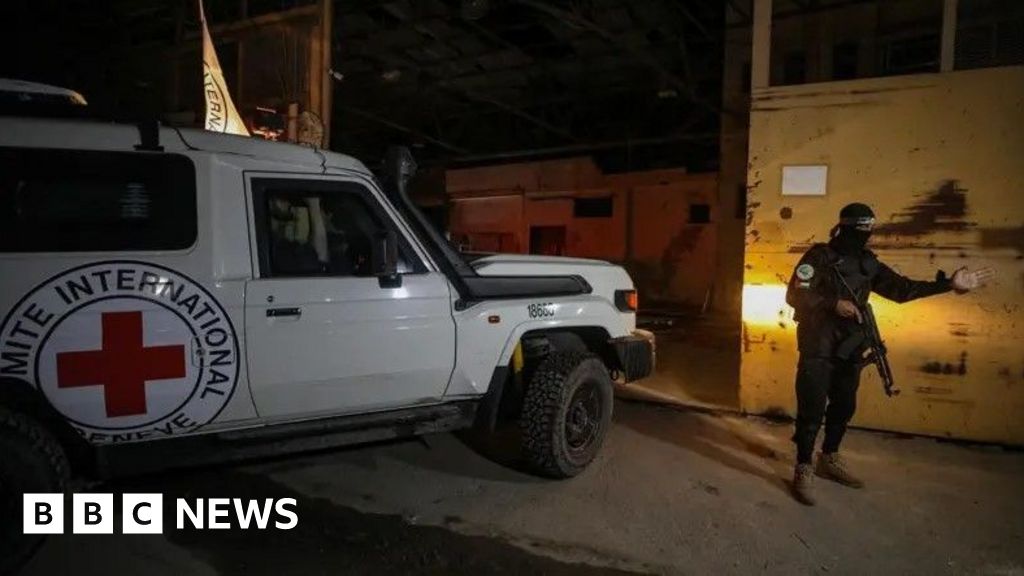

The recent developments in Gaza highlight a fragile and complex geopolitical landscape that continues to threaten regional stability. Following the US-brokered ceasefire agreement, Hamas claims to have handed over the bodies of two additional Israeli hostages, yet the group’s armed wing emphasizes that full recovery of all deceased remains a formidable challenge requiring specialized equipment and sustained effort. Meanwhile, Israel maintains a stern stance, insisting that the mission is incomplete until all hostages are returned—a position that underscores the relentless cycle of tension and mistrust defining the conflict. The handling of these remains, intertwined with the broader ceasefire accord, signals that the path toward lasting peace remains fraught with uncertainty.
International reactions reflect a delicate balancing act between diplomacy and military readiness. US President Donald Trump has warned that if Hamas fails to uphold the ceasefire, Israeli forces could resume hostilities. Notably, US advisors overseeing the peace plan assert that Hamas is acting in good faith by releasing live hostages and cooperating with international efforts, though the reconciliation of remaining bodies still demands intense operations. These decisions are crucial; as analysts caution, any perceived breach of trust could reignite violence, potentially plunging the region into broader conflict. The geopolitical impact of this diplomacy is profound: the peace plan hinges on the fragile cooperation of factions and the global community’s resolve to prevent catastrophe.
Amidst these tensions, the humanitarian situation in Gaza becomes more desperate. UN humanitarian chief Tom Fletcher has called for the immediate opening of border crossings to deliver essential aid, warning that withholding assistance risks irreversible suffering. Local traders and residents report surging food prices and hoarding, driven by fears of renewed warfare, revealing a society on edge. The conflict’s long-term consequences threaten to destabilize societal foundations, fostering environments where fear and scarcity dominate. At the same time, international leaders remain focused on “de-confliction” strategies—creating safe zones and ensuring aid flows—always aware that these measures are temporary fixes amidst a larger, unresolved geopolitical crisis.
Forecasts from various international organizations and historical analysts suggest that the current ceasefire, while momentarily halting violence, is merely a pause in an ongoing conflict defined by deep-rooted grievances and strategic calculations. Previous attempts at peace have repeatedly unraveled, and the current pause challenges the very foundation of international diplomacy in the Middle East. As the world watches with bated breath, the destiny of Gaza and the broader region hangs precariously in balance. The unfolding narrative of conflict, negotiation, and tension not only reshapes local societies but also influences global power dynamics—reminding history’s witnesses that, oftentimes, peace negotiations are merely brief respites before the storm’s inevitable return.






